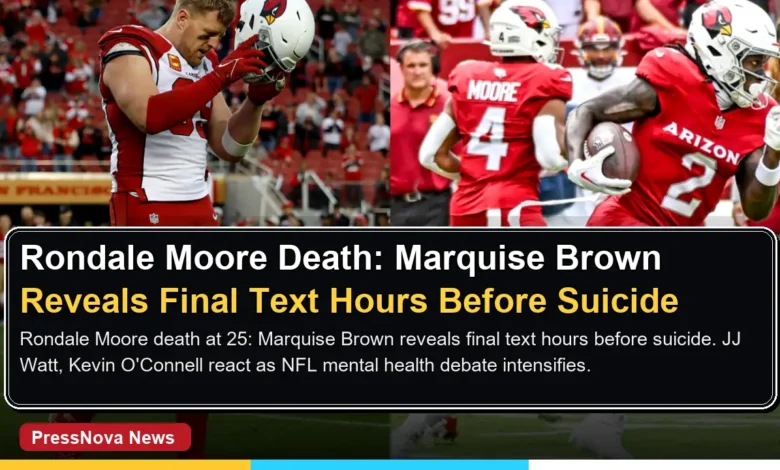
The tragic death of Rondale Moore has sent shockwaves through the NFL community, with the 25-year-old Minnesota Vikings wide receiver found dead from a suspected self-inflicted gunshot wound on February 21 in his hometown of New Albany, Indiana.
- Death Confirmed: Rondale Moore, 25, found dead in New Albany, Indiana, from suspected self-inflicted gunshot wound
- Final Contact: Marquise “Hollywood” Brown reveals Moore texted him just hours before his death
- Team Tributes: JJ Watt, Kyler Murray, Kevin O’Connell express devastation over loss
- Mental Health Debate: Breiden Fehoko, A.J. Green criticize NFL’s approach to player wellness
- Injury History: Moore missed two consecutive seasons with ACL and knee injuries before his death
New Albany Police Chief Todd Bailey confirmed that Moore was discovered in a garage with what authorities believe to be a self-inflicted gunshot wound. An autopsy was scheduled as the investigation continued, with officials providing limited additional information due to the ongoing nature of the case.
Moore’s death has prompted an outpouring of grief from across the football world, with former teammates and coaches struggling to process the loss of a young man described as humble, hardworking, and full of promise. The tragedy has also reignited difficult conversations about mental health support within the NFL and the pressures players face behind the scenes.
The Louisville head coach, who worked with Moore at Purdue, described the receiver as a “complete joy to coach” and “the ultimate competitor” who had an unmatched work ethic.
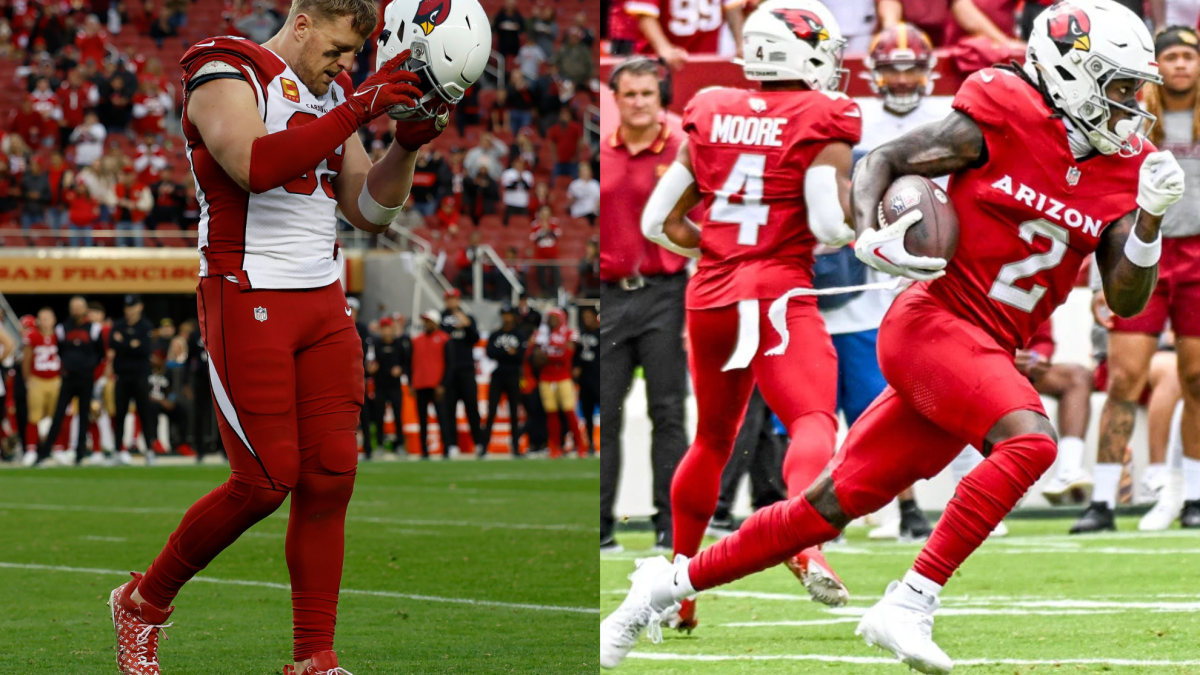
Marquise Brown Reveals Final Text Messages Hours Before Rondale Moore Death
Perhaps the most heartbreaking detail to emerge came from Marquise “Hollywood” Brown, who shared that he received a message from Moore just hours before his death. Brown, who was Moore’s teammate on the Arizona Cardinals from 2022 to 2023, took to social media to express his disbelief and grief.
“Bro ain’t no way brotha you just messaged me few hours ago,” Brown wrote on X, alongside a follow-up message that read, “You wasn’t alone bro… I told you I know how you feel”.
Brown also shared a screenshot of a text conversation from August 2025, when Moore had suffered a season-ending ACL injury during the Vikings’ first preseason game. Brown had reached out with words of encouragement, writing: “Praying for you brother. Sometimes in life when stuff don’t go as planned as frustrating as it may be have to always remember God is in control, his plan will always prevail all we can do is trust him and always remember someone has it worse. I’m here if you ever need to talk bro I know how s— feel it sucks dawg but knowing you, you built for this don’t give up”.
In a deeply personal post accompanying the screenshot, Brown added: “I love you bro… I always wanted to speak life into you”.
Brown also addressed the misconception that financial success shields athletes from personal struggles, writing on Instagram: “People really believe if you got money you don’t go through anything and have no problems, that s— be really crazy to me. I shared this to my close friends ’cause I know me and all my bros go through the same stuff, it’s just crazy you people don’t realize this until someone gone”.
JJ Watt and NFL Community React to Rondale Moore’s Death
Former Cardinals defensive end J.J. Watt, who played with Moore during the receiver’s first two seasons in Arizona, expressed profound disbelief in a social media post. “Can’t even begin to fathom or process this,” Watt wrote on X. “There’s just no way. Way too soon. Way too special. So much left to give. Rest in Peace Rondale”.
Minnesota Vikings head coach Kevin O’Connell released a heartfelt statement describing the organization’s devastation. “While Rondale had been a member of the Vikings for a short time, he was someone we came to know well and care about deeply,” O’Connell said. “He was a humble, soft-spoken, and respectful young man who was proud of his Indiana roots”.
Former Cardinals quarterback Kyler Murray shared his shock on Instagram: “Just spoke to you bro. Blessed to have been able to share this life with you. I pray you’re in a better place now Ra”. James Conner, another former teammate, wrote: “Unbelievable. Lil bro was special”.
Raiders star Maxx Crosby shared a poignant memory of playing against Moore in college, describing him as “like Tyreek Hill in college” and revealing he had urged the Raiders to draft him.
Injury Struggles: The Toll of Two Lost Seasons
Moore’s football journey had been marked by extraordinary promise followed by devastating injuries. After a standout collegiate career at Purdue that earned him Freshman All-American honors, the Arizona Cardinals selected him in the second round of the 2021 NFL Draft.
He played three seasons in Arizona, showcasing his explosive speed and versatility in the slot. However, injuries began to take their toll. In 2024, he was traded to the Atlanta Falcons but missed the entire season after dislocating his right knee during training camp.
Moore signed a one-year deal with the Minnesota Vikings ahead of the 2025 season, hoping for a fresh start. But during the Vikings’ first preseason game on August 9, 2025, he tore his ACL, sidelining him for another full year and preventing him from playing a single regular-season snap for Minnesota.
People who knew Moore say he became increasingly depressed at his inability to play after suffering these back-to-back season-ending injuries. The psychological toll of watching his NFL dream slip away while rehabbing in isolation appears to have been overwhelming.
Breiden Fehoko’s Criticism: ‘Don’t Tell Me They Care’
Former defensive lineman Breiden Fehoko delivered a blunt critique of the NFL’s mental health support system in the wake of Moore’s death, questioning whether the league truly cares about players beyond what they contribute on game day.
Fehoko pointed out how NFL teams regularly post about mental health awareness and encourage players to “reach out” for help, but suggested those messages feel hollow when contrasted with the cutthroat nature of the business. “All they care about is what you bring to the table when it’s game day,” Fehoko wrote.
His comments tap into a larger debate about the disconnect between public messaging and locker room reality. The NFL has promoted initiatives like NFL Total Wellness, which provides emotional, mental, and clinical resources for current and former players. But critics argue that true change requires deeper cultural shifts, not just social media posts during awareness months.
The “next man up” mentality that defines professional football creates intense pressure around availability, durability, and production. In that environment, some athletes may feel that admitting mental struggles could affect how they’re viewed by coaches and front offices.
A.J. Green’s Call for Mandatory Mental Health Care
In a powerful essay published on The Players’ Tribune, former NFL wide receiver A.J. Green called for significant changes to how the league addresses player mental health, drawing on his close relationship with Moore.
Green and Moore developed a father-son dynamic during their time together in Arizona, with Green joking that Moore was actually “Rondale Green, my third and oldest kid”. Green helped select the tie for Moore to wear at his funeral.
“To me there’s a lot that could still be improved in the NFL, as far as how the league is helping its players with their mental health,” Green wrote. He proposed making it mandatory for players to see an independent mental health counselor as part of rehab following a major injury, with extended mandatory counseling for those who suffer a second major injury.
Green also addressed the stigma that persists within league circles. “None of that means anything if the people who are making the football decisions, in private, are viewing mental health issues how I feel like a lot of times they still get viewed: as a red flag,” he wrote. “And as long as that’s the case? Stories like Rondale’s will probably keep happening”.
His message was stark: if players believe being open about mental health struggles will affect their earning potential, they will feel shame and lie about what they’re experiencing — and without help, those issues will only worsen.
What Happens Next: The Rondale Moore Legacy and NFL Mental Health
Moore was laid to rest on March 6, 2026, in New Albany, his hometown. The investigation into his death continues as the NFL community mourns a young man whose life and career were cut tragically short.
San Francisco 49ers general manager John Lynch emphasized the importance of mental health resources in the wake of the tragedy, noting that his organization had a full-time clinician before many other teams did and encouraging players to use available support systems.
The Cardinals released a statement expressing devastation: “Our thoughts and deepest condolences are with his family, friends, teammates and everyone who had the privilege of knowing such a special person”.
Moore’s story serves as a painful reminder that professional athletes, despite their wealth and fame, face profound struggles behind the scenes. His former teammates’ tributes and the broader mental health conversation he has ignited may represent the most lasting part of his legacy.
If you or someone you know is struggling with suicidal thoughts or experiencing a mental health crisis, call or text 988 or chat at 988lifeline.org for free and confidential crisis counseling.