The Kansas City Chiefs’ offseason shakeup represents one of the most consequential roster overhauls in the Patrick Mahomes era, as the franchise works to rebound from a 6-11 season that ended a decade-long playoff streak. From the record-setting Mahomes contract restructure to ongoing uncertainty surrounding Travis Kelce’s retirement decision and significant coaching staff changes, the Chiefs are deploying every available tool to return to AFC contender status. But with lingering roster questions, an escalating arms race within the division, and mounting salary cap pressures, the path back to relevance requires precision execution across every front office and coaching decision.
- Mahomes Restructure: Converted $54.45M of salary to signing bonus, freeing $43.56M in cap space with his cap hit dropping from $78.2M to $34.65M
- Future Cap Burden: Mahomes’ future cap hits now exceed $85M in 2027, with $10.89M added annually through restructure
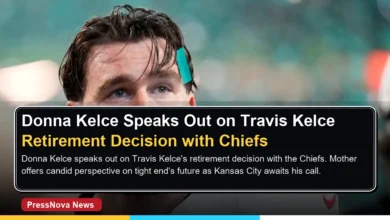
- Kelce’s Decision: The 36-year-old tight end hasn’t committed to returning, though internal optimism remains
- Coaching Overhaul: Eric Bieniemy returns as offensive coordinator amid broader staff reshuffling
- Roster Questions: Offensive line, wide receiver depth, and defensive front seven remain significant concerns
- Secondary Shakeup: Key departures at cornerback with rookies expected to contribute immediately
- Cap Status: Chiefs remain approximately $11M over the projected salary cap even after Mahomes’ restructure
- AFC West Pressure: Rivals Las Vegas and Los Angeles earned higher offseason grades than Kansas City
The franchise’s offseason blueprint begins with a bold financial maneuver that immediately transformed the team’s cap outlook. General manager Brett Veach and the front office converted $54.45 million of Mahomes’ base salary and roster bonus into a signing bonus, drastically reducing the quarterback’s cap hit from $78.2 million to $34.65 million and freeing $43.56 million in immediate spending power. This restructure, the fourth consecutive year the Chiefs have adjusted Mahomes’ deal, gives Veach necessary flexibility to address multiple roster deficiencies while navigating an increasingly competitive AFC landscape.
However, the financial relief comes with significant long-term consequences that will shape the franchise’s roster-building strategy for years. By converting salary into bonus, the Chiefs have added $10.89 million to each of the remaining years on Mahomes’ contract, pushing his 2027 cap hit to over $85 million and creating a balloon payment that will require future restructures or difficult roster decisions. This pattern of pushing money forward has become a hallmark of the Veach era, but it also means the Chiefs are increasingly reliant on Mahomes’ continued elite performance to justify the mounting financial obligations.
The Mahomes restructure represents more than just a financial transaction—it signals the organization’s philosophical approach to team building around its franchise quarterback. By converting base salary into signing bonus, the Chiefs effectively borrowed from their future cap to address present needs, a strategy that carries both opportunity and risk. According to Over The Cap’s contract analysis, the restructure gives the Chiefs immediate flexibility but requires disciplined roster management to avoid a cap crisis in future seasons.
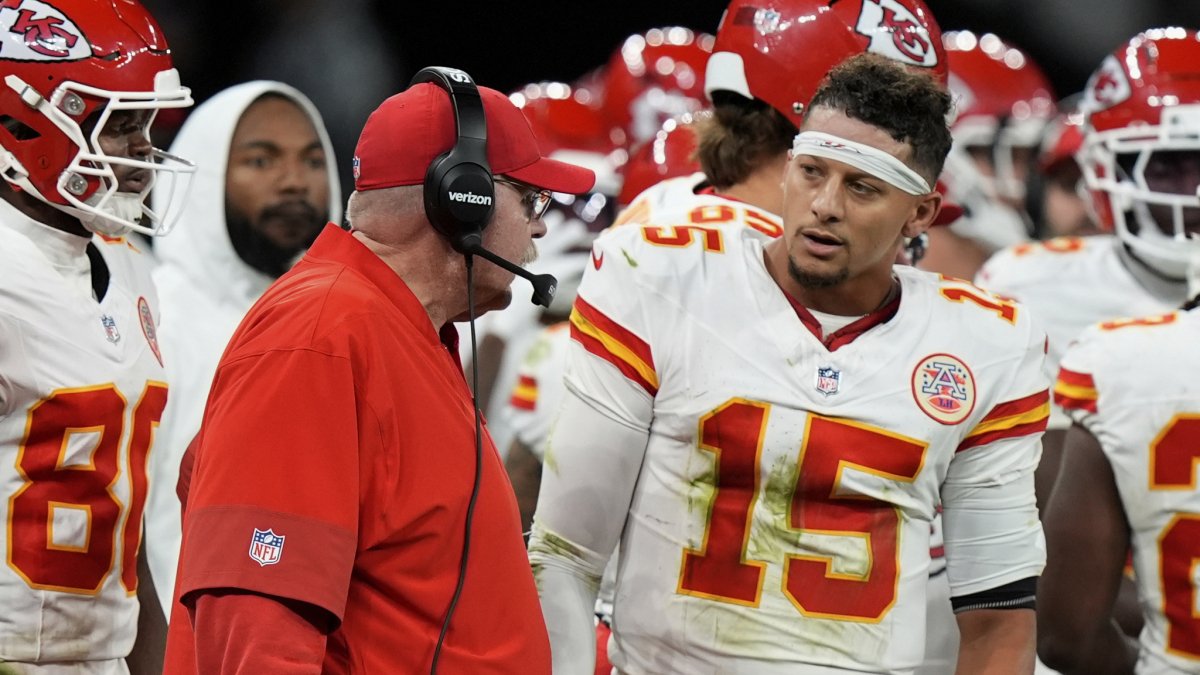
The Financial Blueprint: How Mahomes’ Restructure Reshaped the Chiefs’ Cap Space
Breaking Down the Numbers: What the Restructure Actually Means
The mechanics of Mahomes’ restructure are relatively straightforward but carry profound implications. By converting base salary—which counts fully against the current year’s cap—into signing bonus—which prorates evenly over the life of the contract—the Chiefs effectively kicked the financial can down the road. The immediate savings of $43.56 million provide Veach with ammunition to pursue free agents, extend existing players, or absorb other contracts via trade. However, the prorated bonus adds $10.89 million to each year from 2027 through 2031, creating a cascading effect that will complicate future cap management.
For context, Mahomes’ original 10-year extension signed in 2020 was already structured to provide team-friendly flexibility, but these annual restructures have gradually transformed it into a more backloaded arrangement. The cumulative effect of four consecutive restructures means the Chiefs have added nearly $40 million in future cap obligations beyond what the original contract contemplated. This strategy works as long as the salary cap continues its historical upward trajectory—which it has, with recent projections showing continued growth—but it leaves little margin for error if cap growth slows or if Mahomes’ performance declines.
Future Cap Implications: The Long-Term Tradeoff
Looking ahead, the Chiefs face a challenging cap picture that will require creative solutions. Mahomes’ cap hits from 2027 through 2031 now average over $65 million per year, with 2027 alone exceeding $85 million. While the NFL salary cap is projected to approach $300 million by that time, allocating nearly 30% of the cap to one player creates obvious roster construction challenges. The Chiefs will need to hit on draft picks, develop young talent, and identify value free agents to maintain competitive depth around their superstar quarterback. Chiefs salary cap management will be tested as Veach works to balance Mahomes’ growing cap hits against the need to surround him with playmakers.
Former NFL executive and cap analyst ESPN’s front office insiders have noted that teams in the Chiefs’ position typically employ a “win-now” window strategy, leveraging future cap space to maximize current championship equity. For Kansas City, that means the next three seasons represent the optimal competitive window before the cap constraints become unmanageable without significant roster turnover.
Beyond Mahomes: Other Contract Moves That Matter
Veteran Restructures and Releases
Mahomes wasn’t the only Chief to adjust his deal this offseason. The front office has also explored restructures for several veteran contributors to create additional breathing room. Offensive tackle Jawaan Taylor, defensive tackle Chris Jones, and guard Joe Thuney have all been mentioned in cap-saving discussions, with their contracts representing potential savings through similar bonus conversions. However, each restructure carries its own risk profile—Jones, in particular, is entering his age-32 season, and converting his salary into bonus would lock in guaranteed money for a player on the back nine of his career.
Additionally, the Chiefs have made difficult decisions on veteran players whose performance no longer justified their cap hits. According to league sources, multiple depth players and special teams contributors have been released or allowed to walk in free agency as part of the broader cap-clearing effort. These moves, while less glamorous than the Mahomes restructure, collectively represent millions in savings that Veach can redirect toward impact additions.
Extension Candidates Still on the Table
With cap space now available, the Chiefs are positioned to extend several key players before they reach free agency. Wide receiver Rashee Rice, cornerback Trent McDuffie (prior to his departure), and linebacker Nick Bolton are among the young core pieces whose extensions have been discussed internally. Securing these players early could provide cost certainty and prevent bidding wars on the open market, a strategy the Chiefs have employed successfully with previous extensions for Mahomes, Kelce, and Jones.
However, the timing of these extensions will be critical. The Chiefs must balance the desire to lock up young talent against the need to maintain flexibility for unforeseen opportunities—such as a veteran player becoming available via trade or a surprising free agent falling into their price range. Veach’s track record suggests he prefers to be opportunistic, pouncing on value when it emerges rather than overcommitting to a predetermined plan.
Coaching Carousel: Who’s In, Who’s Out, and What It Means
Eric Bieniemy’s Return and Offensive Reset
The most significant coaching development of the offseason is Eric Bieniemy’s return to the offensive coordinator role. Bieniemy, who previously held the position during the Chiefs’ Super Bowl LIV and LVII runs, left for a college coaching stint but has returned to reestablish offensive continuity. The 2025 season saw the Chiefs’ offense struggle with consistency, ranking near the bottom of the league in several key metrics after years of dominance. Bieniemy’s familiarity with Andy Reid’s system and his ability to connect with players—particularly Mahomes and Kelce—are seen as crucial to restoring the offensive identity that made Kansas City the NFL’s most feared unit.
Bieniemy’s return also brings stability to a staff that experienced significant turnover. Quarterbacks coach Matt Nagy, who had been mentioned as a potential offensive coordinator candidate elsewhere, remains in his role, while several position coaches have been shuffled or replaced. The emphasis is on refining execution, reducing pre-snap penalties, and re-establishing the deep passing game that had been less prominent in recent seasons.
Defensive Coaching Adjustments
Defensively, the Chiefs have made subtler but equally important adjustments. While defensive coordinator Steve Spagnuolo remains in place, the team has added new voices to the defensive staff, including a new defensive line coach and secondary assistant. These changes are designed to address specific weaknesses exposed during the 2025 campaign—particularly in run defense and situational football. Spagnuolo, one of the league’s most respected defensive minds, has reportedly welcomed the fresh perspective, believing that new voices can help players see concepts differently and improve execution.
The coaching changes extend beyond the coordinator ranks. Reid has used the offseason to evaluate every position coach’s performance, making changes where he felt improvement was needed. While these lower-level moves don’t generate headlines, they collectively shape the team’s culture and attention to detail, factors that often separate championship teams from also-rans.
Roster Gaps: Where the Chiefs Still Need Help
Offensive Line Priorities
Despite the cap flexibility created by Mahomes’ restructure, the Chiefs enter the offseason with clear roster deficiencies that must be addressed. The offensive line, once a strength, has become a concern after injuries and attrition. Left tackle remains a question mark, with the Chiefs needing to decide whether to invest in a veteran free agent, draft a rookie, or rely on internal development. Given the importance of protecting Mahomes—especially as he recovers from injury—this position should be priority number one.
Interior offensive line depth is another concern. While Thuney and Creed Humphrey provide stability, the Chiefs lack proven backups at guard and center. Injuries along the offensive line decimated the 2025 season, and the front office cannot afford a repeat performance. Expect Veach to target offensive linemen both in free agency and the draft, with multiple picks likely allocated to the position.
Wide Receiver Depth Concerns
Beyond the offensive line, the wide receiver room lacks proven depth behind Rice. While Rice has emerged as a legitimate number-one option, the Chiefs struggled to find consistent production from their other receivers in 2025. Kadarius Toney’s inconsistency, Marquez Valdes-Scantling’s departure in free agency, and the lack of a true deep threat have left the passing attack more one-dimensional than in previous years. Adding a vertical threat who can stretch the field and open up intermediate routes would dramatically improve the offense’s efficiency and give Mahomes the weapons he needs to return to MVP form.
Moreover, the tight end position—traditionally a strength—faces uncertainty with Kelce’s potential retirement. If Kelce does not return, the Chiefs will need to completely rethink their offensive approach, potentially leaning more heavily on wide receivers and running backs in the passing game. This scenario would necessitate a strategic shift in personnel and play-calling that could take time to implement effectively.
Defensive Front Seven Questions
Defensively, the Chiefs need to address their front seven. While Chris Jones remains a dominant interior presence, the defensive end position lacks consistent pass-rush production. Frank Clark’s departure and limited contributions from younger edge rushers have left the Chiefs without a true sack artist opposite Jones. Without consistent pressure, even the best secondary can be exposed—and with key cornerback departures, the defense cannot afford to give opposing quarterbacks time to throw.
Linebacker is another area of concern. While Nick Bolton is a tackling machine, the Chiefs lack speed and coverage ability at the second level, making them vulnerable to athletic tight ends and running backs in the passing game. Addressing these deficiencies through the draft and free agency will be essential to returning the defense to the top-10 unit it was during the championship seasons.
The AFC Arms Race: Comparing the Chiefs’ Moves to Rivals
How Kansas City Stacks Up Against Buffalo, Cincinnati, and Baltimore
The Chiefs are not operating in a vacuum. The AFC is loaded with contenders who have made aggressive moves to close the gap on Kansas City’s dynasty. The Buffalo Bills, led by Josh Allen, have added veteran receivers and defensive playmakers to their roster. The Cincinnati Bengals, with Joe Burrow and a loaded receiving corps, are perennial threats. The Baltimore Ravens, with Lamar Jackson and a revamped passing attack, present a unique challenge with their dual-threat quarterback and physical defense.
Compared to these rivals, the Chiefs’ offseason has been relatively quiet on the player acquisition front—but that reflects their cap constraints and strategic approach. While the Bills and Bengals have made splashy free agent signings, the Chiefs have prioritized financial flexibility and internal development. Whether this approach succeeds depends on whether their drafted players develop quickly and whether their coaching staff can maximize the talent on hand.
Draft Capital and Free Agency Strategy Comparison
Kansas City’s draft position—the No. 9 overall pick—is its highest selection in years, presenting an opportunity to add an elite talent. By contrast, the Bills, Bengals, and Ravens all pick later in the first round, limiting their access to the draft’s top prospects. The Chiefs can capitalize on this position by selecting a player who fills a critical need—whether an offensive tackle, defensive end, or wide receiver—and who can contribute immediately.
In free agency, the Chiefs have been measured, focusing on value signings rather than marquee names. This approach aligns with Veach’s philosophy of building through the draft and supplementing with veterans on team-friendly deals. While it may not generate headlines, it has historically proven effective for the Chiefs, who have consistently found contributors in the second and third waves of free agency.
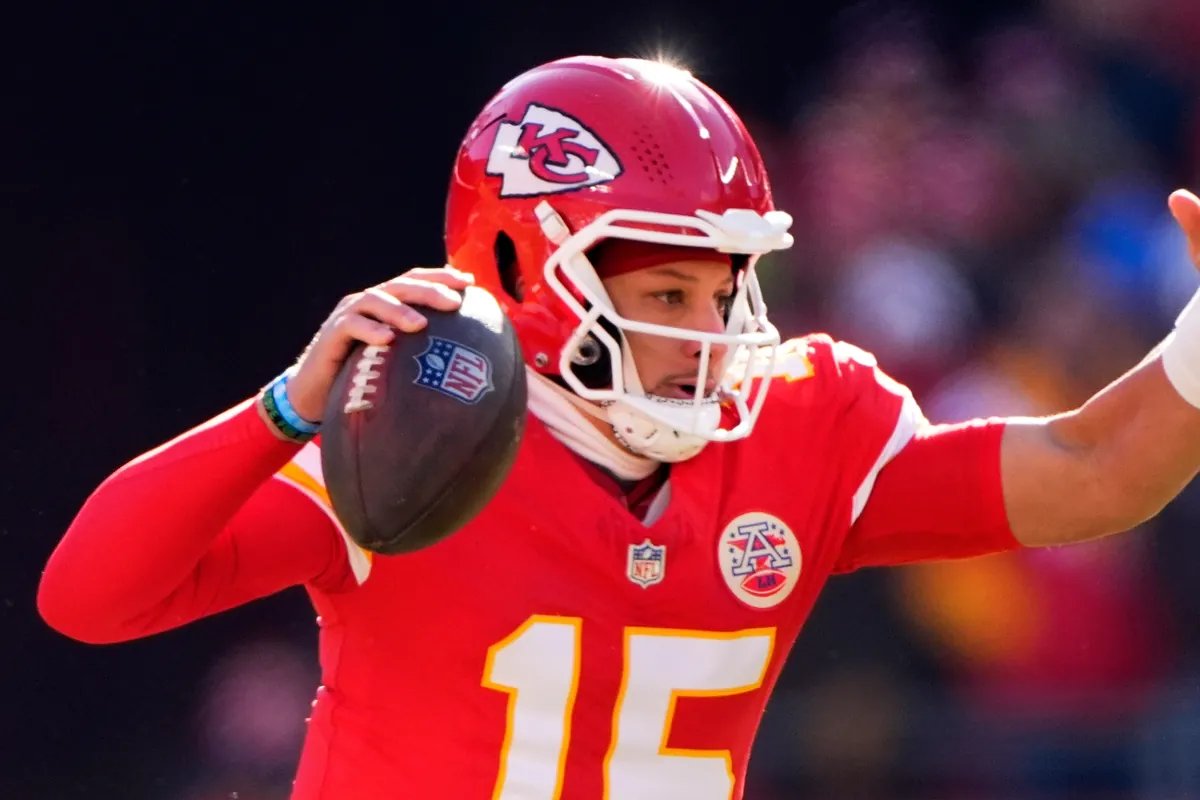
The Travis Kelce Factor: What His Decision Means for the Offense
Kelce’s Leverage and Motivation
Travis Kelce’s future is the single most impactful variable in the Chiefs’ offseason equation. At 36 years old, Kelce has accomplished virtually everything possible in the NFL: multiple Super Bowl titles, All-Pro selections, and a likely Hall of Fame resume. He has little left to prove from a career legacy standpoint, and his physical decline—while gradual—is inevitable. The question is whether Kelce wants to continue playing through the wear and tear of another season or whether he believes the time is right to walk away. The Travis Kelce retirement speculation has only intensified as the veteran tight end weighs his options.
Kelce’s motivation is not purely financial—he has earned over $100 million in his career—but his competitive fire and love for the game remain strong. Sources close to the situation indicate that Kelce is genuinely torn, weighing his physical health, family considerations, and the desire to compete for another championship. The Chiefs have given him space to make the decision on his own timeline, understanding that pressuring him would be counterproductive.
Offensive Adjustments If Kelce Returns or Retires
If Kelce returns, the Chiefs’ offense can largely maintain its identity: spread formations, pre-snap motion, and heavy reliance on the tight end in both the passing and running games. Kelce’s presence opens up opportunities for receivers and running backs, drawing defensive attention and creating favorable matchups. The offense with Kelce is proven, cohesive, and elite.
If Kelce retires, the Chiefs face a fundamental offensive restructuring. Without the security blanket of a Hall of Fame tight end, Mahomes would need to rely more heavily on his receivers and running backs, potentially shifting to a more conventional spread system. Additionally, the Chiefs would need to identify a new tight end—either through the draft, free agency, or internal development—to fill Kelce’s role, though finding a replacement for a player of his caliber is virtually impossible. The offensive staff would need to redesign the playbook, emphasize different concepts, and potentially adjust their run-pass balance to account for the change in personnel. This transition would likely take a full season to fully implement, making Kelce’s decision even more critical to the Chiefs’ immediate competitive window.
Patrick Mahomes’ Recovery and Readiness
ACL Rehab Timeline and Return to Form
Mahomes’ ACL injury suffered late in the 2025 campaign adds another layer of complexity to the offseason. While ACL recovery timelines have shortened significantly in recent years, the psychological aspect of returning from a major injury is often overlooked. Mahomes has acknowledged the challenge of trusting his knee fully and regaining the mobility that makes him so dangerous outside the pocket.
According to NFL injury analysts, the typical recovery timeline for a quarterback ACL injury is approximately 9-12 months, with full return to pre-injury performance levels often taking until the second season after surgery. While Mahomes is expected to be ready for the start of the season, his effectiveness in the first half of the campaign may be impacted by reduced mobility and the mental adjustment to trusting his repaired knee in game situations.
Adjusting the Offense to Protect Mahomes
The Chiefs must also adjust their offensive philosophy to protect Mahomes during his recovery. This means emphasizing quick reads, shorter drops, and getting the ball out faster—concepts that align with Bieniemy’s offensive philosophy. The offensive line’s performance becomes even more critical, as Mahomes will be less able to escape pressure with his legs while regaining full confidence in his knee.
Additionally, the Chiefs may increase their usage of play-action, screens, and run-pass options to reduce the number of hits Mahomes takes. The goal is to maintain offensive efficiency while minimizing risk to their franchise quarterback. How effectively the coaching staff adapts to Mahomes’ physical limitations early in the season will likely determine whether the Chiefs can weather a difficult opening schedule.
Projecting the 2026 Chiefs: Realistic Ceiling and Floor
Best-Case Scenario
In the best-case scenario, Mahomes returns to full health earlier than expected, Kelce commits to one more season, and the Chiefs hit on their early draft picks. The offensive line solidifies, the wide receivers develop chemistry with Mahomes, and Spagnuolo’s defense returns to its stingy form. The Chiefs win the AFC West, earn the No. 1 seed, and advance to the Super Bowl, reminding the league that their dynasty is far from over. In this scenario, the Mahomes restructure is viewed as a masterstroke, and Veach is praised for navigating the cap while maintaining a championship roster.
Worst-Case Concerns
Conversely, the worst-case scenario involves multiple negative outcomes: Mahomes struggles with confidence in his knee, Kelce retires, the offensive line fails to gel, and the defense continues to struggle against the run and in coverage. The Chiefs finish below.500 again, miss the playoffs for the second consecutive season, and face existential questions about their window closing. In this scenario, the Mahomes restructure is viewed as an unnecessary gambit that mortgaged the future for a team that couldn’t capitalize on the present. The franchise would need to re-evaluate its entire approach, potentially leading to significant changes in the front office and coaching staff.
What Fans Should Watch for in Training Camp
Training camp will provide the first meaningful glimpse of the 2026 Chiefs. Key storylines to monitor include Mahomes’ mobility and confidence in his knee, the offensive line’s cohesion and performance, the development of young receivers, and whether Kelce is on the field. Additionally, the performance of early-round draft picks will be closely scrutinized, as these players are expected to contribute immediately and fill critical roster gaps.
Preseason games will offer additional context, particularly regarding the defensive front’s ability to generate pressure and the secondary’s coverage with new starters. Fans should temper their expectations, as training camp and preseason performance often don’t perfectly predict regular-season success, but the indicators will be revealing about whether the Chiefs’ offseason overhaul has addressed the deficiencies that plagued the 2025 campaign.
Frequently Asked Questions
The Chiefs cleared approximately $43.56 million in immediate cap space by converting $54.45 million of Mahomes’ 2026 salary into signing bonus, reducing his cap hit from $78.2 million to $34.65 million.
Beyond Eric Bieniemy’s return as offensive coordinator, the Chiefs have made changes at several position coach levels, including defensive line and secondary coaching roles, as well as adjustments to quality control personnel.
Veterans with significant cap hits who may face roster decisions include offensive linemen and defensive depth players whose performance hasn’t justified their contracts. The Chiefs have already made some tough decisions in this area.
The Chiefs have been more measured in free agency compared to the Bills and Bengals, who have made more splashy signings. However, Kansas City’s strategy emphasizes financial flexibility and internal development, which has historically served them well.
The Chiefs’ primary needs include offensive tackle, wide receiver depth, defensive end pass-rush, and linebacker coverage ability. Addressing these positions through the draft and free agency will be critical to their success.
Training camp typically begins in late July. Fans should watch for Mahomes’ mobility, offensive line cohesion, Kelce’s participation, and the performance of rookie draft picks in camp and preseason games.
Mahomes is expected to be ready for the start of the season, but full return to pre-injury performance levels may take until the second half of the campaign. He will need to regain trust in his knee and adjust to any residual mobility limitations.
The No. 9 pick gives the Chiefs access to an elite talent at a premium position. They could use it to select an offensive tackle, defensive end, or wide receiver—each of which addresses a critical roster need. The pick is their highest since selecting Mahomes in 2017.
The Chiefs’ offseason shakeup is a calculated gamble—one that could either restore the franchise to championship glory or expose the limitations of their financial and roster-building strategies. The path forward depends on Mahomes’ health, Kelce’s decision, the effectiveness of coaching changes, and the success of Veach’s draft and free agency moves. For Chiefs Kingdom, the 2026 season represents both hope and uncertainty, but one thing is certain: no one is counting out Patrick Mahomes and Andy Reid just yet.