2026 Nissan Leaf: Affordable EV Excellence Reimagined
The electric vehicle landscape is rapidly evolving, with new models constantly vying for attention. But amidst the hype and high price tags, sometimes what we really need is a practical, affordable, and genuinely enjoyable EV. Enter the 2026 Nissan Leaf. Could this be the “a-ha” moment the industry – and budget-conscious consumers – have been waiting for? This review dives deep into what makes the new Leaf a compelling option for everyday transportation.
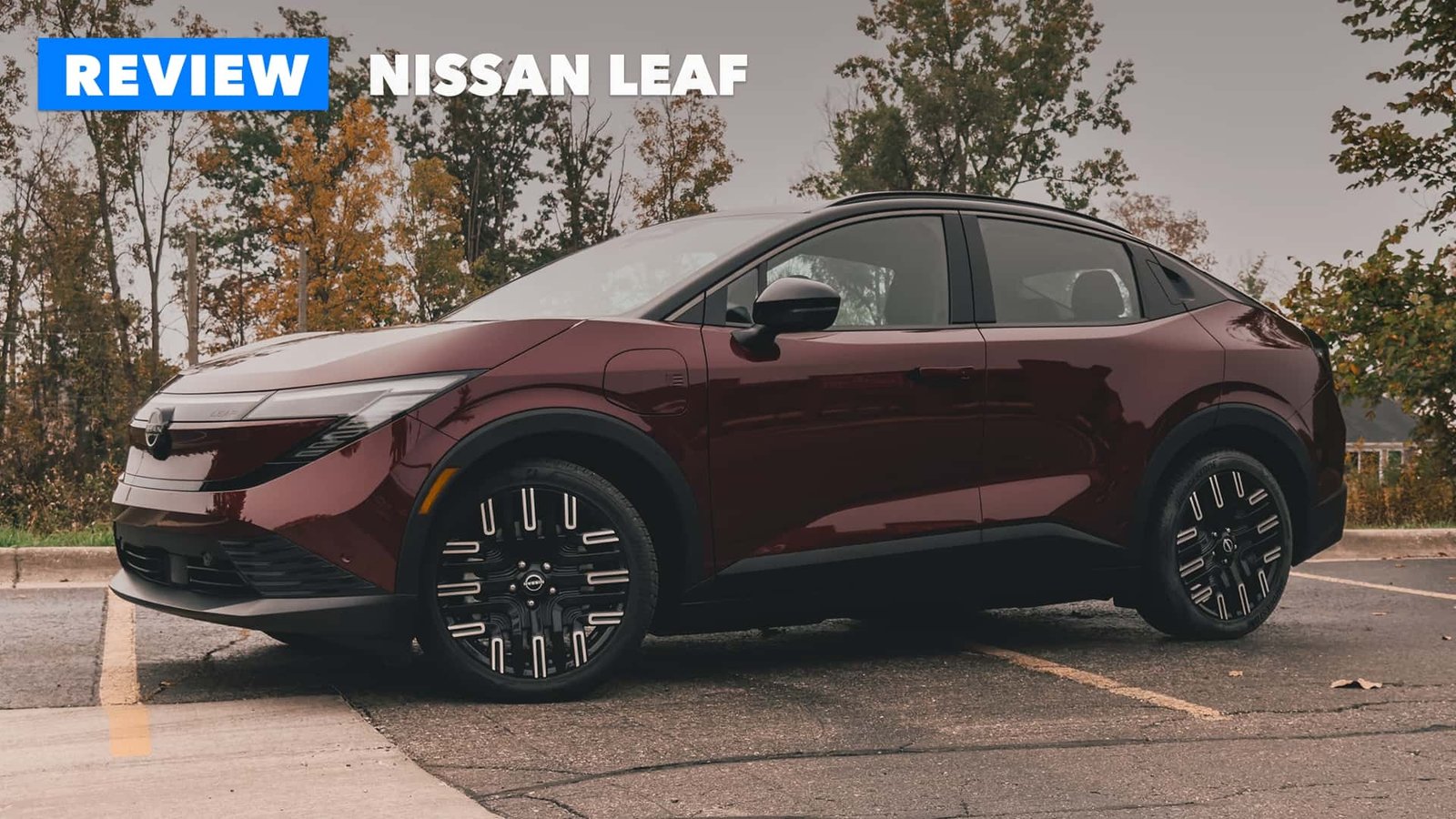
Understanding the 2026 Nissan Leaf Fundamentals
Let’s be honest, electric vehicles can seem intimidating. Terms like kilowatt-hours, charging speeds, and range anxiety often dominate the conversation. But the core concept is simple: electric cars replace gasoline engines with electric motors powered by batteries. The 2026 Nissan Leaf excels by making this transition as smooth as possible. It’s designed to be a user-friendly EV that doesn’t require a PhD in electrical engineering to operate. It’s about getting from point A to point B reliably and efficiently.
Now, why does this matter today? Well, several factors are converging. Firstly, environmental awareness is growing, and people are actively seeking ways to reduce their carbon footprint. Secondly, gasoline prices are unpredictable. Electric vehicles offer a hedge against these fluctuations, providing predictable running costs, especially if you can charge at home. Finally, government incentives and tax credits are making EVs more accessible than ever before. The 2026 Nissan Leaf, with its competitive price point, is perfectly positioned to capitalize on these trends.
Key Benefits and Advantages of the 2026 Leaf
The 2026 Nissan Leaf isn’t just about being electric; it’s about offering tangible benefits to drivers. What are some of the practical advantages you can expect?
- Affordability: With a starting price of around $31,485, the Leaf is one of the most affordable EVs on the market, making it accessible to a wider range of consumers.
- Decent Range: Offering over 300 miles of range on certain models, the 2026 Leaf alleviates range anxiety for most daily commutes and errands. Even the Platinum+ trim, which I test drove, provided a realistic 260 miles of range.
- Fun to Drive: Let’s be honest, some EVs can feel a bit sterile. The Leaf, however, injects some personality into the driving experience with its soft suspension and responsive steering.
- Reduced Running Costs: Electricity is typically cheaper than gasoline, meaning lower fuel costs. Plus, EVs generally require less maintenance than gasoline cars, saving you money on oil changes and other routine services.
- Environmental Friendliness: By driving an EV, you’re reducing your carbon emissions and contributing to cleaner air in your community.
Think of it this way: owning a 2026 Nissan Leaf is like switching from a traditional light bulb to an LED. You get the same functionality – in this case, transportation – but with lower energy consumption and a smaller environmental impact. And honestly, who doesn’t want that?
Implementation Strategies: Making the Switch to Electric
Okay, so you’re intrigued by the 2026 Nissan Leaf. But how do you actually make the switch to electric? It’s not as daunting as it might seem.
Step-by-Step Approach
- Assess Your Needs: How far do you typically drive each day? Do you have access to home charging? Understanding your driving habits will help you determine if the Leaf’s range and charging capabilities are sufficient.
- Explore Charging Options: The most convenient option is home charging. You can install a Level 2 charger for faster charging speeds. Public charging stations are also available, but they can be more expensive and less convenient.
- Research Incentives: Check for federal, state, and local incentives that can help offset the cost of purchasing an EV. These incentives can significantly reduce the overall price.
- Test Drive the Leaf: There’s no substitute for experiencing the car firsthand. Take it for a test drive to see how it handles and whether it meets your needs.
- Plan Your Routes: While the Leaf offers decent range, it’s always a good idea to plan your routes, especially for longer trips. Identify charging stations along the way to avoid range anxiety. Speaking of long trips, it is worth noting that the broken dream for some Venezuelan migrants is that they are turning back to their origin.
Best Practices for EV Ownership
- Charge Regularly: Top off your battery whenever possible to maximize range.
- Optimize Driving Habits: Drive smoothly and avoid aggressive acceleration to conserve energy.
- Use Regenerative Braking: Regenerative braking captures energy during deceleration and sends it back to the battery, increasing efficiency.
- Maintain Your Battery: While EV batteries are designed to last, proper maintenance can extend their lifespan. Follow the manufacturer’s recommendations for charging and storage.
- Stay Informed: Keep up-to-date on the latest EV technology and charging infrastructure developments.

Common Challenges and Solutions for EV Adoption
Let’s be real, transitioning to an EV isn’t always seamless. What are some potential hurdles you might encounter, and how can you overcome them?
- Range Anxiety: The fear of running out of battery can be a major concern for new EV owners. The solution? Plan your routes, charge regularly, and familiarize yourself with public charging options. The 2026 Leaf’s improved range helps alleviate this concern.
- Charging Infrastructure: The availability of public charging stations is still limited in some areas. To address this, advocate for more charging infrastructure in your community and consider installing a home charger.
- Charging Time: Charging an EV can take longer than filling up a gasoline car. However, most charging is done overnight at home, so it’s not usually an issue. Plus, fast-charging technology is constantly improving, reducing charging times.
- Battery Life: Some people worry about the lifespan of EV batteries. However, most manufacturers offer warranties on their batteries, and studies have shown that they typically last for many years.
- Initial Cost: EVs can be more expensive than gasoline cars upfront. However, government incentives and lower running costs can help offset the initial cost.
It’s a bit like switching to energy-efficient appliances. The initial investment might be higher, but the long-term savings and environmental benefits make it worthwhile.
Real-Life Applications and Examples of the Nissan Leaf
How does the 2026 Nissan Leaf perform in real-world scenarios? Let’s look at some concrete examples.
- Daily Commuting: The Leaf is ideal for daily commuting, especially in urban areas. Its compact size makes it easy to maneuver in traffic, and its electric powertrain provides instant torque for quick acceleration.
- Running Errands: The Leaf’s ample cargo space makes it suitable for running errands and hauling groceries. Plus, you can feel good about reducing your emissions while you shop.
- Family Transportation: The Leaf is surprisingly spacious, making it a viable option for families with young children. The rear seats offer plenty of legroom, and the cargo area can accommodate strollers and other baby gear.
- Road Trips: While the Leaf’s range is sufficient for most daily driving, longer road trips require careful planning. Use route planning apps to identify charging stations along the way and factor in charging time.
During my testing of the Platinum+ trim, I started with a 99-percent charge showing 285 miles of range. After a roughly 20-mile drive, I still had about 260 miles remaining and 87 percent battery left. And that’s actually quite surprising, considering I wasn’t even trying to be efficient. This real-world performance demonstrates the Leaf’s practicality for everyday use.
It seems that Salt-N-Pepa’s rock hall rebellion showcases that owning your masters matters more than ever, something that can also be applied to owning an affordable and practical car such as the Nissan Leaf.
Future Outlook and Trends in Electric Vehicles
The electric vehicle market is constantly evolving, with new technologies and models emerging all the time. What does the future hold for EVs like the 2026 Nissan Leaf?
- Increased Range: Battery technology is improving rapidly, leading to longer ranges for EVs. Expect future versions of the Leaf to offer even more range, further reducing range anxiety.
- Faster Charging: Charging technology is also advancing, with faster charging speeds becoming more common. This will make EVs even more convenient for long trips.
- Lower Costs: As battery production scales up, costs are coming down, making EVs more affordable. Expect the price of the Leaf to continue to decrease over time.
- Autonomous Driving: Autonomous driving technology is also being integrated into EVs, making them safer and more convenient to drive.
- Vehicle-to-Grid (V2G) Technology: V2G technology allows EVs to send energy back to the grid, helping to stabilize the power supply and reduce energy costs.
It’s exciting to see how EVs are transforming the automotive landscape. The 2026 Nissan Leaf is at the forefront of this revolution, offering an affordable, practical, and enjoyable way to experience the benefits of electric driving. And, to be fair, it feels like we’re just getting started.
Conclusion: Key Takeaways and Next Steps
The 2026 Nissan Leaf is more than just an electric car; it’s a statement. A statement that says you don’t have to break the bank to drive an EV. A statement that says practicality and enjoyment can coexist. And a statement that says you’re ready to embrace a more sustainable future.
Here are the key takeaways:
- The 2026 Nissan Leaf offers a compelling blend of affordability, range, and driving enjoyment.
- It’s a practical option for daily commuting, running errands, and even family transportation.
- Making the switch to electric requires planning and preparation, but the benefits are well worth it.
- The EV market is constantly evolving, with new technologies and models emerging all the time.
So, what are the next steps? If you’re considering an EV, I encourage you to take the 2026 Nissan Leaf for a test drive. Explore the charging options in your area and research available incentives. The world of EVs is exciting, and now is the perfect time to jump in. What do you think? Are you ready to redefine your basic transportation with the 2026 Nissan Leaf?
Here’s the thing, with the Alpine’s electrifying U-turn, the gas engine stays in the A110 successor race, and the 2026 Nissan Leaf is offering an affordable EV option.