Choosing between the Pixel 11 Pro and Pixel 11 Pro XL requires weighing display size, battery endurance, gaming capability, thermal performance, durability trade-offs, and the $200 price gap against your daily usage patterns. Both devices share Google’s Tensor G6 processor and premium camera system, but critical differences in screen real estate, battery capacity, charging speeds, and thermal management could significantly impact your experience depending on how you use your phone. Google has refined its flagship lineup with a focus on on-device AI and improved connectivity, but several compromises—from RAM downgrades to reduced subscription benefits and durability concerns—demand careful consideration before you commit.
- Same Core Performance: Both models run the Tensor G6 chip on a 2nm architecture, delivering identical CPU and AI processing power
- Display Difference: Pro packs a 6.3-inch screen (3,600 nits, 1-120Hz LTPO), while Pro XL stretches to 6.8 inches with the same panel quality
- Battery & Charging: Pro XL features a 5,115mAh battery with 45W wired charging vs Pro’s 4,850mAh with 30W charging
- Gaming Warning: Tensor G6 GPU scores 7,912 on Geekbench 6 vs 24,611 for Snapdragon 8 Elite Gen 5—serious gamers should look elsewhere
- Durability Concern: Gorilla Glass Victus 2 scratches at Mohs level 6, with deeper grooves at level 7—screen protection recommended
- RAM Configuration: 256GB models include 12GB RAM (down from 16GB on Pixel 10 Pro); 512GB/1TB variants retain 16GB
- Camera Match: Both share identical 50MP main, 48MP ultrawide, and 48MP telephoto cameras with up to 120x Pro Zoom
- Price & Value Downgrades: Pro starts at $1,099 / £1,079, Pro XL at $1,299 / £1,279 — a $200 difference, but both are $100 more than Pixel 10 with Gemini Pro subscription cut from 12 to 6 months
- Thermal Edge: Pro XL’s larger chassis offers better heat dissipation during extended gaming and 4K video recording
- HiLight Feature: Both Pro models include the ambient LED notification system on the camera bar
With a $200 price gap separating the two, understanding exactly what you’re getting for that extra investment is essential. The Pixel 11 Pro and Pixel 11 Pro XL share Google’s vision for what a flagship should be—but they serve different types of users with distinct priorities. Below, we break down every critical difference, including real-world battery data, thermal performance comparisons, and durability findings that most reviews overlook.
For official specifications and pricing, visit Google Store and GSMArena’s Pixel 11 Pro page for comprehensive technical data.
Display and Design: Size, Portability, and Durability Trade-Offs
The most obvious difference between the Pixel 11 Pro and Pixel 11 Pro XL is the display size. The Pixel 11 Pro features a compact 6.3-inch Super Actua LTPO OLED panel with a resolution of 1,280 x 2,856 pixels, while the Pixel 11 Pro XL stretches to a generous 6.8-inch display at 1,344 x 2,992 resolution. Both screens support a dynamic 1-120Hz refresh rate and peak at an impressive 3,600 nits brightness, making them among the brightest displays available on any smartphone.
The physical dimensions reflect this difference. The Pixel 11 Pro measures 152.7 x 71.9 x 8.4mm and weighs 204g, while the Pro XL is noticeably larger at 162.7 x 76.5 x 8.5mm and 226g. For users who value one-handed operation and pocket-friendly portability, the Pixel 11 Pro is the clear winner. It fits comfortably in the palm and can be operated with a single hand—a rarity among modern flagship devices. The Pro XL, by contrast, is a two-handed device that demands more pocket space but rewards users with a more immersive viewing experience for media consumption, gaming, and productivity tasks.
Both models feature Corning Gorilla Glass Victus 2 protection and IP68 dust and water resistance. However, independent durability tests reveal a critical concern: the Victus 2 glass scratches at Mohs hardness level 6, with deeper grooves appearing at level 7. This means the display is more susceptible to visible scratches from everyday debris like sand or keys than previous generations. A screen protector is strongly recommended for both models to maintain resale value and visual clarity.
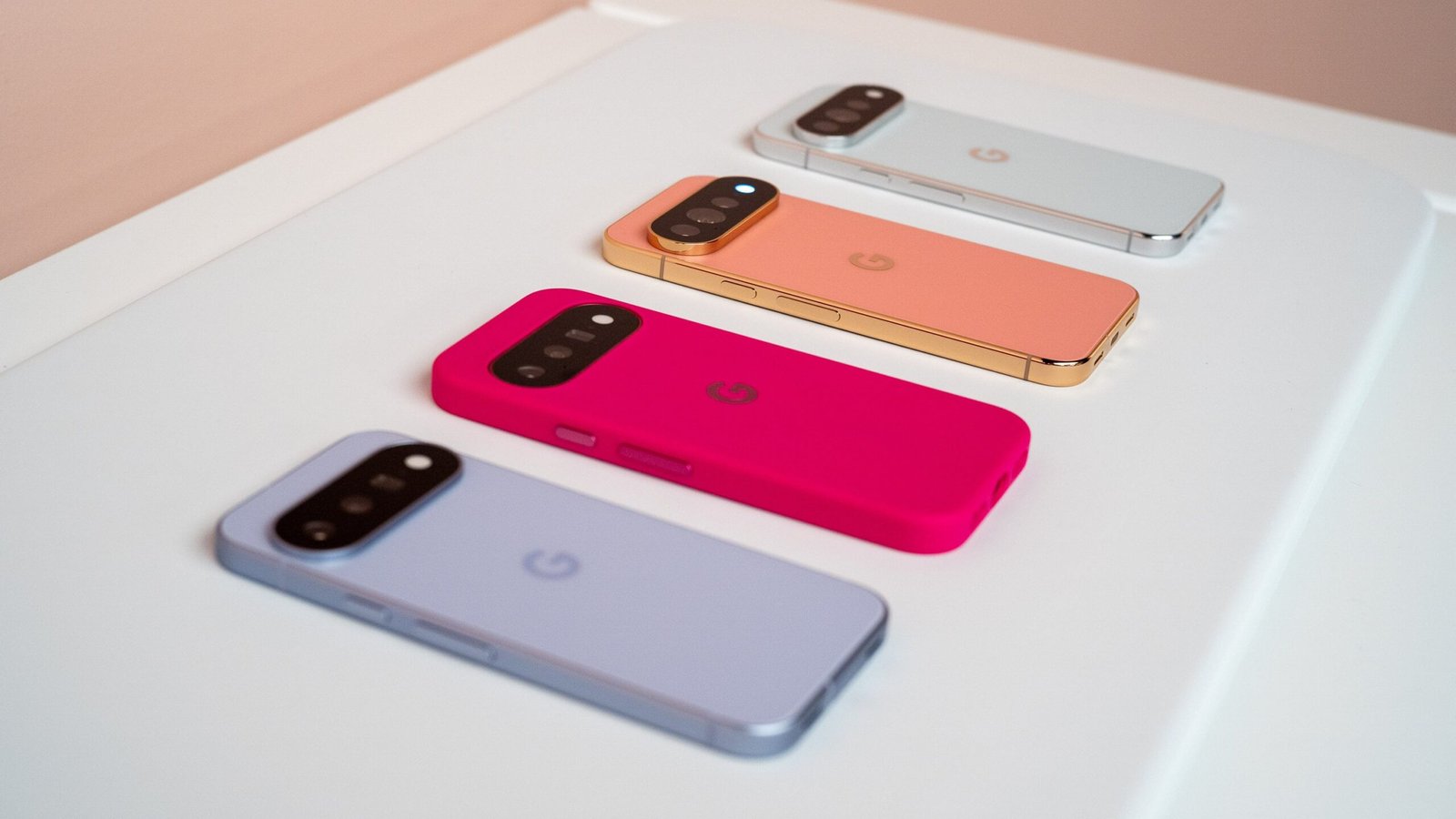
Google’s new HiLight notification system—an ambient LED array integrated into the camera bar—provides color-coded visual cues for calls and notifications when the phone is face down. Available colors include Canyon, Olive, Fog, and Obsidian for both Pro models, with the Obsidian variant featuring a matte finish that reduces fingerprints.
One design nuance worth noting: the standard Pixel 11 features a 40% slimmer camera cutout that sits flush with the back when paired with a case, while the Pro models retain a slightly more prominent camera bump to accommodate the larger sensors. This is a minor aesthetic difference, but it may appeal to users who prefer a sleeker, flatter back profile.
Performance and Hardware: The Gaming Caveat You Need to Know
Both the Pixel 11 Pro and Pixel 11 Pro XL are powered by Google’s custom Tensor G6 processor, built on a highly efficient 2nm architecture. This chip represents Google’s continued shift toward prioritizing on-device AI performance over raw gaming or graphics horsepower. According to Google, the Tensor G6 delivers a 50% boost in TPU (Tensor Processing Unit) performance compared to the Tensor G5, along with up to 20% improved CPU power efficiency.
In daily use—scrolling through social media, multitasking between apps, editing photos, or using Gemini AI features—both phones perform flawlessly. However, a critical caveat emerges for mobile gamers: the Tensor G6’s GPU performance lags significantly behind competing chipsets. Benchmark tests show the Pixel 11 Pro XL scoring 7,912 on Geekbench 6’s GPU test compared to 24,611 for the Galaxy S26 Ultra’s Snapdragon 8 Elite Gen 5. In real-world gaming, this translates to noticeably lower frame rates in graphically intensive titles like Genshin Impact and Call of Duty Mobile, with some reviewers describing the gaming experience as “one of the worst things” they’ve seen on a $1,000+ device.
Google is transparent about this trade-off: the company is optimizing for AI and computational photography, not mobile gaming. If gaming is a primary use case, the Pixel 11 Pro lineup may not be the right choice. For productivity, AI tasks, and everyday performance, however, the Tensor G6 delivers a smooth, responsive experience.
The thermal management difference between the two models is another factor worth considering. The Pixel 11 Pro XL’s larger chassis provides more surface area for heat dissipation, which can be beneficial during extended gaming sessions, 4K video recording, or intensive AI workloads. While both devices include advanced vapor chamber cooling, the Pro XL’s physical size advantage gives it a slight edge in sustained performance under heavy loads.
The memory configurations require careful attention. The base Pixel 11 Pro and Pro XL (256GB storage) both come with 12GB of RAM—a reduction from last year’s 16GB baseline across all models. This downgrade is attributed to rising RAM costs driven by the global AI boom, which have made components more expensive for all consumer tech manufacturers. However, if you opt for the 512GB or 1TB storage variants, both models include 16GB of RAM, restoring the higher memory capacity for power users who need it for intensive multitasking or local AI workloads.
Google has also upgraded connectivity hardware with a new MediaTek M90 modem and Wi-Fi 7 support on both Pro models, promising more reliable cellular connections and faster wireless data transfers. Early testing suggests the modem improvements are incremental—some reviewers note dropped calls in the same areas as previous Pixels—but the upgrade is a step in the right direction.
Both devices include 256GB baseline storage (no 128GB option this year), with upgrade options to 512GB and 1TB depending on the market. Google promises seven years of OS, security, and Pixel Drop updates, ensuring both devices will stay current through 2033.
Battery Life and Charging: Real-World Endurance Tested
This is where the Pixel 11 Pro XL earns its premium. The Pro XL packs a 5,115mAh battery, significantly larger than the 4,850mAh cell in the Pixel 11 Pro. Independent testing reveals concrete real-world differences: the Pro XL delivers approximately 12 hours and 45 minutes of continuous web browsing or video playback, while the Pro manages around 11 hours and 20 minutes under identical conditions. For heavy users who frequently navigate, stream, or photograph throughout the day, the Pro XL’s extra battery headroom provides meaningful peace of mind.
Charging speeds are another differentiator. The Pixel 11 Pro XL supports 45W wired charging, capable of reaching 75% charge in approximately 30 minutes. The Pixel 11 battery in the standard Pro, by contrast, supports 30W wired charging, reaching about 55% in the same timeframe. Both models support 25W Qi2 wireless charging, but the XL’s faster wired speeds are a significant advantage for users who need quick top-ups during the day.
Notably, both models feature slightly smaller batteries than their Pixel 10 predecessors, and charging speeds have been adjusted downward in some configurations. This has drawn criticism from reviewers who expected battery improvements year-over-year, but the efficiency gains from the 2nm Tensor G6 chip help mitigate the capacity reduction.
For users who spend significant time on their phone—whether for work, entertainment, or navigation—the Pro XL’s extra battery endurance and faster charging justify much of the $200 premium. For lighter users, the Pro’s battery performance remains more than adequate for a full day of typical use.
Camera Systems: Identical Premium Optics on Both Models
For photography enthusiasts, this is the most welcome news: the Pixel 11 Pro and Pixel 11 Pro XL share identical camera hardware and software features. There’s no compromise in camera quality if you choose the smaller Pro model.
The camera setup includes:
- Main sensor: 50MP wide-angle (f/1.68) with improved light sensitivity and larger sensor size
- Ultrawide sensor: 48MP (f/1.7) with expanded field of view
- Telephoto sensor: 48MP periscope lens with 5x optical zoom and up to 120x Super Res Zoom
- Front camera: 42MP (f/2.2) with autofocus for sharp selfies and video calls
Both models support Pro camera controls, allowing manual adjustment of ISO, shutter speed, focus, and white balance—a significant upgrade for mobile photographers who want creative control. Google’s computational photography shines with new features including Magic Capture (AI selects the best still frames from video clips), Camera Looks (apply unique analog film styles), and improved Night Sight for low-light shots.
Video recording capabilities include 4K and 8K options, though the 8K output is primarily intended for external displays since the Pixel screen doesn’t support 4K resolution. Reviewers have noted some issues with video quality at default Full HD settings, including washed-out colors and jerky zoom transitions between lenses—a reminder that while Google excels at still photography, video performance still trails Apple’s iPhone.
Regardless of which Pro model you choose, you’re getting the best camera system Google offers in 2026, with consistent results across both form factors.
Pricing and Value: What You’re Really Paying For
Price is a critical factor in the decision. The Pixel 11 Pro starts at $1,099 / £1,079 for the 256GB/12GB configuration, while the Pixel 11 Pro XL starts at $1,299 / £1,279 for the same memory configuration. The $200 premium for the Pro XL covers the larger display, bigger battery, faster charging, additional thermal capacity, and physical size.
However, the value proposition requires critical perspective. Both models see a $100 price increase over their Pixel 10 predecessors, largely driven by the elimination of the 128GB storage tier and rising component costs. More significantly, the base Pro models now come with less RAM (12GB vs. 16GB on the Pixel 10 Pro), which has frustrated many reviewers and power users. To restore the 16GB RAM capacity, you must upgrade to 512GB storage, adding $120 / £120 to the price—bringing the total to $1,219 / £1,199 for the Pro or $1,419 / £1,399 for the Pro XL.
Google also reduced the included Gemini Pro subscription from one year to six months for Pixel 11 buyers—another value downgrade that affects the overall proposition for AI-heavy users. These cumulative reductions in value should factor into your decision, especially if you’re upgrading from a recent Pixel model.
When comparing value, consider your actual usage patterns. If you primarily use your phone for messaging, social media, and occasional photography, the Pixel 11 Pro offers better value at the lower price point. If you’re a power user who streams video, edits documents, plays games, or relies on your phone for extended navigation and communication, the Pro XL’s larger display, battery endurance, and thermal advantages justify the $200 premium.
Side-by-Side Comparison: Pixel 11 Pro vs Pro XL Specs
| Feature | Pixel 11 Pro | Pixel 11 Pro XL |
|---|---|---|
| Display Size | 6.3-inch Super Actua LTPO OLED | 6.8-inch Super Actua LTPO OLED |
| Resolution | 1,280 x 2,856 pixels | 1,344 x 2,992 pixels |
| Brightness (Peak) | 3,600 nits | 3,600 nits |
| Refresh Rate | 1-120Hz LTPO | 1-120Hz LTPO |
| Dimensions | 152.7 x 71.9 x 8.4mm | 162.7 x 76.5 x 8.5mm |
| Weight | 204g | 226g |
| Battery Capacity | 4,850mAh | 5,115mAh |
| Wired Charging | 30W | 45W |
| Wireless Charging | 25W Qi2 | 25W Qi2 |
| RAM (256GB model) | 12GB | 12GB |
| RAM (512GB/1TB model) | 16GB | 16GB |
| Storage Options | 256GB / 512GB / 1TB | 256GB / 512GB / 1TB |
| Main Camera | 50MP (f/1.68) | 50MP (f/1.68) |
| Ultrawide Camera | 48MP (f/1.7) | 48MP (f/1.7) |
| Telephoto Camera | 48MP periscope, 5x optical, 120x digital | 48MP periscope, 5x optical, 120x digital |
| Front Camera | 42MP (f/2.2) | 42MP (f/2.2) |
| Processor | Tensor G6 (2nm) | Tensor G6 (2nm) |
| GPU Score (Geekbench 6) | ~7,900 | ~7,900 |
| Thermal Management | Vapor chamber (smaller) | Enhanced vapor chamber (larger chassis) |
| Durability | Gorilla Glass Victus 2, IP68 | Gorilla Glass Victus 2, IP68 |
| HiLight Notification | Yes | Yes |
| Starting Price | $1,099 / £1,079 | $1,299 / £1,279 |
Final Verdict: Which Pixel Should You Buy?
Google has made the decision surprisingly straightforward by ensuring the core experience—camera quality, AI capabilities, and processor performance—remains identical across both Pro models. Your choice ultimately depends on how you use your phone, your physical preferences, and your tolerance for the value downgrades introduced in this generation.
Choose the Pixel 11 Pro if:
- You prioritize one-handed usability and pocket-friendly portability
- You’re content with the 6.3-inch display for media consumption and daily tasks
- You don’t need the extra battery endurance or faster 45W charging
- You want to save $200 while retaining identical camera and AI capabilities
- You’re not a heavy mobile gamer and can accept the Tensor G6’s GPU limitations
Choose the Pixel 11 Pro XL if:
- You value a larger, more immersive display for video, gaming, or productivity
- You frequently use your phone for extended periods and need the larger battery
- You want the fastest charging speed available in the lineup
- You’re willing to pay the $200 premium for extra screen real estate, endurance, and superior thermal dissipation
- You plan to use your phone for intensive tasks that benefit from sustained performance
Important caveats for both models:
- If mobile gaming is a primary use case, consider alternatives with Snapdragon chipsets
- Invest in a screen protector due to the Mohs level 6 scratch vulnerability
- Upgrade to the 512GB variant if you need 16GB RAM for intensive multitasking
- Factor in the $100 price hike and reduced Gemini Pro subscription when comparing value
Google has finally delivered a generation where the “Pro” label means true flagship quality regardless of which size you choose. The Pixel 11 Pro and Pro XL represent Google’s most refined smartphones to date, offering a mature, consistent experience that addresses many of the hardware shortcomings that plagued earlier Pixels.
While both models share the same camera system and core performance, the Pro XL’s larger display, battery endurance, thermal capacity, and faster charging give it a clear edge for users who prioritize endurance and immersion. For everyone else, the Pixel 11 Pro offers the same premium experience in a more manageable, affordable package. As one reviewer put it, the Pixel 11 Pro is “the most compelling compact flagship on the market” because it delivers uncompromised performance without forcing users into an uncomfortably large footprint.
Whichever you choose, you’re getting Google’s best—but the right choice depends entirely on your priorities, tolerance for compromises, and willingness to pay for the extra screen and battery that the XL provides.