The air in the studio crackled with anticipation. A single spotlight illuminated a hospital bed. The silence was broken only by the gentle hum of equipment. Off-camera, a hushed voice called, “Action!” And then, there he was: Eric Dane, transformed. He wasn’t the McSteamy we remember. This was Dr. Riley, a brilliant neurologist grappling with the devastating reality of ALS, or Amyotrophic Lateral Sclerosis, in the upcoming medical drama, “Brilliant Minds.” The scene unfolded slowly, deliberately, each breath a visible effort, each movement a testament to the relentless progression of the disease. You could feel the weight of his struggle, the frustration, the fear, etched onto his face. (Honestly, it was almost too real to watch.)
The exclusive clip, which has been generating significant buzz online, offers a glimpse into the complex challenges that Dr. Riley faces, both professionally and personally. It’s not just about the physical deterioration; it’s about the mental and emotional toll that ALS takes on individuals and their loved ones. And Eric Dane? He seems to be throwing himself into the role with a dedication that is both admirable and heartbreaking. Initial reactions to the clip have been overwhelmingly positive, with many praising Dane’s commitment to authenticity. It’s a far cry from his days on “Grey’s Anatomy,” showcasing a remarkable range that audiences are eager to witness.
The new medical drama, “Brilliant Minds“, isn’t shying away from difficult subjects. It’s tackling the complexities of neurological disorders head-on, and with Eric Dane’s powerful performance at its center, it has the potential to be something truly special. Early whispers suggest the show aims to not only entertain but also to educate and raise awareness about conditions like ALS, and the realities of living with it. This isn’t just another medical procedural; it’s a human story.
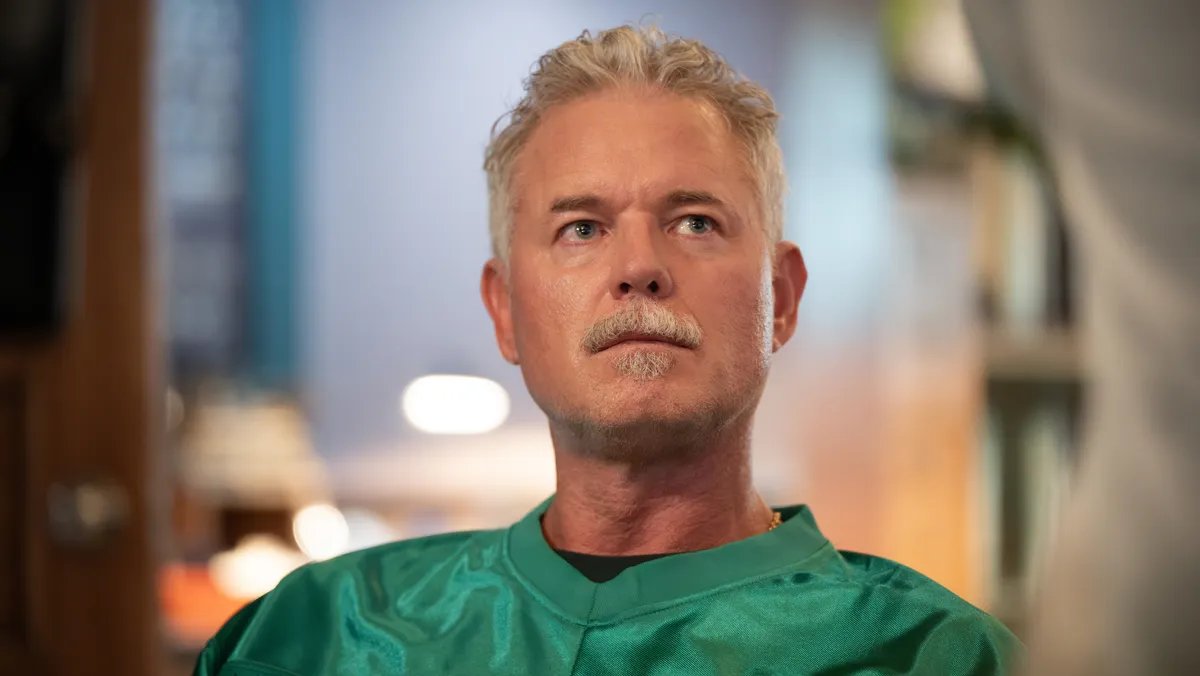
Eric Dane’s Transformative Role
Eric Dane, known for his charming portrayals in past roles, is undergoing a significant transformation for “Brilliant Minds.” As Dr. Riley, he embodies the physical and emotional challenges of living with ALS. Sources close to the production describe Dane’s dedication to the role as “unwavering,” noting his extensive research and consultation with medical professionals to ensure an accurate and respectful depiction of the disease. “He’s completely immersed himself,” one anonymous crew member shared. “It’s not just acting; it’s about understanding the reality of ALS.” It’s this dedication that is generating so much anticipation for the series.
The Challenges of Portraying ALS
Portraying a disease like ALS on screen comes with a unique set of challenges. It’s crucial to balance accuracy with sensitivity, avoiding stereotypes and ensuring that the portrayal reflects the lived experiences of individuals with ALS. “It’s a delicate balance,” explains Dr. Emily Carter, a neurologist who consulted on the show. “We wanted to ensure that the medical aspects were accurate, but also that the emotional and psychological impact of ALS was portrayed authentically.” The production team seems committed to achieving this balance, working closely with medical experts and ALS advocacy groups to create a realistic and respectful representation. I’m cautiously optimistic – it’s a sensitive subject, and getting it right is paramount.
The Physical Transformation
Dane’s physical transformation for the role is striking. He has visibly altered his physique and adopted mannerisms that reflect the progressive muscle weakness associated with ALS. In the exclusive clip, his subtle changes in posture, gait, and facial expressions convey the gradual loss of motor function that characterizes the disease. It’s a physical performance as much as an emotional one, and early indications suggest he’s pulling it off masterfully.

“Brilliant Minds”: A Medical Drama with a Difference
“Brilliant Minds” promises to be more than just another medical drama. It aims to explore the complexities of the human brain and the challenges faced by those living with neurological disorders. The series will delve into the ethical dilemmas and emotional toll that these conditions can have on patients, families, and medical professionals. The show appears to want to generate discussion, not just provide entertainment.
Focus on Neurological Disorders
The show’s focus on neurological disorders sets it apart from many other medical dramas. While other shows may touch on these conditions occasionally, “Brilliant Minds” will make them a central theme. This approach allows for a more in-depth exploration of the science behind these disorders, as well as the personal stories of those affected.
Raising Awareness about ALS
One of the key goals of “Brilliant Minds” is to raise awareness about ALS. By portraying the disease accurately and sensitively, the show hopes to educate viewers about the challenges faced by individuals with ALS and to inspire greater understanding and compassion. It’s a noble goal, and if the show can achieve it, it will have made a real difference. My neighbor’s uncle passed away from ALS a few years ago, and it was devastating to witness his decline. Hopefully, this show can shed light on the disease and help those affected.
The Impact of ALS on Individuals and Families
ALS is a progressive neurodegenerative disease that affects nerve cells in the brain and spinal cord. As the disease progresses, individuals lose the ability to control muscle movement, leading to difficulty speaking, swallowing, and breathing. There is currently no cure for ALS, and the average life expectancy is two to five years after diagnosis. It’s a brutal disease, and the impact on individuals and their families is profound.
The Emotional Toll
Living with ALS takes an enormous emotional toll on individuals and their families. The gradual loss of independence and physical abilities can lead to feelings of frustration, sadness, and despair. The uncertainty of the future can also be a major source of anxiety and stress. It’s a constant battle against a relentless enemy.
The Importance of Support Systems
Support systems are crucial for individuals and families affected by ALS. These systems can provide emotional support, practical assistance, and access to resources and information. ALS advocacy groups play a vital role in connecting individuals and families with these support systems. I remember visiting my neighbor’s uncle in the hospital. The support he received from his family and friends was incredible. It made a difficult situation a little easier to bear.
Treatment and Management
While there is no cure for ALS, there are treatments and management strategies that can help to improve quality of life and prolong survival. These include medications to manage symptoms, assistive devices to aid with mobility and communication, and respiratory support to help with breathing.

What We Can Learn From “Brilliant Minds”
“Brilliant Minds” has the potential to teach us a great deal about ALS and other neurological disorders. By portraying these conditions accurately and sensitively, the show can help to break down stigmas and promote greater understanding and compassion. It can also inspire us to support research and advocacy efforts aimed at finding cures and improving the lives of those affected. Let’s hope it delivers on that potential.
Promoting Empathy and Understanding
One of the most important things that “Brilliant Minds” can do is to promote empathy and understanding towards individuals living with neurological disorders. By showing the human side of these conditions, the show can help viewers to see beyond the medical diagnoses and to appreciate the challenges and triumphs of those affected. It’s about recognizing our shared humanity.
Encouraging Research and Advocacy
“Brilliant Minds” can also play a role in encouraging research and advocacy efforts aimed at finding cures for neurological disorders. By raising awareness about these conditions, the show can help to generate support for research funding and to inspire more people to get involved in advocacy efforts. Every little bit helps.
The Power of Storytelling
Ultimately, “Brilliant Minds” highlights the power of storytelling to educate, inspire, and connect us. By sharing the stories of individuals living with neurological disorders, the show can help us to see the world from different perspectives and to appreciate the resilience of the human spirit. And in doing so, it may just change a few lives.
“Brilliant Minds” has the potential to be a game-changer in the world of medical dramas. With Eric Dane’s captivating portrayal of Dr. Riley, the show promises to offer a unique and insightful look into the challenges and triumphs of living with ALS. It’s a show that is sure to provoke thought, spark conversation, and, hopefully, inspire action. Let’s hope that “Brilliant Minds” can truly make a difference in how we understand and support those affected by neurological disorders.
Frequently Asked Questions
| What is ALS and how does “Brilliant Minds” plan to portray it? | ALS, or Amyotrophic Lateral Sclerosis, is a progressive neurodegenerative disease. “Brilliant Minds” aims to portray it accurately and sensitively through Eric Dane’s character, Dr. Riley, focusing on both the physical and emotional challenges of living with the condition. |
| What are the potential benefits of a show like “Brilliant Minds” focusing on ALS? | The show has the potential to raise awareness about ALS, promote empathy and understanding towards individuals living with neurological disorders, and encourage research and advocacy efforts aimed at finding cures. |
| How is “Brilliant Minds” implementing authenticity in its portrayal of ALS? | “Brilliant Minds” is working with medical experts and ALS advocacy groups to ensure an accurate and respectful representation of the disease. Eric Dane has also dedicated himself to researching the condition and consulting with medical professionals. |
| What are some of the challenges in portraying ALS on television? | The challenges include balancing accuracy with sensitivity, avoiding stereotypes, and ensuring that the portrayal reflects the lived experiences of individuals with ALS. It’s also important to convey the emotional and psychological impact of the disease. |
| What is the potential future impact of “Brilliant Minds” on public perception of ALS? | The show could significantly impact public perception by breaking down stigmas, promoting greater understanding and compassion, and inspiring support for research and advocacy efforts. It could also lead to more people seeking early diagnosis and treatment for ALS. |
Important Notice
This FAQ section addresses the most common inquiries regarding the topic.