Cowboys’ Quinnen Williams Trade: A Masterclass in NFL Strategy?
Honestly, when the news broke about the Dallas Cowboys’ acquisition of defensive tackle Quinnen Williams, I couldn’t help but think, “Did Jerry Jones just pull a rabbit out of a hat again?” You know, the NFL trade deadline is usually a time for minor tweaks and last-minute desperation moves, but this was different. This wasn’t just a tweak; it was a seismic shift, a move that immediately got everyone talking. Was it a stroke of genius, or a colossal gamble that could backfire spectacularly? If you’re like most people, you’ve probably heard the chatter, the debates raging across sports shows and social media. This article isn’t just about the trade itself; it’s about understanding the high-stakes chess game being played, the motivations behind such an audacious move, and what it truly means for the Cowboys and the broader NFL landscape. We’re going to dive deep, peel back the layers, and give you a complete guide to understanding this “insane” Quinnen Williams trade.
Understanding the Fundamentals of the Quinnen Williams Trade
Let’s be honest, the 2025 NFL trade deadline was an absolute whirlwind, and right in the eye of that storm was Jerry Jones. The buzz around the league was palpable, especially after the New York Jets decided to part ways with two of their biggest stars. First, star cornerback Sauce Gardner headed to the Indianapolis Colts, which was a shocker in itself. But then, the real bombshell dropped: defensive tackle Quinnen Williams was traded to the Dallas Cowboys. Talk about a headline grabber!
Now, for anyone wondering about the specifics, here’s what you should know. The Cowboys sent a hefty package to the Jets: a 2027 first-round pick, a 2026 second-round pick, and promising young defensive lineman Mazi Smith. In return, they got Quinnen Williams, a dominant interior force. Believe it or not, the magnitude of this deal immediately drew comparisons to another blockbuster trade the Cowboys made earlier, the one that sent Micah Parsons to the Green Bay Packers. That move, if you recall, brought Dallas two first-round picks (in 2026 and 2027) and veteran defensive lineman Kenny Clark. It’s amazing how quickly things can change in the NFL, isn’t it?
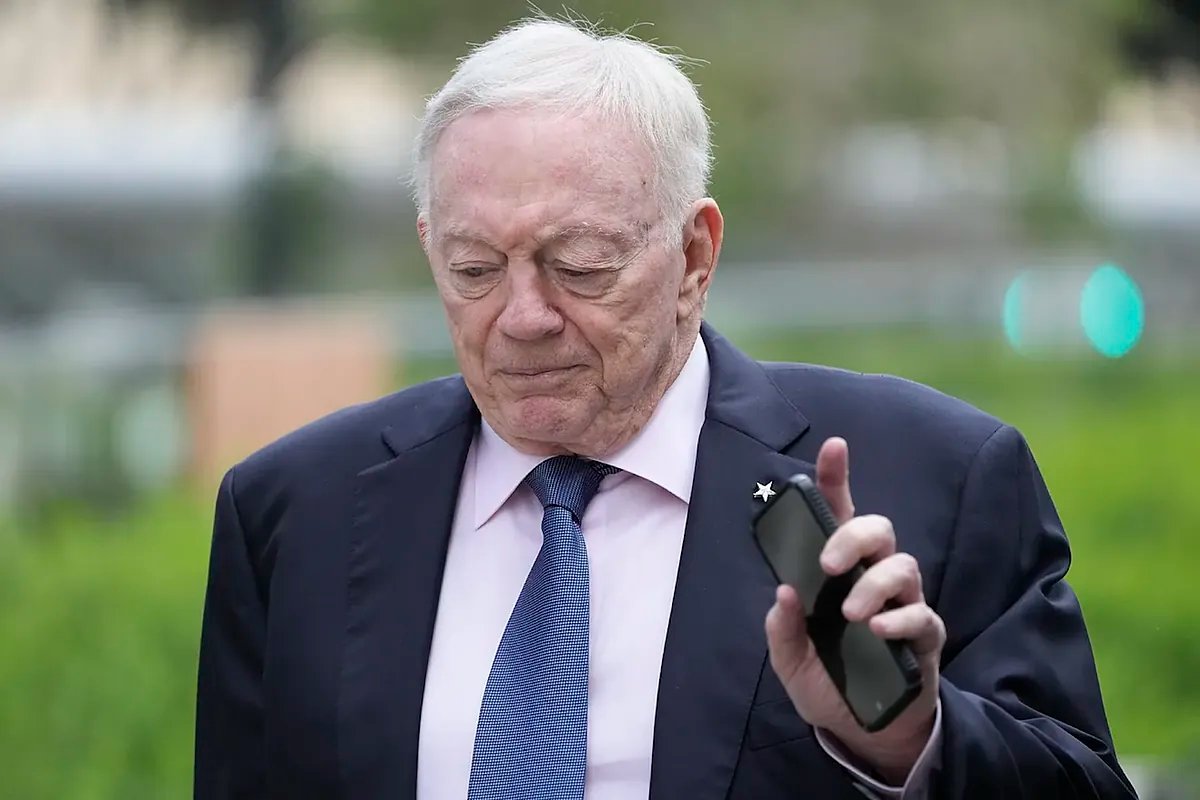
Some people believe that giving up so much for Williams, especially after the haul for Parsons, might be an overreach. Parsons, after all, is a Defensive Player of the Year candidate, a true game-wrecker. Quinnen Williams is undeniably elite at his position, but does his impact truly match Parsons’? That’s the million-dollar question, isn’t it? From my experience, evaluating these types of trades isn’t just about individual player talent; it’s about fit, team needs, and the overall strategic vision. The truth is, Jerry Jones’s aggressive approach to this Quinnen Williams trade signals one thing very clearly: the Cowboys are in “win-now” mode, and they’re not afraid to put all their chips on the table.
Why this topic matters today, more than ever, is because it highlights the shifting dynamics of NFL team building. Gone are the days when teams would solely rely on the draft to build their core. Now, the trade market is a vibrant, often chaotic, arena where fortunes are made and lost. This particular Quinnen Williams trade is a prime example of a franchise making a bold, calculated risk to address a specific need and push for immediate contention. It’s a fascinating look into the mind of a seasoned owner who understands that sometimes, you have to spend big to get big results, especially when the Super Bowl window feels wide open.
Key Benefits and Advantages for the Dallas Cowboys
So, what exactly are the practical benefits the Cowboys can expect from bringing Quinnen Williams into the fold? Well, personally speaking, the advantages are pretty clear, especially if you’ve been watching the Cowboys’ defense closely over the last few seasons. The primary benefit, of course, is the immediate and significant upgrade to their defensive line. Williams isn’t just a good player; he’s a disruptive force, a true game-wrecker in the interior. Think of him as the anchor that can hold the entire defensive line together, creating opportunities for everyone around him.
One of the biggest real-world applications of this high-profile trade for a dominant defensive player is the impact on the Cowboys’ run defense. For years, Dallas has struggled with stopping the run consistently. With Williams, they get a player who excels at clogging running lanes, shedding blockers, and making tackles for loss. This isn’t just about statistics; it’s about changing the entire dynamic of how opposing offenses approach the Cowboys. Teams won’t be able to just run straight at them anymore, which, let’s be honest, is a huge relief for any Cowboys fan.
Plus, his presence will undoubtedly free up other key defensive players, most notably Micah Parsons. Imagine this: Williams demands double teams from offensive linemen, which means Parsons will face fewer blockers and have more one-on-one opportunities to rush the passer. It’s like having a master key that unlocks the full potential of your best pass rusher. This synergy is incredibly valuable. It’s not just about one player; it’s about how that one player elevates the entire unit, creating a ripple effect that benefits the entire defense. It feels like a carefully engineered upgrade, much like when an automotive giant enhances its core engine for superior output. Speaking of which, the commitment to such high-performance engineering reminds me of the innovations seen in Toyota’s new V8 engines, pushing boundaries for more than just supercar dreams, but also for robust, consistent performance.
Beyond the on-field benefits, this Quinnen Williams trade also sends a powerful signal to the rest of the league. It tells everyone that Jerry Jones and the Cowboys are serious contenders. This isn’t a team content with just making the playoffs; this is a team aiming for the Super Bowl. That kind of commitment can be infectious, boosting morale within the locker room and attracting other free agents down the line. It’s a statement, a declaration of intent that can galvanize a franchise. And frankly, who doesn’t want to see their favorite team go all-in when the opportunity arises?
Implementation Strategies for Integrating Quinnen Williams
Okay, so the Cowboys have their shiny new toy in Quinnen Williams. Now what? The truth is, acquiring a player of his caliber is just the first step. The real magic happens in how you integrate him into your existing system, especially one as well-coached as Dan Quinn’s defense. This isn’t just about lining him up and letting him go; it’s about optimizing his strengths while minimizing any potential disruption. It’s a delicate balance, much like fine-tuning a high-performance machine. You want to ensure every component works in perfect harmony, a philosophy often applied to developing top-tier luxury vehicles, considering the future of Lexus performance and its F models, where every detail matters for peak output.
Step-by-Step Approach
First and foremost, the coaching staff will need to clearly define Williams’ role. While he’s primarily a disruptive interior defensive lineman, how will he be used in different packages? Will he be a pure run-stopper on early downs, or will he be unleashed as an interior pass-rusher on obvious passing situations? My expectation is that Quinn will get creative, using Williams’ versatility to his advantage. This might involve shifting other defensive linemen around, or even altering some of the blitz packages to maximize the pressure he can create up the middle.
Next, there’s the crucial aspect of team chemistry. Williams is a strong personality and a proven leader, but he’s joining a locker room that already has its established dynamics. Integrating him smoothly will require open communication from both the coaching staff and the veteran players. It’s not just about X’s and O’s; it’s about building relationships and ensuring everyone feels valued. From my experience, a successful integration often involves early team meetings, one-on-one sessions with key players, and even social events to help the new player bond with his teammates. You want him to feel like he’s been there all along, not just a hired gun.
Best Practices for Maximizing Impact
When it comes to best practices, leveraging Williams’ unique skill set is paramount. This means understanding his preferred techniques, his strengths against different types of blockers, and how he best generates pressure. Coaches should be studying his tape from the Jets, looking for tendencies and moves that have consistently worked for him. Then, they can build game plans around those strengths, giving him the best chance to succeed.
Another best practice is to manage expectations, both internally and externally. While Williams is a fantastic player, he’s not a magic bullet that will solve every defensive problem overnight. There will be an adjustment period, and it’s important for everyone to understand that. Plus, continuous communication with Williams himself is key. Regular check-ins, feedback sessions, and making sure he feels comfortable expressing his thoughts and concerns will go a long way in ensuring a seamless transition. At the end of the day, it’s about creating an environment where a player of his caliber can truly thrive and elevate the performance of the entire unit.
Common Challenges and Practical Solutions
Now, let’s talk about the elephant in the room. While the Quinnen Williams trade is exciting, it’s not without its potential pitfalls. Every high-stakes move carries risks, and it’s important to acknowledge them. One of the most obvious challenges is the sheer amount of draft capital the Cowboys surrendered. Giving up a first-round and a second-round pick, plus a young player like Mazi Smith, means fewer resources for future team building. What if those picks turn into Pro Bowlers for the Jets? It’s a thought that keeps many GMs up at night. However, the solution here lies in the “win-now” mentality. The Cowboys believe they have a Super Bowl window open right now, and sometimes, you have to sacrifice future assets for immediate contention. It’s a calculated risk, but a risk nonetheless.
Another challenge is the immense pressure on Quinnen Williams to perform. When you’re acquired in a blockbuster trade like this, the spotlight is intensely bright. Every single play, every snap, will be scrutinized. Fans, analysts, and even teammates will expect him to be a game-changer from day one. If he doesn’t immediately live up to those sky-high expectations, it could lead to frustration. The practical solution here involves strong leadership from the coaching staff and veteran players. They need to manage the narrative, emphasize teamwork, and remind everyone that football is a collective effort. Also, giving Williams the support system he needs off the field can help him manage the mental demands of such a high-profile move.
Then there’s the potential for team chemistry disruption. Anytime you bring in a new, high-paid player, there’s a chance it could upset the locker room balance. Other players might feel overlooked, or wonder about their own roles. It’s frustrating to see internal issues derail a promising season. The key to overcoming this is transparent communication. The coaching staff needs to clearly explain the rationale behind the trade and how Williams fits into the overall scheme. Plus, establishing clear performance incentives and ensuring fair compensation for existing players can help mitigate any resentment. Trust me, a unified locker room is far more powerful than a collection of individual talents, no matter how good they are.
Finally, there are the contract implications. Williams commands a significant salary, and adding him to the payroll impacts the Cowboys’ salary cap flexibility in the coming years. This could make it harder to retain other key players or sign new free agents. The solution here requires shrewd financial management. The front office will need to be creative with contract restructures, extensions, and potentially making tough decisions on other players. It’s a constant balancing act, but one that every successful NFL franchise must master to sustain long-term competitiveness.
Real-Life Applications and Examples of Impact
So, how does this Quinnen Williams trade actually translate into tangible, real-life impact on the field and beyond? Well, for starters, let’s consider the NFC East. This division is always a dogfight, and adding a player like Williams immediately shifts the defensive power dynamics. Opposing offensive coordinators for the Eagles, Giants, and Commanders are undoubtedly scrambling right now, trying to figure out how to block him. It’s not just about one game; it’s about the psychological advantage the Cowboys now possess. Imagine trying to run against a defensive front featuring Williams, with Parsons and other pass rushers lurking on the edges. That’s a nightmare for any offensive line.
We’ve seen similar blockbuster defensive acquisitions transform teams in the past. Think about when the Rams brought in Ndamukong Suh to pair with Aaron Donald. That instantly created one of the most fearsome defensive fronts in the league, helping them reach the Super Bowl. While Williams isn’t Donald, his presence commands similar attention and creates a ripple effect across the entire defense. It’s amazing how one elite player can elevate the performance of an entire unit, much like a star player in a competitive online game can turn the tide, where anti-cheat measures are primed for a 1.0 launch to ensure fair play and highlight individual skill.
For other general managers around the league, this Quinnen Williams trade serves as a powerful case study in aggressive team building. It demonstrates that when a team identifies a clear Super Bowl window, and has a specific need that can be filled by an elite talent, the price, no matter how high, might be worth paying. It challenges the conventional wisdom of always prioritizing draft picks. Sometimes, you have to deviate from the textbook, take a calculated risk, and go all-in. It’s a lesson in understanding your team’s current trajectory and making bold moves to capitalize on it. You know, it’s not always about incremental improvements; sometimes, you need a quantum leap, and this trade certainly feels like one.
Consider the scenario: it’s a crucial third-and-short in the fourth quarter. Before the Quinnen Williams trade, the Cowboys might have struggled to get that crucial stop against a powerful running back. Now, with Williams clogging the middle, disrupting the offensive line, and creating penetration, that stop becomes much more likely. That’s the practical, real-life impact. Those moments win games, and ultimately, they win championships. This isn’t just theory; it’s the kind of tangible difference an elite interior defensive lineman can make when the stakes are highest.
Future Outlook and Emerging Trends
Looking ahead, what does this Quinnen Williams trade tell us about the future of the NFL and where this field is heading? Well, for one, it reinforces the growing trend of teams prioritizing elite defensive talent, particularly players who can disrupt the passer from the interior. Quarterbacks are getting faster, stronger, and more accurate, so getting pressure up the middle is more critical than ever. This means the value of players like Williams, Chris Jones, and Aaron Donald will only continue to rise. It’s a reflection of how offenses have evolved, and defenses must adapt in kind. It’s an arms race, really, and the Cowboys just acquired a significant weapon.
Another emerging trend highlighted by this deal is the increasing willingness of teams to make “win-now” moves, even at the expense of future draft capital. The NFL is a league of cycles, and when a team feels its championship window is open, they’re often prepared to push all their chips to the center of the table. We’re seeing more first-round picks traded for established veterans, a shift from the more conservative approach of previous decades. This suggests that the draft, while still crucial, is no longer the sole avenue for acquiring top talent. The trade market has become an equally, if not more, important mechanism for immediate roster improvements.
What’s more, this strategy could influence how other teams approach their own roster construction. Will we see more teams actively pursue blockbuster trades for proven stars, rather than hoping to hit on a draft pick? It’s a fascinating thought. It might lead to a more fluid player market, where stars are moved more frequently if their current team isn’t contending. This could create new opportunities for rebuilding teams to acquire significant draft capital, while contenders can solidify their rosters. It feels like the league is becoming more dynamic, with teams less afraid to shake things up.
For the Cowboys themselves, the future holds both immense promise and significant pressure. This Quinnen Williams trade signifies a clear commitment to winning a Super Bowl in the immediate future. The pressure is on the coaching staff, the players, and especially Jerry Jones, to deliver. If they succeed, this trade will be hailed as a masterclass. If they fall short, the cost will be magnified. It’s a high-stakes gamble, but it’s one that could define this era of Cowboys football. I mean, who doesn’t love a good story with everything on the line?
Conclusion: Key Takeaways and Next Steps
So, after breaking down the “insane” Quinnen Williams trade from every angle, what are the key takeaways? Well, first and foremost, Jerry Jones has once again proven he’s not afraid to be audacious. This wasn’t a timid move; it was a bold, decisive action aimed at pushing the Dallas Cowboys into legitimate Super Bowl contention. It highlights a clear “win-now” philosophy, where immediate impact outweighs future draft capital when the championship window is perceived to be open. The acquisition of an elite interior defensive lineman like Williams addresses a critical need, promising to bolster the run defense and unleash the full potential of pass rushers like Micah Parsons.
However, as we’ve discussed, such a high-stakes move comes with its own set of challenges. The pressure on Williams to perform, the significant draft capital surrendered, and the need for seamless team integration are all factors that will need careful management. This trade isn’t just about a player; it’s about a strategic shift in how the Cowboys are approaching their pursuit of a championship. It’s a fascinating case study for any general manager, showing both the potential rewards and the inherent risks of aggressive roster building in the modern NFL.
As for your next steps, I suggest you grab some popcorn and pay close attention to the Cowboys’ defense this season. Watch how Quinnen Williams integrates into Dan Quinn’s scheme. See how his presence impacts the performance of his teammates. Does he consistently demand double teams? Does Micah Parsons’ sack total climb? These are the real-world indicators of whether this bold gamble pays off. It’s going to be an exciting journey to watch unfold, that’s for sure. What’s your take on Jerry’s latest, truly fascinating gamble? Do you think the Quinnen Williams trade will be the magic bullet the Cowboys need, or a move they’ll regret down the line? I’d love to hear what you think!