Brett Favre claims the NFL neglects its “true fans” with recent halftime show decisions, specifically criticizing the league’s choice of Bad Bunny as the headliner for Super Bowl LX. The Pro Football Hall of Fame quarterback made the remarks during an appearance on the Tomi Lahren is Fearless podcast on OutKick, igniting a fresh debate about the cultural direction of America’s biggest sporting event. Favre suggested the league’s entertainment strategy has shifted over the past decade, prioritizing a broader global audience over what he describes as long-standing, traditional football viewers.
- Favre’s Criticism: Brett Favre argues the NFL has shifted away from its core fanbase over the last decade, prioritizing international appeal.
- The Halftime Show: Bad Bunny’s performance at Super Bowl LX was the first Spanish-language, solo Latino-led halftime show, drawing 128 million viewers.
- League Defense: Commissioner Roger Goodell defended the choice, citing Bad Bunny’s global influence and ability to unite diverse audiences.
- Record-Breaking Reach: The performance generated 4 billion views globally within 24 hours, with 55% coming from outside the U.S..
- Broader Backlash: Favre joins other conservative figures like Kid Rock and Marjorie Taylor Greene in criticizing the NFL’s entertainment pivot.
Favre’s comments add to a growing chorus of criticism from some fans and public figures who feel alienated by performances that emphasize international appeal over what they perceive as traditional American pop culture. The Hall of Famer expressed confusion over the league’s priorities, stating that he doesn’t understand why the NFL would move away from appealing to its most dedicated supporters. “For whatever reason, I have no idea, because you want to appeal to your true fans. And it doesn’t seem like that is the case anymore,” Favre said during the podcast interview.
Despite the criticism, Bad Bunny’s Super Bowl LX halftime show proved to be a massive success in terms of viewership, drawing more than 128 million viewers on NBC alone. The Puerto Rican superstar’s 13-minute performance featured appearances by Lady Gaga and Ricky Martin, celebrating Puerto Rican culture with a detailed stage design and a setlist of his biggest hits. The broadcast ranked among the most-watched halftime shows in history, with the league’s digital platforms also reporting record engagement.
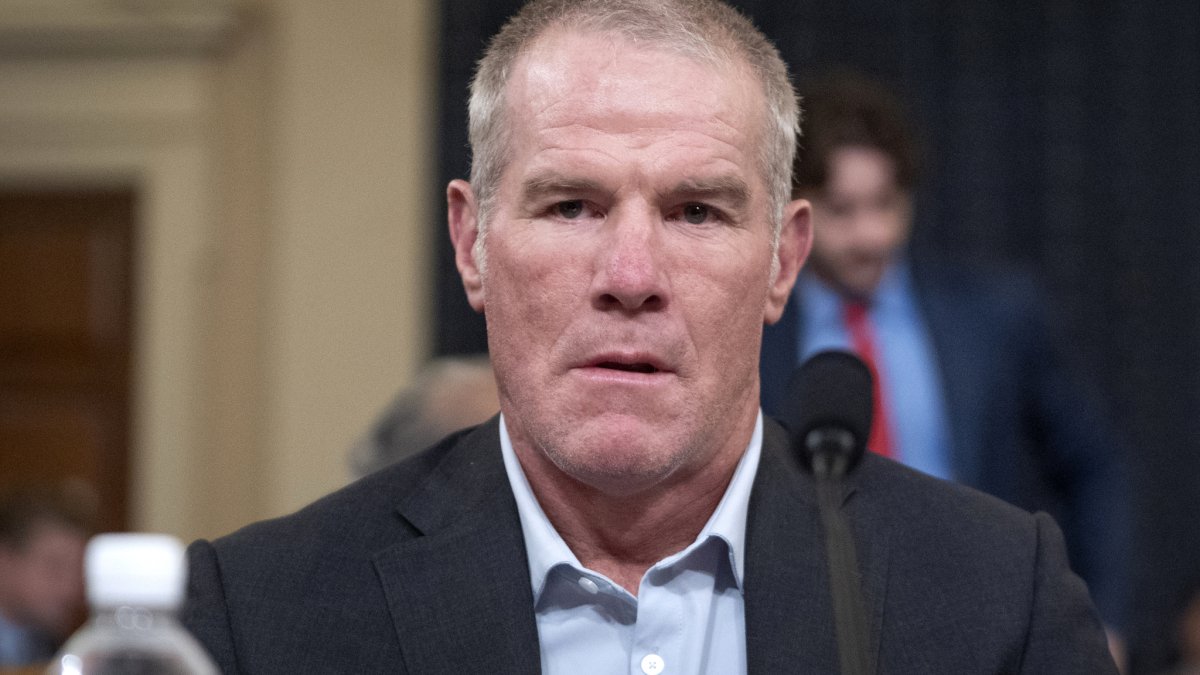
Brett Favre’s Full Comments on the NFL’s “Shift”
During his appearance on the Tomi Lahren podcast, Favre expanded on his belief that the league has undergone a significant change in its approach to fan engagement over the past decade. When Lahren suggested that the NFL altered its strategy “somewhere around Colin Kaepernick,” Favre agreed, pinpointing the last 10 years or so as the period when he noticed the shift. The former Green Bay Packers quarterback clarified that he believes the general football audience consists of people who are deeply invested in the sport, whether they are die-hard fans or casual observers.
“I think your general football audience is people like you and I,” he said. “Maybe loves football, or maybe is a casual, fair-weather fan, but it is the biggest show in town. So you watch it, you know, you watch the halftime show and who sang the national anthem. You know, that’s been that way for a long time”. Favre’s comments suggest that he views the halftime entertainment and national anthem performances as integral components of the football viewing experience that should resonate with the league’s traditional domestic audience.
While Favre did not explicitly specify who he believes the “true fans” are, his remarks align with sentiments expressed by other conservative figures who argue that the NFL should feature artists they see as representative of American values. On his 4th & Favre podcast, the quarterback had previously suggested that country artists like Jason Aldean or George Strait would have been better choices, saying he would pick “someone who loves this country and that everyone could relate to”. He also praised Whitney Houston’s iconic performance of the national anthem at Super Bowl XXV, suggesting that such moments are what the halftime show should aim to replicate.
Bad Bunny’s Record-Breaking Super Bowl LX Performance
Despite the backlash from Favre and other critics, Bad Bunny’s halftime show was a landmark moment for the NFL, setting numerous viewership and digital engagement records. The performance averaged 128.2 million viewers on NBC, making it the second most-watched television broadcast in United States history, surpassed only by Super Bowl LIX. Beyond traditional television, the show achieved extraordinary digital reach, generating 4 billion views within its first 24 hours across various platforms, a 137% increase compared to the previous year’s performance by Kendrick Lamar.
NFL Commissioner Roger Goodell defended the decision to feature Bad Bunny, emphasizing the league’s desire to reach diverse audiences and highlight performers with global influence. “Bad Bunny is, and I think that was demonstrated last night, one of the great artists in the world and that’s one of the reasons we chose him,” Goodell said after the performance. He added that Bad Bunny understood the platform and used it to unite people through creativity and talent, continuing a tradition that past artists have also embraced. The league’s partnership with Roc Nation, led by Jay-Z, has been instrumental in bringing such diverse and global artists to the Super Bowl stage since 2019.
The NFL’s official website highlighted the performance’s cultural significance, noting it was the first Spanish-language, solo Latino-led Super Bowl halftime show. The show also attracted attention from prominent figures, with California Governor Gavin Newsom praising it on social media, writing, “America, the beautiful. THANK YOU, BAD BUNNY”. Supporters of the performance argued that the NFL’s decision reflects the league’s commitment to inclusivity and its recognition of the growing Latino fanbase in the United States.
The Broader Debate: Tradition vs. Global Expansion
Favre’s criticism of the NFL’s entertainment choices reflects a wider cultural debate about the league’s identity and its ambitions for global growth. The NFL is in the midst of an ambitious expansion strategy, with leadership determined to grow the sport beyond the United States and the Americas. Decisions such as featuring Bad Bunny on the Super Bowl stage and staging regular season games in Europe reflect this broader international vision. Industry analysts note that halftime performances are now designed to attract viewers beyond traditional sports fans, as the Super Bowl remains one of television’s largest annual audiences.
ESPN analyst Ryan Clark offered a counterpoint to Favre’s perspective, calling the decision to feature Bad Bunny “absolute genius”. Clark argued that the NFL’s international expansion makes a global megastar like Bad Bunny a natural fit, noting that the league has been playing games in Brazil, Ireland, Mexico, and London. “You want to make people watch this game or you want somebody to tune in from a viewership standpoint that ain’t your traditional American football fan? Put Bad Bunny out there at halftime,” Clark said. He framed the decision as the NFL flexing its cultural muscle and continuing its path toward expansion.
Peacock, which streamed the game alongside NBC and Telemundo, reported record streaming numbers for the broadcast. However, the debate over the halftime show has become increasingly polarized along political lines. Far-right congresswoman Marjorie Taylor Greene had a public meltdown over the fact that Bad Bunny performed songs in Spanish, while former President Donald Trump slammed the decision as “absolutely ridiculous”. Critics have also raised concerns about Bad Bunny’s outspoken political views, particularly his opposition to Trump’s hardline immigration policies. These political dimensions have transformed the debate over the halftime show into a broader culture war issue.
How Other NFL Figures Have Responded
Favre is not alone in his criticism of the NFL’s entertainment strategy. Outspoken rocker Kid Rock also criticized the league, saying it is “out of touch with its core audience” and that the NFL keeps “trying to chase trends instead of honoring the fans who built this sport”. Kid Rock argued that “football used to feel like a Sunday tradition,” but now feels like “a music awards show dropped into the middle of a game”. He stated that while he has nothing personal against Bad Bunny, he believes the halftime show should “bring people together instead of making statements”.
Some analysts have also questioned the choice, though from a different perspective. Former NFL linebacker Emmanuel Acho admitted his confusion about Bad Bunny’s selection, though he acknowledged the artist’s global success. Acho questioned whether the football audience would enjoy Bad Bunny’s music in person, contrasting the choice with past iconic halftime acts like Shakira, J-Lo, Eminem, and Rihanna. LeSean McCoy, Acho’s co-host, offered a more pragmatic take, bluntly attributing the decision to business and the NFL’s desire to get more viewership.
Meanwhile, the NFL has remained firm in its position, with Goodell noting that criticism is expected whenever the league selects an artist for the halftime show. “I’m not sure we’ve ever selected an artist where we didn’t have some blowback or criticism. It’s pretty hard to do when you have literally hundreds of millions of people that are watching,” Goodell said at a press conference, expressing confidence that the show would be a great and unifying moment. Despite the ongoing controversy, the league’s commitment to diversifying its entertainment offerings appears to be part of a long-term strategy to expand the NFL’s global footprint.