Tom Brady’s Dog Clone Sparks Controversy
The recent revelation that Tom Brady cloned his beloved dog, Lua, who passed away in December 2023, has ignited a firestorm of debate and discussion. While Brady sees it as a way to keep a cherished pet alive in another form, the decision has been met with mixed reactions, including reports that some of his friends are “turning on him” over what they perceive as a “bizarre personal-life decision.” This article delves into the complexities surrounding Brady’s choice, exploring the ethical considerations, technological advancements, and the surprising social fallout from this controversial act. We will also examine the broader implications of pet cloning and its accessibility for the average pet owner, alongside a look at Brady’s involvement with Colossal Biosciences and their acquisition of Viagen Pets & Equine.
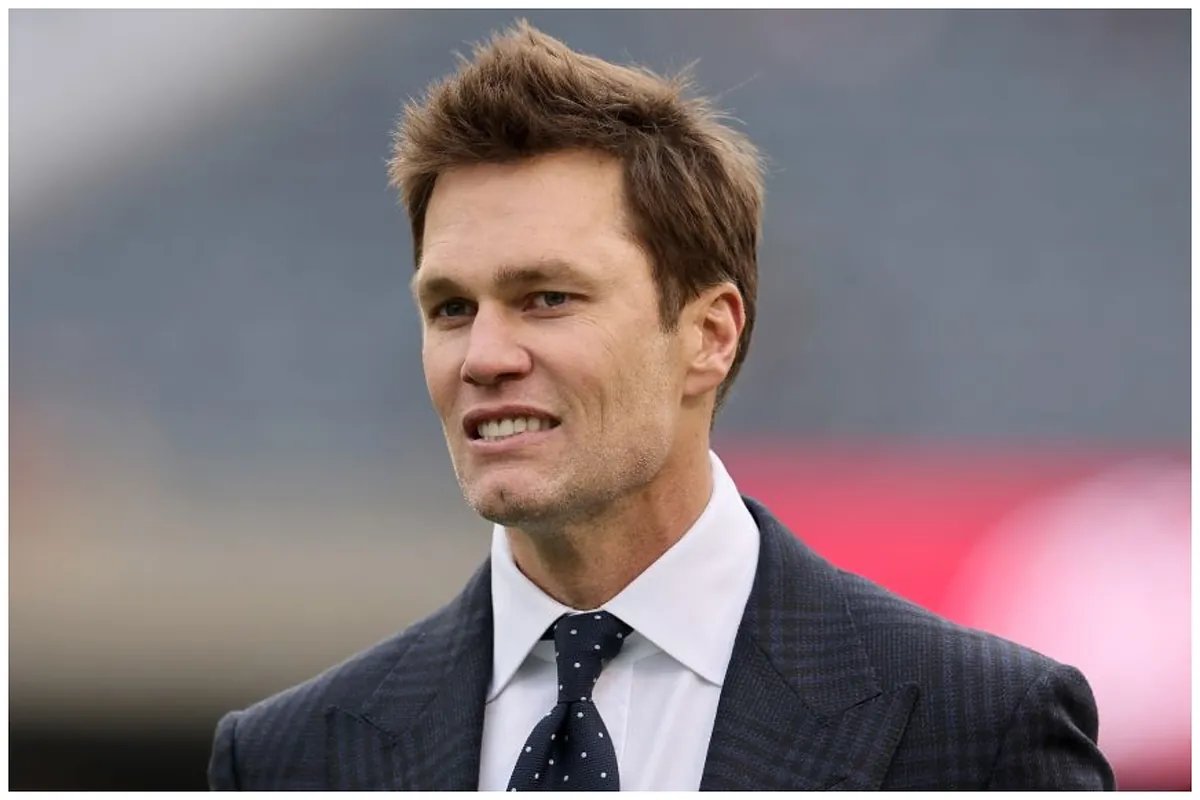
The Cloning Announcement and its Aftermath
Brady’s announcement centered around his current dog, Junie, a clone of Lua. He explained that Colossal Biosciences used a blood draw from Lua before her passing to facilitate the cloning process. This led to the arrival of Junie, whom Brady described as a “second chance” to keep Lua’s spirit alive. He also revealed his investment in Colossal Biosciences, a company that recently acquired pet-cloning firm Viagen Pets & Equine. The intersection of technology and personal loss is a recurring theme in modern discussions about grief and remembrance.
However, the seemingly heartfelt announcement quickly devolved into a hot topic, with many questioning the ethics and practicality of pet cloning. The high cost associated with the procedure, coupled with ethical concerns surrounding the manipulation of life, has made Brady’s decision a focal point of criticism. It’s important to note that access to cutting-edge technologies like cloning is often limited by financial constraints, raising questions about equity and privilege.
Friends’ Reactions: A Silent Dissension?
According to reports from The Spun, some of Brady’s friends are privately expressing discomfort with his decision. While not necessarily opposed to his personal grief, they reportedly view the cloning as provocative, alienating, and out of character. This alleged distancing highlights the social complexities of such a unique and somewhat controversial choice. It also speaks to the pressure public figures face to maintain a certain image and adhere to perceived social norms.
The report suggests that his inner circle is uneasy about the publicity surrounding the cloning, indicating a potential disconnect between Brady’s personal choices and the expectations of his social network. This situation raises questions about the extent to which celebrities’ personal lives are subject to public scrutiny and the potential impact on their relationships.
The Ethical Minefield of Pet Cloning
Pet cloning is not a simple or universally accepted practice. It raises numerous ethical questions that warrant careful consideration. One of the primary concerns is the commodification of life. Cloning reduces a living being to a set of genetic instructions that can be replicated, potentially devaluing the unique individuality and intrinsic worth of each animal. Ethical debates surrounding scientific advancements are increasingly common, especially in areas like biotechnology and genetic engineering.
Another ethical dilemma involves the potential for animal suffering during the cloning process. The procedure often involves multiple surrogate mothers and can result in complications such as miscarriages, stillbirths, and health problems in the cloned animal. Ensuring the welfare of all animals involved is paramount, and the potential risks must be carefully weighed against the perceived benefits.
Furthermore, the environmental impact of cloning is a growing concern. The resources required to clone animals, including energy, materials, and veterinary care, can be substantial. As we grapple with climate change and resource scarcity, it’s crucial to consider the ecological footprint of such technologies.
The Science Behind Pet Cloning: A Technological Marvel
Despite the ethical concerns, pet cloning is undoubtedly a technological marvel. The process, known as somatic cell nuclear transfer (SCNT), involves taking a cell from the animal to be cloned and inserting its nucleus into an egg cell that has had its own nucleus removed. The egg is then stimulated to divide and develop into an embryo, which is implanted into a surrogate mother. The resulting offspring is a genetic copy of the original animal.
While the technology has advanced significantly in recent years, it’s not without its limitations. Cloned animals are not perfect replicas of their originals. Factors such as epigenetics and environmental influences can lead to differences in appearance, behavior, and health. Additionally, the success rate of cloning is still relatively low, and the procedure remains expensive and time-consuming. The ongoing development of AI and biotech continue to push boundaries of what’s possible.
Cost and Accessibility: Cloning for the Elite?
The cost of pet cloning is a significant barrier to entry for most pet owners. The procedure can cost tens of thousands of dollars, making it accessible only to a select few. This raises questions about equity and whether cloning should be reserved for the wealthy and influential. The economic disparities in access to advanced technologies are a growing concern in many sectors.
As cloning technology becomes more refined and the demand increases, the cost may eventually decrease. However, it’s unlikely to become affordable for the average pet owner anytime soon. This raises the possibility of a future where cloning is a luxury item, further exacerbating existing inequalities.
Colossal Biosciences and the Future of Pet Cloning
Tom Brady’s investment in Colossal Biosciences has brought increased attention to the company and its mission. Colossal Biosciences is a biotech firm focused on de-extinction and genetic engineering. Their acquisition of Viagen Pets & Equine signals a growing interest in the pet cloning market. The company aims to make cloning more accessible and affordable, potentially revolutionizing the way we think about pet ownership.
However, Colossal Biosciences’ involvement also raises concerns about the potential for commercial exploitation of pet cloning. As the company seeks to profit from the technology, there’s a risk that ethical considerations may be sidelined in favor of financial gain. It’s crucial to ensure that the company operates responsibly and prioritizes animal welfare above all else.
The Personal Story Behind Brady’s Decision
Behind the controversy and ethical debates lies a personal story of grief and loss. Tom Brady’s decision to clone Lua was motivated by a desire to keep a beloved pet alive in some form. For many pet owners, pets are members of the family, and their loss can be devastating. Cloning offers a potential way to cope with that loss, albeit a controversial one. The emotional bonds between humans and animals are undeniable, and the desire to preserve those bonds is understandable.
While Brady’s decision may be seen as extravagant or unconventional, it’s important to acknowledge the underlying emotions that drove it. Grief can manifest in different ways, and there’s no right or wrong way to cope with the loss of a loved one. Brady’s choice, however controversial, reflects a deep connection with his pet and a desire to keep her memory alive.
The Broader Implications of Pet Cloning
The debate surrounding Tom Brady’s dog clone highlights the broader implications of pet cloning for society. As the technology becomes more accessible, it’s likely to raise new questions about our relationship with animals, the value of life, and the role of technology in our lives. We need to engage in open and honest discussions about these issues to ensure that cloning is used responsibly and ethically.
Pet cloning also has the potential to impact animal shelters and rescue organizations. If cloning becomes a popular alternative to adopting pets, it could lead to a decrease in demand for shelter animals, potentially exacerbating the problem of pet overpopulation. It’s important to support animal shelters and promote adoption as a responsible and compassionate way to acquire a pet.
Case Studies: Examples of Pet Cloning Successes and Failures
To better understand the realities of pet cloning, it’s helpful to examine some real-world case studies. Several pet owners have successfully cloned their beloved animals, reporting positive experiences and a renewed sense of companionship. These success stories offer a glimpse into the potential benefits of cloning.
However, there have also been cases of cloning failures, where the cloned animal suffered from health problems or did not live up to the owner’s expectations. These cases serve as a reminder that cloning is not a guaranteed solution and that there are inherent risks involved. Careful consideration and realistic expectations are essential before pursuing pet cloning.
The Role of Regulation and Oversight
As pet cloning becomes more prevalent, it’s crucial to establish appropriate regulations and oversight to ensure animal welfare and ethical practices. These regulations should address issues such as the number of surrogate mothers used, the health monitoring of cloned animals, and the transparency of the cloning process. The need for responsible innovation is paramount in emerging fields like biotechnology.
Government agencies, veterinary organizations, and ethical review boards should collaborate to develop and enforce these regulations. Public input and participation are also essential to ensure that the regulations reflect societal values and concerns.
Alternatives to Cloning: Honoring a Pet’s Memory
While cloning may be an option for some, there are many other ways to honor a pet’s memory and cope with their loss. These alternatives include creating memorial gardens, donating to animal shelters in the pet’s name, and sharing stories and photos with friends and family. The importance of community support during times of grief cannot be overstated.
These alternatives offer a more accessible and ethical way to celebrate the life of a beloved pet and keep their memory alive. They also avoid the ethical dilemmas and potential risks associated with cloning.
Conclusion: Navigating the Complexities of Cloning
Tom Brady’s decision to clone his dog, Lua, has sparked a complex and multifaceted debate. While his personal story of grief and loss is understandable, the ethical, social, and economic implications of pet cloning cannot be ignored. As the technology becomes more accessible, it’s crucial to engage in open and honest discussions about the responsible and ethical use of cloning. The future of pet cloning will depend on our ability to navigate these complexities and prioritize animal welfare and societal values.
Frequently Asked Questions (FAQ)
| What is the main topic of this article? | This article provides comprehensive information about Tom Brady’s decision to clone his dog and covers all related aspects in detail, including the ethical, social, and technological considerations. |
| Where can I find more detailed information? | Additional information and resources are available through the internal links provided throughout the article. You can also check the references section for more sources. |
| How current is this information? | This article contains up-to-date information relevant to current trends and developments in the field of pet cloning. We regularly update our content to ensure accuracy. |
| Who is this article intended for? | This article is designed for readers seeking comprehensive understanding of the topic, from those curious about the news to those interested in the ethical and scientific aspects of cloning. It covers both basic concepts and advanced insights. |
| Are there any important updates I should know about? | Yes, we regularly monitor developments and update our content accordingly. Check the publication date and any update notices for the most current information on the Tom Brady dog clone story and related events. |
Important Notice
This content is regularly updated to ensure accuracy and relevance for our readers. If you have any questions, feel free to contact us.
Content Quality: This article has been carefully researched and written to provide valuable insights and practical information. Our team works hard to maintain high standards.