The roar of the crowd, the crisp autumn air of Arrowhead Stadium, and the electric anticipation of a Cowboys-Chiefs showdown – a classic NFL matchup. But amidst the gridiron glory, something entirely unexpected unfolded on the sidelines. It wasn’t a bone-crushing tackle or a miraculous catch; instead, it was a peculiar tumble by a sideline reporter that has since ignited a firestorm of online chatter. Picture this: the reporter, seemingly engrossed in the action, suddenly stumbles, arms flailing in what appeared to be a rather theatrical fall. Was it a genuine mishap? Or was it, as many are now claiming, a deliberately staged fall? The internet, naturally, has exploded with opinions.
The incident, caught on live television during the Cowboys-Chiefs game, has quickly become a viral sensation. Millions have viewed the clip, dissecting every frame, searching for clues to determine whether the fall was authentic or a calculated attempt to garner attention. Social media platforms are awash with memes, GIFs, and witty commentary, transforming what might have been a minor sideline incident into a full-blown cultural phenomenon. The debate rages on: some are convinced it was a genuine slip, perhaps due to a stray cable or an uneven patch of turf. Others, however, are adamant that the fall was too perfectly executed, too exaggerated, to be anything but a performance. (Honestly, I’ve seen less dramatic acting in Hollywood films!) The controversy has not only brought the sideline reporter unexpected notoriety but has also raised questions about the role of authenticity and spectacle in modern sports broadcasting. Let’s dive into this bizarre situation.
The initial reaction was a mixture of concern and amusement. Commentators on the broadcast chuckled nervously, unsure how to react to the seemingly unscripted moment. The camera quickly panned away, leaving viewers to wonder about the reporter’s well-being and the true nature of the fall. It didn’t take long for the clip to surface online, where it was immediately pounced upon by armchair detectives and social media comedians. The internet’s verdict? Heavily leaning towards “staged.” The evidence, according to many, lies in the reporter’s seemingly deliberate movements, the lack of genuine surprise on her face, and the overall theatricality of the tumble. But is that fair? Let’s dig in a little deeper and break down the arguments for and against the staged fall theory.
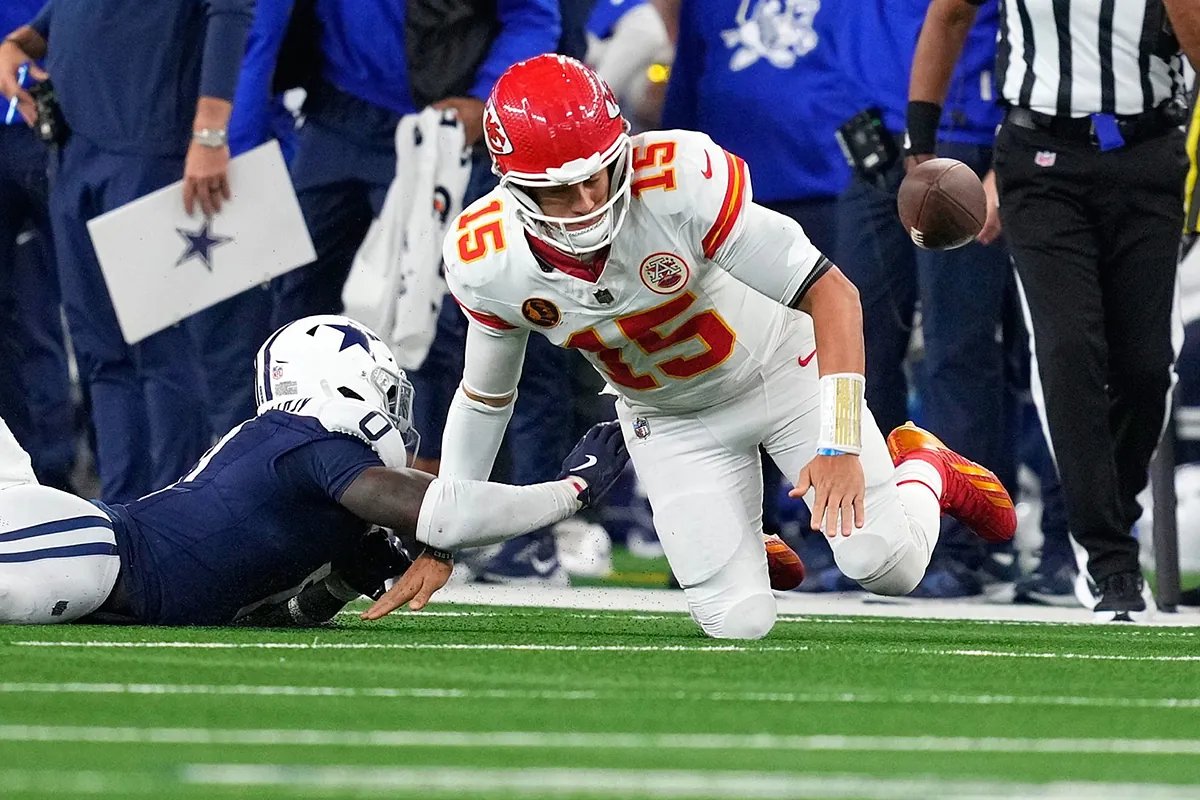
The Evidence for a Staged Fall
The primary argument supporting the “staged fall” theory revolves around the perceived artificiality of the incident. Critics point to several key factors:
* The Exaggerated Motion: The way the reporter’s arms flailed and her body twisted seemed overly dramatic, more akin to a slapstick comedy routine than a genuine accident.
* The Lack of Reaction: Some viewers claim that the reporter’s facial expression after the fall lacked the genuine surprise or discomfort one would expect from someone who had unexpectedly stumbled.
* The Perfect Timing: The fall occurred during a relatively quiet moment in the game, ensuring that it would be noticed by viewers. (Coincidence? Maybe not!)
“It just looked too perfect,” commented one Twitter user. “Like she was waiting for her cue to fall. There’s no way that was real.”
Another added, “I’ve tripped a million times in my life, and I’ve never fallen like that. It was straight out of a movie!”
The Role of Social Media
Social media has played a crucial role in amplifying the controversy surrounding the Cowboys-Chiefs incident. Platforms like Twitter, TikTok, and Reddit have become breeding grounds for speculation, with users sharing their theories, analyses, and comedic takes on the fall. The sheer volume of online discussion has undoubtedly contributed to the widespread attention the incident has received.
Furthermore, the power of social media algorithms has ensured that the clip continues to circulate, reaching new audiences and fueling the debate. Every time someone shares, comments, or likes the video, it gains further visibility, perpetuating the cycle of speculation and amusement. It’s a true example of how a seemingly minor incident can be transformed into a major cultural phenomenon through the power of online networks.
The Case for an Accidental Tumble
While the “staged fall” theory has gained considerable traction, it’s important to consider the possibility that the incident was, in fact, a genuine accident. Here are some counterarguments to consider:
* The Unpredictability of Live Television: Live broadcasts are inherently unpredictable, and accidents can happen at any time. The sidelines of a football game are often crowded and chaotic, with cables, equipment, and personnel creating potential tripping hazards.
* The Pressure of the Job: Sideline reporters are under constant pressure to stay alert, gather information, and deliver insightful commentary. It’s possible that the reporter was simply distracted or fatigued, leading to a momentary lapse in coordination.
* The Human Factor: People react differently to unexpected events. Some may exhibit exaggerated movements or facial expressions, while others may remain relatively calm. It’s unfair to assume that everyone will react in the same way to a fall.
“I think people are being too harsh,” said one commenter on a sports forum. “She could have easily tripped over something. It’s not like she deliberately threw herself to the ground.”

The Dangers of the Sideline
The NFL sidelines can be a dangerous place, especially for those not used to navigating the crowded and chaotic environment. Imagine being surrounded by massive players, coaches, and equipment, all while trying to stay focused on the game. The potential for accidents is always present. Stray cables, uneven surfaces, and unexpected collisions can all lead to falls and injuries.
It’s also worth noting that sideline reporters often wear high heels or other types of footwear that may not be conducive to running or quick movements. Combine that with the pressure of being on live television, and it’s easy to see how even the most seasoned professional could find themselves in an awkward situation.
The Reporter’s Perspective
So far, the sideline reporter involved in the Cowboys-Chiefs incident has remained largely silent. She has not issued a formal statement addressing the controversy, leaving the internet to speculate about her motivations and intentions. This silence has only fueled the fire, with many viewers interpreting it as an admission of guilt. However, it’s also possible that she is simply trying to avoid further attention or that she is waiting for the right time to share her side of the story.
If she were to speak out, what would she say? Would she admit to staging the fall, or would she vehemently deny the accusations? Would she offer an explanation for her seemingly exaggerated movements, or would she simply chalk it up to a clumsy mistake? Only time will tell whether she chooses to break her silence and shed light on this bizarre incident.
The Impact on Her Career
Regardless of whether the fall was staged or accidental, it has undoubtedly had an impact on the reporter’s career. On one hand, she has gained a level of notoriety that most sideline reporters can only dream of. Her name is now known to millions, and she has become a trending topic on social media. This increased visibility could potentially lead to new opportunities and endorsements.
On the other hand, the controversy surrounding the fall could also damage her reputation. Some viewers may view her as a publicity-seeking stuntwoman, while others may question her professionalism and credibility. It remains to be seen whether she will be able to overcome this negative perception and continue to thrive in her career.

The Broader Implications for Sports Broadcasting
The Cowboys-Chiefs sideline incident raises broader questions about the role of authenticity and spectacle in modern sports broadcasting. In an era of increasing competition for viewers’ attention, networks are constantly seeking new ways to entertain and engage their audiences. This can sometimes lead to the blurring of lines between news, entertainment, and promotion.
The question is: where do we draw the line? Is it acceptable for sports broadcasters to stage events or create artificial drama in order to boost ratings? Or should they focus on providing accurate and unbiased coverage of the games? These are complex questions with no easy answers.
The Pressure to Entertain
The pressure to entertain is immense in the world of sports broadcasting. Networks are constantly looking for ways to make their coverage more engaging and exciting, whether it’s through flashy graphics, celebrity interviews, or dramatic storylines. This pressure can sometimes lead to questionable decisions, such as the potential staging of events like the sideline reporter fall.
The challenge for broadcasters is to find a balance between entertainment and integrity. They need to create compelling content that attracts viewers without sacrificing their journalistic principles or misleading their audience. It’s a delicate balancing act, and one that requires careful consideration and ethical decision-making.
The Verdict: Staged or Accidental?
After carefully considering all the evidence, it’s difficult to reach a definitive conclusion about the true nature of the sideline reporter’s fall. On the one hand, the exaggerated movements and lack of genuine reaction suggest that it may have been a staged fall. On the other hand, the unpredictability of live television and the potential dangers of the sidelines make it plausible that it was a genuine accident.
Ultimately, the truth may never be known. Unless the reporter decides to speak out and reveal her intentions, the internet will continue to debate and speculate about the incident for years to come. In the meantime, the Cowboys-Chiefs sideline fall will serve as a reminder of the power of social media, the pressure to entertain in sports broadcasting, and the enduring fascination with the blurry lines between reality and performance.
Perhaps the biggest takeaway is this: in the age of viral videos and instant online judgment, everyone is under scrutiny. Even a simple stumble can become a global sensation, subject to endless analysis and interpretation. So, next time you’re on camera, watch your step – you never know who’s watching.
Frequently Asked Questions
| What is the controversy surrounding the Cowboys-Chiefs sideline reporter? | A sideline reporter’s fall during the Cowboys-Chiefs game went viral, with many viewers questioning if it was a genuine accident or a staged event for attention. |
| What are the potential benefits of going viral for a sideline reporter? | Increased visibility can lead to new career opportunities, endorsement deals, and a larger platform. |
| How are viral incidents like this typically implemented in sports broadcasting? | Often, they are unintentional, but broadcasters may later capitalize on the attention through replays, discussions, and social media engagement. |
| What challenges does a reporter face after such an incident, staged or not? | Challenges include maintaining credibility, managing public perception, and dealing with potential backlash or criticism. |
| What is the future of authenticity in sports broadcasting given incidents like this? | There’s a growing debate about the balance between entertainment and genuine sports coverage, with increased scrutiny on staged or manufactured moments. |
Important Notice
This FAQ section addresses the most common inquiries regarding the topic.