Data center politics have become a defining battleground in the 2026 midterm elections, with national figures from both parties pivoting toward increasingly skeptical positions as grassroots backlash intensifies across the country. The massive facilities powering artificial intelligence infrastructure have generated wariness among voters worried about higher energy bills, constant noise, and environmental impacts like excessive water usage — forcing politicians to recalibrate their stances on an industry once welcomed with open arms.
- Bipartisan Backlash: Data center opposition has surged from 49% to 61% among voters across both parties, according to recent polling
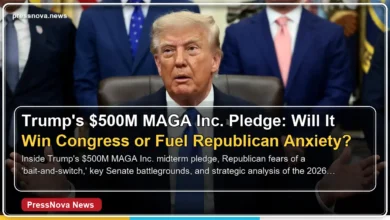
- Trump’s Nuanced Stance: President supports data centers for jobs and tax revenue but tells Republicans “if a Republican’s against a data center, that’s OK with me”
- DeSantis Signs Regulation: Florida’s governor enacted SB 484 on May 7, preventing costs from being passed to consumers and protecting water resources
- Shapiro Shifts Tone: Pennsylvania’s governor signed an executive order binding developers to stricter guidelines, saying “we will not be bullied by developers”
- Moratorium Movement: New York implemented a one-year ban on hyperscale data center construction, with similar measures under consideration in roughly a dozen states
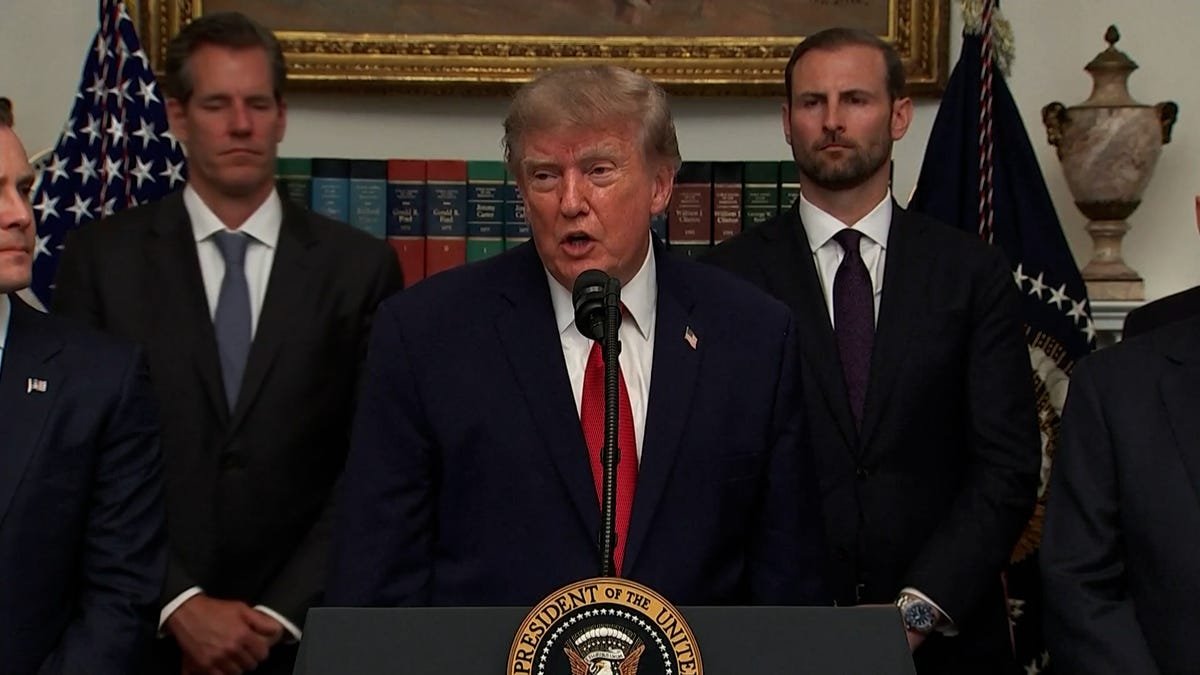
President Donald Trump has largely supported the data center boom, saying on August 23 that communities rejecting data centers are “making a mistake” while acknowledging that “not every location’s perfect for it.” The New York native has fiercely criticized Democratic Gov. Kathy Hochul for implementing a temporary one-year moratorium on their construction in July, arguing in a radio interview that data centers lead to “tremendous tax revenue coming into the towns and cities that want them.”
Yet Trump has also given Republicans political cover to oppose such projects. “I want them to do what they want. Some people feel differently,” he told reporters on August 21. “If a Republican’s against a data center, that’s OK with me.” This nuanced positioning reflects the growing political complexity of an issue that cuts across traditional partisan lines, forcing politicians to balance economic development promises against mounting constituent concerns.
Data center opposition has emerged as a rare point of bipartisan agreement, with voters in both parties expressing skepticism about the rapid proliferation of AI infrastructure. The facilities, which house thousands of servers consuming massive amounts of electricity and water, have sparked local resistance movements that national politicians can no longer ignore. The shift has been particularly dramatic among figures with higher ambitions, who are carefully calibrating their positions ahead of potential 2028 presidential runs.
Florida Governor Ron DeSantis Takes a Skeptical Stand on Data Centers
Florida Gov. Ron DeSantis, another 2024 Republican presidential contender, has taken a much more skeptical view than Trump. He signed data center regulation bill SB 484 on May 7, legislation he said ensures local governments still can reject data center development while trying to prevent costs from being passed on to consumers — including through utility bills. The law also aims to protect Florida’s water resources and requires public disclosure of data center deals after a period of time.
“You should not, as a hardworking Floridian, have to subsidize some of the wealthiest companies in the history of humanity,” DeSantis said while enacting the legislation. His approach represents a significant departure from the pro-business, low-regulation stance typically associated with Florida Republicans, signaling how deeply the data center issue has reshaped traditional political alignments.
Rep. Byron Donalds, the Republican congressman running to replace DeSantis as governor, has led with less skepticism, though he’s acknowledged data centers shouldn’t saddle consumers with higher costs. When discussing AI developments in a February podcast interview, Donalds said AI would ultimately make the economy “far more efficient” — though he acknowledged “concerns about displacement” that accompany any economic transition.
Pennsylvania Governor Josh Shapiro’s Stark Shift on AI Infrastructure
While running for reelection, Pennsylvania Democratic Gov. Josh Shapiro has shifted his tone on data centers as public opinion has soured on AI infrastructure. Just over a year ago, he touted Amazon’s decision to build data centers in his state, saying the choice proved his administration could “work at the speed of business.” But more recently, Shapiro said he’s heard concerns “loud and clear from the good people of Pennsylvania.”
He signed an executive order this month binding developers to specific guidelines related to shouldering energy costs and preserving water, and said they’d no longer be eligible for a fast-track permitting process. “We will not be bullied by developers and bulldozed by the lawyers working for these big tech companies,” Shapiro said a week ago. The shift is particularly notable for a governor widely expected to mount a presidential campaign in 2028, suggesting data center policy has become a litmus test for national aspirations.
Senator Jon Ossoff’s Cautious Approach to Data Center Costs
Sen. Jon Ossoff, the Georgia Democrat running for reelection in one of the country’s most competitive Senate races, has taken a cautious approach to data centers. Similar to Donalds, the rumored 2028 presidential aspirant has stressed that ratepayers shouldn’t suffer financially because of them. He wrote a letter to the chair of the Federal Energy Reserve Commission in April saying his office was investigating how his state’s billions in AI investment was impacting high energy costs.
Georgia has become a major hub for data center development, attracting billions in investment from companies like Microsoft and Google. But the rapid expansion has raised concerns about strain on the state’s electrical grid and water resources, creating a delicate political balancing act for Ossoff, who must appeal to both tech-friendly business interests and increasingly vocal constituents worried about rising utility bills.
Kathy Hochul and the Data Center Moratorium Movement
New York Gov. Kathy Hochul planted an early flag in the AI debate when she banned hyperscale data center construction for a year in her state. The move, which Trump has criticized, reflects growing Democratic skepticism about unbridled data center expansion. Similar moratorium measures have been introduced or implemented in roughly a dozen states, according to the National Conference of State Legislatures, with experts saying such bans have had the most success so far at the local level.
Local governments across the country have imposed temporary pauses on data center development, citing concerns about electricity grid capacity, water consumption, and noise pollution. These moratoriums have become increasingly popular in communities that previously welcomed the industry, only to find that the promised economic benefits came with significant quality-of-life costs.
Why Politicians Are Shifting Their Stance on Data Centers
The shift in political sentiment reflects a broader awakening to the tangible impacts of the AI boom on everyday Americans. Data centers are enormous consumers of electricity — a single hyperscale facility can use as much power as a small city — and their proliferation has contributed to rising energy costs and grid reliability concerns in regions where they’re concentrated. They also require massive amounts of water for cooling, raising environmental alarms in drought-prone areas.
Voter opposition has grown rapidly, with recent polling showing a surge in skepticism across party lines. The grassroots backlash has forced politicians to balance the economic development promises of the tech industry against the immediate concerns of constituents facing higher utility bills and environmental disruption. As the 2026 midterm elections approach, data center policy has become a wedge issue with the potential to reshape political coalitions.
The technology industry is increasingly alarmed by the political backlash, with some executives privately describing the situation as an “oh s–t moment.” Companies that were accustomed to enthusiastic community welcome have found themselves defending their projects before hostile crowds, as local residents express fears about everything from property values to public health. The industry’s response has included promises of more transparent community engagement and investments in renewable energy, but skepticism remains high.
The Future of Data Center Politics: What Comes Next
The evolving stance of national political figures on data centers signals a fundamental shift in how AI infrastructure will be regulated and developed in the United States. The days of automatic approval for massive data center projects appear to be ending, replaced by more rigorous scrutiny of energy consumption, water usage, and community impact. This shift carries significant implications for the technology industry, which has bet billions on rapid expansion of AI infrastructure.
As the 2026 midterm elections approach, data center policy will likely become a more prominent issue in campaigns across the country. Candidates in both parties are already positioning themselves in response to voter concerns, with some emphasizing their skepticism of big tech and others highlighting the economic benefits of the industry. The outcome of these elections could shape the regulatory landscape for data centers for years to come, with profound implications for the future of artificial intelligence development in America.
Frequently Asked Questions About Politicians and Data Centers
Why are politicians turning against data centers after supporting them?
Politicians are pivoting on data centers because grassroots backlash has surged among voters who face higher energy bills, constant noise, and environmental impacts like excessive water usage. Recent polling shows opposition has grown from 49% to 61% across party lines, making data center skepticism a politically attractive position for candidates in competitive races. The shift reflects growing awareness that the AI infrastructure boom comes with tangible costs for local communities.
What is a data center moratorium and which states have them?
A data center moratorium is a temporary ban on new data center construction, typically enacted to allow time for studying environmental impacts, grid capacity, and regulatory frameworks. New York implemented a one-year ban on hyperscale data center construction in July, and similar measures have been introduced or adopted in roughly a dozen states, according to the National Conference of State Legislatures. Local governments have been particularly active in imposing moratoriums to address community concerns.
What specific environmental concerns are voters raising about data centers?
Voters are raising several environmental concerns about data centers. These facilities consume enormous amounts of electricity — one hyperscale data center can use as much power as a small city — contributing to higher energy costs and grid strain. They also require millions of gallons of water daily for cooling, raising alarms in drought-prone regions. Additionally, constant noise from cooling systems and backup generators has become a quality-of-life issue for nearby residents, while the construction and operation of data centers can disrupt local ecosystems.