Sean Grayson cause of death remains under investigation after the former Illinois sheriff’s deputy died in prison custody on August 23 while serving a 20-year sentence for the killing of Sonya Massey. The 32-year-old had been battling stage 4 colon cancer, which had metastasized to his liver and lungs, and had requested medical release from prison just one month before his death—a request that was formally denied by the Illinois Prisoner Review Board in July.
- Death Confirmed: Sean Grayson died in prison custody on August 23 at age 32
- Official Cause: Pending autopsy results; no official cause of death disclosed yet
- Medical Condition: Stage 4 colon cancer, spread to liver and lungs
- Release Denied: Medical release request rejected by Illinois Prisoner Review Board in July
- Conviction: Second-degree murder for killing Sonya Massey (2024), sentenced to 20 years
- Case Details: Body-camera footage showed Grayson threatening Massey before fatal shooting
- Attorneys: Grayson’s attorney confirmed death but provided no additional details
Grayson’s death was first confirmed by his attorney on August 24, though specific circumstances surrounding his final moments remain unclear. The Illinois Department of Corrections has not yet released an official statement regarding the incident, and an autopsy is expected to be performed to determine the official cause of death. Grayson had been incarcerated at an Illinois Department of Corrections facility since his sentencing in January, where he was receiving medical care for his advanced cancer diagnosis.
The former deputy’s medical condition had been a point of contention throughout his legal proceedings. Grayson had been diagnosed with colon cancer before the killing of Sonya Massey, and by the time of his sentencing, the disease had spread significantly. His attorneys cited his deteriorating health in multiple legal filings, arguing that his condition warranted compassionate release under the Illinois Joe Coleman Act—a statute that allows for early release of terminally ill or permanently incapacitated inmates.
The Illinois Prisoner Review Board denied Grayson’s medical release request in July, with the decision citing the severity of his crime and the interests of justice. Board members determined that Grayson’s medical condition, while serious, did not merit early release given the nature of his conviction and the impact on Sonya Massey’s family. The denial came just weeks before his death, raising questions about whether earlier release would have altered the outcome of his medical care.
The official Sean Grayson cause of death will be determined by the Illinois Department of Corrections in coordination with the county coroner’s office. Standard procedure requires an autopsy for all in-custody deaths, with results typically released within 4-6 weeks. Until the autopsy is complete, speculation about whether his cancer directly caused his death or if other factors were involved remains unconfirmed. The Illinois Department of Corrections can be reached for official statements through their official website, and further court records are available through the Illinois Courts system.
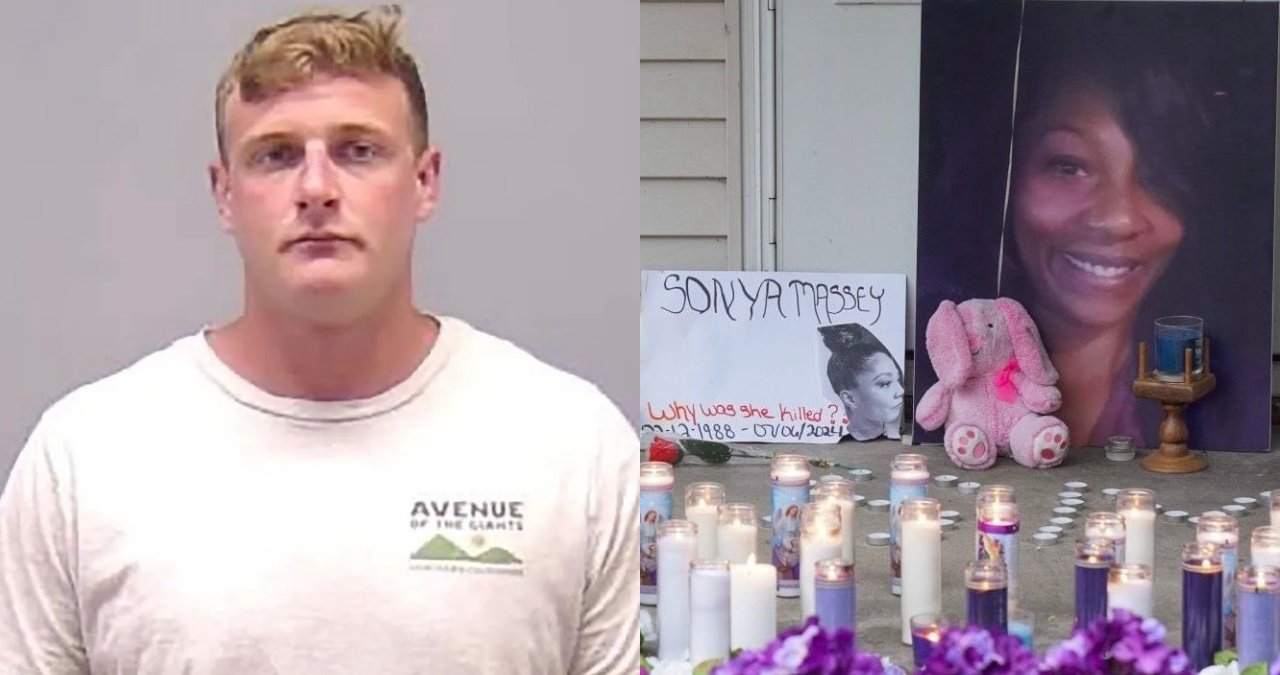
Sean Grayson Dies in Prison at 32
Sean Grayson was pronounced dead on August 23 at a state correctional facility, though the specific location has not been publicly disclosed. His attorney confirmed the death to multiple news outlets but declined to provide additional details about the circumstances, citing privacy concerns and ongoing procedural matters with the corrections department.
The Illinois Department of Corrections has initiated a standard internal review of the death, which is mandatory for all inmate fatalities. This review will examine whether proper medical protocols were followed, whether Grayson received adequate care for his stage 4 cancer, and whether any negligence or misconduct contributed to his death. The findings of this review will be shared with the Illinois Prisoner Review Board and may have implications for how the state handles similar cases in the future. The case has drawn comparisons to other high-profile incidents involving law enforcement, including the jury’s conviction of the Illinois deputy in Sonya Massey’s killing, which highlighted ongoing debates about accountability and justice in police-involved shootings.
Official Cause of Death Pending Autopsy
As of the latest updates, the official Sean Grayson cause of death has not been determined. While Grayson’s stage 4 colon cancer—which had spread to his liver and lungs—is widely understood to have been a significant health factor, medical examiners have not yet confirmed whether it was the direct cause of death.
An autopsy is standard procedure for in-custody deaths in Illinois, and results are typically expected within 4 to 6 weeks. The autopsy will examine whether Grayson’s cancer had progressed to a terminal stage, whether he experienced complications from treatment, or whether any other medical issues contributed to his death. Toxicology reports may also be performed to determine if medications or other substances played a role.
Until the autopsy results are released, the Illinois Department of Corrections and the county coroner’s office will not issue an official cause of death. This has created a vacuum of information, with speculation circulating on social media and news outlets, though no verified details have emerged from official sources.
Stage 4 Cancer Battle and Medical Release Denial
Sean Grayson was diagnosed with colon cancer prior to the Sonya Massey shooting in July 2024, and the disease had progressed to stage 4 by the time of his trial and sentencing. Court documents revealed that the cancer had metastasized to his liver and lungs, making treatment options increasingly limited and his prognosis increasingly poor.
Grayson’s legal team filed for medical release under the Illinois Joe Coleman Act, which allows for the compassionate release of inmates who are terminally ill or have a permanent physical incapacity that renders them unable to perform daily activities. The application cited his advanced cancer, the spread of the disease, and the limited life expectancy that often accompanies stage 4 colon cancer with metastatic spread.
The Illinois Prisoner Review Board reviewed Grayson’s application in July and ultimately denied it. While the board did not release a detailed rationale, the decision was widely interpreted as a reflection of the severity of Grayson’s crime and the public interest in ensuring accountability for the killing of Sonya Massey. The denial came just over a month before his death, sparking renewed debate about the state’s approach to medical release for terminally ill inmates.
The Sonya Massey Case: A Timeline
The Sonya Massey case captured national attention and sparked widespread protests against police brutality, particularly regarding the treatment of Black women by law enforcement. Here is a timeline of key events:
| Date | Event |
|---|---|
| July 2024 | Sonya Massey calls 911 about a prowler; Grayson and another deputy respond |
| July 2024 | Body-camera footage captures Grayson threatening and shooting Massey |
| October 2025 | Grayson found guilty of second-degree murder |
| January 2026 | Sentenced to 20 years in prison |
| July 2026 | Medical release application under Joe Coleman Act denied |
| August 23, 2026 | Sean Grayson dies in prison custody at age 32 |
The body-camera footage from the incident became central to the prosecution’s case. It showed Grayson confronting Massey in her kitchen after she had called 911 for help. During the encounter, Massey said, “I rebuke you in the name of Jesus,” prompting Grayson to respond, “I’ll f***ing shoot you right in the f***ing face,” before firing his weapon and killing her.
Grayson claimed self-defense, arguing that Massey had attacked him with a pot of boiling water. In his medical-release application, he wrote, “While inside she attacked me with a pot of boiling water and I fatally shot Mrs. Massey.” However, the body-camera footage did not clearly show an attack with boiling water, and prosecutors argued that Grayson’s use of deadly force was disproportionate and unjustified.
Prison Healthcare Controversy: Did Grayson Receive Adequate Care?
Sean Grayson’s death has reignited scrutiny of healthcare standards within the Illinois Department of Corrections. Advocates have long raised concerns about the quality of medical care provided to inmates, particularly those with chronic or terminal illnesses.
Critics argue that Grayson’s death highlights systemic issues in prison healthcare, including delays in treatment, inadequate access to specialists, and insufficient monitoring of serious medical conditions. The denial of his medical release application has also been criticized, with some arguing that terminally ill inmates should not be forced to die in custody when community release could provide better care and allow them to be with family in their final days.
Supporters of the board’s decision, however, point to the severity of Grayson’s crime and the need for accountability. They argue that early release would have been inappropriate given the nature of Massey’s killing, and that the state has a responsibility to ensure that violent offenders serve their sentences regardless of medical condition.
The Illinois Department of Corrections has not released details about the specific medical care Grayson received during his incarceration. However, an internal review of his death will examine whether his treatment was adequate and whether any failures in care contributed to his death.
Reactions from Sonya Massey’s Family and Legal Team
As news of Sean Grayson’s death spread, members of Sonya Massey’s family expressed a mix of emotions. While some acknowledged the tragedy of any death, others expressed relief that Grayson would no longer be serving a sentence they viewed as insufficient for the killing of their loved one.
Massey’s family had been critical of the 20-year sentence, arguing that second-degree murder—rather than first-degree murder—did not adequately reflect the nature of Grayson’s actions. The family’s attorneys have stated that they are monitoring the situation and may issue a formal statement following the release of the autopsy results.
The killing of Sonya Massey had already become a flashpoint in the broader movement against police violence. Activists had called for systemic reforms, including changes to police training, de-escalation protocols, and accountability measures. Grayson’s death does not change the underlying issues raised by the case, and advocates have continued to push for legislative action to prevent similar tragedies.
What Happens to Grayson’s Prison Sentence Now?
With Sean Grayson’s death, his 20-year prison sentence for second-degree murder becomes effectively completed. Under Illinois law, a defendant’s death during the pendency of a criminal case—including while serving a sentence—typically results in the abatement of the conviction. However, because Grayson had already been sentenced and had begun serving his term, the legal implications are primarily procedural.
Appeals Process and Legal Status
Sean Grayson’s death does not automatically vacate his conviction, but it does eliminate the possibility of further appeals from his legal team. Any appeals that were pending at the time of his death would likely be dismissed as moot. This means that, legally, Grayson’s conviction for the second-degree murder of Sonya Massey will stand on the record, though he will not serve the remainder of his sentence.
Grayson’s death also effectively ends any potential for post-conviction relief or habeas corpus petitions that his attorneys may have been preparing. While his legal team could potentially continue to pursue litigation on behalf of his estate, the focus would shift to civil matters rather than criminal proceedings.
Civil Lawsuits Against the Sheriff’s Department
Even with Grayson’s death, civil litigation related to Sonya Massey’s killing can continue. Massey’s family has the right to pursue wrongful death claims against the Illinois sheriff’s department, alleging that inadequate training, supervision, or policies contributed to Grayson’s actions.
Such civil lawsuits are separate from criminal proceedings and do not require a conviction to proceed. The standard of proof in civil cases is lower than in criminal cases, making it potentially easier for Massey’s family to recover damages. Any settlement or judgment in a civil case would be paid by the sheriff’s department or the local government, not by Grayson personally, given that he has died.
Grayson’s death does not shield the sheriff’s department from liability, and the department could still face financial penalties, mandated policy changes, or other consequences as a result of civil litigation.
Expert Analysis: Inmate Deaths and Terminal Illness in Custody
Sean Grayson’s death adds to a growing body of cases involving inmates who died in custody while battling serious medical conditions. Experts in prison healthcare and criminal justice reform have raised concerns about the adequacy of care provided to inmates with terminal illnesses, as well as the fairness of medical release decisions.
According to data from the Bureau of Justice Statistics, in-custody deaths have been on the rise in recent years, with medical conditions accounting for a significant portion of these deaths. In Illinois, advocates have called for more transparent medical release processes, including clearer criteria for compassionate release and independent oversight of medical decisions.
The Joe Coleman Act, under which Grayson applied for release, provides for the early release of inmates who are terminally ill or permanently incapacitated. However, the act has faced criticism for being inconsistently applied, with some inmates receiving release while others with comparable conditions are denied. Grayson’s case highlights the tensions between public safety, accountability, and compassion in the criminal justice system.
Legal experts suggest that Grayson’s death may prompt renewed legislative efforts to reform medical release policies. Proposed reforms include expanding the criteria for release, establishing independent medical review panels, and ensuring that terminally ill inmates receive appropriate care even if they remain in custody.
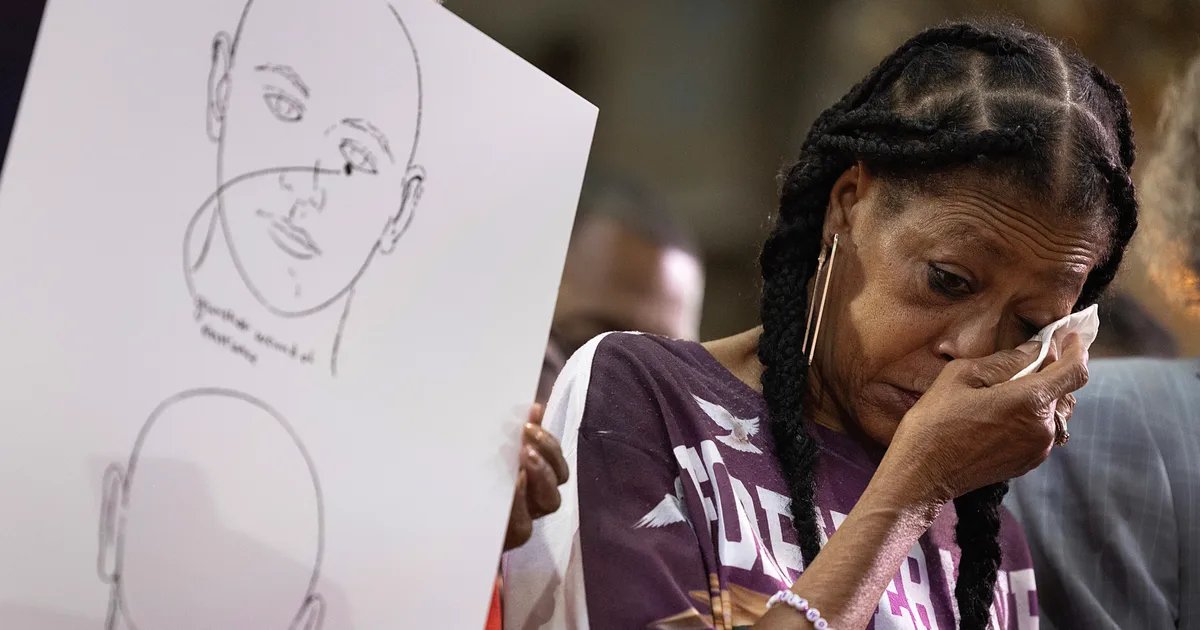
The full circumstances surrounding Sean Grayson’s death remain under investigation, and the release of autopsy results will provide further clarity on his cause of death. Until then, the public is left with unanswered questions about what happened in his final days, whether his cancer treatment was adequate, and whether his death could have been prevented.
Frequently Asked Questions
How did Sean Grayson die?
Sean Grayson died in prison custody on August 23 while serving a 20-year sentence. The official cause of death has not yet been determined, and an autopsy is pending. Grayson had been battling stage 4 colon cancer that had spread to his liver and lungs, which may have contributed to his death.
What was Sean Grayson’s cause of death?
Sean Grayson’s official cause of death has not been disclosed as of the latest updates. While he had stage 4 colon cancer, authorities are conducting an autopsy to determine the exact cause. Toxicology and medical reports are also being reviewed.
When did Sean Grayson die?
Sean Grayson died on August 23. His attorney confirmed the death on August 24. He was 32 years old at the time of his death.
Why was Sean Grayson in prison?
Sean Grayson was in prison after being convicted of second-degree murder for the killing of Sonya Massey. He was sentenced to 20 years in prison in January, following his conviction in October.
What happened to Sonya Massey?
Sonya Massey, 36, was shot and killed by Sean Grayson in her Springfield, Illinois home in July 2024 after calling 911 for help. Body-camera footage showed Grayson threatening her before firing his weapon. Grayson claimed self-defense, but he was convicted of second-degree murder.