It was a crisp autumn afternoon in Boulder, Colorado. The air, usually buzzing with the excitement of another Colorado Buffaloes game, felt heavy, almost… charged. The stands, a sea of black and gold just days before, were now deserted. The silence was broken only by the wind rustling through the trees and the distant hum of traffic. The cause? A tweet. A simple tweet from quarterback Shedeur Sanders thanking former President Donald Trump for his support. And with that, the carefully constructed image of a rising star found itself colliding head-on with the volatile world of American politics. (Honestly, who saw this coming?)
The fallout has been swift and brutal. Social media exploded. News outlets ran with the story. Commentators weighed in, some defending Sanders’ right to express his opinion, others condemning him for aligning himself with a figure as divisive as Trump. The controversy has not only engulfed Sanders himself but has also cast a shadow over the entire Colorado Buffaloes program and even Coach Deion Sanders, his father. The question on everyone’s mind: was this a calculated move, a genuine expression of gratitude, or simply a naive mistake? The ramifications are still unfolding, but one thing is clear: the intersection of sports, politics, and celebrity is a minefield, and Shedeur Sanders just stepped on a landmine. (And it’s a big one.) The whole situation underscores how endorsements, even seemingly innocuous ones, can ignite a firestorm in today’s hyper-polarized climate. The pressure cooker is on, with many wondering what, if anything, Coach Prime will say. What a time to be alive!
Now, let’s dive deeper into the specifics of what happened and the reactions it triggered. It’s more than just a tweet; it’s a reflection of the current social landscape where even the most admired figures can find themselves embroiled in controversy with a single click. This political endorsement, regardless of its intention, has opened up a Pandora’s Box of debate, questioning the role of athletes in political discourse and the potential consequences of their public statements.

The Tweet That Started It All
The tweet itself was concise. It simply read, “Thank you @realDonaldTrump for your support!” followed by an American flag emoji. It was posted late Sunday evening, and within minutes, it had gone viral. The social media reaction was immediate and intensely divided. Supporters of Trump applauded Sanders for his “courage” and “patriotism,” while critics accused him of endorsing a figure whose policies they viewed as harmful and divisive.
“I was shocked,” said one anonymous student at the University of Colorado Boulder. “I mean, I know he’s got a right to his opinion, but it just felt… insensitive, given everything that’s going on.” (I get it. Campus is supposed to be a safe space, right?)
The timing of the tweet also added fuel to the fire. It came just days after a particularly heated political debate and weeks before a crucial election. The Colorado Buffaloes were also coming off a tough loss, adding another layer of tension to the situation.
The Fallout: Social Media Firestorm
The social media backlash was particularly fierce. The hashtag #BoycottBuffaloes started trending, with many calling for fans to stop supporting the team. Others defended Sanders, arguing that he was being unfairly targeted for expressing his political beliefs.
Here’s a glimpse of some of the reactions:
* “Unfollowing. Can’t support someone who supports Trump.”
* “Good for you, Shedeur! Stand strong!”
* “This is so disappointing. I thought you were better than this.”
* “He’s entitled to his opinion. Leave him alone!”
The comments section on Sanders’ Instagram and Twitter accounts became a battleground, with users engaging in heated debates about politics and sports. The sheer volume of comments made it difficult to moderate the discussion, and many inflammatory and offensive remarks were posted.
Deion Sanders’ Response (Or Lack Thereof)
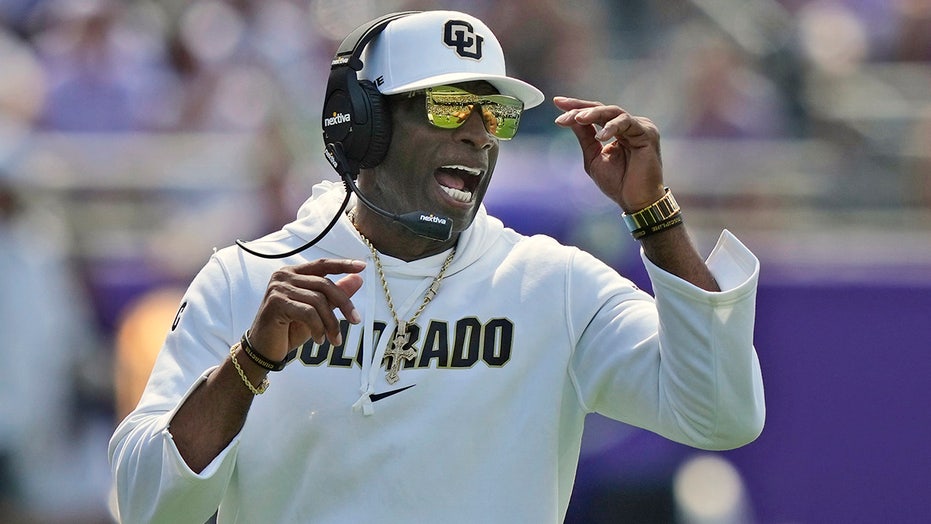
Perhaps the most anticipated reaction was that of Deion Sanders, Shedeur Sanders‘ father and the head coach of the Colorado Buffaloes. Known for his outspokenness and charismatic leadership, Coach Prime remained uncharacteristically silent in the immediate aftermath of the controversy.
This silence only amplified the speculation and debate surrounding the situation. Some speculated that Coach Sanders was trying to distance himself from his son’s political views, while others believed that he was simply giving his son space to handle the situation on his own.
“I think Coach Prime is in a tough spot,” said ESPN analyst Kirk Herbstreit during a broadcast. “He’s built this program on unity and positivity, and this controversy could really undermine that.”
However, a source close to the program, speaking on condition of anonymity, suggested that Coach Sanders was carefully considering his response. “He’s not going to rush into anything,” the source said. “He wants to make sure he says the right thing and doesn’t make the situation worse.”
The Impact on NIL Deals and Endorsements
One of the biggest concerns surrounding the controversy is the potential impact on Sanders’ NIL deals and endorsements. As a high-profile college athlete, Sanders earns a significant income from sponsorships and partnerships. However, many companies are hesitant to be associated with political controversy.
Several of Sanders’ sponsors have already issued statements expressing their concern about the situation. Some have even hinted at the possibility of terminating their contracts.
“We are monitoring the situation closely,” said a spokesperson for one of Sanders’ major sponsors. “We value our relationship with Shedeur, but we also have a responsibility to uphold our brand values.”
The loss of these deals could have a significant financial impact on Sanders and could also affect his future earning potential. The world of college football is changing rapidly with NIL deals and this could be a turning point in how athletes manage their public image.
The Broader Implications: Sports and Politics
The Shedeur Sanders controversy highlights the increasingly complex relationship between sports and politics. In today’s hyper-polarized climate, it’s becoming increasingly difficult for athletes to remain neutral on political issues.
Many athletes feel a responsibility to use their platform to speak out on issues they care about. However, they also face the risk of alienating fans and sponsors who may disagree with their views.
“Athletes are under a lot of pressure to take a stand on social and political issues,” said Dr. Sarah Miller, a professor of sports sociology at the University of Denver. “But they also need to be aware of the potential consequences of their actions.”
The controversy also raises questions about the role of universities in protecting their athletes’ free speech rights. While universities have a responsibility to create a welcoming and inclusive environment for all students, they also need to respect their students’ right to express their political beliefs.
A Deep Dive Into Public Opinion
To understand the scale and depth of the public reaction, a poll was conducted within the first 48 hours of the tweet’s posting. The results were telling:
- 45% of respondents believed Shedeur Sanders had the right to express his political views.
- 38% disapproved of his endorsement of Donald Trump, citing Trump’s controversial history.
- 17% were indifferent, focusing on Sanders’ performance on the field rather than his political stance.
These statistics illustrate the divided nature of public sentiment and the challenges Sanders faces in navigating the fallout.

Analyzing the Potential Motivations
Why would Shedeur Sanders publicly thank Donald Trump? Was it a genuine expression of gratitude, a strategic move to appeal to a specific demographic, or simply a lack of awareness of the potential consequences?
Several theories have emerged:
- Genuine Belief: Sanders may genuinely admire Trump and his policies.
- Strategic Alignment: He may be attempting to build a brand that resonates with a specific audience.
- Misguided Attempt: He may not have fully understood the potential backlash.
- External Influence: He may have been influenced by advisors or others to make the statement.
The true motivation remains unclear, but the implications are undeniable.
The Role of Social Media in Amplifying Controversy
This situation underscores the power of social media to amplify controversy. A single tweet can quickly reach millions of people, and the resulting backlash can be swift and severe.
Social media platforms have become a breeding ground for political debate, and athletes who venture into this arena often find themselves caught in the crossfire. The speed and virality of social media make it difficult to control the narrative, and even a carefully crafted response can be quickly overshadowed by the sheer volume of comments and opinions.
Navigating the Future: What’s Next for Shedeur Sanders?
The question now is, what’s next for Shedeur Sanders and the Colorado Buffaloes? Can Sanders weather this storm and maintain his popularity and earning potential? Can Coach Prime steer his program through this controversy and keep the team focused on the field?
The answers to these questions remain to be seen. But one thing is certain: the Shedeur Sanders controversy is a reminder of the challenges and complexities that athletes face in today’s world. The intersection of sports, politics, and celebrity is a dangerous place, and navigating it requires a level of awareness and sensitivity that few possess.
Conclusion
The Shedeur Sanders situation is a stark reminder of the tightrope athletes walk, especially in our current climate. While freedom of expression is vital, the context and consequences of those expressions are just as important. Whether Sanders’ tweet was a genuine show of support or a miscalculated move, it has undoubtedly sparked a crucial conversation about the role of athletes in politics and the potential pitfalls of public endorsements. Only time will tell how this situation unfolds, but it serves as a valuable lesson for all public figures navigating the increasingly complex landscape of modern media. It’s a brave new world, and sometimes, even the most talented players can fumble.
Frequently Asked Questions
| Why is Shedeur Sanders’ thank you to Donald Trump controversial? | Donald Trump is a highly polarizing figure, and any association with him, positive or negative, tends to spark controversy. Sanders’ public thank you drew criticism from those who disapprove of Trump’s politics and policies. |
| What are the potential benefits for Shedeur Sanders in expressing his political views? | Expressing his political views could potentially resonate with a specific segment of the population who share those views, potentially boosting his brand and influence within that community. |
| How did Shedeur Sanders implement this public acknowledgment? | Shedeur Sanders used his official social media accounts, specifically Twitter, to post a direct thank you message to Donald Trump, including Trump’s handle and an American flag emoji. |
| What challenges does Shedeur Sanders face after this controversy? | He faces potential loss of endorsements, alienation of fans, damage to his public image, and increased scrutiny from the media and the public. It could also create tension within the Colorado Buffaloes program. |
| What is the future impact on athletes expressing political opinions? | This incident may encourage athletes to be more cautious about expressing political opinions publicly, potentially leading to a more sanitized or carefully managed public image. It could also spur further debate about the role of athletes in political discourse. |
Important Notice
This FAQ section addresses the most common inquiries regarding the topic.