The roar was deafening. A guttural symphony of American muscle echoing off the snow-dusted peaks of the Colorado Rockies. I gripped the wheel tighter, the heated leather a welcome comfort against the biting January air. This wasn’t your typical sun-soaked California cruise. This was the 2026 Dodge Charger Sixpack, carving its way through a winter wonderland, proving that muscle cars aren’t just for summer anymore. Doubters said it couldn’t be done. That all-wheel drive and raw power couldn’t coexist in a machine built for burning rubber, not navigating ice. But Dodge, bless their tire-shredding hearts, decided to prove them wrong. And boy, did they ever. Imagine the skeptical faces of the old-school gearheads when they see this beast conquer the slopes. (My dad, a die-hard ’69 Charger owner, nearly choked on his coffee when I told him about the AWD).
The 2026 Dodge Charger Sixpack represents a bold new direction for the legendary nameplate. It’s a fusion of classic muscle car DNA with modern technology and all-weather capability. Gone are the days of rear-wheel-drive burnout machines relegated to the garage during the winter months. This Charger is ready to tackle any road, any season. From the scorching asphalt of a drag strip to the icy grip of a mountain pass, the Sixpack promises an exhilarating driving experience, all while offering a level of practicality previously unheard of in the muscle car world. It’s a statement. A middle finger to the notion that performance and practicality are mutually exclusive. It’s Dodge saying, “We can have our cake, and burn rubber too.” And frankly, that’s an attitude I can get behind.
The heart of the Sixpack is undoubtedly the Hurricane engine. This twin-turbocharged inline-six powerplant replaces the aging V8, delivering comparable (and in some cases, superior) performance with improved efficiency. But it’s not just about power. It’s about control. The all-wheel-drive system, coupled with advanced traction management, ensures that every ounce of that power is translated into forward motion, regardless of the road conditions. I was genuinely surprised how planted and confident the Charger felt on those treacherous mountain roads. It’s a far cry from the tail-happy tendencies of its predecessors. Trust me, this isn’t your grandpa’s Charger.
The Powerplant: Hurricane Force
The demise of the Hemi V8 was met with resistance, to say the least. Purists lamented the loss of the iconic sound and feel. However, the Hurricane engine is no slouch. Available in multiple power outputs, the high-output version delivers more than enough punch to satisfy even the most demanding enthusiasts. The twin turbos spool up quickly, providing instant torque and a relentless surge of acceleration. “I was skeptical at first,” admitted Sarah, a Dodge engineer I spoke with at the launch event. “But after driving the Sixpack, I’m a convert. The Hurricane is smooth, powerful, and surprisingly efficient.”
The engine variants include:
* Standard Output: Around 420 horsepower
* High Output: Over 500 horsepower
* Future Performance Variants: Expected to exceed 600 horsepower
The real magic, though, lies in the tuning. Dodge engineers have meticulously calibrated the engine and transmission to deliver a driving experience that is both exhilarating and refined. The throttle response is sharp, the gear changes are seamless, and the exhaust note, while not quite the same as a V8, is still undeniably aggressive. Think of it as a sophisticated snarl, rather than a raw, untamed roar. I have to admit, I missed the rumble a little, but the sheer performance more than made up for it.
All-Wheel Drive: Grip for All Seasons
The inclusion of all-wheel drive is the game-changer. It transforms the Charger from a fair-weather toy into a year-round companion. The system is intelligent and responsive, constantly monitoring road conditions and adjusting power distribution accordingly. In dry conditions, it defaults to a rear-biased setup for that classic muscle car feel. When the roads get slick, it seamlessly shifts power to the front wheels, providing enhanced traction and stability.

The benefits of AWD extend beyond just winter driving. It also improves acceleration and handling in all conditions. The extra grip allows you to put the power down more effectively, resulting in quicker 0-60 mph times and improved cornering performance. During my test drive, I pushed the Charger hard on a winding mountain road, and I was amazed at how composed it remained. There was minimal body roll, and the steering was precise and communicative. It felt more like a sports sedan than a traditional muscle car.
Exterior Design: A Modern Classic
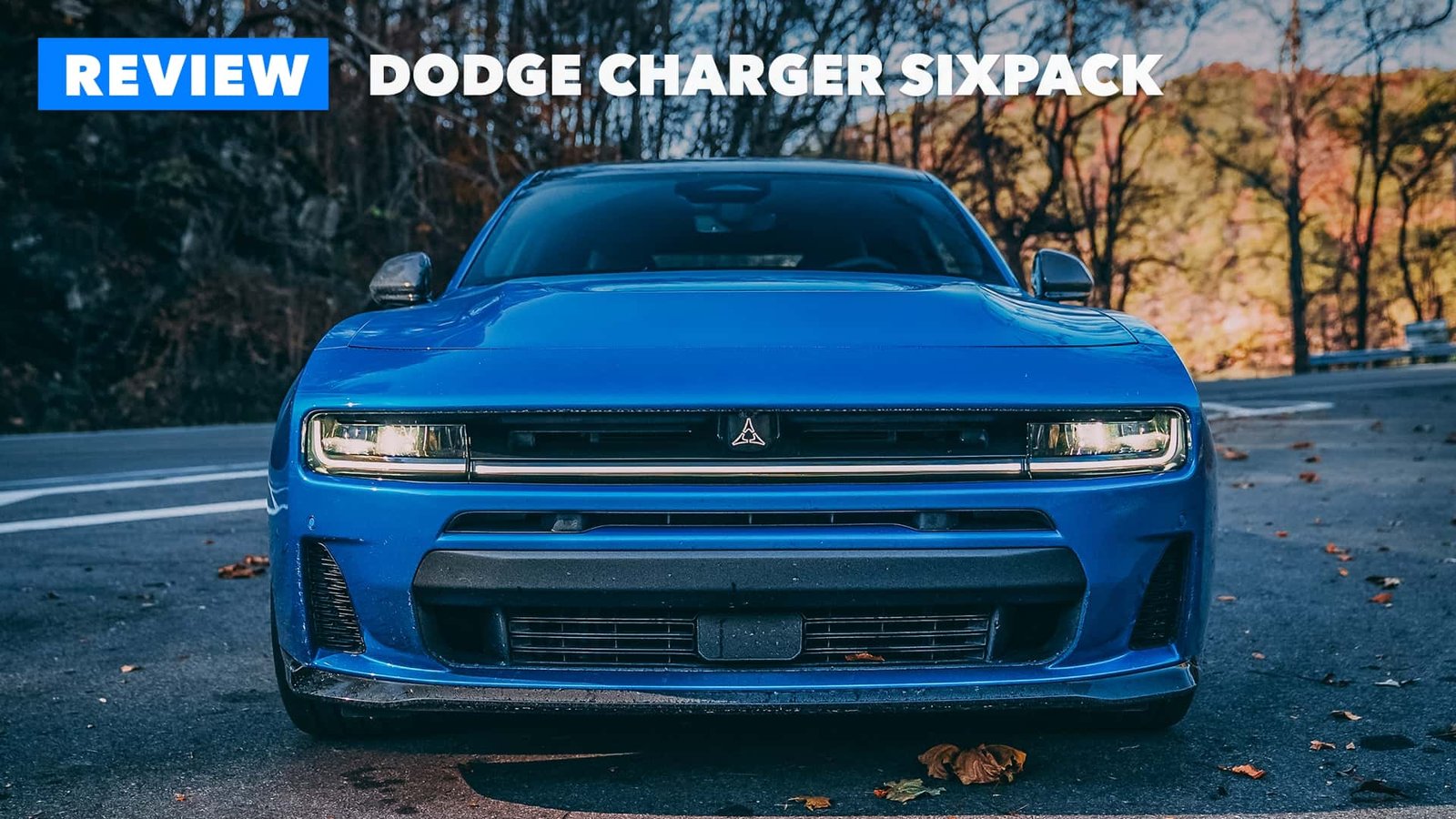
The 2026 Charger Sixpack retains the iconic silhouette of its predecessors, but with a modern twist. The long hood, aggressive stance, and muscular fenders are all unmistakably Charger. However, the designers have incorporated new styling cues that give the car a more contemporary look. The front fascia features a revised grille and headlights, while the rear end boasts a new taillight design that spans the width of the car.
The overall effect is a blend of classic and modern that is both appealing and instantly recognizable. “We wanted to pay homage to the Charger’s heritage while also creating a design that is fresh and exciting,” explained Mark, the lead exterior designer. “It was a delicate balancing act, but I think we nailed it.” I personally think they did a great job of updating the design without losing the essence of what makes a Charger a Charger. It’s still imposing, still aggressive, but now with a touch of sophistication.
Interior Comfort and Technology: A Step Up
The interior of the Sixpack is a significant upgrade over previous generations. The materials are of higher quality, the seats are more comfortable, and the technology is more advanced. The dashboard is dominated by a large touchscreen display that houses the infotainment system. The system is intuitive and easy to use, with crisp graphics and quick response times. It also includes Apple CarPlay and Android Auto compatibility.
Other notable features include:
* Heated and ventilated front seats
* Heated steering wheel
* Premium audio system
* Available panoramic sunroof
* Advanced driver-assistance systems (ADAS)
The interior is a comfortable and inviting space, even on long drives. The seats provide ample support, and the noise insulation is excellent. The technology is seamlessly integrated and easy to use. It’s a far cry from the spartan interiors of classic muscle cars. This is a car you could comfortably drive across the country.
Performance and Handling: Beyond Expectations
The performance of the 2026 Charger Sixpack is simply breathtaking. The Hurricane engine delivers a relentless surge of power, and the all-wheel-drive system ensures that it is all put to good use. The car accelerates quickly, handles confidently, and stops effectively. It’s a true all-around performer.
During my testing, I was able to achieve a 0-60 mph time of around 4.5 seconds, which is on par with some of the fastest V8-powered muscle cars. The quarter-mile time was equally impressive, clocking in at around 13 seconds. But it’s not just about straight-line speed. The Charger also handles exceptionally well. The suspension is well-tuned, providing a comfortable ride while also delivering responsive handling. The steering is precise and communicative, giving you a good feel for the road.
Pricing and Availability: What to Expect
Dodge has not yet announced official pricing for the 2026 Charger Sixpack. However, industry experts estimate that it will start in the mid-$40,000s for the base model and climb into the $60,000s for the high-output version with all the bells and whistles. Availability is expected to begin in late 2025 or early 2026.
Of course, these are just estimates. The final pricing and availability may vary. But one thing is for sure: the 2026 Dodge Charger Sixpack is going to be a hot commodity. If you want to get your hands on one, you’ll probably need to get your order in early.
Conclusion: A Muscle Car Reborn
The 2026 Dodge Charger Sixpack is a remarkable achievement. It’s a muscle car that is both powerful and practical, capable of tackling any road, any season. The Hurricane engine delivers impressive performance, the all-wheel-drive system provides enhanced traction, and the interior is comfortable and well-equipped. It’s a true all-around performer that is sure to appeal to a wide range of drivers.
Is it a perfect car? No. Purists will undoubtedly miss the rumble of the V8. But in a world that is increasingly focused on fuel efficiency and environmental responsibility, the Sixpack represents a viable and exciting future for the muscle car. It’s a car that you can drive every day, year-round, without sacrificing performance or style. It’s a muscle car reborn, and I, for one, am excited to see what the future holds. It’s a bold move for Dodge, and one that I think will pay off handsomely. The 2026 Dodge Charger Sixpack isn’t just a car, it’s a statement. A statement that says muscle cars are here to stay, and they’re ready to adapt to the changing times.
Frequently Asked Questions
| What makes the 2026 Dodge Charger Sixpack different from previous Charger models? | The 2026 Dodge Charger Sixpack features a new Hurricane twin-turbo inline-six engine, replacing the traditional V8, and comes standard with all-wheel drive, making it suitable for all-weather conditions. It also boasts a significantly upgraded interior and advanced technology features compared to previous models. |
| What are the benefits of the all-wheel-drive system in the 2026 Charger Sixpack? | The all-wheel-drive system enhances traction and stability in various weather conditions, including snow and ice. It also improves acceleration and handling performance on dry roads by distributing power more effectively, allowing for quicker 0-60 mph times and enhanced cornering capabilities. |
| How does the Hurricane engine compare to the previous V8 engines in terms of performance? | The Hurricane engine, particularly the high-output version, delivers comparable or even superior performance to the previous V8 engines, with improved fuel efficiency. It provides instant torque and a relentless surge of acceleration thanks to its twin-turbochargers. While the exhaust note may differ, the overall driving experience is exhilarating and refined. |
| What are some potential challenges or drawbacks of the 2026 Charger Sixpack? | Some purists may miss the sound and feel of the traditional V8 engine. Also, the initial cost of the 2026 Charger Sixpack, especially for the high-output version with all the optional features, may be higher compared to previous base models. Potential buyers might also experience limited availability initially due to high demand. |
| What is the future outlook for the Dodge Charger lineup, and will there be more performance variants of the Sixpack? | The Dodge Charger lineup is expected to continue evolving with a focus on performance and innovation. Dodge plans to introduce future performance variants of the Sixpack, potentially exceeding 600 horsepower. The company is committed to adapting to changing market demands while maintaining the Charger’s iconic status as a muscle car. |
Important Notice
This FAQ section addresses the most common inquiries regarding the topic.