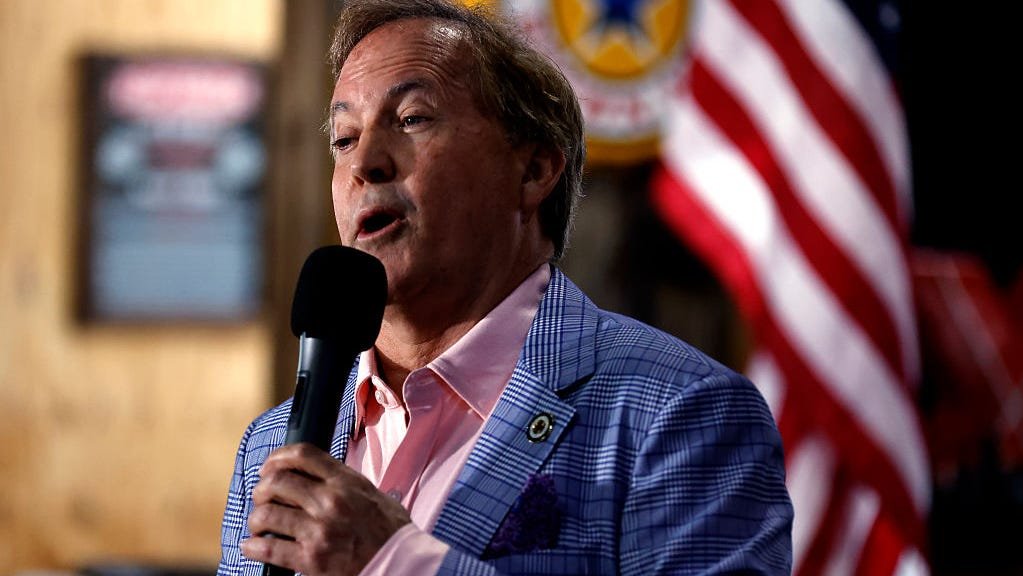
James Talarico is pressing to release Ken Paxton’s sealed depositions from a 2019 securities fraud case, filing a formal court motion that argues Texas voters have a right to review the Republican attorney general’s sworn testimony before casting ballots in November. The Democratic Senate nominee’s campaign filed the motion on Aug. 26 in Texas district court, targeting two depositions Paxton gave in connection with a lawsuit against Unity Resources, a Texas-based energy company he once represented, that have remained hidden from public view for years. The motion, filed in the 353rd District Court in Travis County, does not include a specific case number but references the underlying litigation between Charles Loper III and Byron Cook that concluded in 2023.
- Court Motion Filed: Talarico campaign seeks to unseal Paxton’s 2019 and 2022 depositions in Unity Resources securities fraud case
- Core Argument: Texans deserve transparency about Paxton’s sworn testimony before the November general election
- Judge’s Ties: Cynthia Wheless, who sealed the testimony, donated approximately $1,825 to Paxton campaigns since 2014
- Paxton’s Response: Campaign dismisses motion as “desperate” distraction from Talarico’s “radical record”
- Race Context: Toss-up Senate battle despite Texas’ reliably Republican voting history
- Prior Controversies: Paxton survived 2023 impeachment, was divorced from state Sen. Angela Paxton in 2025
- Legal Standing Question: Talarico was not a party to the original case, raising questions about his standing to request unsealing
The legal maneuver stems from a 2019 securities fraud lawsuit filed by Charles Loper III, a close Paxton friend, against Byron Cook, a former state legislator who served alongside Paxton in the Texas House of Representatives. Loper and his father alleged Cook deceived them out of hundreds of thousands of dollars—claims Cook denied in court proceedings. Paxton was not a defendant in the suit, but as Unity Resources’ former attorney, board member, and investor, he was deposed in 2019 and again in 2022, providing roughly six hours of testimony under oath that has remained sealed ever since. The case was ultimately dismissed in 2023, but the depositions remained under seal per Judge Cynthia Wheless’s order.
The first deposition, though unreleased to the public, was reviewed by The Wall Street Journal, which reported in April that Paxton had allegedly broken attorney-client privilege by providing confidential information about Unity Resources to state Representative Mitch Little, an attorney representing Loper. That revelation has fueled Democratic calls for transparency, with Talarico’s campaign attorneys arguing in their motion that “Texans have the right to know what Paxton said under oath in these proceedings and see the whole story before they go to the polls in November.” The motion further states that “there is no legal basis to keep this testimony from public view” given Paxton’s status as a candidate for federal office.
Both sworn statements were sealed by state District Judge Cynthia Wheless, whose financial contributions to Paxton and his wife have drawn scrutiny. Texas campaign finance records show Wheless donated approximately $1,000 to state Sen. Angela Paxton’s 2018 campaign and has contributed roughly $1,825 total to both Ken and Angela Paxton’s campaigns since 2014. Wheless’ husband, who also serves as a judge, later ruled to seal Ken and Angela Paxton’s divorce records after the attorney general’s wife announced their split in 2025. The Talarico campaign’s motion requests an oral hearing “as soon as possible” given the “sharply competitive election,” arguing there is no legal basis to keep Paxton’s testimony from public view. The Texas Tribune reported that legal experts are divided on whether the motion has merit, with some noting that depositions are routinely sealed in civil cases and remain confidential unless a compelling public interest justifies their release.
The Texas Senate race has emerged as one of the 2026 midterm’s most closely watched contests, with forecasters labeling it a toss-up despite the Lone Star State’s reliable Republican voting patterns. The outcome could determine control of Congress’ upper chamber in the final two years of President Donald Trump’s second term. Paxton, who won the GOP nomination over longtime Sen. John Cornyn in May, has been trailing Talarico in most surveys over recent weeks, though polling remains tight in a state Trump carried by roughly 14 percentage points in 2024. The Washington Post noted that Texas voters remain largely unfamiliar with the specifics of the Unity Resources case, making the depositions’ contents potentially decisive in shaping public opinion.
A Timeline of Controversy: Paxton’s Legal and Political Battles
To understand the significance of Talarico’s motion, it is essential to place it within the broader timeline of Ken Paxton’s legal and political challenges. The attorney general has faced persistent scrutiny since taking office in 2015, with a series of controversies that have defined his tenure and now shape his Senate campaign:
- 2014: Paxton is elected Texas Attorney General, taking office in January 2015
- 2015: Paxton is indicted on state securities fraud charges, accused of defrauding investors in a technology company before taking office
- 2019: Paxton gives the first sealed deposition in the Unity Resources case; the case languishes for years amid legal maneuvering
- 2022: Paxton gives a second deposition in the Unity Resources case, further expanding the sealed testimony
- 2023: Paxton is impeached by the Texas House of Representatives on bribery charges; the GOP-led Senate acquits him; the Unity Resources case is dismissed but depositions remain sealed
- 2025: State Sen. Angela Paxton announces divorce on “biblical grounds” after 38 years of marriage; divorce records are sealed by a judge
- May 2026: Paxton defeats incumbent Sen. John Cornyn in the GOP primary runoff, securing the Republican nomination
- Aug. 26, 2026: Talarico campaign files motion to unseal Paxton’s Unity Resources depositions
This timeline reveals a pattern of legal and political turbulence that has followed Paxton throughout his career. The impeachment proceedings in particular exposed significant divisions within the Texas Republican Party, with some members of Paxton’s own party questioning his fitness for office. However, Paxton has consistently maintained his innocence, characterizing each controversy as a politically motivated attack by establishment figures unwilling to accept his conservative agenda.
Cornyn, in his primary campaign, had warned that Paxton’s legal troubles and ethical baggage would provide Democrats with ammunition in the general election. Those warnings have proven prescient, as Talarico’s campaign has centered its attacks on Paxton’s controversies, hoping to appeal to moderate Republicans and independents who may be uncomfortable with the attorney general’s track record. The sealed depositions now represent the latest battleground in this ongoing conflict, with Talarico seeking to elevate ethical questions about his opponent’s conduct before voters head to the polls.
The Unity Resources Case: What’s Inside the Sealed Depositions?
The Unity Resources lawsuit provides the underlying legal framework for Talarico’s transparency push. Charles Loper III, a friend and political ally of Paxton, and his father alleged that former state Rep. Byron Cook defrauded them out of hundreds of thousands of dollars. Cook denied the allegations, and the case has since concluded—but Paxton’s role has remained a subject of intense speculation, fueled by the sealed deposition transcripts that have never been fully disclosed.
According to The Wall Street Journal’s April reporting, Paxton allegedly violated attorney-client privilege during the 2019 deposition by sharing confidential information about Unity Resources with state Rep. Mitch Little, who was representing Loper in the case. This allegation, if proven, would represent a serious breach of professional conduct for an attorney general who is, in effect, the state’s top lawyer. The Journal’s review of the deposition transcript revealed details about Paxton’s communications with Little, though the full scope of the testimony remains unknown to the public.
The Talarico campaign’s Aug. 26 motion argues that the depositions “raise substantial ethical questions” about Paxton’s conduct and that voters deserve to review the testimony before making their electoral decisions in November. The motion contends that no legal justification exists for keeping the depositions sealed, particularly given Paxton’s status as a candidate for the U.S. Senate. “This is about basic transparency,” Talarico said in a statement accompanying the filing. “If Ken Paxton has nothing to hide, he should have no objection to Texans seeing what he said under oath.”
However, Paxton’s legal team is expected to raise several defenses if the motion proceeds. These may include arguments that the depositions are protected by attorney-client privilege, that confidentiality orders in civil cases are routinely upheld by Texas courts, and that Talarico lacks standing to request unsealing because he was not a party to the original litigation. Additionally, Paxton’s attorneys may argue that the depositions contain sensitive business information about Unity Resources that should remain confidential to protect the company’s interests. The Paxton campaign has not directly addressed the substantive allegations raised in Talarico’s motion, instead pivoting to attacks on the Democratic nominee’s policy positions. “James Talarico is once again proving how desperate he is to try and hide his radical record from Texans,” said Madison Cercy, a Paxton campaign spokeswoman, in a statement to USA TODAY. Cercy accused Talarico of supporting policies that would put “men in women’s sports” and repeatedly voting to “raise taxes on hardworking Texans,” including positions on income and property taxes that she characterized as “far-left Democrat socialist ideas.”
Transparency vs. Political Strategy: The Legal Battle Intensifies
The motion to unseal Paxton’s depositions has sparked debate among legal scholars and political observers about whether the request represents a legitimate transparency concern or a calculated political tactic. Judge Cynthia Wheless, who sealed the testimony, has faced scrutiny over her financial contributions to the Paxtons, but legal experts note that judges routinely receive campaign contributions in Texas’s partisan judicial election system. The question of whether those contributions create an actual conflict of interest remains unsettled, and Talarico’s campaign has not yet requested Wheless’s recusal.
Legal analysts who spoke with The Washington Post noted that while the public has a strong interest in understanding the backgrounds of candidates for federal office, courts are generally reluctant to unseal depositions from concluded civil cases unless the parties involved consent or a compelling justification is established. Paxton’s legal team has not yet filed a formal response to the motion, but the campaign’s public statements suggest they will vigorously oppose any effort to release the testimony. Paxton’s attorneys are expected to argue that the depositions are protected by Texas Rule of Civil Procedure 76a, which governs the sealing of court records and requires a showing of good cause to maintain confidentiality—or conversely, a compelling public interest to unseal.
The legal standard for unsealing depositions in Texas is well-established. Under Rule 76a, court records may be sealed only if the court finds that a specific, serious interest outweighs the presumption of openness. However, the rule applies primarily to court records, and depositions that are not formally filed with the court may be subject to different standards. This legal nuance could prove decisive in the Talarico motion, as Paxton’s team may argue that the depositions were never formally admitted into evidence and therefore are not subject to the same presumption of public access.
The timing of the motion—filed in late August, approximately two months before the November election—appears designed to maximize political impact while leaving sufficient time for litigation to resolve. The Talarico campaign has requested an oral hearing “as soon as possible,” indicating a sense of urgency that reflects the close nature of the race. If the court grants the motion and releases the depositions, the contents could dramatically reshape the trajectory of the campaign in its final weeks. Conversely, if the motion is denied, Talarico could use the denial as a rallying cry, accusing the court system of protecting Paxton from scrutiny.
For Paxton, the stakes are considerable. The attorney general has navigated multiple legal and political crises throughout his career, each time emerging with his political base intact. However, the competitive nature of the Senate race—combined with the lingering impact of his impeachment, divorce, and the lingering questions surrounding his conduct in the Unity Resources case—could make this controversy more difficult to escape. Polls indicate that a significant portion of Texas voters remain undecided, and any new revelations from the sealed depositions could prove decisive in a race where margins are expected to be narrow.
Texas Senate Race: A Toss-Up With National Implications
The Texas Senate election has taken on national significance as Democrats seek to defend their narrow majority in the chamber. With President Trump in his second term and the Senate divided by a razor-thin margin, every competitive race carries outsized importance. Texas, despite its conservative leanings in presidential elections, has become increasingly competitive down the ballot, driven by demographic shifts in urban and suburban areas and a growing Latino electorate that has shown openness to Democratic candidates.
Recent polling has shown Talarico performing strongly among independent voters and suburban women—demographics that have trended toward Democrats in recent election cycles. The Democratic nominee’s background as a state legislator and his record on education and economic issues have resonated with voters in the state’s rapidly growing metropolitan areas, including Austin, Dallas, Houston, and San Antonio. Paxton’s base, by contrast, remains concentrated in rural areas and smaller cities, where his conservative credentials and Trump endorsement hold significant sway.
National Democratic and Republican groups have poured substantial resources into the race, with outside spending expected to exceed $100 million before Election Day. The race has become a test of whether Texas is truly becoming a swing state or whether its Republican leanings will reassert themselves in a high-turnout presidential-year environment. The outcome could also shape the national political landscape heading into the 2028 presidential election, with Texas’ 40 electoral votes representing a tantalizing prize for any Democratic nominee.
For Talarico, the motion to unseal Paxton’s depositions represents one of the most aggressive political maneuvers of the campaign, positioning him as a transparency reformer willing to challenge entrenched political power. For Paxton, the motion threatens to revive ethical questions that his allies had hoped were behind him. As the court considers the motion, Texas voters and national observers will wait to see whether the sealed testimony becomes public—and whether it determines the outcome of one of 2026’s most consequential elections.
What Happens Next in the Deposition Battle
The Talarico campaign’s motion has set in motion a legal process that could unfold rapidly given the proximity to the November election. Judge Cynthia Wheless, who previously sealed the testimony, will preside over any hearings related to the motion, though the Talarico campaign has not explicitly requested that Wheless recuse herself due to her financial contributions to the Paxtons. If the motion proceeds, both sides will have the opportunity to present arguments, and the court will weigh the public interest against any privacy or confidentiality concerns raised by Paxton’s legal team.
Legal experts suggest several possible outcomes: the court could grant the motion and unseal the depositions in full, it could partially unseal portions of the testimony, or it could deny the motion and leave the depositions sealed. Alternatively, the court could order the parties to negotiate a resolution, potentially releasing redacted versions that protect sensitive business information while providing the public with meaningful insight into Paxton’s testimony. The timeline for any resolution remains uncertain, but the Talarico campaign’s insistence on an expedited hearing suggests they believe the court will act before the election.
Regardless of the court’s decision, the controversy has already accomplished Talarico’s strategic goal of focusing attention on Paxton’s ethical record. The motion has generated significant media coverage, amplifying Democratic attacks on Paxton’s conduct and keeping the issue alive in voters’ minds. Whether the depositions themselves are ultimately released, the political damage may already be done.
For Paxton, the motion represents yet another challenge in a career defined by legal and political combat. The attorney general has consistently denied wrongdoing in his various controversies, and his supporters view the relentless scrutiny as evidence of a coordinated effort to undermine a conservative champion. The November election will ultimately determine whether Texas voters share that assessment or whether the accumulation of controversies has finally taken its toll on one of the state’s most polarizing political figures.
As the Texas Senate race enters its final months, the battle over Paxton’s sealed depositions is likely to remain a defining issue, with each side claiming the mantle of transparency while accusing the other of political gamesmanship. For Texas voters, the resolution of this legal dispute—and the substantive questions it raises about Paxton’s fitness for office—could be the decisive factor in a race that will shape the future of the U.S. Senate.
Frequently Asked Questions About the Sealed Deposition Controversy
Why were Paxton’s depositions sealed in the first place?
The depositions were sealed by state District Judge Cynthia Wheless as part of the broader confidentiality orders in the Unity Resources civil case. Under Texas law, depositions are not automatically public records unless they are formally filed with the court. In many civil cases, parties agree to protective orders that keep discovery materials confidential, particularly when they involve sensitive business information or attorney-client communications.
Does James Talarico have legal standing to request unsealing?
This is a key legal question. Talarico was not a party to the original Unity Resources lawsuit, which could limit his standing to request that the court unseal materials from that case. However, his campaign argues that the public interest in transparency—particularly given Paxton’s status as a candidate for federal office—creates a compelling justification for the court to act. The court will ultimately determine whether Talarico has sufficient standing to pursue the motion.
What legal defenses might Paxton raise?
Paxton’s legal team is expected to argue that the depositions are protected by attorney-client privilege, that confidentiality orders in civil cases are routinely upheld, and that Talarico lacks standing. They may also argue that releasing the depositions would harm the legitimate business interests of Unity Resources or that the depositions contain information about other parties who have a right to privacy. Additionally, Paxton’s attorneys could invoke Texas Rule of Civil Procedure 76a, which requires a showing of good cause to maintain sealing—or conversely, a compelling public interest to unseal.
Does Judge Wheless’s financial contributions create a conflict of interest?
Judge Wheless has donated approximately $1,825 to Paxton campaigns since 2014, raising questions about impartiality. However, Texas judges are elected in partisan races and routinely receive campaign contributions from attorneys and political figures who may appear before them. While the contributions have drawn scrutiny, Wheless has not been formally accused of misconduct, and the Talarico campaign has not requested her recusal. Legal experts note that recusal is typically reserved for cases where a judge has a direct financial interest in the outcome or a close personal relationship with a party—neither of which appears to be present here.
Could the depositions affect the election outcome?
Potentially. The Texas Senate race is considered a toss-up, and any new revelations from the depositions—particularly regarding Paxton’s conduct and alleged breach of attorney-client privilege—could influence undecided voters. However, the ultimate impact will depend on what the depositions actually contain and how effectively each campaign communicates their significance to voters.
How long would it take for the court to rule?
The timeline is uncertain. The Talarico campaign has requested an expedited hearing, but the court will balance the need for urgency against the need for both parties to adequately prepare their arguments. Given the proximity to the November election, the court could rule within weeks, though appeals could extend the timeline further.
What happens if the court denies the motion?
If the court denies Talarico’s motion, the depositions will remain sealed unless Paxton’s legal team or other parties voluntarily agree to release them. However, the denial itself would likely become a campaign issue, with Talarico accusing the court system of protecting Paxton from scrutiny while Paxton argues that the court validated the confidentiality of the proceedings.
Are there precedents for unsealing depositions in political campaigns?
Yes. Courts have occasionally unsealed records in cases involving candidates for public office, particularly when the information is relevant to voters’ assessments of the candidates’ fitness for office. However, courts generally require a strong showing of public interest and are reluctant to override confidentiality orders that were properly issued during civil litigation.
As the Texas Senate race enters its final months, the battle over Paxton’s sealed depositions is likely to remain a defining issue, with each side claiming the mantle of transparency while accusing the other of political gamesmanship. For Texas voters, the resolution of this legal dispute—and the substantive questions it raises about Paxton’s fitness for office—could be the decisive factor in a race that will shape the future of the U.S. Senate.