From Montauk to Netflix: The “Stranger Things” Story
The final season of “Stranger Things” is looming, and fans are practically buzzing with anticipation. With the first batch of episodes of season 5 hitting Netflix soon, it’s a great moment to dive into the behind-the-scenes story of this cultural phenomenon. Believe it or not, “Stranger Things” started out with a completely different name: “Montauk.” This is just scratching the surface of the show’s fascinating history. This article is all about exploring the evolution of “Stranger Things,” from its initial idea to its current status as a global hit, uncovering some secrets and highlighting the creative choices that made this series so beloved. So, let’s jump into the world of Hawkins, Indiana, and the Upside Down, and explore some of the lesser-known facts about how the show came to be.
Understanding the Fundamentals
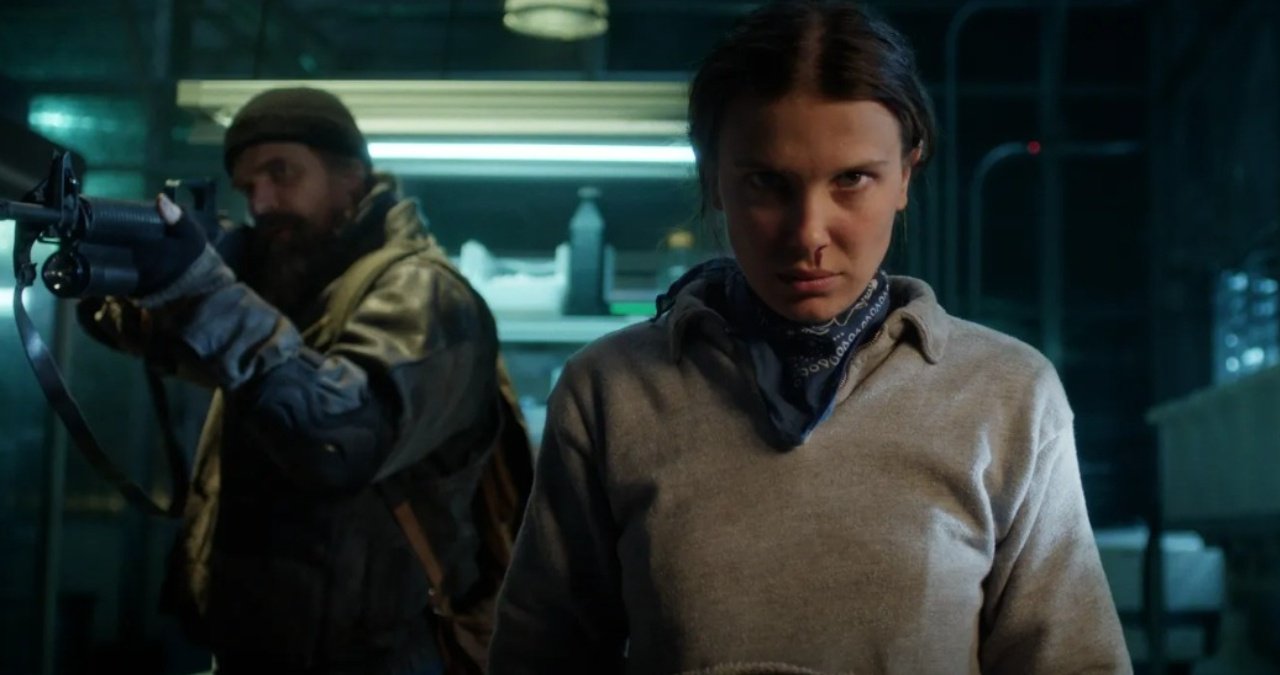
Okay, so what’s the big deal with “Stranger Things,” and why does everyone seem to be talking about the “Montauk” connection? Here’s the thing: “Stranger Things” isn’t just a show; it’s a cultural reset. It perfectly blends sci-fi, horror, and a coming-of-age story, all wrapped up in a nostalgic 1980s package. I mean, who doesn’t love a good dose of nostalgia? But what really makes it stand out is its ability to tap into our collective fears and fascinations. The show explores themes like government conspiracies, the unknown, and the power of friendship, all while delivering a captivating story with memorable characters.
And then there’s the “Montauk” aspect. “Montauk” refers to the Montauk Project, a series of alleged secret government experiments that supposedly took place at Camp Hero in Montauk, Long Island. These experiments supposedly involved things like mind control, time travel, and even contact with extraterrestrial beings. It’s a wild conspiracy theory, and honestly, it’s fascinating. The Duffer Brothers originally planned to set their series in Montauk, drawing inspiration from these rumors. While the setting eventually changed, the core themes of government secrets and paranormal activities remained, heavily influencing the show’s DNA.
Key Benefits and Advantages
So, why should you care about all this “Stranger Things” and “Montauk” stuff? Well, for starters, understanding the show’s origins can deepen your appreciation for the series. Knowing that the Duffer Brothers were initially inspired by the Montauk Project adds another layer of intrigue to the storyline. It makes you wonder, “What if?” What if the show had stayed in Montauk? How would that have changed the narrative? It’s fun to speculate, right?
But beyond that, the success of “Stranger Things” offers some pretty valuable lessons for anyone interested in storytelling or creative projects. The show’s popularity demonstrates the power of nostalgia, the importance of strong character development, and the effectiveness of blending genres. Plus, it shows how a compelling story, even one rooted in a wild conspiracy theory, can capture the imagination of millions. And honestly, that’s pretty inspiring.
Implementation Strategies
Okay, so how can you apply the “Stranger Things” formula to your own creative endeavors? Here’s what I’ve learned:
Step-by-Step Approach
- Find Your Inspiration: Look for unique and intriguing source material. It could be a historical event, a local legend, or even a conspiracy theory like the Montauk Project.
- Develop Compelling Characters: “Stranger Things” is all about its characters. Make sure your characters are relatable, flawed, and have clear motivations.
- Blend Genres: Don’t be afraid to mix different genres. “Stranger Things” successfully combines sci-fi, horror, and coming-of-age elements.
- Embrace Nostalgia: Tap into the audience’s nostalgia by incorporating elements from a specific era. For “Stranger Things,” it was the 1980s.
- Create a Mysterious Atmosphere: Build suspense and intrigue by hinting at secrets and unanswered questions.
Best Practices
- Do Your Research: If you’re drawing inspiration from real-life events or theories, make sure you do your research. This will add authenticity to your story.
- Focus on Character Development: Spend time developing your characters’ backstories and motivations. This will make them more believable and relatable.
- Don’t Overexplain: Leave some things to the audience’s imagination. This will keep them engaged and curious.
- Pay Attention to Detail: The little things matter. Pay attention to the details of your setting, costumes, and dialogue.
- Get Feedback: Share your work with others and get their feedback. This will help you identify areas for improvement.
Common Challenges and Solutions
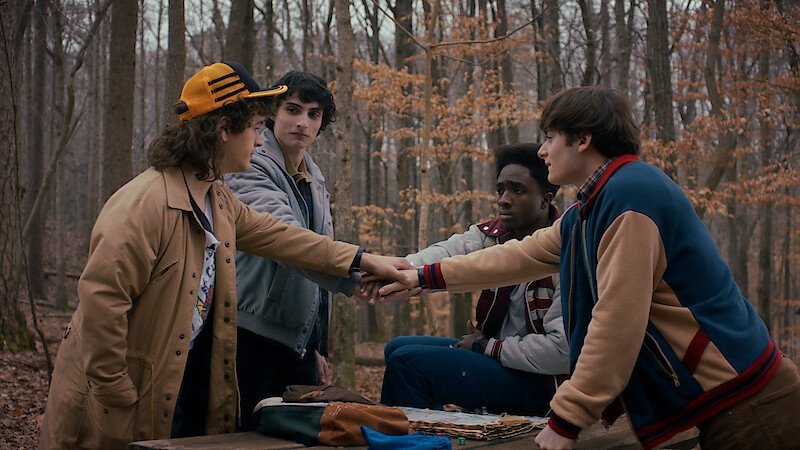
Okay, let’s be honest, creating a “Stranger Things”-level hit isn’t exactly a walk in the park. There are definitely some challenges you might face along the way. Here are a few common obstacles and some practical solutions:
- Challenge: Writer’s block. It happens to the best of us.
- Solution: Take a break, try a new writing environment, or brainstorm with others. Sometimes, stepping away from the project for a bit can help you clear your head and come up with fresh ideas.
- Challenge: Difficulty balancing different genres. It’s easy for a story to feel disjointed if the genres don’t mesh well.
- Solution: Focus on creating a cohesive narrative that seamlessly integrates the different genres. Make sure each genre serves a purpose and contributes to the overall story.
- Challenge: Creating believable characters. If your characters don’t feel real, the audience won’t connect with them.
- Solution: Spend time developing your characters’ backstories, motivations, and relationships. Think about their flaws and vulnerabilities. The more realistic your characters are, the more the audience will care about them.
- Challenge: Avoiding clichés. It’s easy to fall into familiar tropes and clichés, especially when working with popular genres.
- Solution: Be aware of common clichés and actively try to avoid them. Look for fresh and original ways to tell your story.
Real-Life Applications and Examples
So, how has the “Stranger Things” effect played out in the real world? Well, it’s been pretty significant. The show’s success has led to a resurgence of interest in 1980s culture, from fashion and music to movies and video games. I noticed that suddenly everyone was sporting vintage band tees and playing Dungeons & Dragons. It’s kind of funny how a TV show can have such a big impact on pop culture.
Plus, “Stranger Things” has inspired countless other creative projects, from books and movies to video games and podcasts. It’s clear that the show’s blend of nostalgia, sci-fi, and horror has resonated with a wide audience, and other creators are trying to capture that same magic. The success of “Stranger Things” has also demonstrated the power of streaming platforms like Netflix to launch new and original content. The show’s global reach is a testament to the potential of these platforms to connect creators with audiences around the world. Speaking of global reach, the success of “Stranger Things” highlights the importance of strong narratives in captivating global audiences, much like the enduring appeal of Tarantino’s “Kill Bill”, which has also seen a recent resurgence in popularity.
Future Outlook and Trends
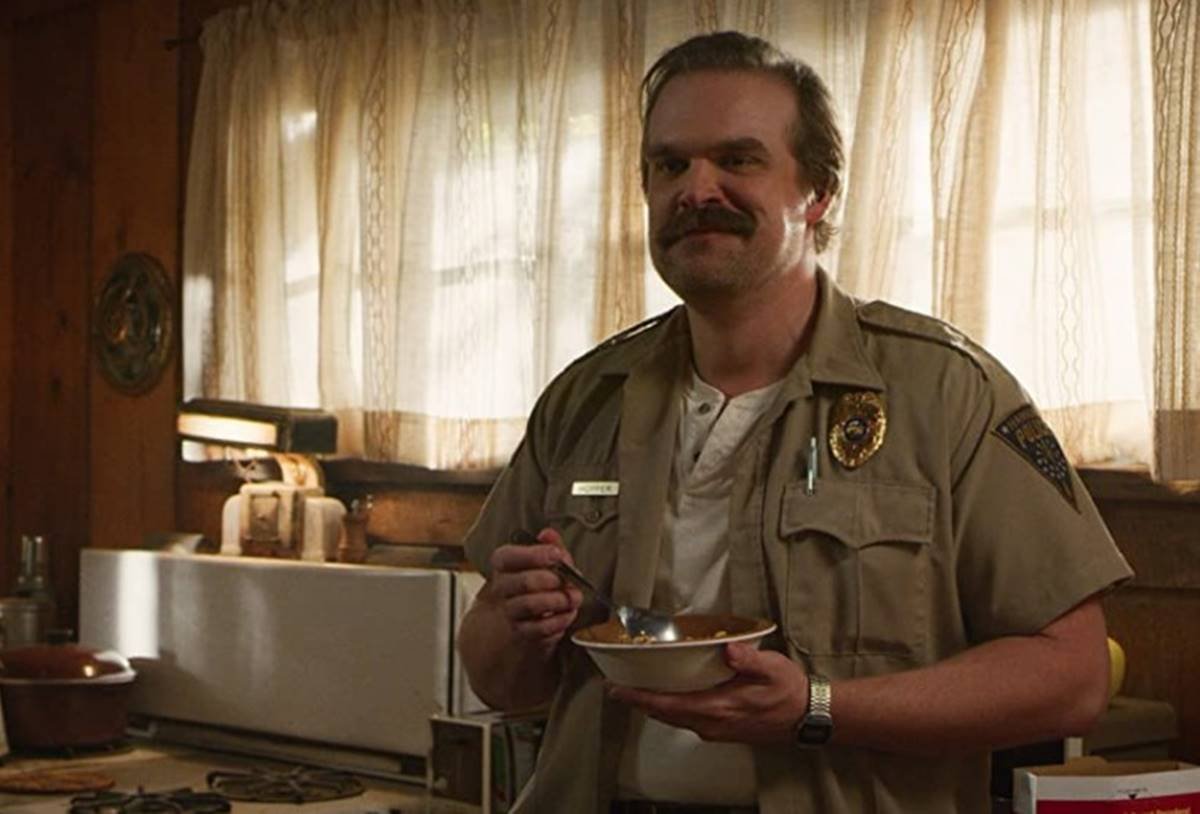
So, what does the future hold for “Stranger Things” and similar projects? Well, it seems likely that we’ll continue to see a strong demand for nostalgic content. People love to revisit the past, and creators will continue to tap into that desire. I expect we’ll also see more blending of genres, as creators experiment with new and innovative ways to tell stories. The success of “Stranger Things” has opened the door for more unconventional and experimental projects. Plus, with the rise of streaming platforms, there are more opportunities than ever for creators to get their work seen by a global audience. The anti-cheat measures being developed in the gaming world, similar to those for Escape From Tarkov, show how technology can enhance and protect creative content from misuse and piracy, ensuring that creators are fairly compensated for their work.
One trend I’m particularly excited about is the increasing focus on diverse and inclusive storytelling. “Stranger Things” has been praised for its diverse cast of characters, and I hope to see more shows that reflect the diversity of the real world. It’s important that everyone feels represented in the stories we tell. Another area to watch is the development of new technologies, such as virtual reality and augmented reality. These technologies could offer new and immersive ways to experience stories. Imagine being able to step into the world of “Stranger Things” and interact with the characters and environments. That would be pretty amazing, right?
The “Stranger Things” Legacy: More Than Just a Show
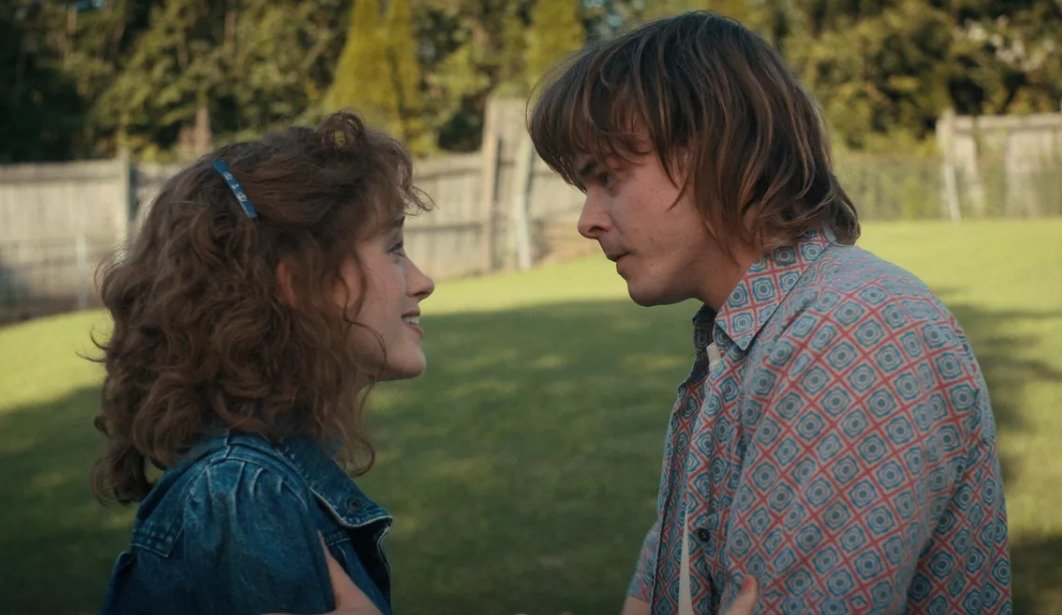
The lasting impact of “Stranger Things” is undeniable. Beyond its entertainment value, the show has sparked conversations about nostalgia, government conspiracies, and the power of friendship. It’s amazing how a TV series can become such a cultural touchstone, influencing everything from fashion trends to political discourse. The show’s success has also demonstrated the importance of taking risks and pushing boundaries in storytelling. The Duffer Brothers could have played it safe and stuck to familiar tropes, but instead, they created something truly unique and original.
The series has also boosted tourism in areas that resemble Hawkins, Indiana, the show’s fictional setting. Small towns with a nostalgic charm have seen an increase in visitors, eager to experience the atmosphere that made “Stranger Things” so captivating. This phenomenon underscores the show’s ability to transport viewers to another time and place, creating a sense of connection and belonging. In fact, I’ve heard that some fans have even started organizing “Stranger Things”-themed tours, visiting real-life locations that inspired the show’s creators. The series’ impact extends beyond entertainment, influencing travel and tourism trends, much like the excitement around Toyota’s new V8 engine has sparked enthusiasm in the automotive world.
Montauk Project: Fact or Fiction?
The Montauk Project, the alleged series of secret government experiments that inspired the original concept for “Stranger Things,” remains one of the most enduring and controversial conspiracy theories of our time. Proponents claim that these experiments, conducted at Camp Hero in Montauk, Long Island, involved mind control, time travel, and even contact with extraterrestrial beings. Skeptics, on the other hand, dismiss the Montauk Project as a hoax or a work of fiction.
Whether the Montauk Project is real or not, it has captured the imagination of countless people, inspiring books, movies, and TV shows. The theory’s appeal lies in its ability to tap into our fears and fascinations about the unknown, the government, and the potential for scientific advancements to be used for nefarious purposes. It’s a reminder that we should always be critical of the information we receive and question the motives of those in power. Personally speaking, I find the whole thing incredibly intriguing, even if I don’t necessarily believe it. It’s a great example of how a compelling story, even one based on a conspiracy theory, can capture the public’s imagination.
Conclusion: Key Takeaways and Next Steps
Okay, so let’s recap. “Stranger Things” is more than just a TV show; it’s a cultural phenomenon that has captured the imagination of millions. Its success can be attributed to its blend of nostalgia, sci-fi, horror, and strong character development. The show’s origins in the Montauk Project conspiracy theory add another layer of intrigue to the story. And the series has inspired countless other creative projects and influenced pop culture in significant ways.
So, what’s next? Well, if you’re a fan of “Stranger Things,” you’re probably eagerly awaiting the final season. But beyond that, I encourage you to explore the themes and ideas that the show has raised. Research the Montauk Project, delve into the history of the 1980s, and think about the power of friendship and the importance of taking risks. And if you’re a creative person, consider how you can apply the “Stranger Things” formula to your own projects. What unique and intriguing source material can you draw from? What compelling characters can you create? What genres can you blend? The possibilities are endless. Now, I’m curious: What are your favorite aspects of “Stranger Things,” and what do you hope to see in the final season?