Rodgers & Roethlisberger: Steelers QB Controversy
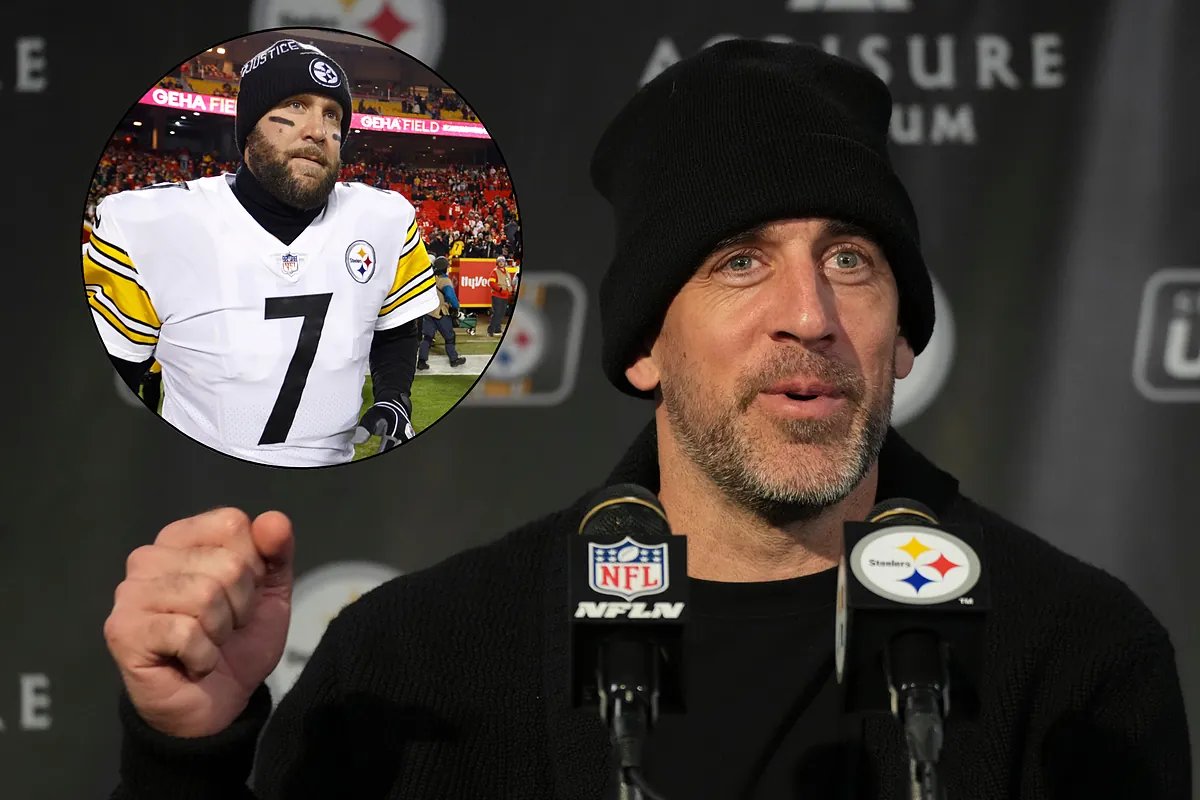
The Pittsburgh Steelers, currently riding high with a 5-3 record and leading the AFC North, find themselves unexpectedly at the center of a quarterback controversy – albeit one fueled by the past. While the team’s present looks promising with Aaron Rodgers under center, former Steelers legend Ben Roethlisberger has voiced his frustrations, igniting a debate about how the organization treated him versus its current quarterback. This article delves into Roethlisberger’s rant, the context behind his remarks, and the broader implications for the Steelers and their fans. The situation highlights the complexities of managing player expectations, team dynamics, and the ever-present shadow of past glories. Understanding this controversy requires a closer look at Roethlisberger’s career, his final season, and the current state of the Steelers’ quarterback situation. It also involves examining the perceived differences in support provided to Roethlisberger compared to Rodgers, particularly concerning offensive line protection and receiving talent. Let’s analyze how this situation unfolds and its impact on the team.
Roethlisberger’s Frustration: A Look Back
Ben Roethlisberger, affectionately known as “Big Ben,” was the Steelers’ quarterback for 18 seasons, from 2004 to 2021. During his tenure, he led the team to two Super Bowl victories and established himself as one of the franchise’s all-time greats. However, his final season in 2021 was marked by challenges, including a struggling offensive line and a perceived lack of support from the organization. Roethlisberger’s recent comments suggest that these frustrations still linger. He specifically pointed to the perceived preferential treatment given to Aaron Rodgers, highlighting the acquisition of players like DK Metcalf and improved offensive line support. Roethlisberger’s statements reflect a sentiment that he wasn’t afforded the same level of resources and protection during his final year, contributing to his decision to retire. This perception of unequal treatment has resonated with some Steelers fans, who remember Roethlisberger’s contributions to the team and question the organization’s handling of his departure. The situation underscores the delicate balance between honoring past legends and building for the future. It also raises questions about how teams should manage the transition from one era of quarterback leadership to another. Roethlisberger’s feelings could stem from a variety of factors, including the natural desire to feel valued and appreciated, as well as the competitive drive to win at the highest level. Regardless of the specific reasons, his comments have undoubtedly added a layer of complexity to the Steelers’ current quarterback situation.
The Current Steelers’ Quarterback Situation: Aaron Rodgers Takes the Helm
With Ben Roethlisberger retired, the Steelers have moved forward with Aaron Rodgers as their quarterback. Rodgers, a proven veteran with Super Bowl experience, represents a significant upgrade at the position. His arrival has brought renewed optimism to the team and its fanbase. However, it has also created a situation where comparisons between Rodgers and Roethlisberger are inevitable. Roethlisberger’s rant, while seemingly directed at the organization’s treatment of him, indirectly impacts Rodgers. It places added pressure on Rodgers to perform at a high level and justify the resources invested in him. The Steelers’ front office must navigate this delicate situation carefully, ensuring that Rodgers feels supported while also respecting Roethlisberger’s legacy. The team’s success under Rodgers will ultimately determine whether Roethlisberger’s concerns are validated or dismissed as sour grapes. So far, the team has shown a lot of promise. The pressure on Rodgers is undeniably high, but the team’s performance will be the ultimate test of the strategy.
DK Metcalf and Offensive Line Support: The Heart of the Matter
At the core of Roethlisberger’s frustration lies the perceived difference in support he received compared to Aaron Rodgers, specifically regarding receiving talent and offensive line protection. He mentioned DK Metcalf, a highly talented wide receiver, as an example of the players the Steelers have acquired to support Rodgers. This contrasts with Roethlisberger’s final season, when he felt that the offensive line was subpar, particularly the center position. The center Roethlisberger referenced is Kendrick Green, who had limited experience at the position before being thrust into a starting role. Green’s struggles contributed to Roethlisberger being sacked 38 times in his final season, highlighting the importance of a strong offensive line in protecting the quarterback. The Steelers’ decision to invest in offensive line improvements and acquire talented receivers like Metcalf for Rodgers suggests a commitment to providing him with the resources necessary to succeed. This commitment, while beneficial for the team’s current prospects, has inadvertently fueled Roethlisberger’s resentment. The contrast in support highlights the challenges teams face in balancing the needs of current players with the legacy of past stars. This is a tough situation and it is not clear how it will resolve.
Analyzing the Steelers’ Perspective: A Business Decision?
From the Steelers’ perspective, the decisions made regarding Aaron Rodgers and Ben Roethlisberger can be viewed as strategic business decisions. With Roethlisberger nearing the end of his career, the team may have been hesitant to invest heavily in long-term assets, opting instead to focus on developing younger players and preparing for the future. The arrival of Rodgers, however, presented a unique opportunity to compete for championships in the short term. Rodgers’ proven track record and leadership qualities made him an attractive option, justifying the investment in supporting him with talented players and improved offensive line protection. This approach aligns with the Steelers’ long-standing philosophy of competing for championships every year. While Roethlisberger’s contributions to the team are undeniable, the organization’s primary responsibility is to make decisions that are in the best interest of the franchise’s long-term success. This can sometimes lead to difficult choices that may not be universally popular. The Steelers’ front office must carefully weigh the potential benefits of supporting Rodgers against the risk of alienating former players and fans who feel that Roethlisberger was not given the same level of support. The team’s performance under Rodgers will ultimately determine whether these decisions are justified. It’s a gamble that could pay off handsomely.
Fan Reaction and Media Coverage: Fueling the Fire
Roethlisberger’s rant has ignited a firestorm of discussion among Steelers fans and in the media. Some fans sympathize with Roethlisberger, feeling that he was not given the respect and support he deserved during his final season. They point to his numerous accomplishments and contributions to the team as evidence of his value. Other fans, however, support the Steelers’ decision to invest in Rodgers, arguing that the team must do everything possible to compete for championships. They believe that Rodgers represents the best chance for the Steelers to win now. The media has also seized upon the controversy, with sports analysts and commentators offering their perspectives on the situation. Some have criticized the Steelers for their treatment of Roethlisberger, while others have defended the organization’s decisions. The media coverage has further amplified the debate, creating a highly charged atmosphere around the Steelers’ quarterback situation. The team must be prepared to manage the fallout from Roethlisberger’s comments and address the concerns of fans and the media. The situation requires careful handling to avoid further division among the fanbase.
Moving Forward: Healing the Divide and Focusing on the Future
Regardless of the validity of Roethlisberger’s concerns, the Steelers must find a way to move forward and heal the divide that has been created. This requires open communication, mutual respect, and a focus on the future. The Steelers’ front office should consider reaching out to Roethlisberger to address his concerns and acknowledge his contributions to the team. This gesture could help to mend fences and demonstrate that the organization values his legacy. At the same time, the team must continue to support Aaron Rodgers and provide him with the resources he needs to succeed. This includes maintaining a strong offensive line, acquiring talented receivers, and fostering a positive team environment. The Steelers’ success under Rodgers will ultimately depend on the team’s ability to overcome the distractions caused by Roethlisberger’s comments and focus on the task at hand. The team’s leadership must emphasize unity and teamwork to achieve its goals. It’s crucial for the team to maintain a positive outlook. Ultimately, the Steelers’ success depends on their ability to put the controversy behind them and focus on winning games.
The controversy surrounding Aaron Rodgers and Ben Roethlisberger highlights the complexities of managing player expectations, team dynamics, and the ever-present shadow of past glories. It serves as a reminder that even the most successful franchises must navigate difficult decisions and address the concerns of their players, both past and present. The Steelers’ ability to heal the divide and focus on the future will ultimately determine their success in the years to come. This situation is not unique to the Steelers; many teams face similar challenges when transitioning from one era of quarterback leadership to another. The key is to communicate effectively, respect the contributions of past players, and provide the current quarterback with the resources he needs to succeed. The Steelers’ approach to managing this situation will be closely watched by other teams around the league. The lessons learned from this controversy could have broader implications for the sport of football.
The Long-Term Impact: Will This Controversy Define the Era?
The long-term impact of this controversy remains to be seen. Will it be a defining moment in the Steelers’ history, remembered as a period of division and discord? Or will it be a minor blip on the radar, quickly forgotten as the team achieves success under Aaron Rodgers? The answer likely depends on several factors, including the Steelers’ performance on the field, the team’s ability to mend fences with Ben Roethlisberger, and the overall perception of the organization’s handling of the situation. If the Steelers struggle under Rodgers, Roethlisberger’s concerns may be validated in the eyes of some fans and analysts. This could lead to further criticism of the organization and a lingering sense of resentment. On the other hand, if the Steelers achieve success under Rodgers, Roethlisberger’s comments may be dismissed as sour grapes, and the controversy will likely fade into the background. Ultimately, the Steelers’ legacy will be defined by their ability to win championships and maintain a positive team environment. The controversy surrounding Rodgers and Roethlisberger is just one chapter in the team’s long and storied history. Only time will tell how this chapter will be remembered. The team’s ability to adapt and overcome challenges will be crucial to its long-term success. The leadership must be strong and decisive.
In conclusion, the situation between Aaron Rodgers and Ben Roethlisberger is a complex one, filled with emotion, history, and differing perspectives. It highlights the challenges of managing a professional sports team, where past glories must be balanced with present needs and future aspirations. The Steelers’ handling of this situation will undoubtedly be scrutinized, and its outcome will serve as a case study for other teams facing similar transitions. Whether this controversy becomes a defining moment or a mere footnote in Steelers’ history remains to be seen, but its impact on the team’s dynamics and fan perception is undeniable. The team’s ability to navigate these challenges and focus on the future will ultimately determine its success. The road ahead may be bumpy, but the Steelers have the talent and leadership to overcome these obstacles.
Frequently Asked Questions (FAQ)
| What is the main topic of this article? | This article provides comprehensive information about the Rodgers & Roethlisberger: Steelers QB controversy and covers all related aspects in detail. |
| Where can I find more detailed information? | Additional information and resources are available through the internal links provided throughout the article. You can also check the references section for more sources. |
| How current is this information? | This article contains up-to-date information relevant to current trends and developments in the field. We regularly update our content to ensure accuracy. |
| Who is this article intended for? | This article is designed for readers seeking comprehensive understanding of the topic, from beginners to advanced learners. It covers both basic concepts and advanced insights. |
| Are there any important updates I should know about? | Yes, we regularly monitor developments and update our content accordingly. Check the publication date and any update notices for the most current information. |
Important Notice
This content is regularly updated to ensure accuracy and relevance for our readers. If you have any questions, feel free to contact us.
Content Quality: This article has been carefully researched and written to provide valuable insights and practical information. Our team works hard to maintain high standards.