National Women’s Soccer League Defends Athlete After Genetic Test Controversy
The National Women’s Soccer League (NWSL) is facing a complex situation as it navigates the intersection of athlete inclusion, fair play, and evolving understandings of gender. Recent controversy has erupted surrounding an athlete who previously failed a genetic test, prompting the NWSL to issue a statement of support and sparking debate among players regarding gender eligibility rules.

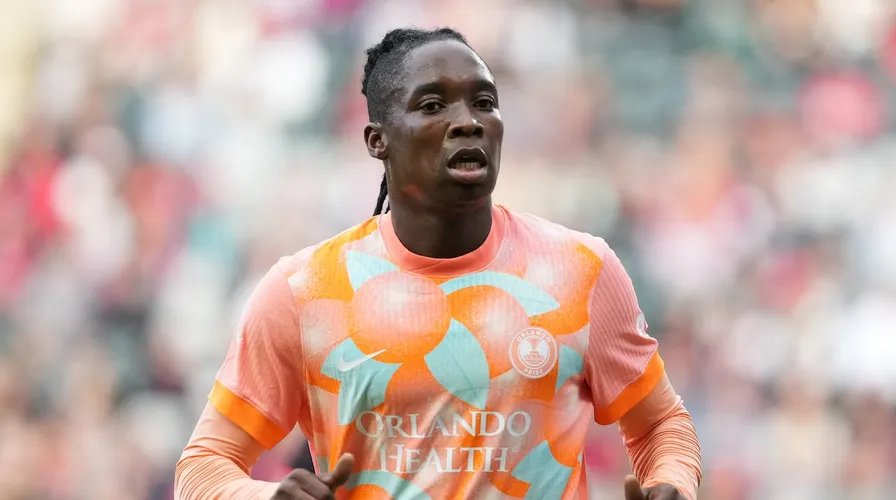
This statement specifically addressed the situation of Orlando Pride striker Barbra Banda. Banda was deemed ineligible to participate in a 2022 World Cup-qualifying tournament for Zambia after a test revealed her natural testosterone levels exceeded the limits set by the Confederation of African Football. The NWSL’s defense of Banda underscores the league’s commitment to inclusivity while acknowledging the complexities of the issue.
Players Clash Over Gender Rules in the NWSL
The NWSL’s stance comes at a time of increased scrutiny and debate regarding gender eligibility policies in women’s sports. Last week, Angel City FC’s Elizabeth Eddy published an op-ed in the New York Post advocating for the NWSL to implement stricter gender eligibility guidelines. This highlights the division within the league, as players grapple with how to ensure fair competition while remaining inclusive of all athletes. This internal debate underscores the difficulty of finding a solution that satisfies all stakeholders. The NWSL is facing increasing pressure to clarify its position on gender rules.

The debate extends beyond the NWSL, with broader discussions taking place within the US Olympic Committee and other sporting organizations. The possibility of gene testing to “protect women’s sports” has been raised, mirroring similar discussions surrounding President Donald Trump’s executive order aimed at safeguarding female sports. These wider conversations add further complexity to the NWSL’s ongoing efforts to establish fair and inclusive policies.
The NWSL’s Statement and its Implications
The NWSL’s decision to defend Barbra Banda is significant. It sends a clear message about the league’s values, even as it acknowledges the legitimate concerns raised by some players. The NWSL is attempting to strike a delicate balance, prioritizing athlete support while addressing the need for fair competition. This commitment to both inclusion and fairness is at the heart of the current debate. The league’s statement can be viewed as an important step in an ongoing dialogue about gender and sport. This dialogue also affects other leagues and organizations.

The future of gender eligibility rules in the NWSL remains uncertain. The league is likely to continue engaging in conversations with players, medical experts, and other stakeholders to develop policies that are both fair and inclusive. This process will require careful consideration of scientific data, ethical concerns, and the diverse perspectives of athletes. Finding a solution that respects the rights of all athletes while ensuring fair competition will be a significant challenge.

The NWSL’s handling of this situation will undoubtedly have a ripple effect on other women’s sports leagues and organizations. As the debate over gender eligibility continues to evolve, the NWSL’s experience will serve as a valuable case study. How the league navigates these complex issues will shape the future of women’s sports for years to come.
Frequently Asked Questions (FAQ)
The NWSL is defending the athlete to show their support and commitment to inclusivity, while acknowledging the complexities of gender eligibility.
Concerns include ensuring fair competition, protecting the rights of transgender and intersex athletes, and avoiding discrimination.
The NWSL’s current gender eligibility policy is under review, with the league seeking input from players, experts, and stakeholders.
Gene testing could potentially be used to determine eligibility in women’s sports, but it raises ethical concerns about privacy, discrimination, and the definition of gender.
The NWSL will likely continue to consult with experts and stakeholders to develop a gender eligibility policy that is both fair and inclusive.