Ohio State’s Downs Hit Sparks Controversy
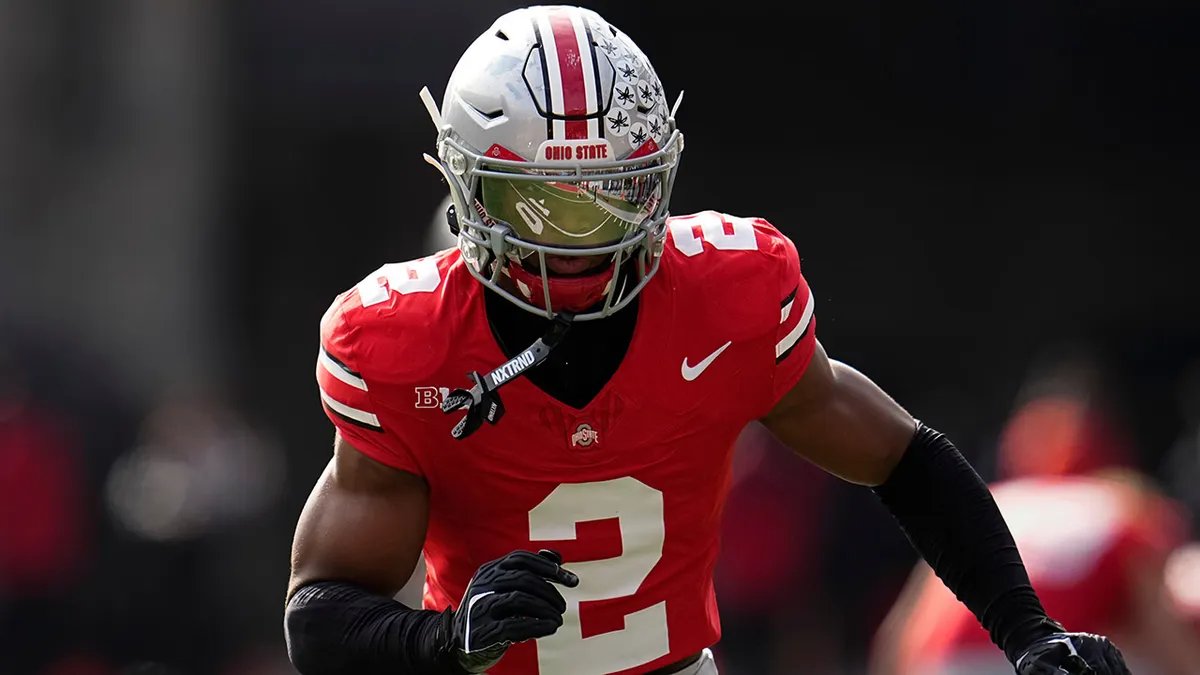
The Ohio State Buckeyes’ recent victory over the Penn State Nittany Lions was overshadowed by a controversial play involving Buckeyes defensive back Caleb Downs. The incident, a brutal hit on Penn State receiver Khalil Dinkins, has ignited a firestorm of debate among college football fans, with many questioning why Downs was not ejected from the game. This article delves into the details of the play, the reactions from fans, and the implications for both teams moving forward. The play occurred in the fourth quarter of the game.
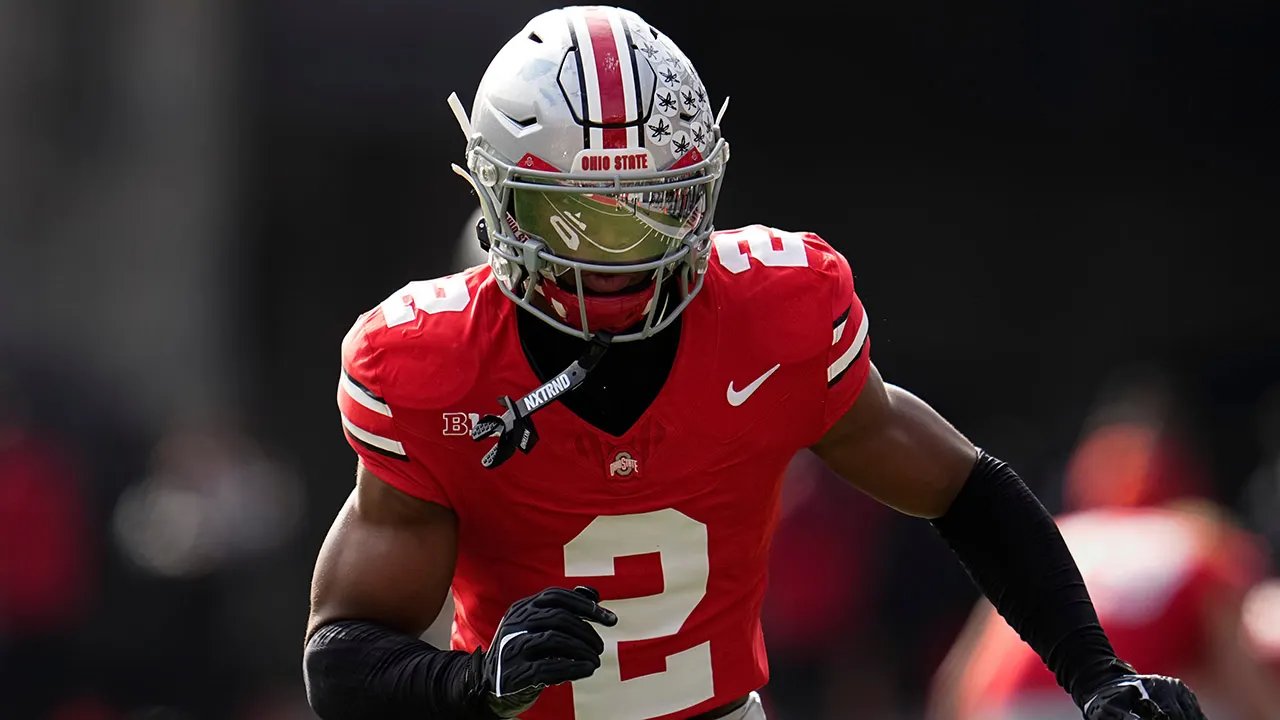
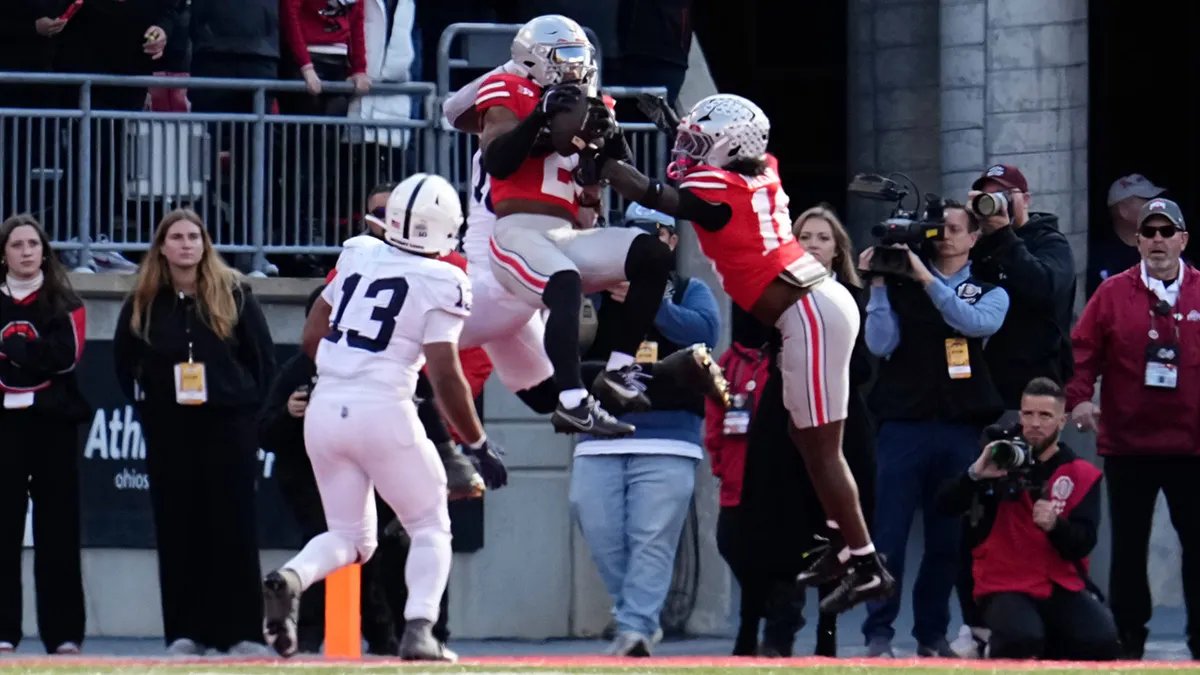
The controversial hit happened when Penn State quarterback Ethan Grunkemeyer threw an errant pass intended for Dinkins. Downs, attempting to make a play on the ball, appeared to lower his head and make contact with Dinkins using the crown of his helmet. While no penalty was called during the game, replays of the hit quickly circulated online, sparking widespread outrage. Many fans and analysts argued that the hit was a clear example of targeting, which warrants an automatic ejection under NCAA rules.
The Aftermath of the Caleb Downs Hit
The lack of an ejection has fueled accusations of bias and preferential treatment towards Ohio State, a perennial powerhouse in college football. Social media platforms have been flooded with comments and opinions, with many fans expressing their disbelief and anger. Some have even called for the NCAA to review the play and potentially issue a suspension for Downs. This incident echoes similar controversies in the past, where questionable calls or non-calls have significantly impacted game outcomes and sparked intense debates about player safety and fair play. It’s a stark reminder of how quickly a single play can dominate the narrative and influence perceptions of a team and its players.
The incident also raises questions about the consistency of officiating in college football. While the NCAA has implemented rules aimed at protecting players from dangerous hits, the interpretation and enforcement of these rules often vary from game to game. This inconsistency can lead to frustration and distrust among fans, coaches, and players alike. Concerns about player safety are paramount, and ensuring consistent application of targeting rules is crucial for protecting athletes from unnecessary harm. It’s essential for the NCAA to address these inconsistencies and provide clearer guidelines for officials to ensure fair and safe gameplay.
The Impact on Ohio State and Penn State
For Ohio State, the controversy surrounding the Caleb Downs hit could serve as a distraction as they continue their pursuit of a national championship. While the team ultimately secured a victory over Penn State, the negative attention could potentially impact team morale and focus. Coach Ryan Day will need to address the situation and ensure that his players remain disciplined and committed to playing within the rules. The Buckeyes have a target on their back, and any further controversies could be detrimental to their championship aspirations.
Penn State, on the other hand, will be looking to put the incident behind them and focus on their remaining games. While the loss to Ohio State was a setback, the Nittany Lions still have a chance to make a strong showing in the Big Ten Conference. However, the injury to Khalil Dinkins, resulting from the Downs hit, could impact their offensive capabilities in the weeks to come. The team will need to rally together and overcome this adversity if they hope to achieve their goals for the season. They will need to rely on other players to step up and fill the void left by Dinkins’ absence.
Fan Reactions and Social Media Outcry
The immediate aftermath of the hit saw a surge of reactions across social media. Many fans expressed outrage, questioning why Downs wasn’t ejected. The debate centered on whether the hit constituted targeting, a penalty designed to protect defenseless players. The lack of a flag on the play only amplified the controversy, with many pointing to potential bias in officiating. The incident has fueled a larger conversation about player safety in college football and the need for consistent enforcement of targeting rules. The intensity of fan reactions underscores the passion and investment that fans have in the sport and the importance of fair play.
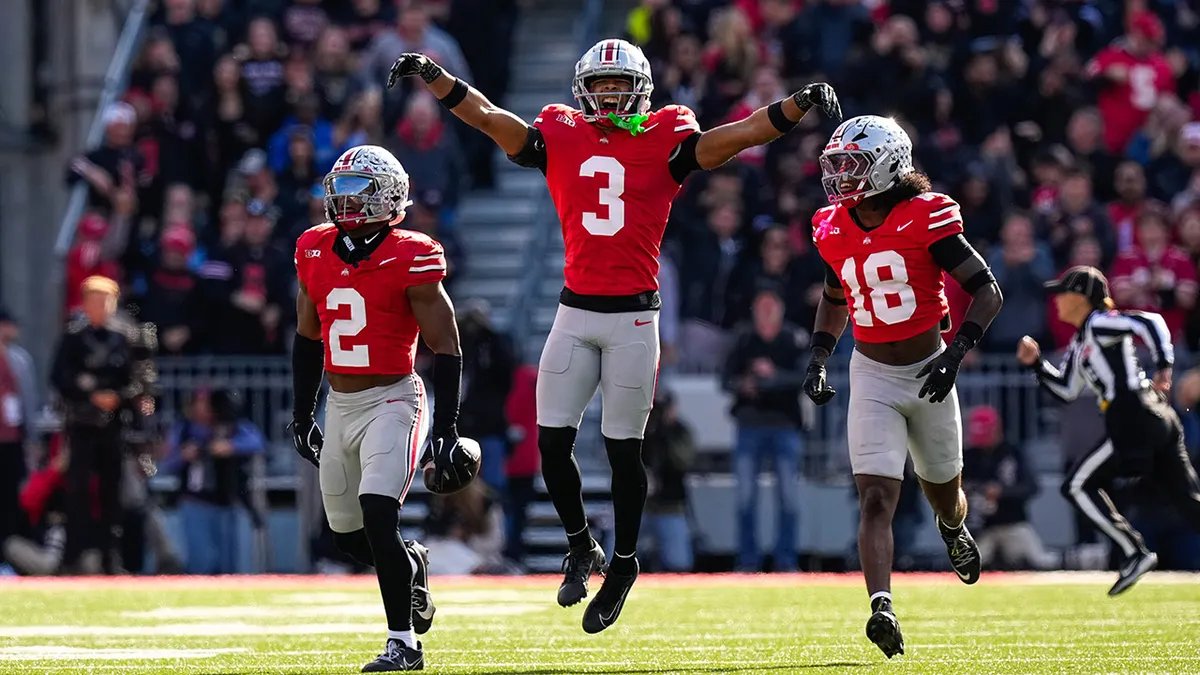
The incident involving Caleb Downs and Khalil Dinkins has sparked a significant debate about player safety and officiating consistency in college football. As the season progresses, it will be interesting to see how the NCAA addresses these concerns and whether any further action will be taken regarding the play. The outcome of this situation could have lasting implications for both Ohio State and Penn State, as well as the broader landscape of college football.
Moving forward, the focus will be on ensuring that players are protected from unnecessary harm while maintaining the integrity and excitement of the game. This requires a collaborative effort from coaches, players, officials, and the NCAA to prioritize player safety and promote fair play.
The controversy surrounding the Caleb Downs hit serves as a reminder of the challenges and complexities of officiating in a fast-paced and physical sport like college football. While mistakes are inevitable, it is crucial to strive for consistency and fairness in order to maintain the integrity of the game and protect the well-being of the athletes. The future of college football depends on it.
Frequently Asked Questions (FAQ)
Important Notice
This content is regularly updated to ensure accuracy and relevance for our readers. If you have any questions, feel free to contact us.
Content Quality: This article has been carefully researched and written to provide valuable insights and practical information. Our team works hard to maintain high standards.