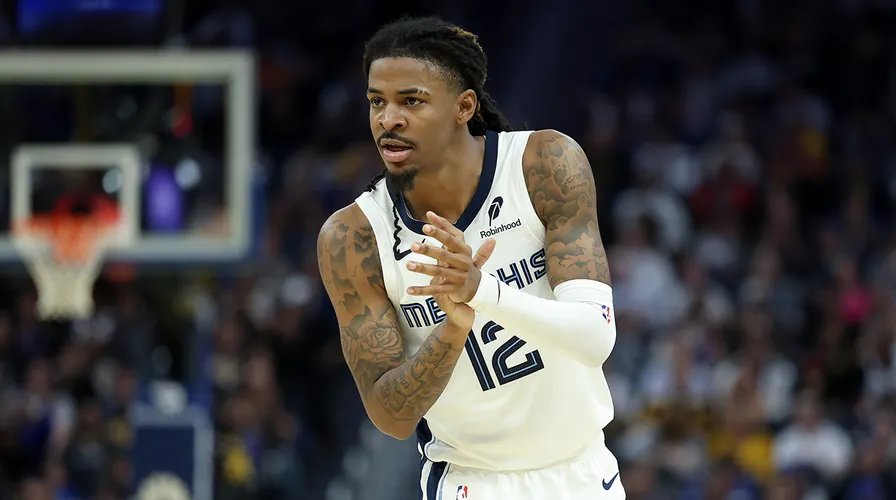
The opening notes of the Memphis Grizzlies’ 2025-26 NBA campaign were supposed to signal a dramatic resurgence for the franchise and its superstar, Ja Morant. Instead, the narrative quickly devolved into internal strife. Following a frustrating NBA Cup loss to the Los Angeles Lakers, Morant publicly expressed his displeasure with the coaching staff, a move that prompted swift organizational discipline. Consequently, ESPN confirmed that **Ja Morant suspended for detrimental conduct**—a one-game ban imposed by the team.
This suspension, announced just days into the new season, casts a shadow over the Grizzlies’ immediate future and highlights persistent challenges regarding Morant’s maturity and relationship with the front office. The incident is not merely about a player voicing frustration; it addresses the core issue of respecting organizational hierarchy and maintaining internal cohesion, particularly for a highly paid franchise pillar whose actions are intensely scrutinized.
The Fallout: Morant’s Cryptic Condemnation of Coaching Staff
The tension boiled over immediately after the Grizzlies fell to the Lakers 117-112 in their NBA Cup opener. While the team showed flashes of competitiveness, the performance was uneven, reflecting the high expectations placed on a fully returned Morant. When addressing reporters in the locker room post-game, Morant offered an unusually terse and inflammatory response regarding his own play and the team’s struggles. Rather than accepting responsibility or discussing tactics, he repeatedly deflected, telling journalists, “Go ask the coaching staff.”
This public dismissal of accountability and the explicit finger-pointing at Coach Taylor Jenkins and his assistants are widely interpreted as the direct trigger for the subsequent disciplinary action. In the highly controlled environment of professional basketball, such comments are seen as a violation of internal protocols. They undermine the authority of the coaching staff and introduce division into the locker room before the rigorous regular season even gains momentum.

The term “detrimental conduct” is broad, often reserved for actions that significantly harm the team’s image, morale, or operational efficiency. Morant’s history, unfortunately, provides context for the severity of the team’s reaction. The Grizzlies hierarchy likely felt compelled to act decisively to restore order and ensure players understood the organization’s commitment to internal discipline and unity.
Understanding the Basis of Detrimental Conduct in Professional Sports
In the world of professional sports, conduct detrimental to the team extends far beyond criminal activity or league rules violations. It encompasses any action that undermines team performance, destroys trust, or negatively impacts the brand. Publicly challenging the coaching staff falls squarely within this definition, particularly when done by the team’s highest-profile player. When considering the need for organizational stability and compliance and sustained excellence in organizational structure, the Grizzlies likely viewed this immediate action as a necessary measure to prevent further internal fracture.
The suspension serves as a clear internal message: no player, regardless of star power, is above the fundamental rules of conduct and respect within the organization. This firm stance is crucial, especially since the Grizzlies have dedicated significant resources and faith into Morant’s rehabilitation both on and off the court. Furthermore, Morant’s comments provided fodder for opponents and critics, actively detracting from the team’s competitive focus, which only reinforces the definition of detrimental conduct.
A Season Under Pressure: Morant’s History and Current Expectations
The circumstances surrounding this suspension are amplified by Morant’s turbulent past year, which included a highly publicized 25-game suspension handed down by the NBA for repeated off-court issues involving firearms. While the current situation is purely an internal team matter related to his professional behavior, it continues the unwelcome pattern of Morant finding himself in disciplinary trouble.
The Grizzlies had entered the 2025-26 season eager to move past the distractions, relying on Morant to lead a resurgence in the competitive Western Conference. The organization had been patient, hoping their star guard had learned the steep price of accountability during his lengthy absence. This new incident, however, suggests residual frustration and an inability to manage high-pressure situations internally, causing the team leadership to question his growth as a foundational leader.
In comparison, there have been other instances of professional athletes having their public comments backfiring, leading to intense media scrutiny and necessary damage control from their respective teams. For Morant and the Grizzlies, the stakes are significantly higher because of the established disciplinary history.
The Immediate Financial and Scheduling Ramifications
While a one-game suspension may seem minor on the surface, the financial penalties for a player earning a max contract are substantial. For Morant, this suspension means forfeiting approximately $290,000–$320,000 in salary for that single game, based on his yearly salary calculations. This financial consequence underscores the seriousness with which the team viewed his conduct.
Moreover, the timing of the suspension impacts the team’s ability to navigate their tight schedule. Missing Morant, even for one contest, forces the Grizzlies to adjust their rotations and strategy during a critical early period where teams are fighting for positioning, especially given the structured nature of high-stakes sports scheduling.
Analyzing Grizzlies Performance Leading Up to Suspension
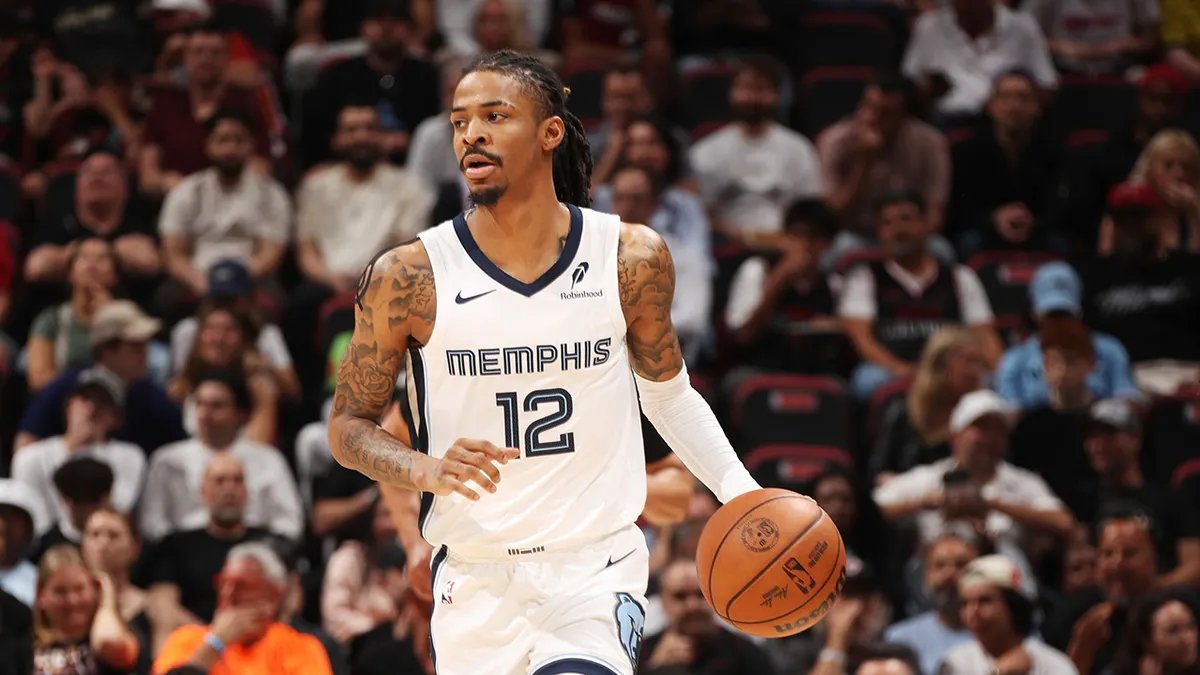
The team’s struggles undoubtedly fueled Morant’s frustration. Despite high pre-season hopes, the Grizzlies faced early performance deficits, characterized by inconsistent defense and stalled offensive execution late in games. Morant, though individually effective, struggled to elevate the team when it mattered most against the Lakers.
The data suggests that the frustration was systemic, but Morant’s chosen method of expressing that frustration – via media confrontation – was deemed unacceptable. The organization must now balance supporting their star player with maintaining strict internal accountability. The disciplinary action reinforces the importance of using appropriate channels for dissent or criticism, safeguarding the reputation and unity of the team.

Moving Forward: Reintegration and Restoration of Trust
The one-game ban is a short-term solution, but the long-term work involves rebuilding trust between Morant, the coaching staff, and the front office. For a team aiming for championship contention, internal harmony is non-negotiable. Morant is not only expected to produce on the court but also to be the undisputed leader who champions the coach’s strategy and defends the organization’s integrity.
The situation requires immediate and thorough dialogue. The team must work with Morant to help him better channel his competitive fire and frustration into constructive feedback, rather than allowing complicated relationships to spill out into the public sphere. The hope is that the temporary removal from the active roster gives Morant time for introspection and encourages a renewed commitment to team principles upon his return.
The incident also puts Coach Jenkins under a spotlight. While the team supported him unequivocally by issuing the suspension, the pressure is on the coaching staff to deliver results quickly once Morant returns. If the Grizzlies continue to underperform, internal tensions are likely to resurface, potentially magnifying any lingering resentment over the suspension. Ultimately, success on the court is the fastest way to quell these organizational storms. The entire basketball world will be watching closely to see how Morant handles his reintegration and whether this disciplinary action marks a turning point toward more professional conduct, or if it signals deeper, unresolved issues within the Memphis locker room.
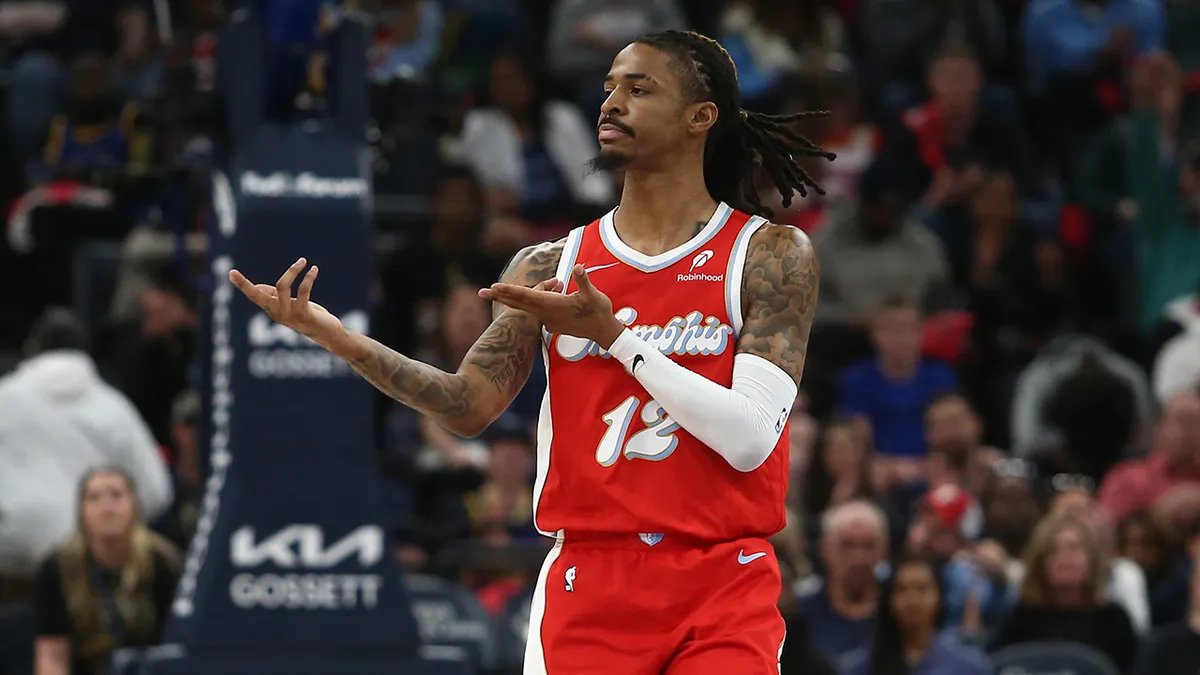
This situation provides a potent reminder that for high-profile athletes, the responsibilities of leadership extend beyond statistical performance. They must manage their emotions, support their organization, and act as unifying forces. For the Grizzlies, the quick decision to suspend **Ja Morant suspended for detrimental conduct** demonstrates a strong commitment to maintaining a disciplined culture, even at the cost of immediate on-court talent.
Frequently Asked Questions (FAQ)
Morant was suspended after the Grizzlies’ NBA Cup loss to the Lakers when he repeatedly directed reporters to “Go ask the coaching staff” regarding his performance and the team’s struggles. The team viewed this public criticism and deflection of accountability as conduct detrimental to team cohesion and morale.
Ja Morant received a one-game suspension imposed by the Memphis Grizzlies organization. As a highly-paid player, this suspension results in a significant financial forfeiture. Based on his contract, he is expected to lose approximately $290,000 to $320,000 in salary for the missed game.
The Grizzlies acted swiftly to address the public breach of conduct and organizational trust. Given Morant’s recent history of disciplinary issues (including a prior lengthy league suspension), the team needed to immediately re-establish authority and signal a zero-tolerance policy for internal dissent to prevent further damage to team chemistry and public image.
In professional sports, conduct detrimental to the team refers to actions that hurt the team’s integrity, public reputation, morale, or operational efficiency. This includes, but is not limited to, public criticism of coaches or management, creating locker room turmoil, or engaging in behaviors that distract the team from its competitive goals.
No, this suspension is a separate, internal disciplinary action imposed solely by the Memphis Grizzlies organization and is related to his professional conduct toward the coaching staff. His previous 25-game ban was imposed by the NBA for repeated off-court conduct involving firearms.