It was a crisp autumn afternoon at Arrowhead Stadium. The air was thick with anticipation, the roar of the crowd deafening. The Kansas City Chiefs, led by Patrick Mahomes, were facing off against the Dallas Cowboys and their star quarterback, Dak Prescott. Tensions were high, the game was close, and every play felt like it could swing the momentum. Then, it happened. A controversial hit that sent shockwaves through the stadium and ignited a firestorm of debate online. Ashton Gillotte, a defensive lineman for the Chiefs, delivered a blow to Prescott that many are calling a “dirty play.” But what exactly happened, and could this incident lead to a significant NFL sanction against the Chiefs?
The play in question occurred late in the third quarter. Prescott, scrambling to avoid pressure, was sliding to protect himself when Gillotte appeared to make contact with Prescott’s head and neck area. Flags flew immediately. The referees assessed a 15-yard penalty for roughing the passer. (The groans from the Chiefs fans were audible even on television!) While the penalty was assessed, the aftermath has been a non-stop conversation on social media and sports news outlets, with many arguing the penalty isn’t enough. The questions abound: Was it intentional? Was it avoidable? And, most importantly, will the NFL take further action?
The potential consequences for Gillotte and the Chiefs are significant. Beyond the immediate penalty, the league could impose a fine, a suspension, or both. The NFL has made it clear that player safety is a top priority, and any play that endangers the health and well-being of a quarterback is subject to severe punishment. The league’s stance on hits to the head is very clear. A league source stated that the video is “being reviewed. Player safety is of paramount importance.” (That’s the standard line, of course, but the implication is clear: this is serious.) The debate rages on and we are here to break down the situation.
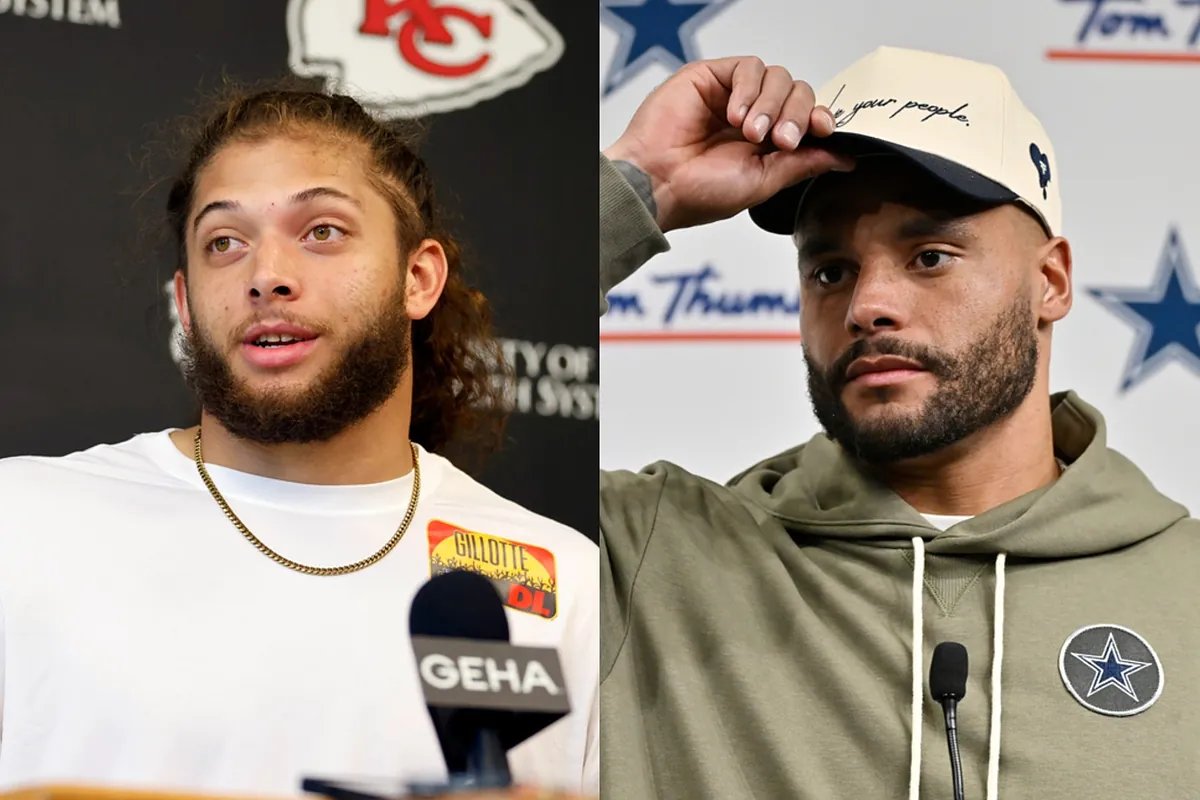
The Play in Question: A Closer Look
The incident is being dissected frame by frame. Analysts are pouring over the video, examining Gillotte’s approach, his point of contact, and Prescott’s body position. Some argue that Gillotte was simply making a football play, attempting to tackle Prescott before he could gain further yardage. They point to the fact that Prescott was still in motion when Gillotte initiated the tackle, arguing that it was not a late hit. However, others contend that Gillotte had ample time to pull up or adjust his trajectory, and that the contact to Prescott’s head and neck area was both unnecessary and dangerous.
Several angles are showing that Gillotte made a beeline for Prescott. The timing of the hit is also under scrutiny. Prescott had clearly begun his slide, signaling his intention to give himself up and avoid further contact. NFL rules are very clear on this. Defenders are expected to avoid hitting a sliding quarterback. The debate is, did Gillotte have enough time to react? Was his momentum carrying him through regardless of intent?
One former NFL referee, speaking anonymously, stated, “It’s a tough call. The defender is coming in hot, trying to make a play. But you’ve got to protect the quarterback, especially when he’s sliding. The league has made that crystal clear.”
The NFL’s History of Sanctions for Similar Plays
The NFL has a long history of handing out fines and suspensions for hits deemed illegal or dangerous. In recent years, the league has cracked down particularly hard on hits to the head and neck area, as well as late hits on quarterbacks.
Remember the James Harrison situation? Or more recently, the flurry of fines levied against linebackers for helmet-to-helmet hits? The league has set a precedent. Players who endanger the health and safety of their opponents face serious consequences. The league wants to avoid liability and the public relations nightmare of a star player getting seriously injured.
Here’s a short list of recent high profile sanctions:
- Vontaze Burfict (multiple suspensions for illegal hits)
- Myles Garrett (suspension for using a helmet as a weapon)
- Ndamukong Suh (multiple fines and suspensions for various infractions)
These incidents demonstrate the NFL’s willingness to punish players who violate the rules, especially when those violations result in potential injury. Will Gillotte join this list? That’s the question everyone is asking.
The Chiefs’ Perspective: Damage Control and Defense
The Kansas City Chiefs are in a difficult position. They need to defend their player while also acknowledging the seriousness of the situation. Coach Andy Reid addressed the media after the game, stating that he had not yet had a chance to review the film but that he trusted Gillotte’s character.
“Ashton’s a good kid,” Reid said. “He plays hard, he plays physical, but he’s not a dirty player. I’ll have to see the film to get a better idea of what happened, but I have faith in Ashton.”
Privately, however, sources within the Chiefs organization are concerned. They know that the NFL will not hesitate to come down hard on Gillotte if they deem the hit to be egregious. The Chiefs’ front office is likely working behind the scenes to prepare a defense for Gillotte, arguing that the hit was unintentional and that he was simply playing hard. They will likely emphasize Gillotte’s clean record and his reputation as a respectful player. However, whether this will be enough to sway the league’s decision remains to be seen.
Dak Prescott’s Reaction and the Cowboys’ Response
Dak Prescott, to his credit, downplayed the incident after the game. He stated that he was fine and that he did not believe Gillotte intentionally tried to hurt him. “It’s football,” Prescott said. “Guys are playing fast, things happen. I’m not going to read too much into it. I’m just glad I’m okay.”
However, Prescott’s teammates were less forgiving. Several Cowboys players expressed their anger and frustration with the hit, calling it “unnecessary” and “dangerous.” One anonymous Cowboys player said, “That was a cheap shot. He knew what he was doing. The league needs to protect us from that kind of stuff.”
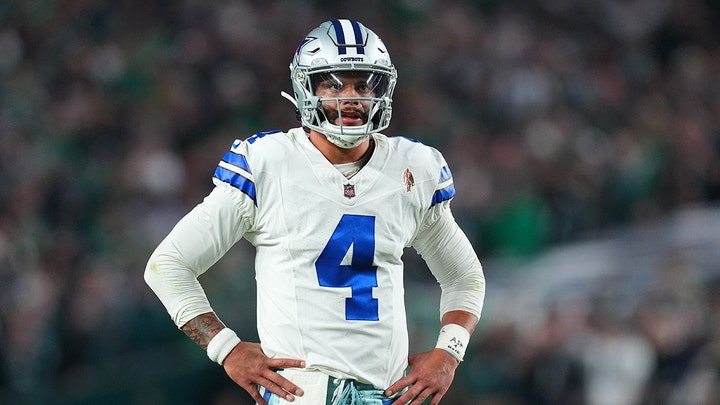
The Cowboys’ head coach, Mike McCarthy, declined to comment directly on the hit, but he did emphasize the importance of player safety. “We want our players to be protected,” McCarthy said. “That’s the league’s job, and we trust that they’ll do what’s right.”
The Cowboys’ reaction is understandable. They rely heavily on Prescott, and any injury to their star quarterback could derail their season. They will undoubtedly be watching closely to see how the NFL handles this situation.
The Potential Sanctions: Fines, Suspensions, and More
So, what kind of sanction could Gillotte face? The range of possibilities is wide. A fine is almost guaranteed. The amount will depend on the severity of the hit and Gillotte’s prior record. A first-time offender typically faces a smaller fine than a repeat offender.
A suspension is also a distinct possibility. The NFL has suspended players for similar offenses in the past, typically for one to three games. A longer suspension is possible if the league deems the hit to be particularly egregious or if Prescott had been seriously injured.
Beyond individual sanctions, the Chiefs could also face team-related penalties. The league could issue a warning to the team, or even fine the organization if it believes that the Chiefs are not adequately emphasizing player safety.
The NFL will consider the following factors when determining the appropriate sanction:
* The severity of the hit
* Gillotte’s intent
* Prescott’s injury status
* Gillotte’s prior record
* The league’s precedent for similar offenses
The Impact on the Chiefs’ Season
A suspension for Gillotte could have a significant impact on the Chiefs’ season. He is a key member of their defensive line, and his absence would be felt. The Chiefs are already dealing with injuries on defense, and losing Gillotte would further weaken their front seven.
The Chiefs have Super Bowl aspirations, and they need all of their key players healthy and available if they want to make a deep playoff run. A suspension for Gillotte would make their path to the Super Bowl that much more difficult.

Furthermore, the controversy surrounding the hit could be a distraction for the team. The Chiefs will need to put this incident behind them quickly if they want to stay focused on their goals.
The Larger Issue of Player Safety in the NFL
The Gillotte-Prescott incident highlights the ongoing debate about player safety in the NFL. The league has made significant strides in recent years to protect players from unnecessary and dangerous hits, but there is still work to be done.
The game of football is inherently violent, and injuries are inevitable. However, the NFL has a responsibility to minimize the risk of injury and to ensure that players are not subjected to unnecessary harm. This means enforcing the rules strictly and punishing players who violate them.
The league also needs to continue to educate players about proper tackling techniques and to emphasize the importance of playing within the rules. The goal should be to create a safer and more sustainable game for everyone involved.
Conclusion: Waiting for the NFL’s Decision
The NFL is expected to announce its decision on the Gillotte-Prescott incident in the coming days. All eyes are on the league to see how they will handle this controversial play. Will they impose a significant sanction on Gillotte and the Chiefs? Or will they deem the hit to be within the bounds of the game?
The decision will have implications for both Gillotte and the Chiefs, as well as for the larger issue of player safety in the NFL. One thing is certain: this incident will continue to be debated and analyzed for weeks to come. The league faces a tough decision that will set a precedent for future incidents of this nature. As fans, we can only wait and see what the outcome will be. The debate over what constitutes a “dirty play” in football is far from over, and this incident has only added fuel to the fire. I, for one, am curious to see how this all plays out.
Frequently Asked Questions
| What is the specific play that’s causing controversy? | The play in question involves Ashton Gillotte, a defensive lineman for the Kansas City Chiefs, making contact with Dak Prescott, the quarterback for the Dallas Cowboys, as Prescott was sliding. The point of contact and timing of the hit are being heavily scrutinized. |
| What are the potential benefits of a strong NFL stance on this type of play? | A strong stance on these plays reinforces the NFL’s commitment to player safety, particularly for quarterbacks. It can deter future dangerous hits and potentially reduce injuries, ultimately improving the long-term health and safety of players. |
| How does the NFL typically implement penalties for these types of incidents? | The NFL typically implements penalties through fines, suspensions, or both. The severity of the penalty depends on factors such as the severity of the hit, the player’s intent, injury status, and prior record. The league also reviews the play to determine if further disciplinary action is warranted. |
| What challenges does the NFL face in addressing player safety concerns? | The NFL faces challenges balancing player safety with the inherent physicality of football. Determining intent, split-second decisions by players, and differing interpretations of the rules can make it difficult to consistently enforce safety measures. Additionally, balancing fan expectations of a high-impact game with player welfare is a constant challenge. |
| What’s the future outlook for player safety regulations in the NFL? | The future likely holds continued advancements in player safety regulations. This includes ongoing research into the effects of head trauma, development of safer equipment, and refinement of rules to protect players. Increased emphasis on coaching proper tackling techniques and further penalties for dangerous plays are also expected. |
Important Notice
This FAQ section addresses the most common inquiries regarding the topic.