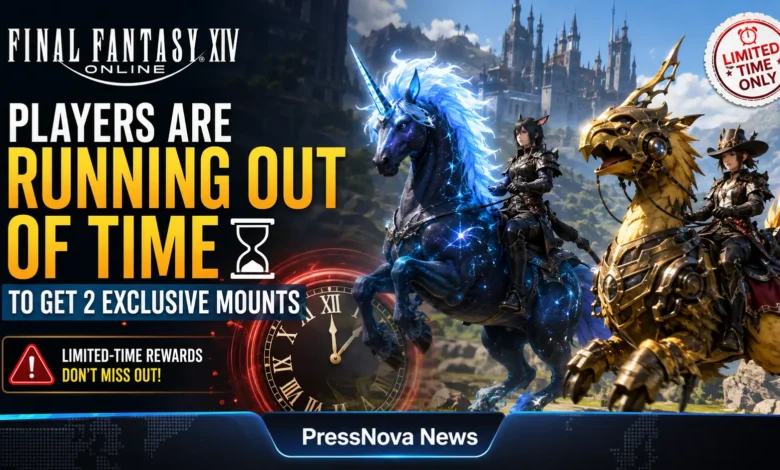
Final Fantasy 14 players are running out of time to get two exclusive mounts that become unobtainable within days of each other, with Alsvid the Unicorn vanishing on August 25 and the Inflatable Mograft following on August 26.
- Alsvid the Unicorn Deadline: Available until August 25 at 1:59 a.m. PDT through the Twitch Support-a-Streamer campaign.
- Inflatable Mograft Deadline: Available until August 26 at 7:59 a.m. PDT via the Moonfire Faire seasonal event.
- Cost: Alsvid requires three Twitch subscriptions (~$18); Inflatable Mograft is completely free.
- Level Requirement: Moonfire Faire quest requires level 30; Twitch campaign has no in-game level restriction.
- Future Availability: Inflatable Mograft likely returns to the cash shop in 2027; Alsvid’s return remains unconfirmed.
- Free Trial: Alsvid cannot be redeemed on Free Trial accounts; Inflatable Mograft is claimable on Free Trial.
- Account Binding: Alsvid is account-wide; Inflatable Mograft is character-specific.
Both ongoing Final Fantasy 14 campaigns are concluding during the final week of August, and each offers one unique mount to players who participate before the deadlines. The first, Alsvid the Unicorn, is tied to a Twitch Support-a-Streamer promotion ending August 25. The second, the Inflatable Mograft, is the centerpiece reward of the Moonfire Faire seasonal event, ending August 26. These events run concurrently, creating a narrow window for players to secure both mounts.
If you haven’t claimed either mount yet, time is running out. Below, we break down exact deadlines, step-by-step redemption processes, and everything you need to know to add both mounts to your collection before they disappear.
Two official Square Enix resources provide additional context for these events. The Alsvid the Unicorn campaign details outline the Twitch redemption process, while the Moonfire Faire official page provides quest locations and event lore.
Final Fantasy 14 Mount Events: Critical Deadlines You Can’t Miss
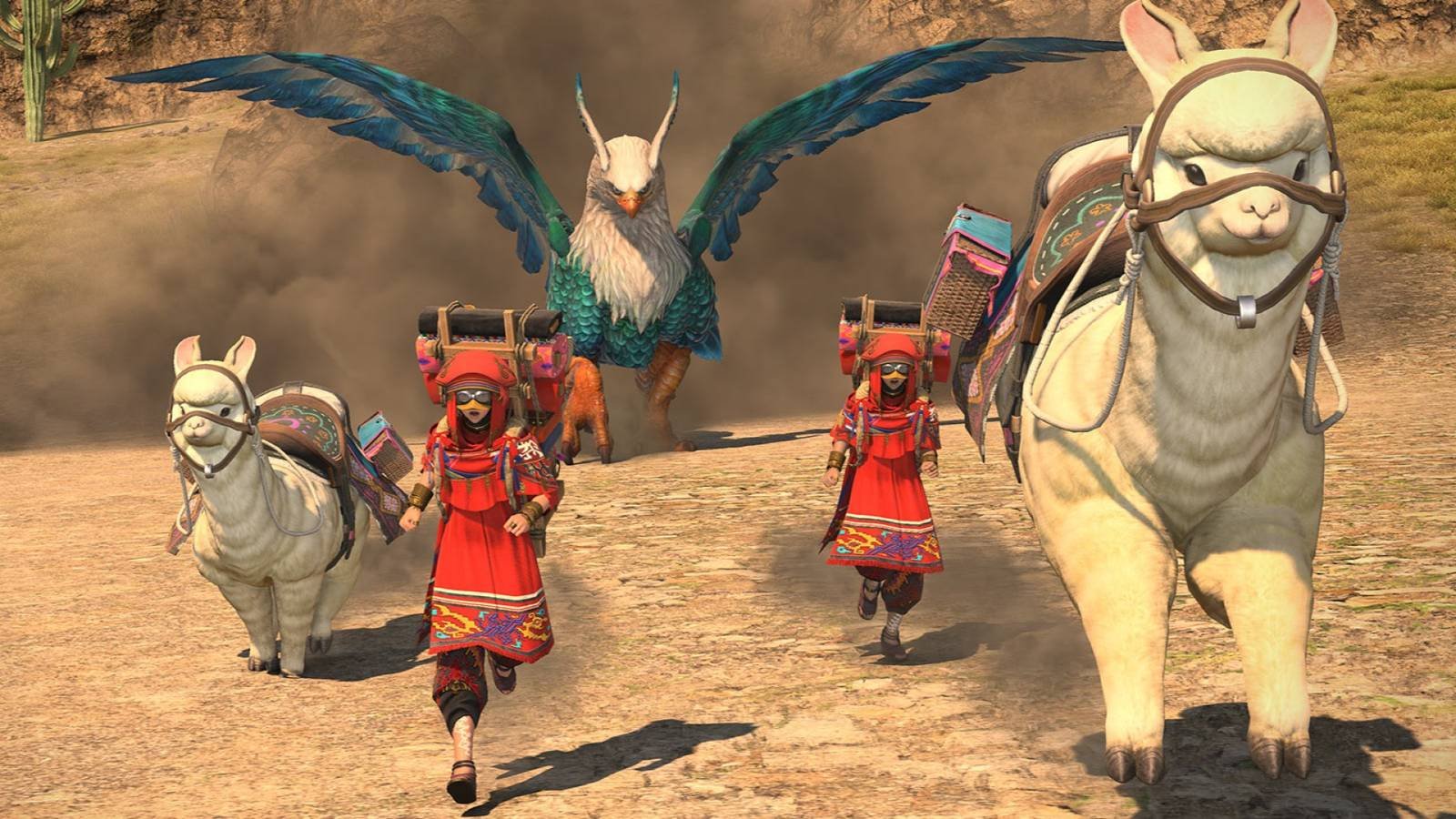
Both events conclude within 24 hours of each other, creating a tight window for players who haven’t yet participated. Mark these dates clearly:
Alsvid the Unicorn: Twitch Campaign Reward (Ends August 25)
The Twitch Support-a-Streamer campaign ends on August 25 at 1:59 a.m. PDT (4:59 a.m. EDT / 8:59 a.m. GMT / 6:59 p.m. AEST). After this cutoff, no new Twitch subscriptions will count toward the campaign, and unredeemed codes will expire. Players must purchase or gift three Tier 1 Twitch subscriptions (or higher) to eligible Final Fantasy 14 streamers before this time. The campaign runs in conjunction with Patch 7.55, which launched on July 28.
Inflatable Mograft: Moonfire Faire Seasonal Reward (Ends August 26)
The Moonfire Faire 2026 seasonal event ends on August 26 at 7:59 a.m. PDT (10:59 a.m. EDT / 2:59 p.m. GMT / 12:59 a.m. AEST on August 27). Players must complete the level 30 quest “Earning Your Water Wings” before the event concludes. The quest is available in Limsa Lominsa Upper Decks, starting with the NPC Mayaru Moyaru at coordinates (X:11.5, Y:13.8). The quest itself takes approximately 15-20 minutes and involves a lighthearted summer-themed sequence with no combat requirements.
How to Get Alsvid the Unicorn Before August 25
Editor’s Note: As a dedicated Final Fantasy 14 player with over 500 hours logged across multiple expansions, I’ve personally navigated Twitch campaigns and Mog Station redemptions. The following steps reflect tested methods to avoid common pitfalls.
Alsvid the Unicorn is a reward from the Twitch Support-a-Streamer campaign, introduced alongside Patch 7.55. This mount features a striking white body with a flowing rainbow-colored mane and tail, making it one of the more visually distinctive unicorn mounts in the game. Here’s the exact process to claim it before the deadline:
Step-by-Step Redemption Process:
- Log into Twitch: Ensure you’re subscribed to at least one eligible Final Fantasy 14 streamer. Eligible streamers are those actively streaming FF14 content with the “Support-a-Streamer” campaign enabled.
- Purchase or gift three Tier 1 subscriptions: A single Tier 1 subscription costs $5.99 (before tax), making the total cost approximately $17.97 plus tax. Important: Gifting subscriptions from separate accounts does count toward the requirement—you can receive gifted subs from friends or gift them to others. All three subscriptions must be processed before the deadline.
- Receive your code via Twitch whispers: After the third subscription is processed, you’ll receive a code in your Twitch notification inbox. The code usually arrives within minutes but may take up to 24 hours during high-traffic periods.
- Redeem through Mog Station: Copy the code and log into the Mog Station (Square Enix’s account management portal). Navigate to “Your Account” then “Redeem Item Code” and enter the code carefully—codes are case-sensitive.
- Collect in-game: Once redeemed, Alsvid will appear in your in-game Delivery Moogle inbox. Log into Final Fantasy 14 and collect the mount from your nearest Moogle delivery NPC.
Important Restrictions: Alsvid cannot be redeemed on Free Trial accounts. You must have an active subscription with a full license (Starter or Complete Edition) to use the Mog Station redemption. Additionally, the mount is account-wide—one redemption grants Alsvid to all characters on your service account.
Troubleshooting Tips:
- No code received? Wait up to 24 hours, then contact Twitch Support with proof of subscription purchases.
- Code fails on Mog Station? Verify you’re entering it correctly (case-sensitive). Ensure your account isn’t a Free Trial account. Check that Mog Station isn’t undergoing maintenance (Tuesdays, 1:00-3:00 a.m. PDT).
- Twitch Prime doesn’t count: Only paid or gifted Tier 1+ subscriptions qualify. Your free Prime sub won’t contribute toward the three-subscription requirement.
- Gifted subscriptions from separate accounts: Yes, these count toward your total. If friends gift you subscriptions, they’ll accumulate toward the three needed.
How to Earn the Inflatable Mograft Before August 26
The Inflatable Mograft is a giant moogle-shaped raft that players can ride across water surfaces in Eorzea. Unlike Alsvid, this mount requires no real-money expenditure—just a quick quest completion. Here’s everything you need to know:
Step-by-Step Acquisition:
- Reach level 30: Ensure your character is at least level 30 in any class or job. If you’re below level 30, complete class quests, FATEs, or dungeon runs—the quest won’t appear otherwise.
- Travel to Limsa Lominsa Upper Decks: Speak to Mayaru Moyaru at coordinates (X:11.5, Y:13.8). This NPC will offer the quest “Earning Your Water Wings.”
- Complete the quest sequence: Takes about 15-20 minutes. The quest involves running between Limsa Lominsa and Costa del Sol, interacting with NPCs, and completing a simple swimming minigame. No combat is required.
- Claim your reward: After completing the quest, speak to Mayaru Moyaru again to receive the Inflatable Mograft mount. It will be added directly to your mount collection.
Free Trial Eligibility: Unlike Alsvid, the Inflatable Mograft is fully available to Free Trial players (up to level 70). As long as your Free Trial character meets the level 30 requirement, you can earn this mount without any monetary investment.
Time Investment: The entire quest takes approximately 15-20 minutes from start to finish, making it one of the quicker seasonal event rewards to obtain. There’s no daily lockout, so you can complete it in a single session.
Character Binding Note: Unlike Alsvid, the Inflatable Mograft is character-specific. You must complete the quest on each character you want the mount on. The quest takes only 15-20 minutes per character, so alts can also claim it before the deadline.
Quick Comparison: Alsvid vs. Inflatable Mograft
To help you prioritize your time, here’s a side-by-side comparison of both mounts:
| Feature | Alsvid the Unicorn | Inflatable Mograft |
|---|---|---|
| Event Type | Twitch Support-a-Streamer | Moonfire Faire Seasonal Event |
| Deadline | August 25, 1:59 a.m. PDT | August 26, 7:59 a.m. PDT |
| Cost | ~$18 (three $5.99 subscriptions) | Free |
| Level Requirement | None | Level 30 |
| Free Trial Eligible | No | Yes |
| Time Investment | 5-10 minutes (checkout process) | 15-20 minutes (quest) |
| Account Binding | Account-wide | Character-specific |
| Future Availability | Unconfirmed (likely one-time) | Likely returns to cash shop in 2027 |
Pro Tips to Secure Both Mounts With Minimal Time Investment
If you’re short on time, here are strategies to secure both mounts efficiently:
- Prioritize the Free Mount First: The Inflatable Mograft is completely free and takes only 15-20 minutes. Complete “Earning Your Water Wings” first to secure the free reward before tackling the Twitch campaign.
- Gift Subscriptions for Speed: Gifting subscriptions to yourself or friends counts toward the three-subscription requirement and processes immediately. This is faster than purchasing individual subscriptions through standard checkout.
- Set a Phone Reminder: With different time zones, it’s easy to miss the exact deadlines. Set alarms for August 24 (for Alsvid) and August 25 (for Mograft) to avoid last-minute issues.
- Leverage Existing Twitch Prime: While Twitch Prime subscriptions don’t count toward the three-subscription requirement, you can still use your free Prime sub to support a streamer and then purchase two additional paid subscriptions—reducing your total cost to ~$12.
- Complete the Quest During Off-Peak Hours: Moonfire Faire quest areas can be crowded, but server population is usually lower in early morning (PDT) hours. Log in during off-peak times to complete the quest faster with fewer interruptions.
- Double-Check Mog Station Redemption: Before starting the Twitch campaign, log into Mog Station to confirm your account is eligible for code redemption. Active subscription accounts are eligible; Free Trial accounts are not. Also verify your Mog Station isn’t in maintenance mode.
- Check Gifted Subscription Totals: If friends are gifting you subscriptions, track your total in your Twitch subscription management page. Remember, gifted subs from different senders all count toward your three-subscription requirement.
Will These Mounts Return After the Events End?
Future availability differs significantly between the two mounts:
Inflatable Mograft: Based on previous Moonfire Faire events, seasonal rewards typically return to the Final Fantasy 14 Online Store approximately one year after the event. The Inflatable Mograft is likely to appear on the Mog Station in 2027 for purchase with real money, though at a higher price than free. If you miss the event, you’ll likely have a second chance—but it won’t be free.
Alsvid the Unicorn: Twitch Support-a-Streamer campaigns are promotional collaborations that rarely repeat with the same rewards. There is currently no confirmation that Alsvid will return in any form—whether on the Mog Station, through a future Twitch campaign, or via alternative methods. Square Enix has not announced any plans to make Alsvid available again, making this mount significantly rarer and more time-sensitive.
For players who value exclusive mounts, Alsvid should be the priority if you’re willing to spend the ~$18. For free-to-play players, the Inflatable Mograft is an easy must-have before the event concludes.