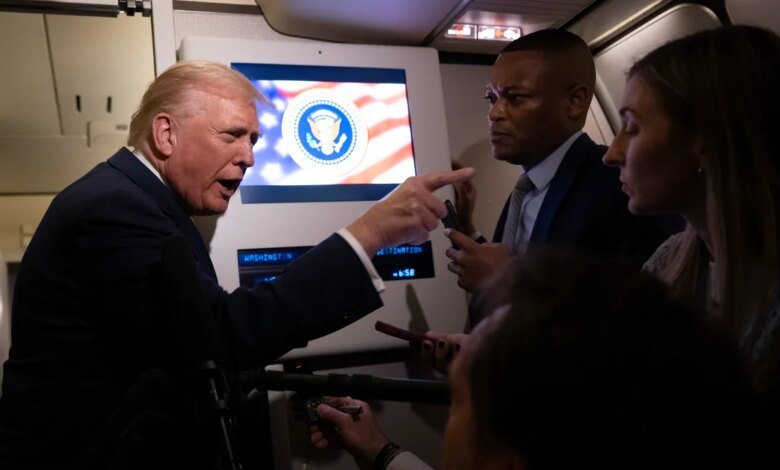
It was a sweltering July afternoon in Washington D.C., the kind where the humidity clings to you like a second skin. I remember watching the press conference live, the air thick with anticipation. President Trump stood at the podium, a familiar figure against the backdrop of the White House press briefing room. The questions started, polite at first, then edged with more urgency. It was about his policies, about the economy, about the ongoing investigations. But then came the question that seemed to trigger something. A reporter, a woman with a determined glint in her eye, pressed him on a specific detail. And that’s when it happened. The now infamous phrase, “quiet piggy,” slipped from his lips, aimed directly at her. The room went silent (you could practically hear the collective gasp). It was a moment that perfectly encapsulated Trump’s often contentious relationship with the press. This isn’t just about name-calling. It’s about the erosion of trust, the deliberate undermining of the news media, and the potential consequences for our democracy. And the term “terrible reporter” was another common go-to insult. These weren’t isolated incidents. They were part of a pattern.
The use of phrases like “quiet piggy” and “terrible reporter” weren’t just off-the-cuff remarks. They were calculated, designed to demean and discredit journalists perceived as critical of his administration. Think about the message this sends to the public! This approach to press relations is far from the norm in modern politics, and it raises serious questions about the role of a free press in holding power accountable. It’s something that definitely requires further examination. My own take is that it’s a dangerous game to play with the news media.
The impact of these attacks extends beyond the individual reporters targeted. It creates a climate of hostility towards the media as a whole, making it harder for journalists to do their jobs and potentially chilling investigative reporting. It’s a concern that many share. Some argue that Trump’s rhetoric is simply a reflection of his personality, while others see it as a deliberate strategy to control the narrative and shape public opinion. Regardless of the motivation, the consequences are real. I overheard a conversation in a coffee shop the other day. A man was saying, “Well, if the President says they’re fake news, they probably are!” That’s the kind of echo chamber effect these kinds of statements create.
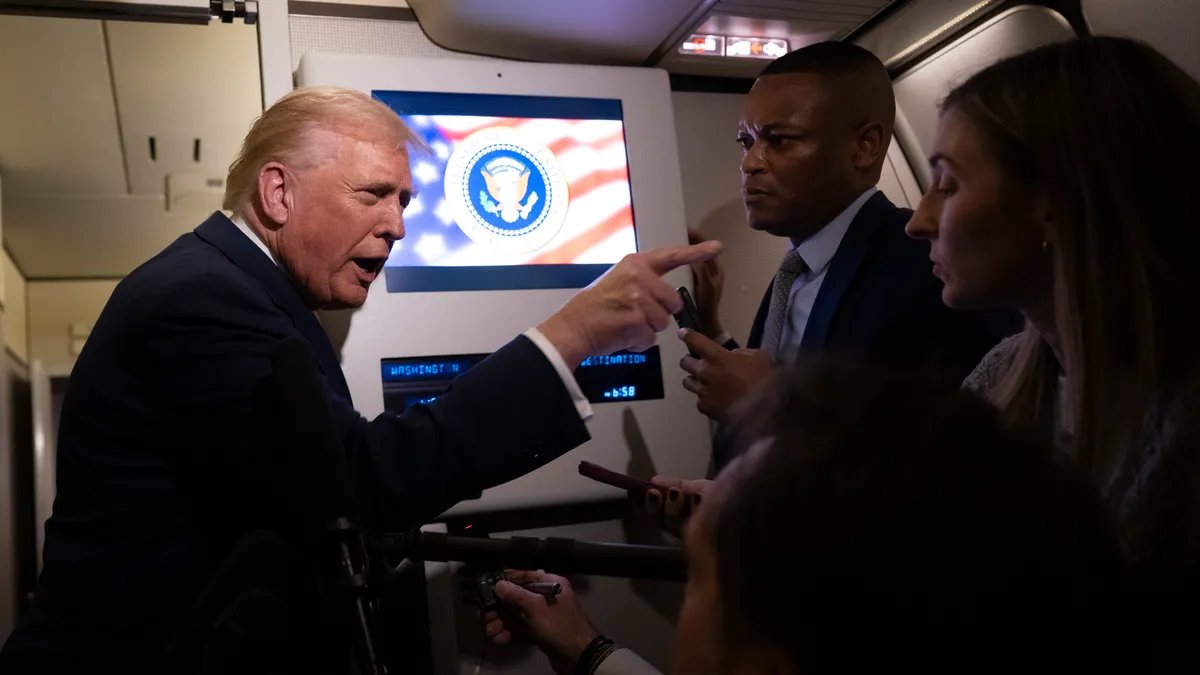
A Pattern of Disparagement: Trump’s Verbal Attacks
Trump’s interactions with the press were often characterized by a combative and dismissive tone. He frequently labeled news outlets he disliked as “fake news” and accused individual reporters of bias or incompetence. The phrases “quiet piggy” and “terrible reporter” were just two examples of the personal insults he hurled at journalists during press conferences and interviews.
It’s important to remember that this behavior wasn’t limited to specific incidents. It was a recurring theme throughout his presidency. The impact of these repeated attacks on the news media cannot be overstated.
Analyzing the “Quiet Piggy” Remark
The “quiet piggy” comment, directed at a female reporter, drew widespread condemnation for its misogynistic undertones. Critics argued that it was a blatant attempt to silence a journalist who was asking tough questions. The remark was perceived as demeaning and unprofessional, further fueling the perception that Trump had a hostile relationship with female journalists.
“I was shocked,” said one political analyst, who wished to remain anonymous. “It was a level of disrespect I hadn’t seen from a sitting president in a long time. It was clearly meant to belittle her and discourage her from asking further questions.”
The “Terrible Reporter” Label
The “terrible reporter” label was another common insult Trump used to dismiss journalists whose reporting he disliked. This phrase was often accompanied by accusations of bias and incompetence, further undermining the credibility of the news media. It was a way to delegitimize their work and discourage the public from trusting their reporting.
I recall watching a particularly tense exchange during a press briefing. Trump was visibly frustrated with a reporter’s line of questioning. He interrupted her repeatedly, eventually declaring, “You’re a terrible reporter! You should be ashamed of yourself!” The room was silent.
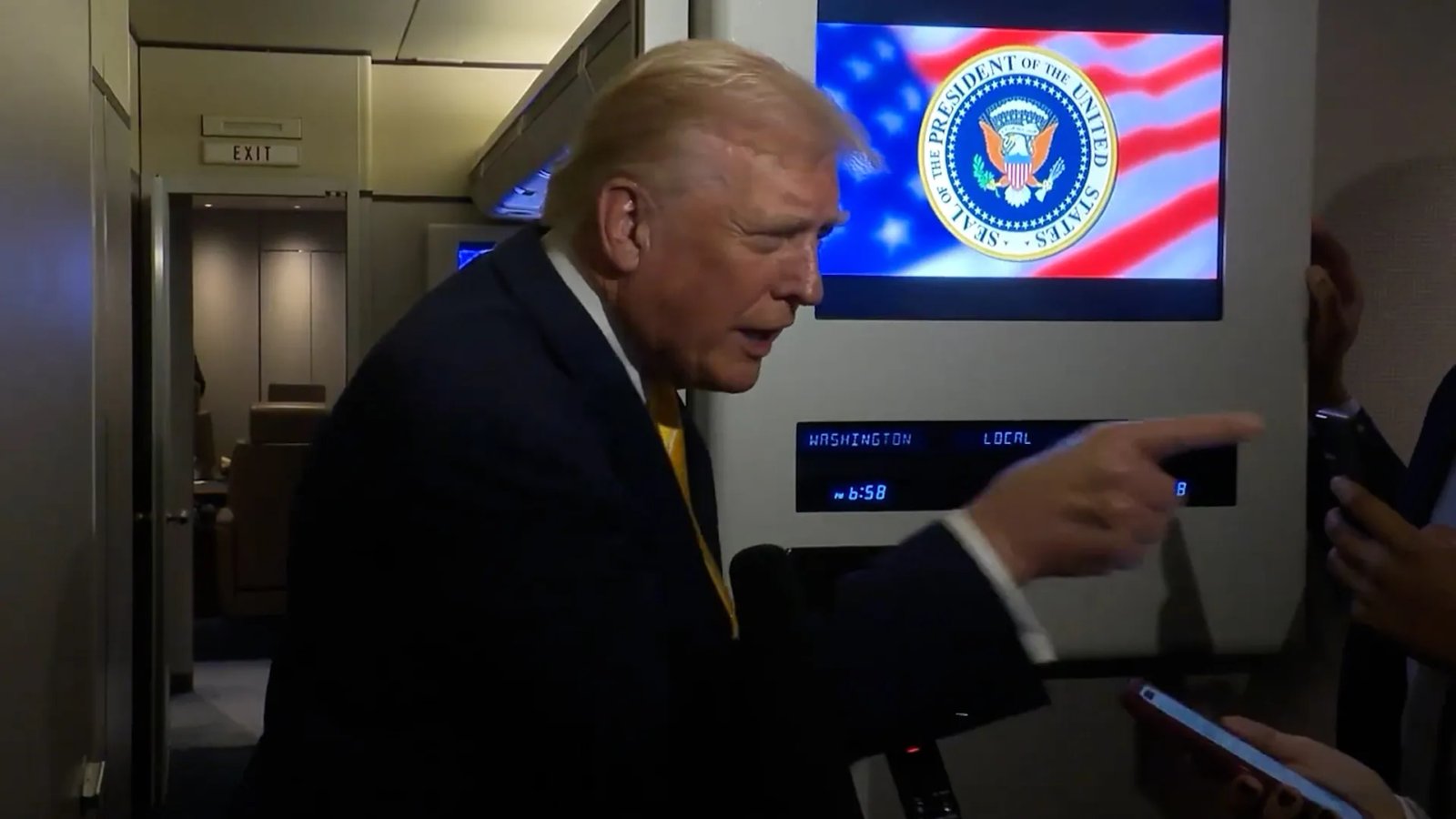
The Impact on Press Relations and Public Discourse
Trump’s attacks on the news media had a significant impact on press relations and public discourse. They created a climate of hostility and distrust, making it harder for journalists to do their jobs and potentially chilling investigative reporting. They also contributed to the polarization of American society, with people increasingly likely to believe only the news sources that align with their own political views.
Consider the implications for future generations. If leaders can freely attack and discredit the press, what safeguards are in place to protect the freedom of information?
Erosion of Trust in Media
One of the most damaging consequences of Trump’s rhetoric was the erosion of trust in the news media. By repeatedly attacking journalists and labeling news outlets as “fake news,” he encouraged the public to distrust the information they were receiving. This made it harder for people to make informed decisions about important issues and contributed to the spread of misinformation and disinformation.
Surveys consistently showed a decline in public trust in the media during Trump’s presidency. This decline was particularly pronounced among Republicans, who were more likely to believe Trump’s claims that the media was biased against him.
Chilling Effect on Investigative Reporting
The hostile environment created by Trump’s attacks also had a chilling effect on investigative reporting. Journalists were more likely to face harassment and threats, and news organizations were more reluctant to publish stories that could draw the ire of the president. This made it harder to hold powerful figures accountable and expose wrongdoing.
“It definitely made our job harder,” said a Washington-based investigative reporter. “We had to be extra careful about our sources and our reporting, knowing that we would be under intense scrutiny. The attacks on the media created a climate of fear and intimidation.”
Defending the Role of the Press
Despite the challenges, many journalists and media organizations remained committed to their role as watchdogs, holding power accountable and providing the public with accurate and reliable information. They defended the importance of a free and independent press in a democratic society and pushed back against Trump’s attempts to undermine the news media.
It’s important to remember that a healthy democracy relies on a well-informed citizenry. And a well-informed citizenry requires a strong, independent press. It’s a symbiotic relationship that must be protected.
Journalistic Integrity
Despite the constant attacks, many journalists maintained their commitment to journalistic integrity, adhering to ethical standards and striving for accuracy and fairness in their reporting. They recognized the importance of their role in holding power accountable and providing the public with the information they needed to make informed decisions.
It’s inspiring to see journalists continuing to do their jobs with such dedication and professionalism, even in the face of adversity. They are the unsung heroes of our democracy.
Legal and Ethical Considerations
The legal and ethical considerations surrounding political rhetoric and the treatment of the news media are complex and evolving. While freedom of speech is a fundamental right, there are limits to what can be said, particularly when it comes to defamation and incitement to violence. It’s important to consider the potential consequences of words and actions, especially when those words and actions come from powerful figures.
It’s a tightrope walk, balancing freedom of speech with the need to protect individuals and institutions from harm.
The Future of Press Relations in a Polarized Climate
The future of press relations in a polarized climate is uncertain. It remains to be seen whether the hostility and distrust that characterized Trump’s presidency will continue to shape the relationship between the news media and political leaders. However, it is clear that the challenges facing the news media are significant and that it will take a concerted effort to rebuild trust and restore faith in the importance of a free and independent press.
We must actively support and defend the news media. This can be done through subscriptions, by supporting local journalism, and by critically evaluating the information we consume. It’s everyone’s responsibility to ensure that the flow of reliable information is not stifled.
The events of the past few years have demonstrated the fragility of democracy and the importance of protecting the institutions that safeguard it. A free and independent press is one of those institutions, and it is essential that we defend it against all threats. I, for one, am hopeful that we can learn from the mistakes of the past and build a future where the news media is respected and valued for its role in informing the public and holding power accountable. The conversation and debate, no matter how heated, is a sign of a healthy democracy.
Frequently Asked Questions
| Why did Donald Trump frequently target reporters with insults? | Donald Trump often used insults as a tactic to discredit critical reporting, control the narrative, and rally his base by portraying the media as an enemy. This approach was part of a broader strategy to challenge the legitimacy of unfavorable news coverage. |
| What are the potential consequences of a president attacking the press? | Attacks on the press by a president can erode public trust in the media, create a hostile environment for journalists, and potentially chill investigative reporting. This undermines the press’s ability to hold power accountable, which is crucial for a functioning democracy. |
| How can journalists maintain their integrity in the face of such attacks? | Journalists can maintain their integrity by adhering to ethical standards, prioritizing accuracy and fairness, and remaining committed to their role as watchdogs. They must also support each other and defend the importance of a free and independent press. |
| What challenges does the media face in a polarized political climate? | In a polarized climate, the media faces challenges such as declining public trust, increased political pressure, and the spread of misinformation. These challenges make it harder for journalists to report accurately and fairly and for the public to access reliable information. |
| What can be done to restore trust in the media and promote informed public discourse? | Restoring trust in the media requires a multifaceted approach, including journalists recommitting to ethical standards, media organizations promoting transparency, and the public developing critical thinking skills to evaluate information sources. Supporting local journalism and holding political leaders accountable for their rhetoric are also crucial steps. |
Important Notice
This FAQ section addresses the most common inquiries regarding the topic.