PlayStation State of Play Protests Erupt Over Destiny 3 Cancellation and Sony’s Digital-Only Future


PlayStation State of Play protests erupted during the September 3, 2026 showcase as fans overwhelmed the livestream chat with coordinated demands for Destiny 3 and declarations of “No Disc No Buy,” marking the most visible public backlash yet against Sony’s controversial digital-only pivot and the sudden cancellation of Destiny 2 development.
- Chat Takeover: Over 90% of State of Play chat comments focused on Destiny 3 demands and “No Disc No Buy” protests, according to real-time chat analysis.
- Physical Disc Phase-Out: Sony will cease physical disc production starting January 2028, a decision announced in a September 2024 corporate strategy briefing.
- Digital Ownership Controversy: In a May 2026 court filing responding to a class action lawsuit (Case No. 3:23-cv-04582), Sony stated that “no reasonable person” would believe they own purchased digital games.
- Destiny 3 Petition: The Change.org petition for Destiny 3 has surpassed 410,000 signatures as of September 2026, with no official response from Sony.
- Bungie’s Future: Sony has reportedly rejected Bungie’s Destiny 3 pitches multiple times due to budget concerns, with development costs estimated at $500 million by industry analysts at DFC Intelligence.
- Industry Contrast: Microsoft’s Xbox division continues to offer physical game releases and has committed to supporting disc-based media through at least 2030, creating a strategic divergence.
Sony has faced mounting backlash since announcing in September 2024 that it would phase out physical disc production starting January 2028, a decision that effectively signals a digital-only future for PlayStation. The company has further inflamed tensions by publicly defending its stance on digital game ownership, arguing in legal proceedings that consumers purchase only a license rather than ownership of digital titles.
The controversy reached a new peak in May 2026 when Sony filed a response in the ongoing class action lawsuit Driscoll v. Sony Interactive Entertainment LLC (Case No. 3:23-cv-04582, U.S. District Court for the Northern District of California), stating that “no reasonable person” would believe they own digital games after purchase. The statement, which Sony has not retracted, has become a rallying cry for consumer rights advocates and the “No Disc No Buy” movement.
The September 3 State of Play presentation was intended to showcase upcoming PlayStation titles, but the livestream chat was rapidly overwhelmed by coordinated fan protests. The PlayStation State of Play livestream saw over 90% of chat messages referencing Destiny 3, “D3!,” or “No Disc No Buy,” effectively drowning out discussion of the announced games.
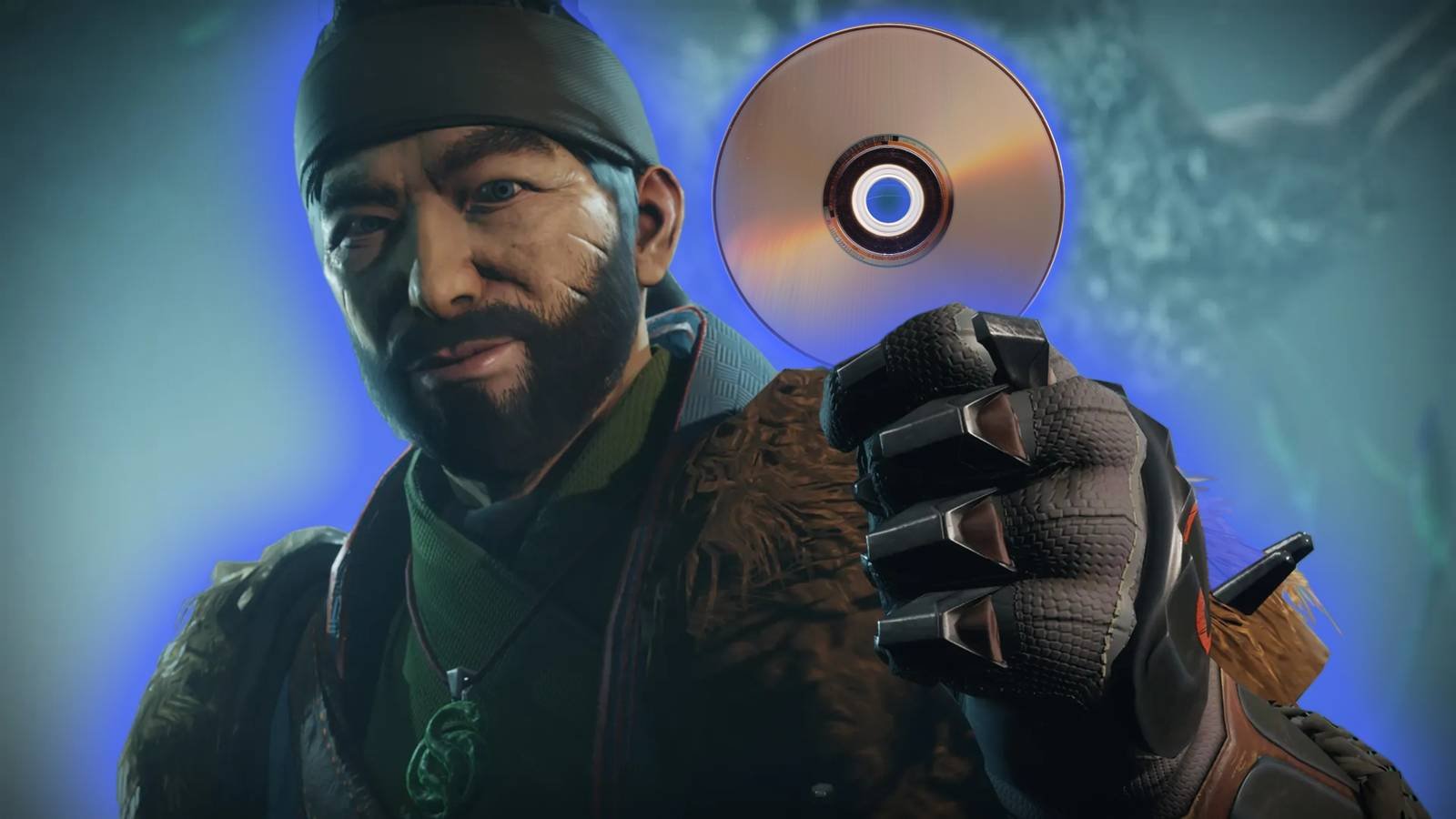
Timeline of Controversy: How Sony’s Decisions Fueled a Fan Revolt
To understand the scale of the backlash, it’s essential to trace the sequence of events that led to today’s protests:
- September 2024: Sony announces it will cease physical disc production starting January 2028 during a corporate strategy briefing, citing declining physical game sales and manufacturing costs.
- November 2024: Sony confirms it has halted all future Destiny 2 content development, effective immediately, despite the game maintaining over 25,000 concurrent players on Steam daily according to SteamDB data.
- May 2026: Sony files response in Driscoll v. Sony Interactive Entertainment LLC, stating that “no reasonable person” would believe they own digital games, sparking widespread consumer backlash.
- August 2026: Change.org petition for Destiny 3 surpasses 410,000 signatures. Bungie reportedly makes third pitch to Sony for the sequel, which is rejected over $500 million budget concerns, according to reports from Bloomberg and Kotaku.
- September 3, 2026: PlayStation State of Play chat flooded with protests, marking the most visible public display of fan discontent.
Players Boycotting Sony Over Destiny 3 and Digital Games
The “No Disc No Buy” movement has gained significant traction across social media platforms, with proponents arguing that Sony’s digital-only transition eliminates consumer rights to resell, lend, or archive games. Meanwhile, Destiny 2 fans point to the game’s enduring popularity—over 25,000 concurrent players on Steam daily, according to SteamDB—as evidence that Bungie’s flagship franchise still has substantial commercial potential. The movement has drawn parallels to the No Disc No Buy campaign that has been gaining momentum across social media platforms.
“These comments combined made up well over 90% of the chat in today’s showcase,” said gaming industry analyst Daniel Ahmad of Niko Partners. “This coordinated protest shows that the gaming community is paying close attention to corporate strategy and is willing to disrupt major marketing events to make their voices heard.”
Industry analyst Mat Piscatella of Circana noted that Sony’s digital-only strategy represents a significant risk: “Physical game sales still account for approximately 30% of console game revenue in the U.S. market. Moving to digital-only not only alienates a large segment of consumers but also eliminates the retail presence that drives impulse purchases and new player acquisition.”
Destiny 3 Petition and Bungie’s Precarious Future
The official Destiny 3 petition on Change.org has surpassed 410,000 signatures, with signatories from over 180 countries. The Destiny 3 petition, which began in March 2025, calls on Sony to greenlight development of the sequel and reverse its decision to cease Destiny 2 support. Despite the petition’s size, Sony has issued no public response.
Bungie has reportedly pitched Destiny 3 to Sony on at least three separate occasions since the acquisition closed in 2022. However, sources familiar with the discussions, speaking to Bloomberg and Kotaku, indicate that Sony has rejected each proposal due to budget concerns. Development costs for a AAA sequel of Destiny’s scale are estimated at approximately $500 million by DFC Intelligence, a game industry research firm, making it one of the most expensive game projects ever contemplated.
Sony’s reluctance is understandable given Bungie’s financial performance since acquisition. Despite the initial investment of $3.6 billion, Bungie has reportedly struggled to meet revenue targets. Marathon, Bungie’s extraction shooter released in late 2025, peaked at 4,500 concurrent players on Steam and has since declined to an average of 1,200 to 1,800 daily players, according to SteamDB. Season 3 of Marathon introduced significant gameplay overhauls, but player retention remains below expectations for a major AAA title.
Bungie’s Incubation Projects and Studio Restructuring
Following a series of layoffs in early 2026 that reduced Bungie’s workforce by approximately 15%, reports indicated that the studio had only incubation projects in development. Of the five or six projects Bungie was working on, only Project Gummy Bear survived the restructuring, and it was reportedly transferred to an unnamed Sony studio. Marathon remains Bungie’s only active published title, but its underperformance raises questions about the studio’s viability under Sony’s ownership.
“Bungie is in a difficult position,” said industry analyst Michael Pachter of Wedbush Securities. “They need a hit, but Sony is unwilling to invest the capital required for a Destiny 3 given Bungie’s recent performance. It’s a chicken-and-egg problem that may ultimately force a more significant restructuring or even a sale of the studio.”
Sony’s Digital-Only Strategy: A Comparative Analysis with Xbox
Sony’s approach to digital gaming stands in marked contrast to that of its primary competitor, Microsoft’s Xbox division. While Sony is phasing out physical disc production entirely by January 2028, Microsoft has committed to supporting physical media through at least 2030. Xbox continues to release physical editions of major titles and has emphasized player choice between digital and physical formats.
This divergence in strategy has become a key differentiator in the current console generation. Consumer surveys by Circana in Q2 2026 indicate that 43% of respondents said they would be less likely to purchase a PlayStation console if it became digital-only, compared to 18% who indicated the same for Xbox. The difference is attributed to Xbox’s continued support for physical media and its Xbox Game Pass subscription model, which offers a different value proposition for digital consumption.
Microsoft’s strategy also includes multiple hardware configurations, with the Xbox Series X offering a disc drive while the Series S is digital-only, allowing consumers to choose their preferred format. Sony, by contrast, has released the PlayStation 5 Digital Edition but appears set to eliminate the disc-drive option entirely in the next console generation.
Financial Impact: Could Protests Affect Sony’s Bottom Line?
The financial implications of both controversies are significant. According to Sony’s FY2025 earnings report, PlayStation generated ¥3.8 trillion ($26.4 billion) in revenue, with digital game sales accounting for 72% of total game software revenue. However, physical game sales still contribute approximately ¥1.06 trillion ($7.4 billion) annually, representing a substantial revenue stream that Sony would need to replace through digital growth.
Analysts at Goldman Sachs have noted that while Sony’s digital revenue has grown consistently, the complete elimination of physical sales could create a short-term revenue gap of 10-15% in the games segment if consumer backlash leads to reduced spending. Additionally, the protests have already generated negative press coverage, which could impact brand perception and consumer loyalty.
“The financial case for going digital-only is clear in terms of margin improvement,” said analyst Serkan Toto of Kantan Games. “But Sony is underestimating the emotional attachment consumers have to physical media. The protests, while currently limited to a vocal minority, represent a reputational risk that could impact PlayStation’s market position.”
According to a recent report from Bloomberg, Sony is not considering backing down from its digital-only plans despite the backlash. The report, citing internal sources, indicates that the company views the current protests as a temporary reaction that will subside as the industry transitions. This position echoes similar statements made by Sony executives during investor calls in 2025, where they emphasized the inevitability of a digital-only future.
As such, while the protests have been highly visible, Sony appears committed to its strategy. The company has not issued any public statement addressing the State of Play chat takeover, and industry observers suggest that barring a significant shift in consumer behavior or regulatory intervention, Sony will proceed with its plans to eliminate physical disc production by January 2028.
For more information on Sony’s digital strategy and legal proceedings, visit the official PlayStation Terms of Service and review the court documents in Driscoll v. Sony Interactive Entertainment LLC.