Who Is Ralph Norman? The Congressman Who Lost to Darline Graham and Trump’s Endorsement


Rep. Ralph Norman, a five-term South Carolina congressman and vice chair of the House Freedom Caucus, lost the Republican Senate runoff to Darline Graham on August 25—a defeat driven largely by President Donald Trump’s late endorsement and a potent “career politician” narrative that undercut Norman’s experience.
- Who Is Ralph Norman?: A 73-year-old Republican congressman from Rock Hill, South Carolina, representing the state’s 5th District since 2017. He is vice chair of the House Freedom Caucus.
- Why He Lost: Norman lost to Darline Graham, the sister of the late Sen. Lindsey Graham, after Trump endorsed and campaigned for her—framing Norman as an establishment insider despite his conservative credentials.
- The Haley Endorsement Cost: Norman’s 2024 endorsement of Nikki Haley over Trump proved decisive. Trump’s super PAC, MAGA Inc., spent nearly $830,000 against Norman in the final days of the runoff.
- Key Endorsements: Despite Trump’s opposition, Norman had backing from Nikki Haley, former Gov. Mark Sanford, and outgoing Rep. Nancy Mace.
- Wealth & Self-Funding: Norman is the 26th richest member of Congress with an estimated net worth of $63.8 million. He spent $5.6 million of his own money on his failed gubernatorial run and added $400,000 to his Senate campaign.
- Vote Breakdown: Graham won approximately 52% to 48%—roughly 193,396 votes to Norman’s 175,327. Norman carried his home district but lost statewide.
Who Is Ralph Norman? A Conservative Congressman With Deep South Carolina Roots
Ralph Norman is a Republican U.S. Representative who has served South Carolina’s 5th congressional district since 2017. Born and raised in Rock Hill, South Carolina, he earned his bachelor’s degree from Presbyterian College and a business degree from the University of South Carolina. Before entering politics, Norman built a career in commercial real estate with his family’s firm, the Warren Norman Company, which his father founded. This business background shaped his fiscal conservatism and his frequent emphasis on private-sector experience during campaigns.
Norman’s political career began in the South Carolina House of Representatives, where he served from 2005 to 2006 and again from 2009 to 2017. He then won a special election for Congress in 2017 to replace Mick Mulvaney, who had been appointed to serve in the Trump administration. A father of four adult children and grandfather of 17, Norman and his wife of 51 years, Elaine Rice Norman, continue to reside in Rock Hill.
Norman is the 26th richest member of Congress, including both the House and Senate, according to the Quiver Quantitative Live Net Worth Tracker, with an estimated net worth of $63.8 million. His personal wealth allowed him to self-fund significantly, but it also became a campaign liability as Graham painted him as an out-of-touch millionaire.
View Ralph Norman’s official congressional biography and his FEC campaign finance records for detailed disclosure information.
Early Life and Business Career
Ralph Norman was born and raised in Rock Hill, a city in York County near the North Carolina border. His father founded the Warren Norman Company, a commercial real estate development firm that became a significant player in the South Carolina market. Norman worked in the family business for decades before entering politics, developing expertise in property development, construction, and real estate investment. This business background gave him a reputation as a pragmatic fiscal conservative who understood economic development and job creation. He often cited his experience creating jobs in the private sector as a contrast to “career politicians” who had never worked outside government—a narrative that would ironically be used against him in the Senate runoff.
South Carolina House Service and Congressional Tenure
Norman first entered public office in 2005 when he was elected to the South Carolina House of Representatives. He served one term, lost reelection in 2006, but returned in 2009 and remained in the state legislature until 2017. During his time in Columbia, Norman built a reputation as a reliable conservative vote, supporting tax cuts, tort reform, and pro-business legislation. His work on economic development and infrastructure projects in York County earned him support from local business leaders and Republican activists.
Congressional Tenure and Freedom Caucus
In 2017, Norman won a special election to represent South Carolina’s 5th Congressional District, filling the seat vacated by Mick Mulvaney. He was subsequently reelected multiple times, solidifying his position in a district that includes Rock Hill, Sumter, and parts of the Upstate. Norman quickly aligned himself with the most conservative members of the House, joining the House Freedom Caucus and eventually becoming its vice chair. The Freedom Caucus has been a powerful force pushing for limited government, fiscal responsibility, border security, and strict immigration enforcement. Norman co-sponsored and voted for the SAVE Act, a voter identification requirement bill, and supported the Trump administration’s hardline immigration policies, including the southern border wall and deportation efforts. He also consistently voted for pro-life legislation, earning endorsements from anti-abortion advocacy groups.
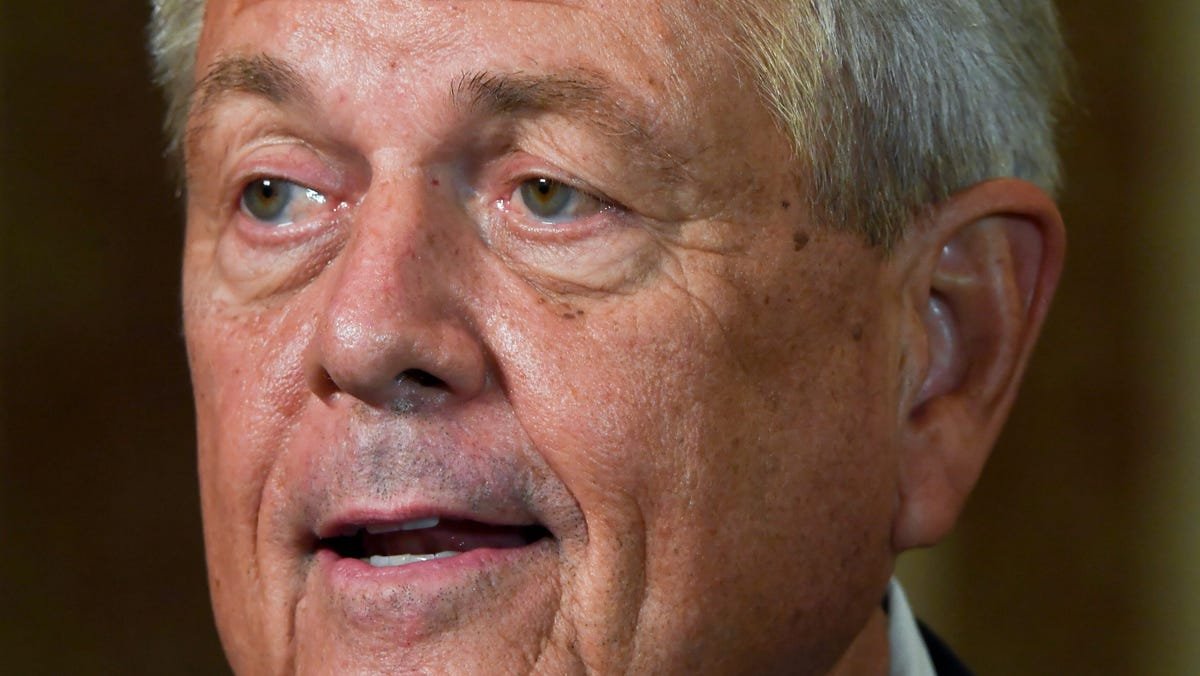
The 2026 Senate Runoff: Experience vs. Trump’s Endorsement
The 2026 U.S. Senate race in South Carolina was triggered by the sudden death of Sen. Lindsey Graham in July. Gov. Henry McMaster appointed Graham’s younger sister, Darline Graham, to temporarily fill the seat, and she immediately announced her campaign for a full term. Norman, fresh off a third-place finish in the Republican gubernatorial primary in June, saw an opening and entered the Senate race. He positioned himself as the experienced conservative alternative to a political newcomer, emphasizing his decades of legislative service and deep knowledge of federal policy.
The Endorsement Battle: Haley vs. Trump
The defining moment of the race occurred when President Trump endorsed Darline Graham. Trump framed his support as a tribute to his late ally, Lindsey Graham, and portrayed Darline Graham as a loyal soldier for his agenda. For Norman, the endorsement was a devastating blow—a direct consequence of his decision to endorse Nikki Haley over Trump in the 2024 presidential primary. Norman had been the only member of South Carolina’s House delegation to back Haley, and that loyalty to the former governor came back to haunt him. Trump’s super PAC, MAGA Inc., made a late infusion of $830,000 into the race, sending waves of voter calls and text message blasts attacking Norman as a “career politician” and a “RINO” (Republican In Name Only). Norman also had endorsements from former Gov. Mark Sanford and outgoing Rep. Nancy Mace, but those were far outweighed by the power of Trump’s backing.
This dramatic turn of events mirrored the broader dynamics of the Republican primary, where Trump’s endorsement proved decisive in Darline Graham’s victory.
The “Career Politician” Narrative
Darline Graham and the Trump campaign effectively turned Norman’s experience against him. Graham’s campaign and allied super PACs ran ads depicting Norman as a Washington insider who had been in Congress for years without significant accomplishments. Graham herself told Fox News’ Ainsley Earhardt on August 24: “I’ve already done more in 20 days than he’s done in 20 years.” This message resonated with voters frustrated with the political establishment, particularly in a year when anti-incumbent sentiment was high. Despite Norman’s conservative voting record—including his membership in the Freedom Caucus and his support for Trump’s policies—the “career politician” label stuck.
The National Security Gaffe
Norman’s campaign attempted to counter the “career politician” narrative by highlighting Graham’s inexperience. This strategy gained traction when Graham stated during a debate that she was “not that informed on national security,” a notable gaffe given her brother’s decades of foreign policy expertise. Norman ran ads and campaigned heavily on this point, arguing that the Senate was “not a place for training on the job.” However, Graham and Trump successfully pivoted, arguing that Norman’s experience had not produced results and that Graham’s outsider status was an asset, not a liability.
Why Ralph Norman Lost: A Detailed Breakdown
The final vote count was close but decisive: Darline Graham won approximately 52% to 48%, securing roughly 193,396 votes to Norman’s 175,327. Several interconnected factors contributed to Norman’s defeat, reflecting broader tensions within the Republican Party.
The Trump Factor
Donald Trump’s involvement was the single most significant factor in the race. Trump held an in-person rally in Myrtle Beach for Graham just days before the election and a tele-rally on the eve of the runoff. His endorsement carried enormous weight with Republican primary voters in South Carolina, where Trump remains highly popular. Norman conceded on election night, saying he “never understood why [Trump] got in this race,” but he accepted his loss. The Trump factor also manifested through his super PAC’s spending, which flooded the airwaves and voter inboxes with negative ads targeting Norman.
Where Norman Won and Lost
A county-by-county breakdown of the results reveals a classic pattern: Norman won his home district but lost the statewide vote. Norman carried York County (his home county and part of his congressional district) and several rural Upstate counties where he had strong name recognition from his congressional service. However, Graham dominated in the coastal counties—including Horry County (Myrtle Beach) and Charleston County—as well as in the midlands around Columbia, where the state’s population centers are located. This regional split suggests that Trump’s appeal in coastal and urban areas, combined with the “career politician” narrative, overcame Norman’s local advantages.
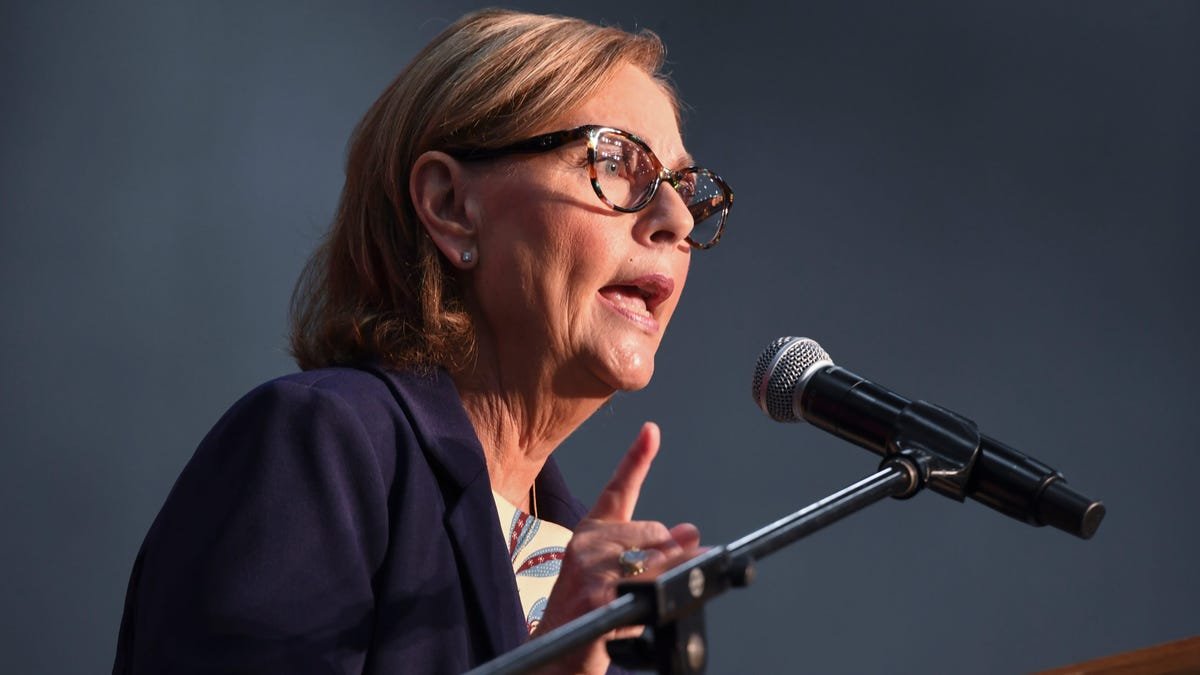
What’s Next for Ralph Norman?
Norman’s loss in the Senate runoff raises questions about his political future. He remains a U.S. Representative until his current term expires, and he could seek reelection to the House in 2028. However, his defeat in two statewide races—the gubernatorial primary and the Senate runoff—may signal that his political ceiling has been reached. Some political analysts speculate that Norman could retire from Congress to return to his business interests, while others suggest he could mount another campaign for governor or Senate in the future. For now, Norman remains a vocal member of the House Freedom Caucus and a key conservative voice on fiscal and immigration policy.
Ralph Norman’s Voting Record and Policy Stances
For readers seeking to understand Norman’s policy positions, his voting record provides clear guidance. Norman has consistently voted for tax cuts, including the Trump-era Tax Cuts and Jobs Act, and has supported reducing federal spending and regulations. On social issues, he has maintained a 100% rating from the National Right to Life Committee and has voted to defund Planned Parenthood and ban late-term abortions. On immigration, Norman has supported the construction of a southern border wall, stricter asylum policies, and the SAVE Act, which would require voters to present proof of citizenship when registering to vote. He has also been a vocal critic of the Biden administration’s foreign policy, particularly on China and Ukraine, and has called for greater military spending and defense modernization.