The Unsettling Alert: What the FBI Revealed
The Federal Bureau of Investigation didn’t mince words when it delivered its recent intelligence bulletin, a document that landed on the desks of various California law enforcement agencies and critical infrastructure operators with the weight of an anvil. The warning wasn’t vague; it pointed to credible, albeit unspecific, intelligence suggesting that entities backed by Iran might be considering, or even actively planning, a drone strike on targets within California. “It’s the kind of alert that makes everyone sit a little straighter,” an anonymous state security official told us, reflecting the palpable tension. “When the FBI issues something like this, you don’t dismiss it. You activate every protocol you have.”
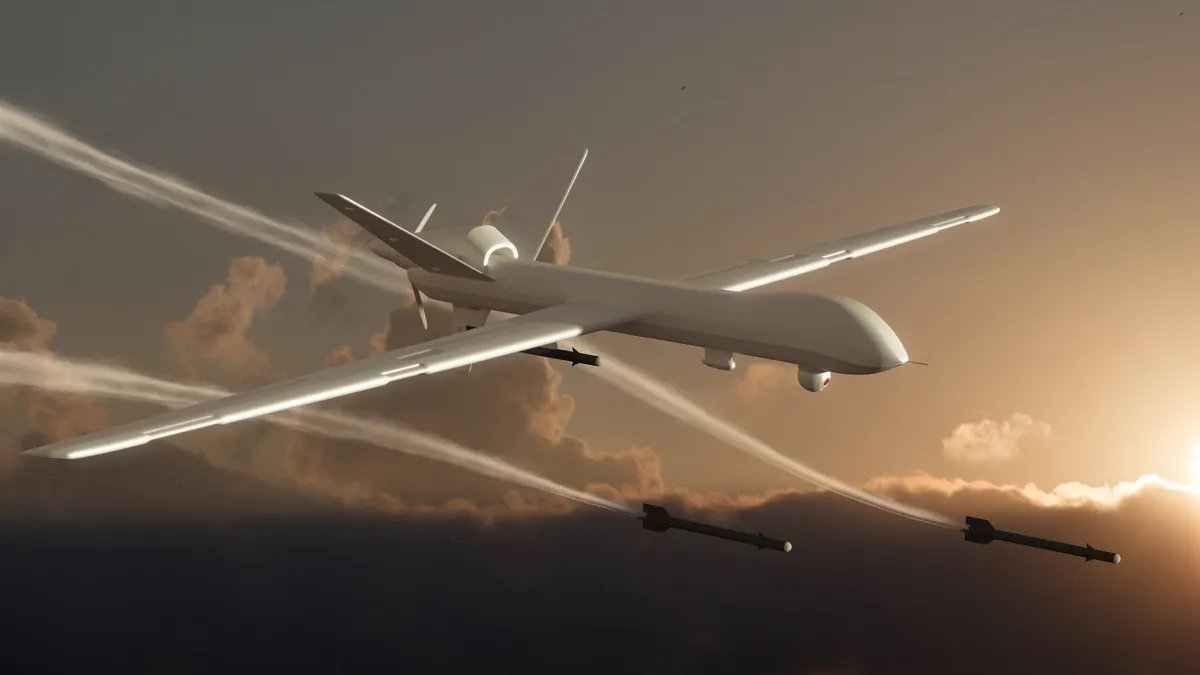
This isn’t the first time the specter of foreign-backed threats has loomed over American soil, but the specificity of a potential drone attack in a highly populated and economically vital state like California adds a new layer of urgency. Imagine a quiet Tuesday morning, the fog still lifting over the Pacific, only to be shattered by something entirely unforeseen. The intelligence, while lacking precise dates or locations, highlighted general vulnerabilities and the ongoing intent of certain actors to project power and sow discord far beyond their immediate borders. It’s a chess game played on a global board, and unfortunately, California finds itself a potential square in that deadly game.
Understanding the “Iran-Backed” Aspect
When we talk about an Iran-backed drone attack, it’s crucial to understand that this often refers to operations conducted by proxy groups or militias that receive significant support, funding, and training from the Iranian government. Iran has a well-documented history of cultivating such networks across the Middle East, from Hezbollah in Lebanon to various Houthi factions in Yemen. These groups frequently employ asymmetric warfare tactics, and drones have become a cornerstone of their offensive capabilities. “Iran’s drone program has evolved dramatically over the last decade,” explains Dr. Aris Thorne, a security analyst specializing in Middle Eastern conflicts. “They’ve moved from rudimentary surveillance tools to sophisticated armed platforms capable of precision strikes. And they’ve exported this technology and expertise to their proxies.” This makes the threat more complex, as identifying the direct perpetrator can be challenging, though the ultimate sponsor remains clear. The sheer thought of this kind of technological capability being deployed against our communities is, frankly, chilling.
Why California? A Strategic Target Analysis
The question on everyone’s mind, naturally, is: Why California? Beyond its symbolic status as a beacon of American innovation and culture, the state presents a compelling target for adversaries seeking to make a significant impact.
- Critical Infrastructure: California boasts an immense network of vital infrastructure, including major ports (Los Angeles, Long Beach), extensive energy grids, water delivery systems, and a sprawling technology sector in Silicon Valley. A disruption to any of these could have cascading economic and social consequences far beyond state lines.
- Economic Powerhouse: As the fifth-largest economy in the world, California’s economic stability is crucial to the entire United States. An attack here could rattle global markets and instill widespread fear.
- Dense Population Centers: With major metropolitan areas like Los Angeles, San Francisco, and San Diego, any incident could lead to significant casualties and public panic, fulfilling a primary goal of terrorism.
- Symbolic Value: California represents the American dream for many, a place of opportunity and progress. Striking at such a symbol could be seen as a propaganda victory by adversaries.
“It’s not just about the physical damage,” noted a homeland security expert during an impromptu interview. “It’s about the psychological impact, the disruption, the message it sends. California offers all of that in abundance.” Imagine the chaos if a major port was temporarily shut down, or if power was cut to millions. It’s a scenario no one wants to contemplate, but one that intelligence agencies are clearly taking very seriously.
The FBI’s Call to Action and Local Response
In response to this grave warning, the FBI has initiated a series of proactive measures, primarily focusing on information sharing and enhanced vigilance. The bulletin urged local law enforcement agencies, private sector partners, and critical infrastructure operators to immediately review and update their security protocols. This means more than just locking doors; it involves assessing vulnerabilities to drone incursions, improving detection capabilities, and having clear response plans in place.
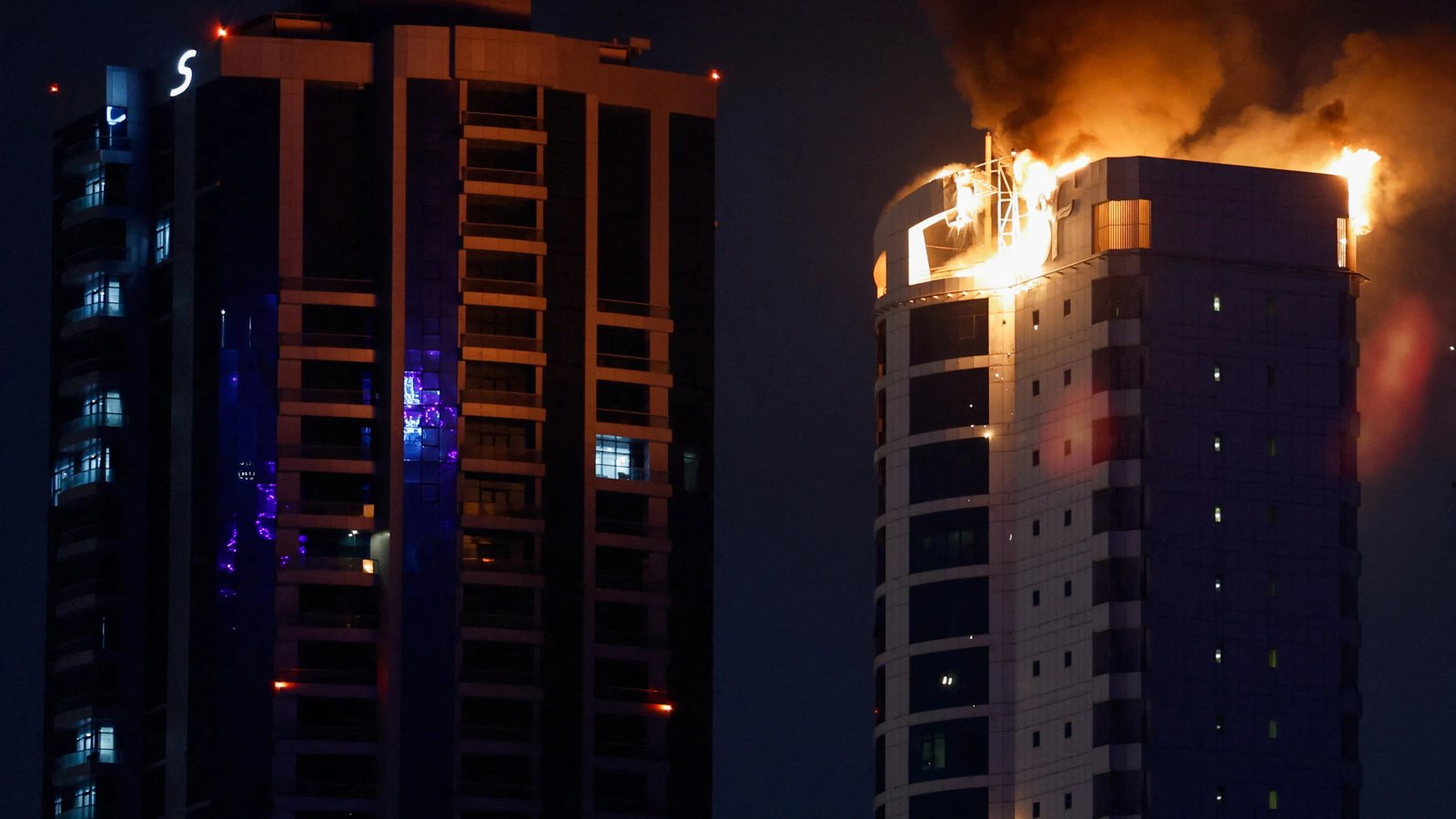
California Governor Gavin Newsom’s office released a statement acknowledging the threat and assuring the public that all necessary steps were being taken. Local police departments, from the LAPD to smaller county sheriffs, have increased patrols around sensitive sites. “We’re asking our officers to be extra aware, especially of any unusual drone activity,” said a spokesperson for the San Francisco Police Department. “If something looks out of place, we need to know about it immediately.” The message is clear: the entire state needs to be on high alert. It’s a collective effort, requiring everyone, from security personnel to the average citizen, to contribute to the overall situational awareness. This feels like a moment where the phrase “if you see something, say something” takes on an even more profound meaning.
Public Advisories and Personal Vigilance
The public is also being asked to play its part. While there’s no need for panic, a healthy dose of vigilance is certainly warranted. Authorities recommend:
- Reporting any suspicious drone activity, especially near critical infrastructure or large public gatherings.
- Being aware of surroundings, particularly in crowded areas.
- Following official news sources for updates and avoiding the spread of unverified rumors.
- Reviewing personal emergency plans, just as a general preparedness measure.
It’s about being prepared, not paralyzed. “We don’t want people living in fear,” explained a community liaison from the FBI field office in Los Angeles. “But we do want them to be our extra eyes and ears. Every piece of information helps us build a clearer picture and keep everyone safe.” It’s a delicate balance, informing without inciting panic, but it’s a balance we absolutely must strike.
The Broader Geopolitical Landscape: US-Iran Tensions
This warning doesn’t exist in a vacuum; it’s intrinsically linked to the long-standing and often volatile relationship between the United States and Iran. Tensions between the two nations have been simmering for decades, frequently escalating around issues like Iran’s nuclear program, its support for regional proxy groups, and its adversarial stance towards US allies.
In recent years, the rhetoric has often been heated, punctuated by real-world incidents. There have been attacks on shipping in the Persian Gulf, rocket attacks on US interests in Iraq, and retaliatory strikes. The development and proliferation of Iran’s drone technology have added a new, concerning dimension to this dynamic. “Iran sees its drone capabilities as a strategic equalizer,” explained Dr. Aris Thorne, a security analyst specializing in Middle Eastern conflicts. “It allows them to project power and threaten adversaries without direct confrontation using conventional forces. And they’re not shy about using their proxies to do it.” The specter of an attack on US soil, even by proxy, would represent a significant and dangerous escalation, potentially triggering a much broader response. It’s a high-stakes game of brinkmanship, and frankly, the thought of California being caught in the crossfire is truly unsettling.
Proxy Warfare and Attribution Challenges
One of the most insidious aspects of the potential threat is the difficulty of clear attribution in a drone attack carried out by an Iran-backed group. These groups often operate with a degree of plausible deniability, making it harder for direct retaliation and potentially complicating the international response. However, intelligence agencies are highly skilled at connecting the dots. “While a proxy might pull the trigger, our intelligence capabilities are sophisticated enough to trace the support, the training, and the ultimate direction back to its source,” an intelligence community source, who wished to remain anonymous due to the sensitivity of the topic, assured us. This ongoing game of cat and mouse demands constant vigilance and sophisticated intelligence gathering. The stakes are just too high to get it wrong.
Living Under Threat: Human Reactions in California
The news has undoubtedly cast a pall over the usual Californian optimism. While life continues – surfers still hit the waves, tech workers still commute, and Hollywood still dreams – there’s an undercurrent of heightened awareness. “You hear something like that, and you definitely look up a little more often,” admitted Maria Rodriguez, a small business owner in Santa Monica. “You wonder if that buzzing sound you sometimes hear is just a kid’s toy, or something more sinister.” Her sentiment is echoed by many. Parents worry about school safety, event organizers ponder security for large gatherings, and commuters might think twice about crowded public transport.
This isn’t a state of panic, but rather one of sober caution. It highlights how threats that once felt distant are now very much at our doorstep, demanding a collective shift in mindset. The bright California sun still shines, but for many, it now illuminates a landscape where vigilance is paramount and the skies hold a new, unsettling potential. It’s a strange feeling, to be in paradise and simultaneously aware of such an insidious threat.
Conclusion: Vigilance in a Complex World
The FBI’s caution to California about a possible Iran-backed drone attack serves as a stark, undeniable reminder of the complex and interconnected nature of global security. It underscores that geopolitical tensions, even those originating far away, can have very real and immediate implications for everyday citizens. While the immediate threat remains unconfirmed in terms of specific timing or location, the intelligence is credible enough to warrant serious, widespread action.
California, known for its resilience and spirit of innovation, is now tasked with demonstrating its capacity for collective vigilance. The coordinated efforts of federal, state, and local agencies, coupled with heightened public awareness, are our strongest defense against such insidious threats. This isn’t just about preventing an attack; it’s about preserving our way of life, our sense of security, and the fundamental promise of safety in our communities. As we move forward, it’s clear that vigilance isn’t a temporary state, but an ongoing necessity in a world where the lines between distant conflicts and local safety are increasingly blurred. Stay informed, stay aware, and together, we can navigate these challenging times.
Frequently Asked Questions
| What is the FBI’s recent warning to California about? | The FBI has issued a serious intelligence bulletin to California regarding a credible, but unspecific, threat of a possible Iran-backed drone attack. The warning emphasizes potential targeting of critical infrastructure and urges heightened vigilance from law enforcement and the public. |
| Why is it important for the public to be aware of such warnings? | Public awareness is crucial for fostering collective vigilance. Citizens can serve as extra “eyes and ears” for authorities, reporting suspicious activities, especially concerning drones near sensitive locations. Awareness also helps prevent panic and ensures a coordinated, informed response. |
| What specific measures are being taken in California in response to this threat? | In response, federal, state, and local agencies are reviewing and updating security protocols, increasing patrols around critical infrastructure, and enhancing drone detection capabilities. Public advisories encourage reporting suspicious activity and maintaining general preparedness. |
| What challenges does the FBI face in preventing potential drone attacks? | Challenges include the widespread availability and evolving sophistication of drone technology, the difficulty in detecting small, fast-moving objects, and the complexities of attributing attacks carried out by proxy groups, which often operate with plausible deniability. |
| How might geopolitical tensions between the US and Iran evolve regarding such threats? | Tensions between the US and Iran are long-standing. Any direct or proxy attack on US soil, particularly by advanced means like drones, would likely lead to a significant escalation in diplomatic and potentially military responses, further destabilizing an already volatile relationship. |
Important Notice
This FAQ section addresses the most common inquiries regarding the topic.