Satellite images have emerged, suggesting evidence of mass burials ongoing in El-Fasher, Sudan. This development intensifies concerns about the escalating violence in the region. The images, analyzed recently, appear to show the grim reality on the ground following the seizure of El-Fasher by the paramilitary Rapid Support Forces (RSF). This article delves into the details revealed by the satellite imagery and the implications for the ongoing conflict in Sudan.
Satellite Images Reveal Potential Mass Burials in El-Fasher

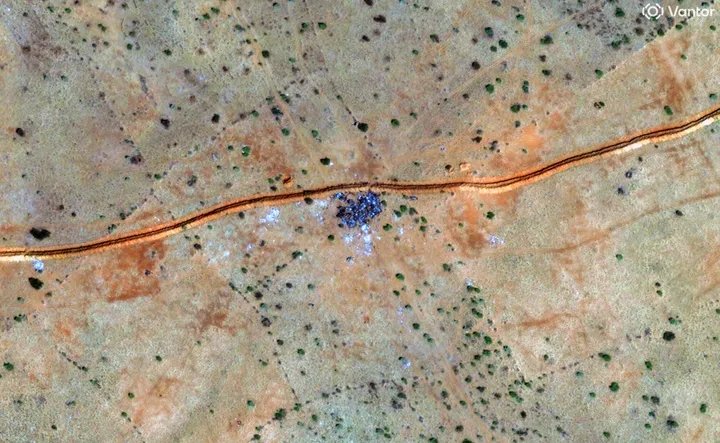
The analysis of satellite images, conducted by the Yale School of Public Health’s Humanitarian Research Lab, focuses on images of El-Fasher obtained from Vantor, a Colorado-based imaging firm. The images purportedly show what appear to be mass graves being prepared and subsequently covered at two locations within the city. One site is located near a mosque north of the Saudi hospital, where reports indicate approximately 460 individuals have been killed. The second site is situated near a former children’s hospital, which the RSF has purportedly been utilizing as a prison. These findings raise serious questions about the scale of the atrocities occurring in the region.
According to the Yale lab’s report, determining the exact number of bodies interred is impossible based solely on the dimensions of the potential mass graves. This limitation is due to the common practice of layering bodies during disposal. The Associated Press independently verified the Vantor imagery and confirmed the details outlined in the Yale lab’s report. Furthermore, satellite photos taken by Planet Labs PBC on Tuesday revealed soil discoloration at both sites, a typical indicator of ground excavation and subsequent reburial.
Context of the Conflict in Sudan
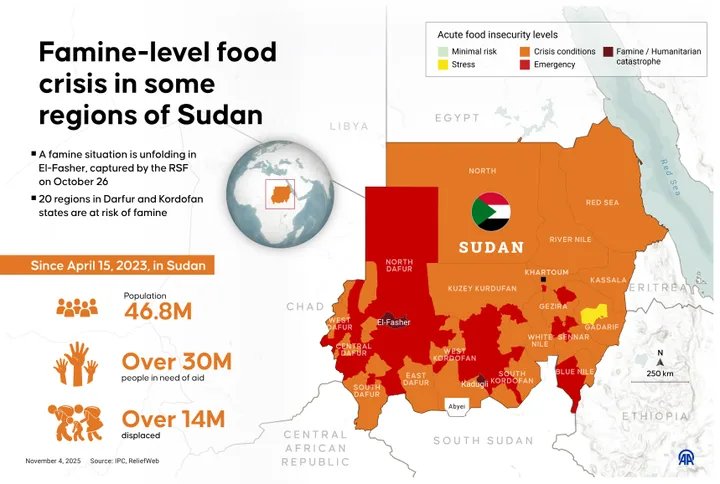
These disturbing revelations come against the backdrop of a two-year-long war in Sudan, marked by growing international condemnation. Local media and the United Nations have reported a drone strike targeting a funeral in El-Obeid, another Sudanese city, resulting in at least 40 fatalities. The conflict has led to widespread displacement, food insecurity, and a humanitarian crisis, which affects millions of Sudanese people. The ongoing violence highlights the urgent need for a peaceful resolution and accountability for those responsible for the atrocities.
The conflict has also had a significant impact on the infrastructure and healthcare system in Sudan. Access to essential services like healthcare and clean water has been severely disrupted, exacerbating the suffering of the civilian population. The reports of mass burials further underscore the dire humanitarian situation and the urgent need for international intervention.
Analyzing the Satellite Data
The use of satellite imagery in conflict zones provides crucial evidence that can be used to document potential war crimes and human rights abuses. The analysis of these images requires expertise in remote sensing and knowledge of forensic anthropology to accurately interpret the findings. While satellite images cannot provide definitive proof of mass burials, they can offer strong indications that warrant further investigation. The analysis conducted by the Yale School of Public Health’s Humanitarian Research Lab provides a valuable contribution to understanding the situation in El-Fasher and holding those responsible accountable.
The ongoing conflict and its dire consequences underscore the importance of continued monitoring and investigation. International organizations and human rights groups must work together to ensure that the truth about what is happening in El-Fasher and other conflict zones in Sudan is brought to light. The evidence from satellite imagery, coupled with other reports and testimonies, can serve as a powerful tool for advocacy and accountability.
Table: Key Events in the Sudan Conflict
| Date | Event | Description |
|---|---|---|
| April 2023 | Outbreak of Conflict | Fighting erupts between the Sudanese Armed Forces (SAF) and the Rapid Support Forces (RSF). |
| May 2023 | Humanitarian Crisis Escalates | Displacement and food insecurity worsen as the conflict intensifies. |
| October 2025 | RSF Seizes El-Fasher | The paramilitary Rapid Support Forces take control of El-Fasher in Darfur. |
| November 2025 | Satellite Images Emerge | Analysis of satellite images suggests evidence of mass burials in El-Fasher. |
Frequently Asked Questions (FAQ)
The satellite images analyzed by the Yale School of Public Health’s Humanitarian Research Lab appear to show mass graves being dug and later covered at two sites in El-Fasher, raising concerns about potential mass burials.
One site is located at a mosque just north of the Saudi hospital, and the other is by a former children’s hospital that the RSF had been using as a prison.
It is difficult to determine the number of bodies because those conducting body disposal often layer bodies on top of each other, making it impossible to estimate based solely on the dimensions of the potential mass grave.
El-Fasher is located in Sudan’s Darfur region, and the images come as the two-year war grinds on in Sudan despite growing international outrage. The paramilitary Rapid Support Forces (RSF) seized El-Fasher, further escalating the conflict.