Heavy Metals in Bubble Tea: A Health Risk?
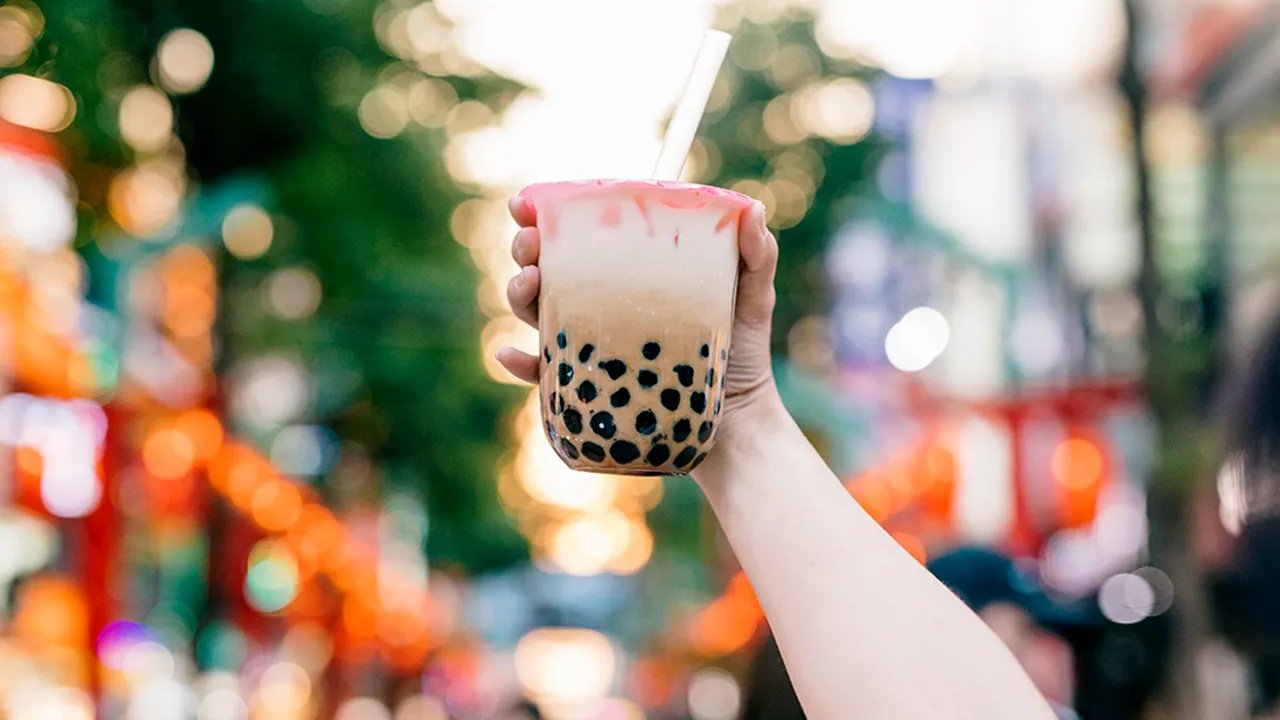
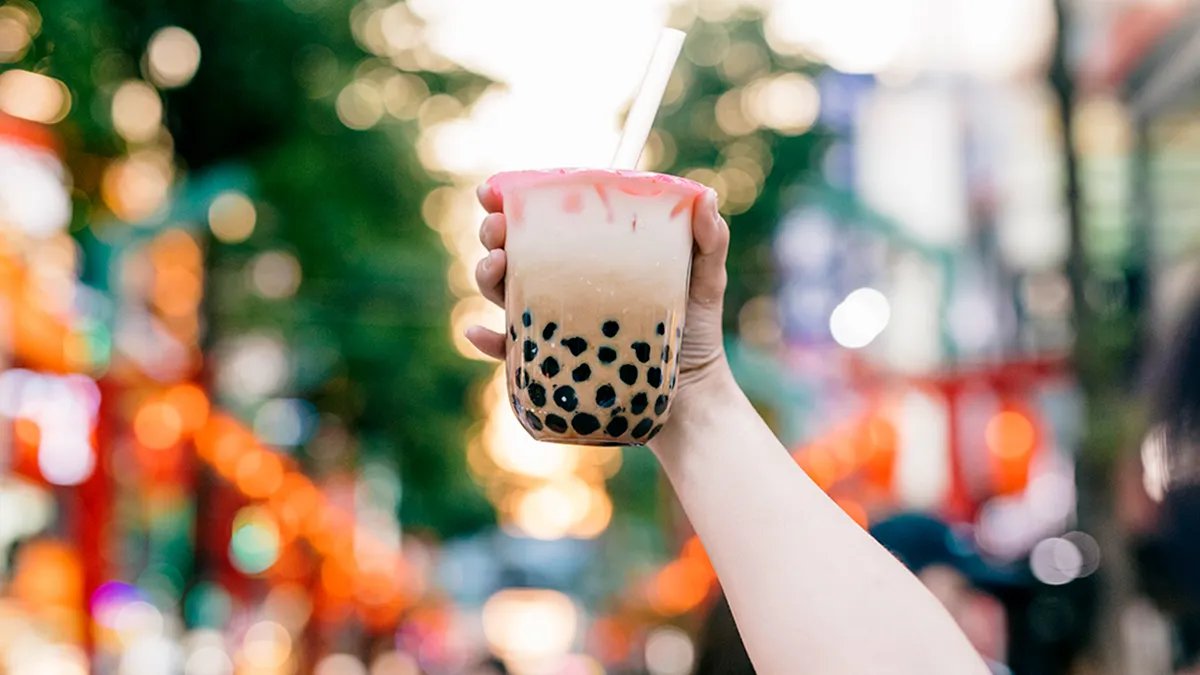
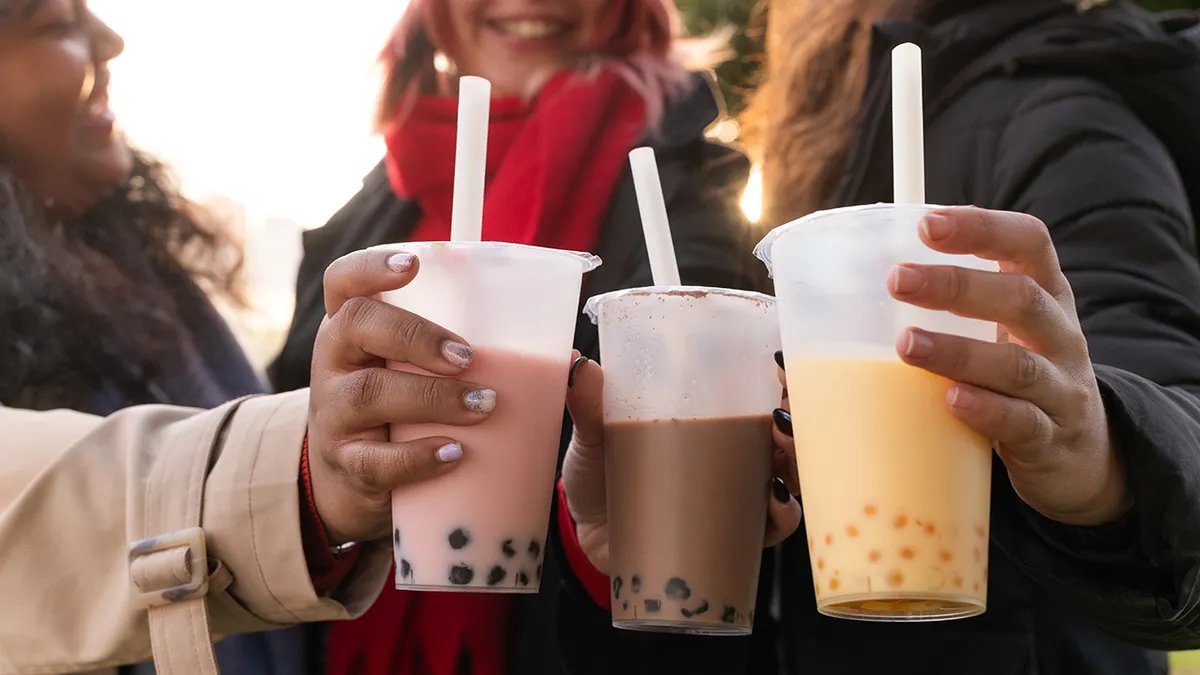
Bubble tea, also known as boba tea, has exploded in popularity worldwide. This sweet and chewy beverage, originating from Taiwan, is a favorite among people of all ages. However, recent investigations have raised concerns about the potential presence of heavy metals in bubble tea, specifically lead. This article delves into the findings of these investigations, explores the potential health risks associated with heavy metal contamination, and provides guidance on how to make informed choices about your bubble tea consumption.
The Investigation: What Was Found?
Consumer Reports recently conducted an investigation into the composition of various bubble tea products. The study focused on analyzing the levels of heavy metals, particularly lead, in different components of the drink, including the tea itself, the milk or creamer, the sweetener, and the tapioca pearls. The results revealed that some samples contained concerning levels of lead, exceeding the permissible limits set by health organizations. While the exact levels varied across different brands and ingredients, the presence of heavy metals in bubble tea raises serious questions about the safety of this popular beverage.
The investigation highlighted that the source of contamination could stem from several factors. The tea leaves themselves may absorb heavy metals from the soil during cultivation. The manufacturing process of tapioca pearls, which often involves artificial colors and additives, could also introduce contaminants. Furthermore, the water used in preparing the tea and cooking the tapioca pearls could be a source of heavy metals if it is not properly filtered or treated. These findings underscore the importance of stringent quality control measures throughout the bubble tea production chain.
Health Risks Associated with Heavy Metals in Bubble Tea
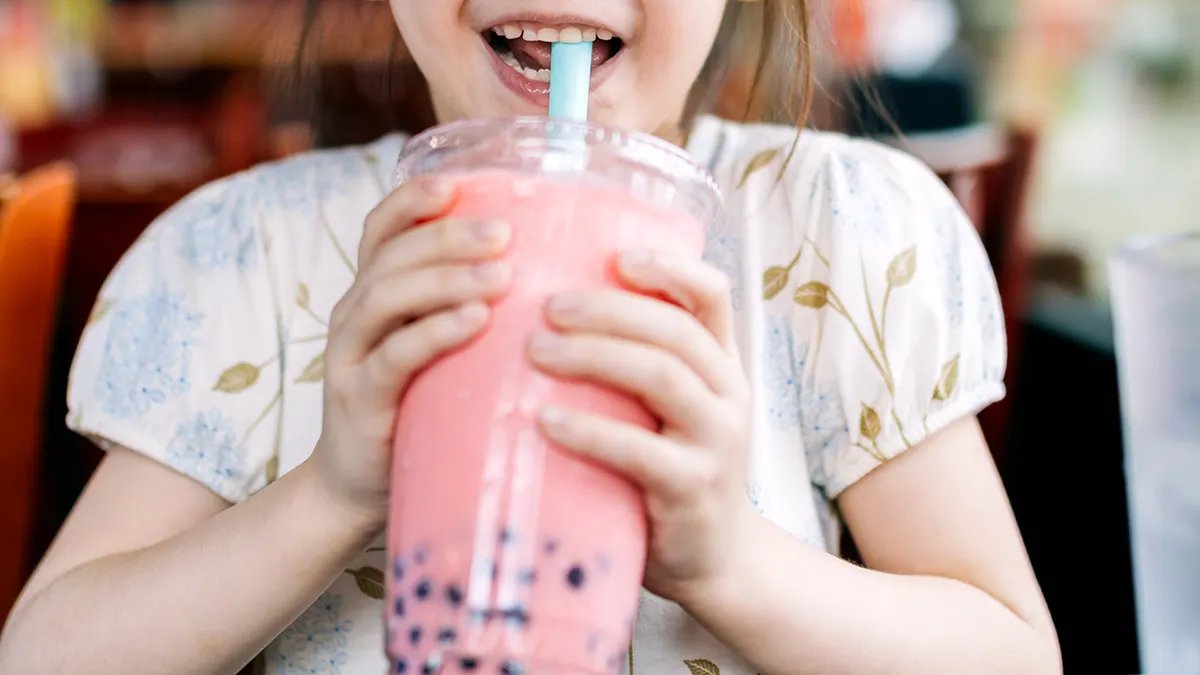
The presence of heavy metals in food and beverages, including bubble tea, poses a significant threat to human health. Lead, in particular, is a neurotoxin that can have detrimental effects on the brain and nervous system, especially in children and pregnant women. Even low levels of lead exposure can lead to developmental delays, learning disabilities, and behavioral problems in children. In adults, lead exposure can increase the risk of high blood pressure, kidney damage, and reproductive problems. Other heavy metals, such as arsenic and cadmium, can also have adverse health effects, including cancer and organ damage.
The cumulative effect of heavy metal exposure over time can be particularly concerning. Regular consumption of bubble tea containing even small amounts of heavy metals can contribute to a gradual build-up in the body, increasing the risk of chronic health problems. It is crucial to be aware of the potential risks and take steps to minimize exposure to heavy metals from all sources, including food, water, and the environment. Understanding these risks is the first step in making informed decisions about your diet and lifestyle.

Sources of Heavy Metals in Bubble Tea Ingredients
Identifying the specific sources of heavy metals in bubble tea is essential for implementing effective strategies to mitigate contamination. As mentioned earlier, tea leaves can absorb heavy metals from the soil, especially if the soil is contaminated with industrial waste or pesticides. Choosing tea leaves from reputable sources that adhere to strict environmental standards can help reduce the risk of contamination. Tapioca pearls, often made with artificial colors and additives, can also be a source of heavy metals if the manufacturing process is not carefully controlled. Opting for tapioca pearls made with natural ingredients and sourced from trusted suppliers can minimize exposure to harmful contaminants.
The water used in preparing bubble tea is another potential source of heavy metals. Using filtered water can remove many contaminants, including lead, arsenic, and cadmium. Investing in a high-quality water filter for your home or business can significantly reduce the risk of heavy metal exposure from drinking water and beverages. Furthermore, the milk or creamer used in bubble tea can also contain heavy metals if it is sourced from farms that use contaminated feed or water. Choosing organic or locally sourced milk products can help ensure that you are consuming dairy products that are free from harmful contaminants.
Making Informed Choices About Bubble Tea Consumption
Despite the concerns about heavy metals in bubble tea, it is still possible to enjoy this popular beverage in moderation and with careful consideration. One of the most important steps you can take is to choose bubble tea shops that prioritize quality and transparency. Ask the staff about the source of their ingredients, including the tea leaves, tapioca pearls, milk, and water. Reputable bubble tea shops will be able to provide information about their suppliers and the quality control measures they have in place to ensure the safety of their products.
Another way to minimize your exposure to heavy metals is to limit your consumption of bubble tea. Drinking bubble tea occasionally as a treat is unlikely to pose a significant health risk. However, regular consumption of bubble tea, especially from sources that may not adhere to strict quality control standards, could increase your risk of heavy metal exposure. Consider making your own bubble tea at home using high-quality ingredients and filtered water. This allows you to control the ingredients and ensure that your beverage is free from harmful contaminants. You might even find it’s a fun activity, similar to unlocking memory retention secrets by learning a new skill!
Tips for Reducing Heavy Metal Exposure from Bubble Tea
- Choose reputable bubble tea shops: Look for shops that prioritize quality and transparency in their sourcing and preparation methods.
- Ask about ingredient sources: Inquire about the origin of the tea leaves, tapioca pearls, milk, and water used in the bubble tea.
- Limit consumption: Enjoy bubble tea in moderation as an occasional treat rather than a regular beverage.
- Make your own bubble tea: Prepare bubble tea at home using high-quality ingredients and filtered water.
- Choose organic ingredients: Opt for organic tea leaves, milk, and sweeteners to minimize exposure to pesticides and other contaminants.
- Use filtered water: Always use filtered water for brewing the tea and cooking the tapioca pearls.
- Avoid artificial colors and additives: Choose tapioca pearls and flavorings that are made with natural ingredients and free from artificial colors and additives.
Regulatory Oversight and Industry Standards
The responsibility for ensuring the safety of bubble tea lies not only with consumers but also with regulatory agencies and the bubble tea industry itself. Government agencies, such as the Food and Drug Administration (FDA), play a crucial role in setting safety standards and monitoring the levels of heavy metals in food and beverages. Regular testing of bubble tea products and ingredients can help identify potential sources of contamination and ensure that products meet safety standards. Stricter regulations on the use of pesticides and industrial waste in tea cultivation areas can also help reduce the risk of heavy metal contamination in tea leaves.
The bubble tea industry also has a responsibility to implement quality control measures throughout the production chain. This includes sourcing ingredients from reputable suppliers, using filtered water, avoiding artificial colors and additives, and regularly testing products for heavy metals. Industry associations can play a role in developing and promoting best practices for bubble tea production and ensuring that all members adhere to these standards. Transparency and communication with consumers are also essential. Bubble tea shops should be open and honest about their sourcing and preparation methods and provide consumers with information about the potential risks associated with heavy metal exposure. This is especially important, similar to the transparency needed when discussing sideline outbursts in sports or a team’s performance issues.
The Future of Bubble Tea Safety
The concerns about heavy metals in bubble tea have sparked a renewed focus on food safety and quality control within the industry. As consumers become more aware of the potential risks, they are demanding greater transparency and accountability from bubble tea shops and suppliers. This has led to a growing trend towards using organic and locally sourced ingredients, as well as implementing more rigorous testing and monitoring procedures. The development of new technologies for detecting heavy metals in food and beverages is also helping to improve the safety of bubble tea and other products.
In the future, we can expect to see even stricter regulations and industry standards for bubble tea production. This will likely involve more frequent testing, stricter limits on heavy metal levels, and greater transparency in ingredient sourcing and preparation methods. Consumers will also play a more active role in ensuring the safety of bubble tea by demanding information about the products they are consuming and supporting businesses that prioritize quality and sustainability. By working together, regulatory agencies, the bubble tea industry, and consumers can ensure that bubble tea remains a safe and enjoyable beverage for everyone.
Alternatives and Healthier Options
If you’re concerned about the potential health risks associated with traditional bubble tea, there are several alternatives and healthier options available. One option is to make your own bubble tea at home using high-quality ingredients and filtered water. This allows you to control the ingredients and ensure that your beverage is free from harmful contaminants. You can also experiment with different types of tea, milk, and sweeteners to create a healthier and more personalized bubble tea experience.
Another option is to choose bubble tea shops that offer healthier alternatives, such as using fresh fruit purees instead of artificial flavorings, opting for low-fat or non-dairy milk options, and using natural sweeteners like honey or maple syrup. Some bubble tea shops also offer sugar-free or low-sugar options for those who are watching their sugar intake. You can also try other types of beverages that are similar to bubble tea but may be healthier, such as fruit smoothies, herbal teas, or infused water. Remember, similar to managing finances like CeeDee Lamb’s contract, moderation and informed choices are key.
The Importance of Water Filtration
As mentioned previously, the water used in preparing bubble tea is a crucial factor in determining its safety. Heavy metals can leach into water from various sources, including old pipes, industrial waste, and agricultural runoff. Using unfiltered water can expose you to lead, arsenic, cadmium, and other harmful contaminants. Investing in a high-quality water filter is a simple and effective way to reduce your exposure to heavy metals from drinking water and beverages.
There are many different types of water filters available, ranging from simple pitcher filters to more advanced whole-house filtration systems. The best type of filter for you will depend on your specific needs and budget. However, any type of filter is better than none. Look for filters that are certified to remove lead and other heavy metals. Regular maintenance and replacement of filter cartridges are also essential to ensure that your filter is working effectively. Prioritizing water filtration is a proactive step in protecting your health and the health of your family. This is particularly important when considering the potential for critical situations where clean resources are vital.
In conclusion, while the investigation into heavy metals in bubble tea raises valid concerns, it doesn’t mean you have to completely give up this popular treat. By making informed choices, choosing reputable shops, and considering healthier alternatives, you can minimize your risk and continue to enjoy bubble tea in moderation. Remember to prioritize quality, transparency, and water filtration to ensure a safer and more enjoyable experience.
Frequently Asked Questions (FAQ)
| What is the main topic of this article? | This article provides comprehensive information about the presence of heavy metals in bubble tea, their potential health risks, and ways to minimize exposure. |
| Where can I find more detailed information? | Additional information and resources are available through the internal links provided throughout the article. You can also check the references section for more sources. |
| How current is this information? | This article contains up-to-date information relevant to current trends and developments in the field. We regularly update our content to ensure accuracy. |
| Who is this article intended for? | This article is designed for readers seeking comprehensive understanding of the topic, from beginners to advanced learners. It covers both basic concepts and advanced insights. |
| Are there any important updates I should know about? | Yes, we regularly monitor developments and update our content accordingly. Check the publication date and any update notices for the most current information. |
Important Notice
This content is regularly updated to ensure accuracy and relevance for our readers. If you have any questions, feel free to contact us.
Content Quality: This article has been carefully researched and written to provide valuable insights and practical information. Our team works hard to maintain high standards.