The crisp winter air at Sandringham usually carries with it a distinct kind of festive cheer, a gentle murmur of anticipation from the thousands gathered, but this year, it felt different. You could almost sense the collective holding of breath, a subtle tension mingled with hope as the crowds lined the path towards St Mary Magdalene Church. Everyone was keenly aware that this wasn’t just another traditional Royal family Christmas; it was a pivotal moment, a chance for the monarchy to visibly mend, to project an image of unwavering unity in the wake of a tumultuous period. After the storm of the Prince Andrew scandal had rocked the institution to its core, leaving a stain on its venerable reputation, the public appearance of the senior royals on Christmas Day was more than just a customary outing – it was a deliberate, powerful statement. (Honestly, I think we all felt a bit like we were watching a live play unfold, every smile and interaction scrutinized for deeper meaning.) The eyes of the world were not just looking for festive glamour; they were searching for reassurance, for proof that despite the deep personal and institutional damage caused by Prince Andrew‘s very public downfall, the core of the monarchy remained strong, resilient, and, crucially, united. This was their moment to show, not just tell, that they were moving forward, together.
A New Dawn on the Royal Christmas Walk
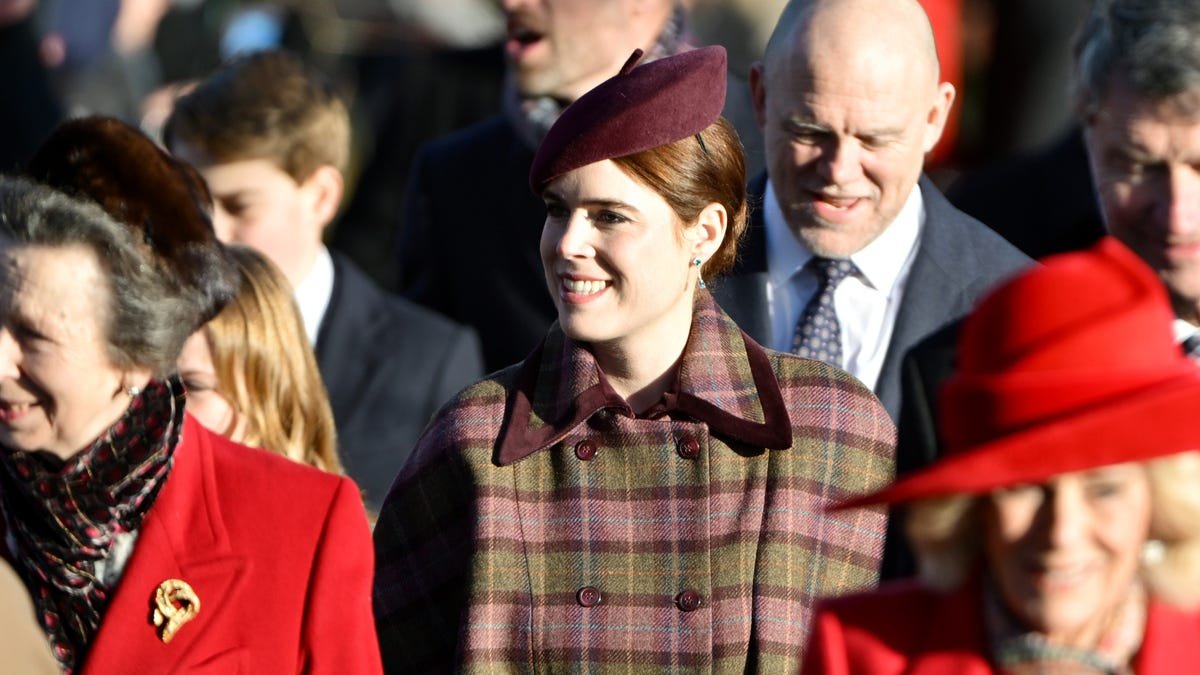
The morning of Christmas Day at Sandringham is an iconic fixture in the royal calendar, a beloved tradition that draws thousands of well-wishers and curious onlookers year after year. However, this particular year, the atmosphere carried an added weight, a profound significance that transcended mere festive celebration. As the bells of St Mary Magdalene Church chimed, a hush fell over the bundled-up crowds. Then, a ripple of excitement, a surge of cameras as the Royal family began their procession from Sandringham House. King Charles, looking resolute and dignified, led the way alongside Queen Camilla, their expressions a mix of solemnity and genial warmth as they greeted the waiting public.
It wasn’t just about showing up; it was about how they showed up. Every gesture, every shared glance, every smile exchanged with the public seemed meticulously choreographed yet entirely genuine. One could feel a palpable sense of relief from the crowd, a collective exhale as they witnessed the familiar faces of stability. “It felt like a real turning point, didn’t it?” remarked Sarah Jenkins, a lifelong royal watcher who had travelled from Norwich. “After all the drama, seeing them all together, especially Charles and Camilla looking so strong, it just brought a warmth to your heart. It’s what you want to see from your royals, isn’t it? That steadfastness.” The focus was squarely on the working royals, those who bear the mantle of public duty, reinforcing the idea of a streamlined, purposeful institution.
The Shadow of the Andrew Scandal: A Brief Recap
To truly appreciate the significance of this Christmas display, one must cast their mind back to the tumultuous period preceding it. The Prince Andrew scandal had been a gaping wound, threatening to fester and undermine the very foundations of the monarchy. It centered around his association with convicted sex offender Jeffrey Epstein and the subsequent allegations made against the Prince himself. The now-infamous BBC Newsnight interview, where Prince Andrew attempted to clear his name, instead backfired spectacularly, drawing widespread condemnation and severely damaging his public standing. His vague answers, lack of remorse, and seemingly tone-deaf responses sent shockwaves through the nation.
The fallout was immense. Prince Andrew was forced to step back from all public duties, stripped of his military titles and royal patronages. For an institution built on duty, service, and public trust, the scandal was nothing short of a crisis. “The optics were terrible, absolutely devastating,” commented Dr. Eleanor Vance, a royal historian. “It wasn’t just Andrew; it cast a shadow over the entire Royal family. People started questioning the judgment of the institution itself, asking how this could have been allowed to happen. It was perhaps the biggest test of their resilience since the death of Princess Diana, albeit for very different reasons.” The very notion of royal family unity felt fragile, tested by the weight of such serious allegations and the subsequent public outcry. The monarchy needed to demonstrate not just resilience, but a clear and decisive break from the controversy that had overshadowed them for so long.
A Deliberate Display of Solidarity and Purpose
This Christmas walk, therefore, was no accident. It was a carefully considered, deliberate act designed to project strength, stability, and, above all, unity. The absence of Prince Andrew from the main public procession was a stark, yet necessary, statement. While it’s understood he may have attended a private family service earlier in the day, his conspicuous absence from the public eye during this key event sent an unequivocal message: the family was drawing a line, focusing on those who actively serve the crown.
The senior working royals, including Prince William, Princess Catherine, and their children, were front and center. Catherine, in particular, seemed to radiate a calm composure, her interactions with the public warm and engaging. The young Prince George, Princess Charlotte, and Prince Louis, growing in confidence with each passing year, offered charming smiles and accepted flowers, a reassuring glimpse into the future of the monarchy. “Their presence is so vital,” shared a palace insider, who wished to remain anonymous. “It’s about continuity. It’s about showing that the institution is in safe hands, moving forward. After everything, that sense of reassuring stability is priceless.”

The visual narrative was powerful: a strong, cohesive core family, united in their purpose. It showed a collective commitment to upholding the traditions of the crown while simultaneously acknowledging the need for adaptation and clear boundaries. It was a strategic move, designed to rebuild public trust and refocus attention on the positive aspects of royal service rather than dwelling on past controversies. The sheer number of people lining the route, braving the cold for a glimpse of the family, indicated that there remains a deep-seated affection and desire for the monarchy to succeed, even after the difficult chapters.
The Role of King Charles in Steering the Ship
King Charles’s leadership during this sensitive period cannot be overstated. Since ascending the throne, he has quietly but firmly implemented his vision for a slimmed-down monarchy, one that is more efficient, less prone to controversy, and focused on its core duties. His appearance at Christmas, surrounded by his immediate family, was a testament to his determination to guide the institution through choppy waters. He understands the importance of image, of public perception, and how crucial it is for the Royal family to project an image of strength and moral fortitude.
“Charles has a monumental task ahead of him, but this Christmas walk was a masterclass in quiet leadership,” observes royal correspondent, Emily Nash. “He’s making it clear that the focus is on duty and the future, not on past missteps. His presence, alongside Camilla, grounds the entire event, providing the anchor that the nation needs to see.” It was clear that the King was actively shaping the narrative, ensuring that the royal family unity displayed was not just superficial, but indicative of a deeper resolve to uphold the integrity of the crown. This was his family, his institution, and he was steering it with a steady hand.
The Younger Royals Step Up and Charm the Crowds
One of the most heartwarming aspects of the Christmas walk was the prominent role played by the younger generation, particularly Prince William and Princess Catherine. They truly embodied the future of the monarchy, demonstrating a quiet confidence and a genuine warmth that resonated with the crowds. Their children, Prince George, Princess Charlotte, and Prince Louis, were absolutely adorable, stealing the show with their natural charm.
I distinctly remember seeing little Princess Charlotte, bundled in a smart coat, holding a bouquet of flowers offered by a well-wisher. She curtsied politely, a picture of perfect manners, and then shyly smiled up at her mother. It was these small, human moments that cut through the formality and reminded everyone that, at its heart, this is still a family. Prince William and Princess Catherine made a point of engaging with the public, pausing to chat, shake hands, and accept small gifts. This accessibility is a cornerstone of their appeal and helps to bridge the gap between the ancient institution and modern society.
Their consistent presence and dedication to public service have been instrumental in maintaining stability and positivity for the monarchy, especially when other members have faced challenges. They represent a blend of tradition and modernity, a crucial balance for the monarchy to strike in the 21st century. Their ability to connect with people on a personal level ensures that the Royal family remains relevant and cherished by a broad segment of the population. This Christmas, they weren’t just walking; they were reassuring, inspiring, and subtly signaling a bright future.
Beyond the Cameras: What Does True Unity Look Like?
While the visual display of royal family unity at Christmas was undeniably powerful and effective, one can’t help but wonder about the true internal dynamics. Is the unity genuinely felt behind closed doors, or is it a carefully managed public relations exercise? The reality, as with any family, is likely a complex mix. The pressures on the Royal family are immense, magnified by constant media scrutiny and public expectation.
“It’s a delicate balance,” mused a former royal aide, speaking off the record. “Of course, there’s a strong desire for the family to present a united front, especially after a crisis. But human emotions, grievances, and personal relationships are always at play. What you see publicly is the meticulously curated image the institution needs to project to survive and thrive. It’s about collective duty overriding individual feelings, at least in the public sphere.”
The Christmas walk, therefore, serves as a powerful symbol. It’s a testament to the family’s understanding of their role, their commitment to the institution, and their willingness to put on a brave face for the greater good. It’s a reminder that, despite their extraordinary lives, they are still a family navigating challenges, albeit on a very public and historically significant stage. The long-term implications of the Andrew scandal will undoubtedly continue to resonate, but this Christmas offered a clear indication of the family’s determination to learn, adapt, and move forward with purpose.
The Road Ahead: Resilience and Relevance
The Christmas display of royal family unity at Sandringham, especially after the Prince Andrew scandal, was a potent reminder of the monarchy’s enduring power and its capacity for resilience. It was a day where the institution seemed to breathe a collective sigh of relief, showcasing its strength and stability to a watchful world. The images of the King, Queen, and the Prince and Princess of Wales, surrounded by their charming children, radiated confidence and a clear vision for the future.
However, the road ahead is still fraught with challenges. The monarchy must continue to adapt, maintain transparency, and consistently demonstrate its value to the nation. The public’s trust, once shaken, needs constant nurturing. This Christmas, though, offered a promising step in that direction. It was a testament to their understanding that in times of adversity, a united front is not just desirable, but absolutely essential. What we saw was more than just a walk to church; it was a living embodiment of history, duty, and a hopeful glimpse into the future of a resilient institution. I, for one, felt a renewed sense of optimism, a belief that even after the darkest storms, the monarchy can find its way back to steady ground.
Frequently Asked Questions
| How did the Royal family demonstrate unity at Christmas after the Prince Andrew scandal? | The Royal family presented a united front during their traditional Christmas Day walk to St Mary Magdalene Church at Sandringham. Key members like King Charles, Queen Camilla, Prince William, and Princess Catherine were visibly together, exchanging smiles and greetings with the public, sending a clear message of stability and solidarity after the recent controversies involving Prince Andrew. His absence from the main public procession was a deliberate move to reinforce this message. |
| What were the key benefits of this public display of unity for the monarchy? | This display was crucial for several reasons: it helped restore public confidence, projected an image of strength and resilience amidst adversity, and reassured the public that the institution remains stable and cohesive. It also allowed the focus to shift from past controversies to the future and the work of the senior royals. |
| How did the Royal family manage Prince Andrew’s presence or absence during the Christmas events? | Prince Andrew was notably absent from the prominent public procession to church, although he reportedly attended a private family service earlier. This strategic exclusion from the main public-facing event ensured that the focus remained on the working royals and their collective strength, minimizing potential distractions and negative associations from his past scandal. |
| What challenges did the Royal family face in demonstrating unity after the scandal? | The primary challenge was overcoming the significant reputational damage caused by the Prince Andrew scandal and the subsequent public scrutiny. Restoring trust and projecting a genuine sense of togetherness required careful planning and a visible commitment from all senior members, especially in the face of widespread public skepticism and media attention. |
| What does this display of unity suggest about the future direction of the monarchy? | The strong display of unity suggests a concerted effort by the monarchy to adapt and protect its image in modern times. It signals a move towards a more streamlined institution focused on core working royals, emphasizing duty and public service, while strategically managing members who have brought controversy. This approach aims to secure the monarchy’s relevance and public support for the long term. |
Important Notice
This FAQ section addresses the most common inquiries regarding the topic.