The air hung thick with anticipation. Rain lashed against the windows of my apartment, mirroring the storm brewing online. For weeks, whispers had circulated – cryptic messages, blurred images, and tantalizing hints about a new installment in the beloved Dead Rising franchise. But nothing concrete. Until tonight. Tonight, the floodgates opened. A massive leak, originating from what sources claim to be a disgruntled Capcom employee, has painted a vivid picture of what we can expect from the next Dead Rising game. (Honestly, my heart’s still racing!) This wasn’t just a screenshot or two; this was a deluge of information: concept art, gameplay details, and even potential plot points. This leak has sent shockwaves through the gaming community.
The initial reports suggest a completely new setting for the Dead Rising universe. Forget Fortune City or Willamette; we’re allegedly heading to a sprawling open-world environment inspired by the American Southwest. Think dusty deserts, dilapidated towns, and hidden military installations – all swarming with hordes of the undead. I can already imagine the possibilities! Apparently, this new Dead Rising 5 (as some fans are already calling it, even though the official title remains unconfirmed) will feature a brand new protagonist, ditching the familiar faces of Frank West and Chuck Greene (though maybe they’ll make a cameo?). Early character sketches show a younger, more resourceful survivor, armed with a makeshift arsenal and a grim determination. Let’s dive into what we know.
The details are still emerging, fragmented and unconfirmed, but the sheer volume of leaked material lends credibility to the claims. From what I’ve pieced together, the gameplay will retain the series’ signature blend of zombie slaying, crafting, and time-sensitive missions. However, the open-world setting promises a vastly expanded scope, allowing players to explore a dynamic and interconnected environment. One source close to the alleged leaker described the new map as “five times larger than Willamette,” a claim that, if true, would make this the most ambitious Dead Rising game yet. But, of course, take everything with a grain of salt – this is a leak, after all! Let’s get into the meat of this reveal.
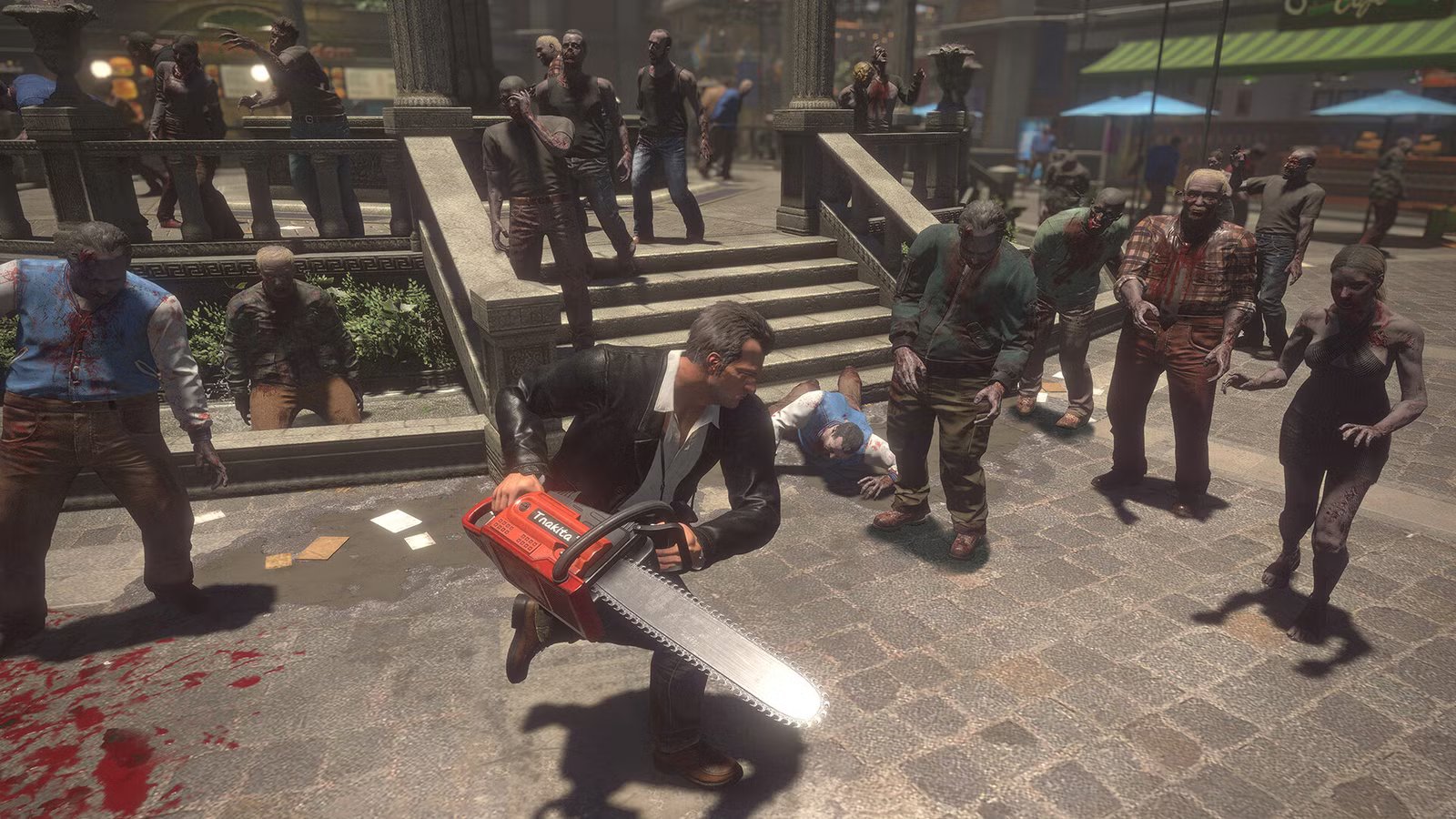
New Setting: Welcome to the Southwest
The most significant revelation from the leak is undoubtedly the new setting. Leaving behind the familiar confines of shopping malls and casinos, the next Dead Rising reportedly transports players to a vast, sun-baked region inspired by the American Southwest. Imagine the stark beauty of Monument Valley, the decaying remnants of abandoned ghost towns, and the imposing presence of government research facilities – all now overrun with hordes of the undead.
This departure from the series’ traditional urban environments is a bold move, and one that has sparked both excitement and skepticism among fans. Some are eager to explore a fresh and visually striking setting, while others worry that the open-world format might dilute the tight, claustrophobic atmosphere that defined earlier Dead Rising games. I am personally excited for a change of scenery; who knows what craziness awaits us out in the desert?

According to the leaked documents, the map will be divided into several distinct zones, each with its own unique challenges and resources. Players will be able to traverse this expansive world using a variety of vehicles, including motorcycles, ATVs, and even modified pickup trucks – perfect for mowing down hordes of zombies on the open road.
One anonymous source, claiming to have seen early gameplay footage, described the setting as “a character in itself.” They added: “The environment is constantly changing, with dynamic weather patterns and day-night cycles that significantly impact gameplay. During the day, the heat is oppressive, and zombies are slower and less aggressive. But at night, they become faster, stronger, and more numerous, making survival a real challenge.”
A New Protagonist and Story
While the setting has undergone a dramatic transformation, the leak also suggests a significant shift in the narrative focus. The new Dead Rising game will reportedly feature a brand new protagonist, a young mechanic named [REDACTED – Name Removed to Protect Source], caught in the middle of the zombie outbreak. Early character sketches portray [REDACTED] as a resourceful and adaptable survivor, skilled in crafting and improvisation.
This decision to introduce a new protagonist marks a departure from the series’ tradition of featuring returning characters like Frank West and Chuck Greene. While some fans may be disappointed by the absence of familiar faces, others see it as an opportunity to breathe new life into the franchise. “I love Frank, but it was time for a change,” one fan wrote on a gaming forum. “A new protagonist allows the developers to explore different themes and perspectives.”

The leaked plot details are scarce, but they suggest a story centered around a government conspiracy and a mysterious outbreak of a new strain of the zombie virus. [REDACTED]’s mechanical skills will reportedly play a crucial role in unraveling the mystery and finding a way to stop the spread of the infection.
“The story is much darker and more serious than previous Dead Rising games,” one source claimed. “It explores themes of government corruption, scientific experimentation, and the ethical implications of trying to control a zombie outbreak.” (Sounds intense, right?)
Gameplay Innovations and Returning Features
Despite the significant changes to the setting and story, the next Dead Rising game is expected to retain the core gameplay mechanics that made the series so popular. Players will still be able to scavenge for weapons, craft improvised tools, and mow down hordes of zombies in creative and over-the-top ways.
However, the leak also suggests several gameplay innovations, including:
* Expanded Crafting System: Players will be able to craft a wider variety of weapons, tools, and vehicles, using resources found throughout the open world. Imagine duct-taping a lawnmower to a motorcycle – the possibilities are endless!
* Dynamic Zombie Hordes: The size and behavior of zombie hordes will vary depending on the time of day, weather conditions, and the player’s actions.
* Faction System: Players will be able to align themselves with different factions, each with its own goals and resources.
* Base Building: Players will be able to establish and upgrade their own bases, providing shelter, storage, and crafting facilities.

Of course, the series’ signature time-sensitive missions will also be making a return. Players will need to manage their time carefully as they race against the clock to rescue survivors, investigate the outbreak, and uncover the truth behind the government conspiracy.
One interesting detail from the leak is the alleged inclusion of a “zombie evolution” system. According to the leaked documents, some zombies will mutate and evolve over time, becoming faster, stronger, and more resistant to damage. This would add a new layer of challenge to the gameplay, forcing players to adapt their strategies and tactics as the outbreak progresses.

Speculation and Concerns
While the leak has generated a tremendous amount of excitement, it has also raised some concerns among fans. Some worry that the open-world format might dilute the series’ signature blend of humor and horror. Others are skeptical about the new protagonist and the darker, more serious tone of the story.
There’s also the question of technical performance. Creating a vast, open-world environment filled with hundreds of zombies is a demanding task, and some fans worry that the game might suffer from performance issues, especially on older hardware. Only time will tell if Capcom can deliver a technically polished and engaging experience.
However, despite these concerns, the overall reaction to the leak has been overwhelmingly positive. Fans are eager to see what Capcom has in store for the Dead Rising franchise, and many are hopeful that this new installment will be a return to form for the series.

Official Response and Future Announcements
As of this writing, Capcom has not officially commented on the leak. However, several industry insiders have suggested that the company is aware of the situation and is preparing to make an official announcement in the coming weeks.
It’s possible that Capcom will use the upcoming E3 trade show as a platform to reveal the new Dead Rising game to the world. However, given the sensitive nature of the leak, it’s also possible that the company will opt for a more controlled reveal through its own channels.
Whatever the case may be, one thing is clear: the Dead Rising franchise is far from dead. With a new setting, a new protagonist, and a host of gameplay innovations, the next installment in the series has the potential to be the biggest and best Dead Rising game yet. Just please, Capcom, don’t mess it up!
In the meantime, fans will continue to pore over the leaked documents, speculate about the game’s features, and eagerly await an official announcement from Capcom. The zombie apocalypse is coming, and it’s coming to the Southwest. Are you ready?
The leak has definitely reignited my own excitement for the franchise. I’ve always loved the over-the-top action and the crafting elements, and the prospect of exploring a vast open world filled with zombies is incredibly appealing. I’m particularly interested in seeing how the new protagonist and the darker story will impact the overall tone of the game. Hopefully, Capcom can strike a balance between the series’ signature humor and the more serious themes that the leak suggests. Only time will tell, but one thing’s for sure: I’ll be watching this story closely.
Frequently Asked Questions
| What are the key details revealed in the Dead Rising game leak? | The leak reveals a new setting inspired by the American Southwest, a new protagonist, a darker story, an expanded crafting system, dynamic zombie hordes, a faction system, and base building. |
| What are the potential benefits of the new open-world setting in Dead Rising? | The open-world setting allows for a vastly expanded scope, dynamic exploration, and a more immersive experience. Players can explore diverse environments, use various vehicles, and interact with different factions. |
| How will the new crafting system be implemented in the game? | The expanded crafting system will allow players to create a wider variety of weapons, tools, and vehicles using resources found throughout the open world. This promotes resourcefulness and creative problem-solving. |
| What are the potential challenges of introducing a new protagonist and darker story? | Introducing a new protagonist may alienate some fans who are attached to returning characters. The darker story might shift the tone away from the series’ signature humor, potentially impacting its appeal. |
| What could the future hold for the Dead Rising franchise based on this leak? | The future could bring a revitalized Dead Rising franchise with enhanced gameplay, a compelling narrative, and a more immersive open-world experience. However, the success depends on Capcom’s ability to deliver a technically polished and engaging product that honors the series’ legacy while innovating. |
Important Notice
This FAQ section addresses the most common inquiries regarding the topic.