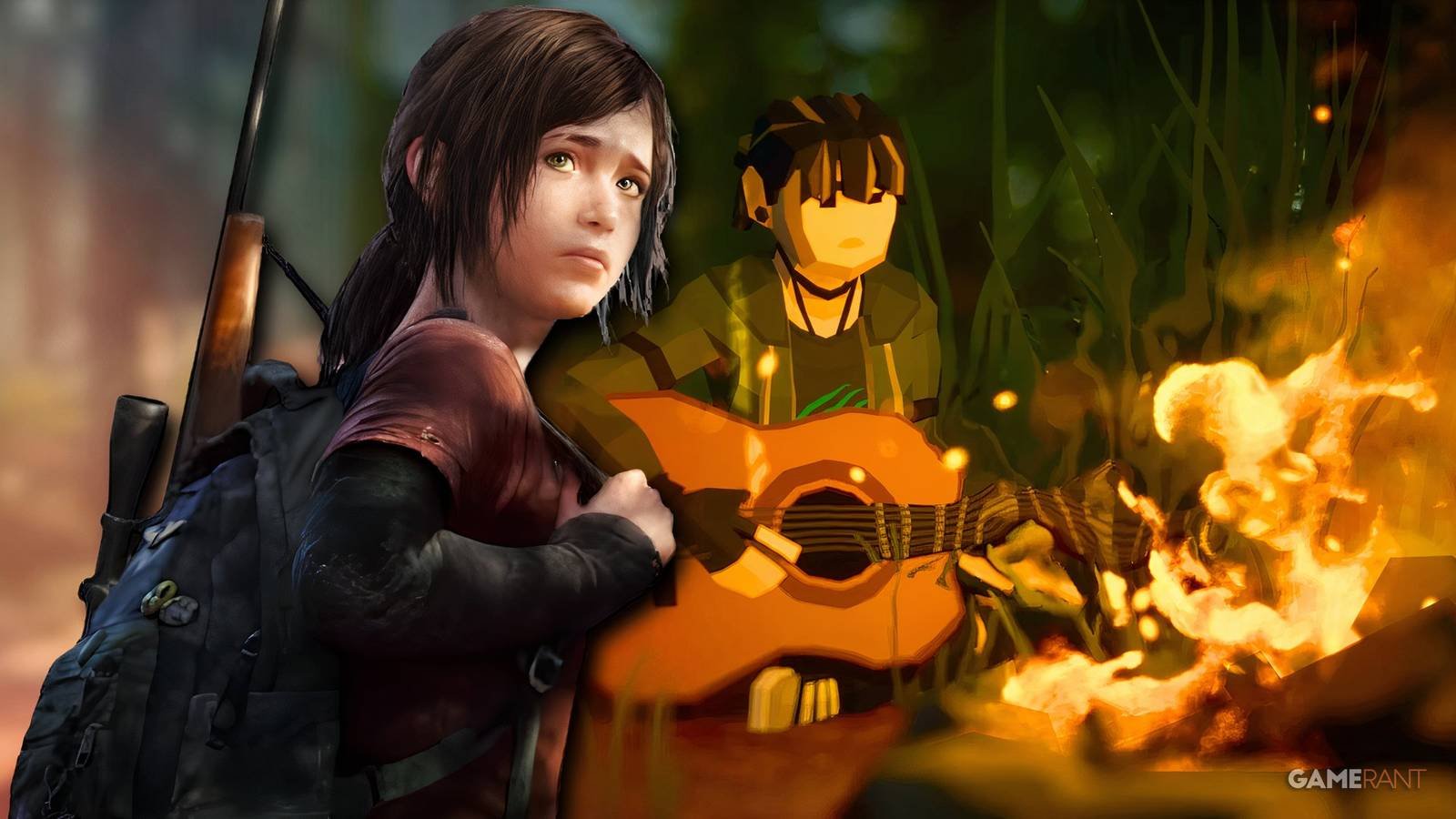
Never Be Alone is an ambitious open world co-op survival game on Steam that captures the emotional, post-apocalyptic atmosphere of The Last of Us while delivering a distinctly different experience through voxel-based sandbox mechanics, seamless cooperative play, and extensive base-building systems.
- Release Date: December 8 (Early Access) – confirmed by developer
- Platform: Steam (PC)
- Co-Op Support: Yes – shared campaign progression with seamless host-based co-op (no hard player cap, limited by host PC performance)
- Wishlists: Over 150,000 as of August
- Early Access Duration: Expected to last “many many years” – developer statement: “We want to build this with our community, not just drop a finished product”
- Price Note: Lower price during Early Access; will increase at full release
- Demo Status: Playable at upcoming Steam Next Fest (October)
- PC System Requirements: TBA (more details expected closer to launch)
For gamers craving a The Last of Us-style experience but disappointed by Naughty Dog’s focus on single-player narratives and the lack of campaign co-op in that franchise, Never Be Alone presents a compelling alternative that leans into community-driven survival.
Developed by Beast Studios, Never Be Alone drops players into a world ten years after a zombie outbreak, where nature has reclaimed cities and the remnants of humanity struggle to survive. The protagonist awakens from a six-month coma inside a fragile safezone, with no memory of who they are or what happened before they were found.
This narrative hook immediately draws comparisons to The Last of Us, but the similarities extend beyond setup. The game features multiple zombie survival game types that resemble TLOU’s iconic infected – including Walkers, Bloaters, and other variants. Players must scavenge for resources, manage core survival stats (health, hunger, thirst, temperature), and navigate a world filled with both infected and hostile human factions.
Wishlist Never Be Alone on Steam to stay updated on development progress and Early Access availability.
However, unlike Naughty Dog’s linear, story-driven masterpiece, Never Be Alone prioritizes player freedom and emergent gameplay over scripted narrative sequences.
Key Features: Co-Op, Open-World, and Base Building
The most significant differentiator for Never Be Alone is its robust co-op support. While The Last of Us campaign famously never included cooperative play, Never Be Alone embraces it as a core pillar. The game supports seamless host-based co-op with shared campaign progression – meaning your group advances through the story together, with choices and consequences affecting the entire party. There’s no hard player cap; the only limit is your PC’s performance. This means groups of friends can explore, scavenge, and build together in a shared persistent world.
Here’s a breakdown of Never Be Alone‘s most notable features:
- Voxel-Style Visuals: The game employs a stylized voxel art direction, reminiscent of Minecraft but with more detailed environmental geometry and atmospheric lighting. Note for TLOU fans: This is a deliberate stylistic choice, not photorealism – think of it as a living, breathing diorama rather than a cinematic experience.
- Massive Open World: Players can explore a vast, hand-crafted map with diverse biomes, from dense forests and ruined cities to mountain ranges and coastal areas.
- Comprehensive Base Building: Build bases anywhere on the map using a detailed construction system. Craft fortifications, traps, storage, crafting stations, and even electricity generators.
- Dynamic Weather System: The world reacts with dynamic weather patterns that affect gameplay, visibility, and survival conditions.
- Extensive Crafting & Survival Mechanics: Forage for resources, hunt wildlife, fish, cook food, craft weapons, and manage your character’s core survival stats.
- Diverse Zombie Types: Face multiple infected variants including Walkers (slow, horde-oriented), Brutes (Bloater-like, tanky), and special infected with unique abilities. Unlike TLOU, zombies here exhibit pack behavior and environmental awareness, reacting to sound, light, and player-built structures.
- PvE Combat: Battle against infected creatures and hostile human factions using a variety of melee weapons, firearms, and crafted tools.
- Vehicles: Discover and operate multiple vehicle types to traverse the world more efficiently.
- Character Customization: Customize your survivor’s appearance and gear with different clothing, armor, and equipment options.
- Choice-Driven Narrative: The developers state that “characters remember what happened, react to mission outcomes, and may treat you differently based on the decisions you make.” Examples include: choosing to save a settlement from bandits may earn you allies but anger another faction; sacrificing resources to help refugees changes how NPCs perceive you; executing a captured enemy leader could result in their faction hunting you relentlessly.
Visit the official Never Be Alone website for developer updates, community news, and development blog posts.
How Does It Compare to The Last of Us?
While Never Be Alone clearly draws inspiration from The Last of Us, it’s important to understand the fundamental differences between the two games. Here’s a direct comparison:
| Feature | Never Be Alone | The Last of Us |
|---|---|---|
| Story Focus | Choice-driven, emergent narrative with branching outcomes | Linear, cinematic, character-driven narrative |
| World Design | Open-world, non-linear exploration | Linear, level-based progression with limited exploration |
| Multiplayer | Seamless co-op with shared progression | Single-player only (campaign) |
| Base Building | Comprehensive system with full player freedom | Not present |
| Visual Style | Voxel-based, stylized aesthetic | Photorealistic, cinematic presentation |
| Survival Mechanics | Detailed survival systems (hunger, thirst, temperature) | Simplified resource management |
| Zombie Types | Multiple variants including Walkers, Brutes, and specials with unique behaviors | Clickers, Bloaters, Runners, Stalkers |
| Demo Availability | Playable demo at Steam Next Fest (October) | Full game only |
According to the developers, “The goal was never to copy The Last of Us but to capture the feeling of surviving in a world that feels hopeless and beautiful at the same time, while giving players the freedom to write their own story.”
Development Status, Community Focus, and System Requirements
Never Be Alone has generated significant buzz within the survival game community, with over 150,000 wishlists on Steam Early Access prior to its Early Access launch. This level of pre-release interest indicates strong demand for a co-op survival experience that captures the tonal and atmospheric qualities of The Last of Us.
One of the most notable aspects of Never Be Alone‘s development is its community-driven approach. The developers, Beast Studios, have emphasized that player feedback will play a crucial role in shaping the game’s future. According to lead developer Mark Chen: “We want to build this game with our community, not just drop a finished product on them. The ‘many many years’ in Early Access means we’re committed to listening, iterating, and making this the best survival game it can be. We’d rather take time to get it right than rush to 1.0.”
The studio recently announced that the project has received additional funding, allowing the small development team to accelerate their work ahead of the planned Early Access launch. This funding should help expand the feature set and polish the gameplay experience before the wider public release.
Community Engagement: Beast Studios actively engages with players through their official Discord server and Reddit community, where they share regular development updates and incorporate player feedback into their roadmap.
Steam Fest Presence: The game will feature a playable demo at the upcoming Steam Next Fest (October 12-19), giving players a hands-on opportunity to experience the core mechanics before committing to a purchase.
PC System Requirements: While official requirements are still being finalized, the developers have indicated that due to the voxel-based engine and large open world, players should expect:
Minimum: Intel Core i5-8400 / AMD Ryzen 3 3300X, 8GB RAM, NVIDIA GTX 1060 6GB / AMD RX 580, 25GB storage.
Recommended: Intel Core i7-10700 / AMD Ryzen 5 3600X, 16GB RAM, NVIDIA RTX 2060 / AMD RX 5700, 25GB SSD storage.
According to the Steam store page, the game will launch in Early Access at a lower price point, with the developers noting that pricing may increase as development progresses and more content is added to the game.
What Does ‘Many Years of Early Access’ Mean for You?
One of the most significant questions surrounding Never Be Alone is the developer’s statement that the game will remain in Early Access for “many, many years.” This raises important considerations for potential players:
What This Means for Players
- Ongoing Development: The game will evolve significantly over time, with regular content updates, feature additions, and polish as the community provides feedback.
- Early Adopter Benefits: Players who purchase during Early Access typically pay a lower price and get to shape the game’s direction through their feedback.
- Potential for Delays: Extended Early Access periods can sometimes mean missed deadlines or feature delays.
- Community Influence: Active players have the opportunity to directly impact development priorities and feature implementation.
- Long-Term Commitment: This suggests the developers are planning substantial content expansions and long-term support for the game.
- Transparency: Beast Studios maintains a public development roadmap and regular update vlogs, ensuring players know exactly what to expect each month.
The extended Early Access timeline aligns with Beast Studios’ community-driven approach, allowing them to incorporate player feedback throughout development rather than delivering a “finished” product that may not meet expectations.
Never Be Alone is scheduled to enter Steam Early Access on December 8, as confirmed by developer Beast Studios on their official Steam page and social media channels. There is currently no confirmed date for the full 1.0 release, as the developers plan to spend “many many years” in Early Access to refine the game with community feedback. Yes, Never Be Alone features seamless host-based co-op with shared campaign progression. There’s no hard player cap; the only limitation is your PC’s performance, meaning you can invite as many friends as your system can support. The game is designed specifically around cooperative play, making it a social survival experience where choices and consequences affect the entire party. While Never Be Alone shares the post-apocalyptic atmosphere and zombie-threatened world of The Last of Us, it offers a fundamentally different experience. Never Be Alone is an open-world survival game with co-op support, base building, and choice-driven narrative, whereas The Last of Us is a linear, single-player story-driven experience. Think of Never Be Alone as The Last of Us meets Minecraft with friends – but note the voxel style is an intentional artistic choice, not photorealistic graphics. The “many, many years” Early Access timeline indicates that Never Be Alone will follow a community-driven development model, with regular updates, new features, and content additions based on player feedback. This approach allows Beast Studios to build the game with their audience rather than delivering a fixed product. Players should expect the game to evolve significantly over time, with the core systems established early but additional content rolling out gradually. Yes! Never Be Alone will have a playable demo at Steam Next Fest (October 12-19), allowing players to experience the core gameplay mechanics, including combat, base building, and exploration, before the Early Access launch in December. The developers are also considering additional playtest events based on community interest. While official system requirements are still being finalized, Beast Studios has indicated expected Minimum: Intel Core i5-8400 / AMD Ryzen 3 3300X, 8GB RAM, NVIDIA GTX 1060 6GB / AMD RX 580, 25GB storage. Recommended: Intel Core i7-10700 / AMD Ryzen 5 3600X, 16GB RAM, NVIDIA RTX 2060 / AMD RX 5700, 25GB SSD storage. Official requirements will be published closer to the Early Access launch date.Frequently Asked Questions About Never Be Alone
What is the official release date for Never Be Alone?
Can I play Never Be Alone in co-op, and is there a player limit?
How does Never Be Alone compare to The Last of Us?
What does “many years of Early Access” mean for the game’s development?
Will there be a demo or playtest available before purchase?
What are the PC system requirements for Never Be Alone?