Harvard Medical Building Explosion: Intentional Act?
An early morning incident at Harvard Medical School’s Goldenson Building has triggered a comprehensive investigation following what authorities are calling an “intentional” explosion. The event, which occurred around 2:48 a.m. on Saturday, has raised significant concerns about security and potential motives. This article delves into the details of the incident, the ongoing investigation, and the implications for Harvard University and the surrounding community.
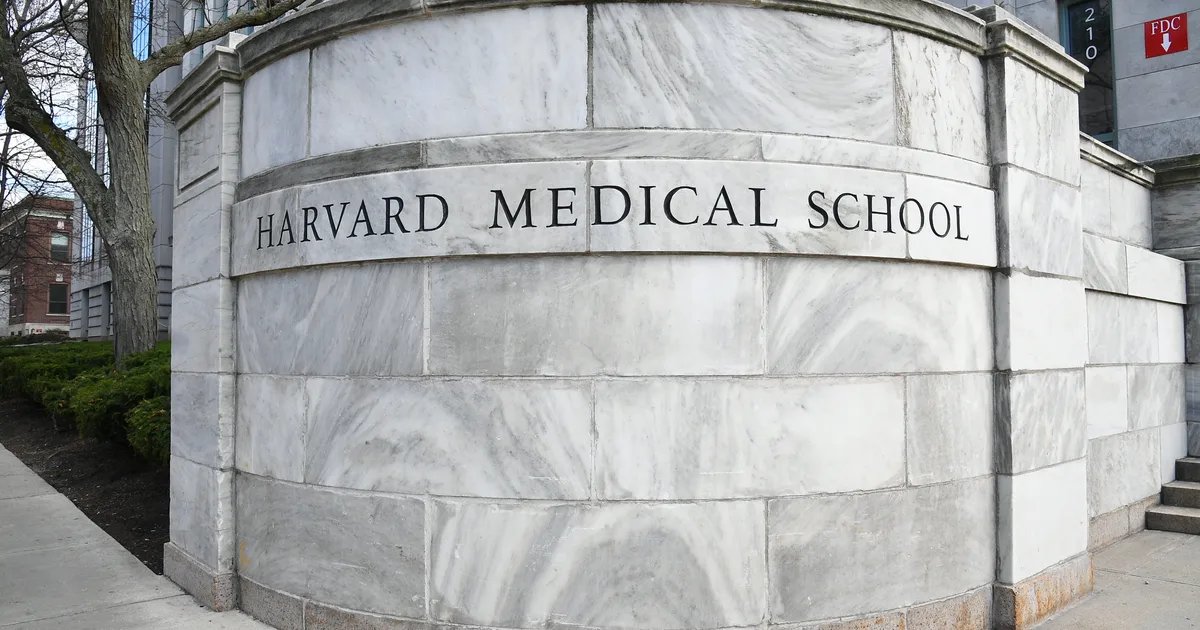
Initial Response and Findings
The incident began when a fire alarm sounded within the Goldenson Building. A Harvard University Police Department (HUPD) officer, responding to the alarm, observed two unidentified individuals fleeing the scene. The officer attempted to apprehend them, but the individuals managed to escape. Upon further investigation, the source of the alarm was traced to an explosion on the fourth floor of the building. An arson team was immediately dispatched, and their assessment indicated that the explosion appeared to be an “intentional act.” Fortunately, no injuries were reported as a result of the explosion.
The immediate aftermath of the Harvard Medical Building Explosion prompted a swift response from multiple law enforcement agencies. Given the nature of the incident and the potential for broader implications, the Federal Bureau of Investigation (FBI) has joined the investigation. Their involvement underscores the seriousness with which authorities are treating the situation. The investigation is currently ongoing, with law enforcement officials working to gather evidence, interview witnesses, and determine the identities and motives of the individuals involved.
The Goldenson Building: A Hub of Research
The Goldenson Building is a significant component of Harvard Medical School, housing various research laboratories and offices. The building is known for its contributions to medical research and innovation. Any disruption to its operations can have far-reaching effects on ongoing projects and collaborations. The extent of the damage caused by the explosion is still being assessed, but the incident has undoubtedly created challenges for researchers and staff who rely on the building’s facilities. The Harvard Medical Building Explosion has therefore disrupted key research activities.
Investigative Focus and Potential Motives
The investigation into the intentional explosion is multifaceted, with law enforcement exploring a range of potential motives. Determining the reason behind the act is crucial for identifying the individuals responsible and preventing future incidents. Some potential motives that investigators may be considering include:
- Targeted Attack: Was the explosion aimed at a specific individual, research project, or department within the Goldenson Building?
- Ideological Motivation: Did the perpetrators have a specific agenda or belief system that motivated their actions?
- Act of Vandalism: Was the explosion simply an act of vandalism or a more calculated attempt to cause damage and disruption?
- Personal Grievance: Did the individuals involved have a personal dispute with someone associated with the building or Harvard Medical School?
Understanding the motive behind the Harvard Medical Building Explosion is paramount to bringing the perpetrators to justice. The FBI’s involvement suggests that authorities are considering the possibility of a more serious or widespread threat. The investigation will likely involve a thorough examination of security footage, forensic analysis of the explosion site, and interviews with individuals who may have information about the incident or the individuals involved.
Security Measures at Harvard Medical School
In the wake of the explosion, Harvard University is likely to review and enhance its security measures across its campus, particularly at Harvard Medical School. This may include increased surveillance, stricter access controls, and enhanced security protocols for research facilities. The safety and security of students, faculty, and staff are of paramount importance, and the university will likely take steps to prevent similar incidents from occurring in the future.
The incident also raises questions about the balance between maintaining an open academic environment and ensuring adequate security. Universities often strive to foster a welcoming and accessible atmosphere, but incidents like this may necessitate a reassessment of security measures to protect the community. Implementing enhanced security measures may include:
- Upgrading security cameras and surveillance systems.
- Increasing the number of security personnel on campus.
- Implementing stricter access control measures, such as requiring ID cards for entry into buildings.
- Conducting regular security audits and risk assessments.
- Providing training to students, faculty, and staff on how to identify and report suspicious activity.
Impact on Research and Academic Activities
The Harvard Medical Building Explosion has undoubtedly had an impact on research and academic activities at the Goldenson Building. The extent of the disruption will depend on the severity of the damage and the time required to restore the building to its normal operational status. Researchers may face delays in their projects, and access to critical equipment and resources may be limited. The university will likely work to minimize the disruption and provide support to those affected by the incident.
The incident may also have a psychological impact on students, faculty, and staff. The feeling of safety and security on campus may be diminished, and individuals may experience anxiety or stress as a result of the explosion. The university may offer counseling and support services to help members of the community cope with the aftermath of the incident. Addressing the emotional well-being of the community is an important aspect of the university’s response.
Community Response and Support
The broader community surrounding Harvard Medical School has likely expressed concern and support in the wake of the explosion. Local residents, community organizations, and other institutions may offer assistance to the university and those affected by the incident. The community’s response can play a vital role in helping the university recover and rebuild.
Community support may include:
- Providing temporary housing for researchers or staff displaced by the incident.
- Offering financial assistance to help cover the costs of repairs and restoration.
- Organizing volunteer efforts to assist with cleanup and recovery.
- Providing emotional support and counseling services to those affected by the explosion.
Historical Context of Security Incidents at Universities
Unfortunately, the intentional explosion at Harvard Medical School is not an isolated incident. Universities have faced various security challenges throughout history, ranging from acts of vandalism to more serious incidents of violence. Understanding the historical context of these events can help universities learn from the past and develop more effective security measures.
Some notable security incidents at universities include:
- Campus shootings, which have tragically occurred at various universities across the country.
- Bomb threats and other acts of terrorism, which have disrupted academic activities and caused fear among students, faculty, and staff.
- Protests and demonstrations, which have sometimes resulted in clashes between students and law enforcement.
- Cyberattacks and data breaches, which have compromised sensitive information and disrupted university operations.
By studying these past incidents, universities can identify vulnerabilities in their security systems and implement measures to prevent similar events from occurring in the future. A proactive approach to security is essential for maintaining a safe and secure learning environment.
The Role of Law Enforcement and Collaboration
The collaboration between the Harvard University Police Department and the FBI is crucial for effectively investigating the intentional explosion and bringing the perpetrators to justice. The FBI’s resources and expertise can be invaluable in complex investigations, particularly those with potential national security implications. The close cooperation between local and federal law enforcement agencies ensures that all available resources are brought to bear on the case.
The investigation will likely involve a coordinated effort to gather evidence, analyze forensic data, and interview witnesses. Law enforcement agencies will also work to track down the individuals who were seen fleeing the scene of the explosion. The successful resolution of the case will depend on the ability of law enforcement to work together seamlessly and effectively.
Preventative Measures and Future Security Planning
In the aftermath of the Harvard Medical Building Explosion, Harvard University will likely engage in extensive security planning to prevent future incidents. This may involve implementing new technologies, enhancing training programs, and revising security protocols. The goal is to create a safer and more secure environment for students, faculty, and staff.
Some potential preventative measures include:
- Installing advanced surveillance systems with facial recognition capabilities.
- Implementing biometric access control systems to restrict entry to sensitive areas.
- Conducting regular security drills and emergency preparedness exercises.
- Providing training to students, faculty, and staff on how to identify and report suspicious activity.
- Establishing a clear chain of command for responding to security incidents.
Effective security planning requires a comprehensive assessment of potential threats and vulnerabilities, as well as a commitment to investing in the resources and technologies needed to mitigate those risks. A proactive approach to security is essential for protecting the university community.
The Importance of Transparency and Communication
In the wake of the intentional explosion, it is important for Harvard University to maintain transparency and communicate effectively with the community. Providing timely and accurate information about the investigation and the steps being taken to enhance security can help to alleviate anxiety and build trust. Open communication can also help to foster a sense of unity and resilience within the community.
Effective communication strategies may include:
- Holding town hall meetings to provide updates and answer questions from students, faculty, and staff.
- Publishing regular updates on the university’s website and social media channels.
- Sending out email alerts to notify the community of important information.
- Establishing a dedicated hotline for individuals to report suspicious activity or seek assistance.
Transparency and communication are essential for maintaining a strong and resilient community in the face of adversity.
The Broader Implications for University Security
The intentional explosion at Harvard Medical School has broader implications for university security across the country. It serves as a reminder that universities are not immune to acts of violence and that security measures must be constantly reviewed and updated to address evolving threats. Universities should learn from this incident and take steps to enhance their own security protocols.
Some key takeaways for university security include:
- The importance of investing in comprehensive security systems and technologies.
- The need for close collaboration between university police departments and federal law enforcement agencies.
- The value of providing training to students, faculty, and staff on how to identify and report suspicious activity.
- The importance of maintaining transparency and communicating effectively with the community.
By learning from the Harvard Medical Building Explosion, universities can take steps to create safer and more secure environments for their students, faculty, and staff.
Long-Term Recovery and Resilience
The long-term recovery from the intentional explosion will require a sustained effort from Harvard University and the broader community. Rebuilding damaged infrastructure, restoring research activities, and addressing the emotional well-being of the community will take time and resources. However, with a commitment to resilience and a spirit of collaboration, the university can emerge stronger from this challenging experience.
The recovery process may involve:
- Securing funding for repairs and restoration.
- Providing support services to students, faculty, and staff affected by the incident.
- Implementing new security measures to prevent future incidents.
- Celebrating the resilience and unity of the community.
By working together, Harvard University and the surrounding community can overcome the challenges posed by the intentional explosion and create a brighter future.
The Role of Technology in Preventing Future Incidents
Technology plays a crucial role in enhancing security and preventing future incidents at universities. Advanced surveillance systems, biometric access control, and data analytics can help to detect and deter potential threats. Universities should invest in these technologies and integrate them into their security protocols.
Some examples of technology that can enhance university security include:
- Facial recognition software to identify individuals with a history of violence or suspicious behavior.
- License plate recognition technology to track vehicles entering and exiting campus.
- Real-time crime mapping to identify areas with high crime rates.
- Predictive analytics to forecast potential security threats.
By leveraging technology effectively, universities can create a more secure and proactive security environment.
The Ethics of Security and Privacy
As universities implement new security measures, it is important to consider the ethical implications of those measures. Balancing security with privacy is a complex challenge, and universities must ensure that their security protocols do not infringe on the rights and freedoms of students, faculty, and staff.
Some ethical considerations include:
- The use of surveillance technology and the potential for mass surveillance.
- The collection and storage of personal data and the risk of data breaches.
- The use of profiling and the potential for discrimination.
- The transparency and accountability of security measures.
Universities should engage in open and honest discussions about the ethical implications of security measures and ensure that their protocols are consistent with ethical principles and legal requirements.
Conclusion: Moving Forward After the Harvard Medical Building Explosion
The intentional Harvard Medical Building Explosion is a serious incident that has raised concerns about security at universities across the country. The investigation is ongoing, and authorities are working to determine the motives behind the act and bring the perpetrators to justice. In the meantime, Harvard University is taking steps to enhance security and provide support to those affected by the incident. By learning from this experience and implementing effective security measures, universities can create safer and more secure environments for their students, faculty, and staff. The focus remains on understanding the “intentional” nature of the Harvard Medical Building Explosion and preventing future occurrences.
The incident serves as a stark reminder of the need for vigilance and preparedness in the face of evolving threats. By working together, universities, law enforcement agencies, and the broader community can create a safer and more resilient environment for all.
Frequently Asked Questions (FAQ)
| What is the main topic of this article? | This article provides comprehensive information about the Harvard Medical Building Explosion, covering the incident, investigation, and implications. |
| Where can I find more detailed information? | Additional information and resources are available through the internal links provided throughout the article. You can also check the references section for more sources. |
| How current is this information? | This article contains up-to-date information relevant to current trends and developments in the field. We regularly update our content to ensure accuracy. |
| Who is this article intended for? | This article is designed for readers seeking comprehensive understanding of the topic, from beginners to advanced learners. It covers both basic concepts and advanced insights. |
| Are there any important updates I should know about? | Yes, we regularly monitor developments and update our content accordingly. Check the publication date and any update notices for the most current information. |
Important Notice
This content is regularly updated to ensure accuracy and relevance for our readers. If you have any questions, feel free to contact us.
Content Quality: This article has been carefully researched and written to provide valuable insights and practical information. Our team works hard to maintain high standards.