A new Persona release officially confirmed for September has arrived — though it comes in the form of cream puffs rather than a new game. Atlus and Sega have partnered with Japanese bakery chain Beard Papa’s for a special 30th anniversary collaboration that will bring Persona-themed desserts, merchandise, and collectibles to participating U.S. locations from September 4 through October 4.
- What’s Actually Coming: Beard Papa’s x Persona collaboration features limited-edition cream puffs, collectible gift sets, exclusive merchandise, and in-game Phantom X codes — not a new game release
- When & Where: September 4 through October 4 at participating U.S. Beard Papa’s locations, with special photo murals at Cerritos and Little Tokyo stores
- The Cream Puff Lineup: Original (Persona 1), Matcha (Persona 2), Ube S’mores (Persona 3 Reload), Cookies & Cream (Persona 4 Golden), and Double Berry (Persona 5 Royal)
- What You Get: 4-pack includes cream puffs + sticker sheet + Phantom X code; 6-pack includes cream puffs + blind-box acrylic standee + Phantom X code
- Merchandise Drop: Ceramic mugs, T-shirts, zip hoodies, and eco tote bags available online at BeardPapas.com/merch
- The Bottom Line: No new Persona game has been confirmed for September — this is a food promotion celebrating the 30th anniversary
Confusion has swirled across social media since the announcement, with many fans mistakenly interpreting the collaboration as a new game release. To be clear: this is a bakery partnership, not a Persona 6 reveal or a remaster announcement. The Beard Papa’s collaboration is one of several 30th anniversary celebrations planned throughout the year, but it does not include any new game software.
The collaboration runs from September 4 through October 4 at participating Beard Papa’s locations across the United States. While Beard Papa’s originated in Japan, the chain has expanded to numerous U.S. locations, making this one of the more accessible Persona anniversary events for American fans.
According to the official collaboration announcement, Beard Papa’s will offer five limited-edition cream puff flavors, each themed after a different Persona entry. The lineup includes: Original (Persona 1), Matcha (Persona 2), Ube S’mores (Persona 3 Reload), Cookies & Cream (Persona 4 Golden), and Double Berry (Persona 5 Royal).
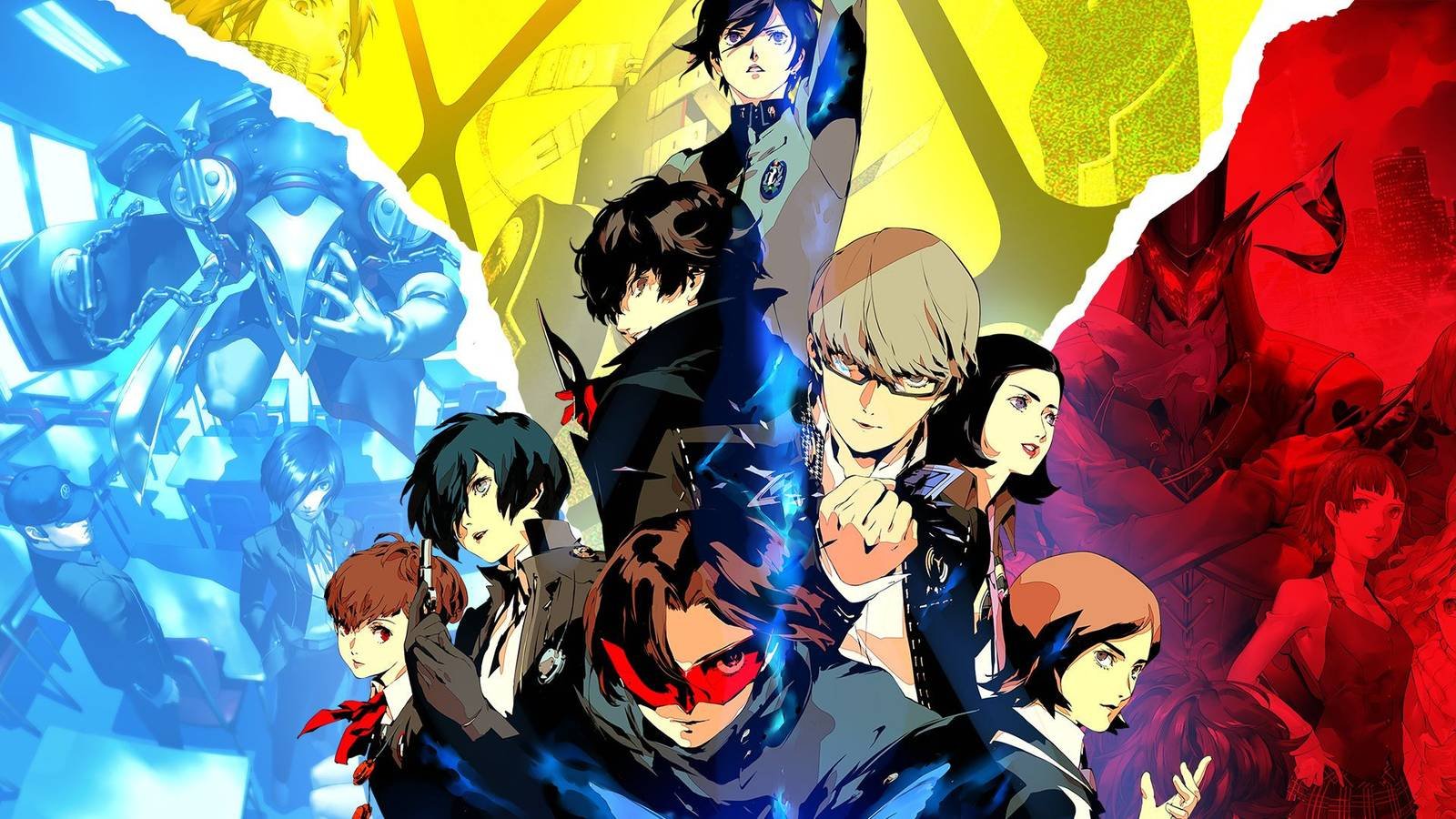
What Was Actually Confirmed for September – And What Wasn’t
Let’s cut through the speculation: no new Persona game — whether a mainline entry, remake, or spin-off — has been confirmed for a September release. The Beard Papa’s collaboration represents the extent of officially announced Persona content for that month.
Fans hoping for a Persona September release or a Persona 2 remake announcement will need to wait longer. Atlus has been characteristically tight-lipped about its development roadmap, with the studio focusing its promotional efforts on existing titles and the 30th anniversary celebrations.
Official sources for this collaboration include the Beard Papa’s website and Atlus’s promotional channels. The collaboration website at BeardPapas.com/persona provides full details on the cream puff flavors, merchandise, and participating locations. Additionally, the official Persona 30th anniversary website lists this collaboration among its scheduled events. For broader context on Atlus’s release strategy, the Sega official website also features Persona franchise updates and corporate announcements.
The Beard Papa’s Collaboration – A Food Event, Not a Game Release
This is not the first time Persona has partnered with a food chain. The Kura Sushi collaboration earlier this year focused on Persona 3, 4, and 5 with themed menu items. However, the Beard Papa’s event distinguishes itself with a broader range of Persona titles represented and more extensive merchandise offerings.
Unlike the Kura Sushi collaboration, which offered limited-time sushi and drink items, Beard Papa’s is releasing five distinct cream puff flavors. The Persona 1 flavor — Ube S’mores — marks a rare acknowledgment of the franchise’s origins, a treat for longtime fans who feel the earlier games are often overlooked in favor of the more popular modern entries.
In a statement shared through promotional materials, Atlus described the collaboration as “a sweet way to bring the Persona community together during this milestone year,” emphasizing the celebratory rather than commercial nature of the partnership.
What the September Event Includes
The collaboration features new chibi-style artwork depicting protagonists from the original Persona through Persona 5: The Phantom X. The characters are shown sitting on cream puffs and holding Beard Papa’s products in a whimsical design that has already generated buzz among collectors.
Fans can purchase 4-packs or 6-packs of cream puffs, with each purchase including bonus items. The 4-pack comes with a Persona x Beard Papa’s sticker sheet and a code redeemable in Persona 5: The Phantom X. The 6-pack includes the sticker sheet, one random blind-box acrylic standee, and the Phantom X code.
Merchandise available during the collaboration includes ceramic mugs, T-shirts, zip hoodies, and eco tote bags featuring the collaboration artwork. These items are available for purchase online through Beard Papa’s merchandise store and at participating locations while supplies last.
The Real Persona Game Releases Confirmed for 2026
While September brings no new game, the Persona franchise does have confirmed content releases elsewhere on the calendar. Understanding what’s actually coming helps temper expectations and prevents disappointment when the September collaboration turns out to be a food promotion rather than a game launch.
| Event | Type | Timing | Platform/Format |
|---|---|---|---|
| Beard Papa’s Collaboration | Food Promotion | September 4 – October 4 | Physical Locations (U.S.) |
| Cardfight Vanguard Collaboration | Trading Card Release | December | Physical Cards/Decks |
| Persona 5: Phantom X Updates | Live Service Updates | Ongoing | Mobile (iOS/Android) |
Table: Confirmed Persona 2026 events. Note that no new game software releases have been announced for this year.
December’s Cardfight Vanguard Collaboration
Later in the year, Persona will receive official cards and decks in Cardfight Vanguard, scheduled for a December release. This collaboration expands the franchise’s presence in the trading card game space, offering another way for fans to engage with the series outside of traditional gaming.
The Cardfight Vanguard collaboration includes decks featuring iconic Persona characters and designs, with full details expected closer to the release date. Unlike the Beard Papa’s event, which is time-limited to September and October, the Cardfight Vanguard collaboration will have lasting collectible value for card game enthusiasts.
Persona 5: The Phantom X Updates and Kotone Shiomi’s Arrival
One of the most significant Persona developments this year has been the addition of Kotone Shiomi — the alternate Persona 3 Portable protagonist — to the cast of Persona 5: The Phantom X. This marks the first time Kotone has received a modern 3D model, as she was notably absent from the Persona 3 Reload remake.
Kotone’s inclusion in P5X has been met with enthusiasm from fans who felt Persona 3 Reload overlooked the female protagonist option. Her modern model represents a major step forward for representation within the franchise, and her addition to a current title suggests Atlus hasn’t forgotten about the character entirely.
Beyond these confirmed events, Atlus has remained silent on potential Persona 6 announcements or other major releases. The Persona 30th anniversary website, launched in late 2025, promised regular reveals throughout 2026, but the studio has maintained its characteristic pattern of surprise announcements with little advance notice.
Managing Expectations for the 30th Anniversary
The Persona 30th anniversary has been a year of celebrations, collaborations, and community engagement. Understanding what the anniversary website promised versus what has actually materialized helps fans set realistic expectations.
What the 30th Anniversary Website Promised
When Sega and Atlus launched the 30th anniversary website, they promised regular reveals and updates throughout 2026. The site has delivered on this commitment with a steady stream of announcements, including the Beard Papa’s collaboration, the Cardfight Vanguard partnership, and various merchandise drops.
However, the website never explicitly promised new game announcements. The content has focused on celebratory events, community engagement, and collaborations — consistent with the tone of major franchise anniversaries from other Japanese game developers.
What Fans Still Hope to See Before Year’s End
The Persona community has expressed desires for several announcements before the anniversary year concludes. These include:
A Persona 6 reveal remains the most sought-after announcement, with fans speculating that Atlus is saving a major reveal for the end of the anniversary year. Persona 2 and Persona 4 remakes have also been frequently discussed, particularly after the success of Persona 3 Reload. Additionally, fans have requested Persona 5 Royal ports to additional platforms and more Kotone Shiomi appearances in future titles.
While none of these have been confirmed, the anniversary year still has months remaining, leaving room for surprises. Atlus has a history of unexpected announcements, and the studio may be saving its biggest news for the final quarter of the anniversary celebration.
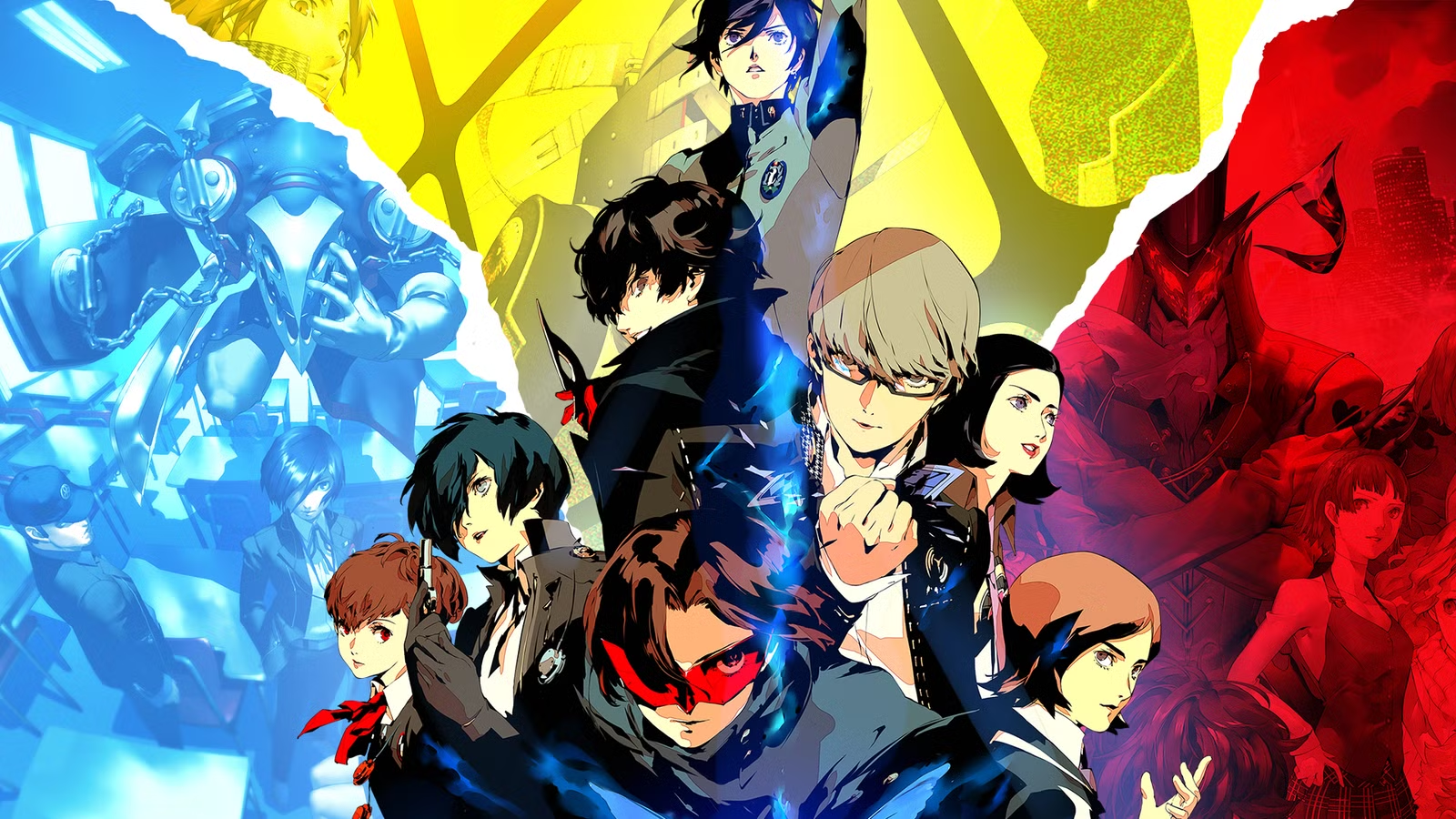
The Bottom Line – No New Game Confirmed for September
To summarize: the new Persona release officially confirmed for September is the Beard Papa’s collaboration — a limited-time food promotion featuring themed cream puffs, merchandise, and Phantom X codes. It is not a new Persona game, and no video game release has been announced for that month.
Fans should adjust their expectations accordingly and enjoy the collaboration for what it is: a fun, tasty celebration of the Persona franchise’s 30th anniversary. The cream puffs are creative, the merchandise is collectible, and the Phantom X codes offer tangible in-game rewards for mobile players.
For those holding out hope for a major game announcement, the remainder of 2026 still holds potential. The Cardfight Vanguard collaboration arrives in December, and the anniversary website has not yet delivered its full slate of reveals. Persona fans would do well to keep an eye on future announcements while enjoying the sweet treats coming this September. For continued coverage of Persona and Atlus developments, stay tuned to PressNova’s gaming section for the latest updates on upcoming titles and collaborations.
Frequently Asked Questions
Is there a new Persona game coming in September 2026?
No. The only Persona release confirmed for September is the Beard Papa’s collaboration — a food promotion featuring themed cream puffs and merchandise. No new video game has been announced for September.
What is the Beard Papa’s Persona collaboration?
It’s a limited-time partnership between Atlus and Beard Papa’s, a Japanese bakery chain with U.S. locations. The collaboration offers Persona-themed cream puffs, collectible gift sets, merchandise, and in-game codes for Persona 5: The Phantom X.
Is the September Persona event a game release or a food promotion?
It’s exclusively a food promotion. While it includes in-game codes for Persona 5: The Phantom X, no new game software is being released as part of this collaboration.
What Persona game releases are actually confirmed for 2026?
No new mainline Persona games or remakes have been confirmed for 2026. The confirmed releases are collaborations: the Beard Papa’s food promotion (September) and the Cardfight Vanguard trading card collaboration (December).
Will Kotone Shiomi appear in a new Persona game?
Kotone Shiomi is appearing in Persona 5: The Phantom X with a modern 3D model, marking her first appearance in a current title. Whether she’ll appear in future mainline games or remakes remains unconfirmed.
When is the Cardfight Vanguard Persona collaboration?
The Cardfight Vanguard collaboration featuring Persona cards and decks is scheduled for a December release. More details are expected closer to that date.