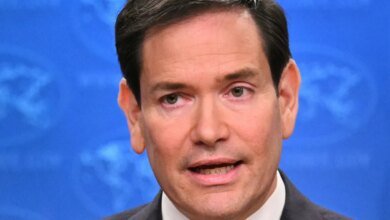
The air in Westminster was thick with anticipation yesterday. Not the usual pre-PMQs buzz, but something heavier, more consequential. The news had broken just an hour before: the British Prime Minister had publicly suggested that Prince Andrew should consider testifying in the ongoing U.S. investigations related to the Jeffrey Epstein case. The whispers spread like wildfire, “Did you hear?”, “Can you believe it?”, “What does the King think?”. It felt like a scene from a political thriller, except this was very real. This isn’t just another headline; it’s a potential turning point in a saga that has haunted the Royal Family for years. The call for Prince Andrew Testimony has never been louder, especially given the continued scrutiny surrounding his past associations with the convicted sex offender. The Prime Minister’s statement, while carefully worded, sends a clear message: cooperation is paramount.
The implications are huge. Could this finally bring some closure to the victims of Epstein? Or will it further tarnish the already damaged reputation of the Prince and the monarchy? The stakes are incredibly high, not just for Prince Andrew, but for the entire nation. The public’s trust in institutions, including the Royal Family, is already fragile. A failure to fully address these allegations could have far-reaching consequences. And what about the legal ramifications? A U.S. court appearance is no walk in the park. It will be a grueling process, dissecting every detail of his relationship with Epstein. No wonder there are nervous faces around Buckingham Palace. We need to consider the political climate; the Prime Minister’s words carry weight.
It’s a complex situation, mired in legal complexities, royal protocols, and intense public scrutiny. The pressure is on. Everyone is waiting to see what Prince Andrew’s next move will be. Will he heed the Prime Minister’s suggestion and face the music in the U.S.? Or will he continue to maintain his silence, further fueling speculation and criticism? The world is watching. The questions remain: How did we get here? And what happens next?
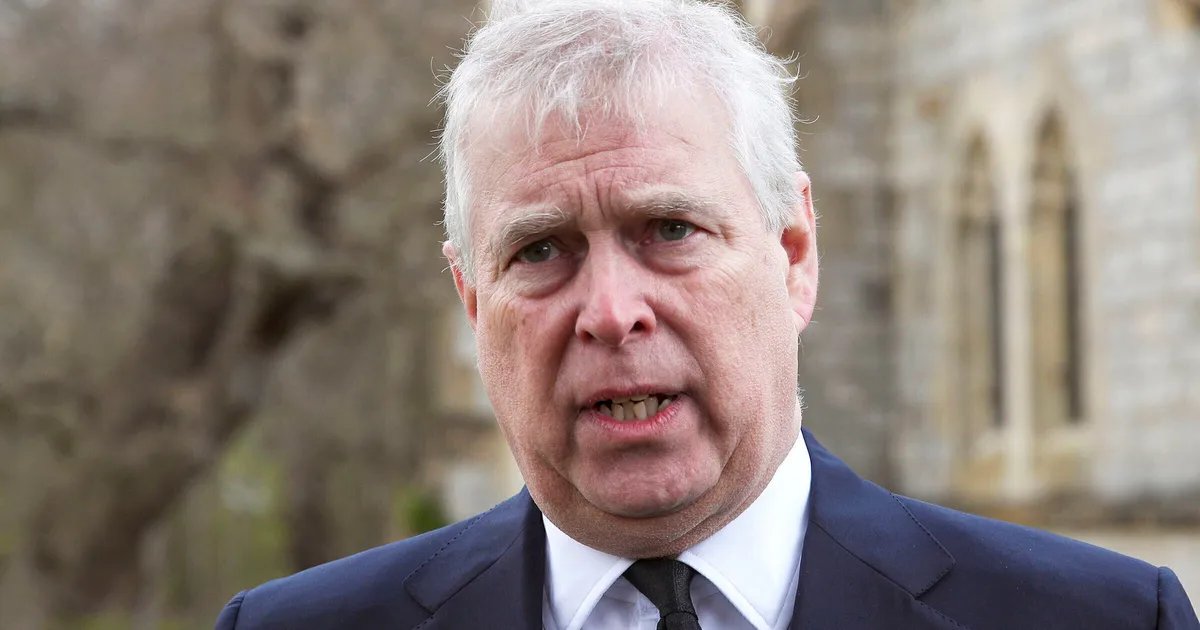
The Prime Minister’s Statement
The Prime Minister’s statement, delivered during a press conference yesterday afternoon, was carefully crafted but unmistakable. While not explicitly demanding Prince Andrew’s testimony, the Prime Minister emphasized the importance of cooperating with international law enforcement agencies. “It is vital that all individuals, regardless of their position, assist in ongoing investigations,” the Prime Minister stated. “Transparency and accountability are essential for maintaining public trust.” This statement, while seemingly neutral, is widely interpreted as a clear message to Prince Andrew.
Sources close to the Prime Minister’s office suggest that the decision to make this public statement was not taken lightly. There had been internal debate, weighing the potential political fallout against the need to address the growing public concern. One anonymous source revealed, “The Prime Minister felt that silence was no longer an option. The issue had become too significant to ignore. It was a calculated risk, but a necessary one.” The Prime Minister understands the sensitivity of Royal Family matters, but the weight of the situation seems to necessitate this statement.
Background: Prince Andrew and Jeffrey Epstein
The relationship between Prince Andrew and Jeffrey Epstein has been under intense scrutiny for years. Allegations of sexual abuse have swirled around Prince Andrew, stemming from his association with Epstein. He has consistently denied these allegations, but the controversy has significantly damaged his reputation and led to him stepping down from royal duties.
The legal landscape is complex. While Prince Andrew settled a civil lawsuit brought by Virginia Giuffre in the US, he has never been charged with any criminal offenses. However, the shadow of the Epstein scandal continues to loom large. The US investigations into Epstein’s network are ongoing, and there is increasing pressure for all individuals with knowledge of Epstein’s activities to cooperate fully. The question now is, will Prince Andrew face this legal pressure?
The Giuffre Lawsuit and Settlement
The civil lawsuit filed by Virginia Giuffre against Prince Andrew alleged that he sexually assaulted her when she was a minor. Prince Andrew vehemently denied these allegations. The lawsuit was eventually settled out of court, with Prince Andrew making a substantial donation to Giuffre’s charity. While the settlement did not constitute an admission of guilt, it further fueled public criticism and scrutiny.
Legal and Political Implications
The Prime Minister’s suggestion that Prince Andrew should testify has significant legal and political implications. If Prince Andrew were to testify in the US, he would be subject to questioning under oath, potentially revealing new information about his relationship with Epstein and the broader network of individuals involved. This could have far-reaching consequences, not only for Prince Andrew but also for others implicated in the scandal.
Politically, the Prime Minister’s statement reflects a growing recognition that the issue cannot be ignored. The Epstein scandal has become a major source of public concern, and the government is under pressure to demonstrate that it is taking the matter seriously. The Prime Minister’s intervention can be seen as an attempt to manage the political fallout and demonstrate leadership on a sensitive issue.

Royal Family’s Response
So far, there has been no official statement from Buckingham Palace regarding the Prime Minister’s comments. However, sources within the Royal Family indicate that the situation is being closely monitored. The King is reportedly deeply concerned about the potential damage to the monarchy’s reputation. One royal insider revealed, “The King is acutely aware of the public perception. He wants to ensure that the Royal Family acts with integrity and transparency.”
The lack of an immediate public response suggests that the Royal Family is carefully considering its options. They will need to balance the need to protect the monarchy’s reputation with the pressure to cooperate with the US investigations. It’s a delicate balancing act, and the stakes are incredibly high.
Public Opinion
Public opinion on the matter is divided. Some believe that Prince Andrew should cooperate fully with the US investigations, regardless of the potential consequences. Others are more sympathetic, arguing that he has already suffered enough and that further scrutiny would be unfair.
A recent poll showed that 65% of the British public believe that Prince Andrew should testify in the US. However, there is also a significant minority who believe that he should be left alone. “He’s been through enough,” said one respondent. “It’s time to move on.” But for many, the issue of Prince Andrew testimony is key to a sense of justice.
Social Media Reactions
Social media has been ablaze with commentary on the Prime Minister’s statement. Twitter, Facebook, and Instagram are filled with opinions, arguments, and memes. The hashtag #PrinceAndrewTestimony is trending, with users expressing a wide range of views.
Potential Outcomes
The potential outcomes of this situation are numerous. Prince Andrew could choose to cooperate fully with the US investigations, providing testimony and potentially answering questions about his relationship with Epstein. Alternatively, he could continue to maintain his silence, risking further criticism and potentially facing legal challenges.
Another possibility is that the US authorities could seek to compel Prince Andrew to testify, potentially leading to a legal battle over jurisdiction and diplomatic immunity. This would further escalate the situation and could have significant implications for the relationship between the UK and the US.

What Happens Next?
The next few weeks will be crucial. All eyes will be on Prince Andrew, waiting to see how he responds to the Prime Minister’s suggestion. Will he heed the call for transparency and accountability? Or will he continue to resist pressure to cooperate with the US investigations?
The outcome of this situation will have significant implications for Prince Andrew, the Royal Family, and the UK’s relationship with the US. It’s a complex and sensitive issue, and the world is watching closely. The truth is, this entire episode feels like it’s been simmering for years, and now it’s finally reached boiling point.
Conclusion
The Prime Minister’s suggestion that Prince Andrew should consider testifying in the U.S. Epstein probes marks a significant moment in this ongoing saga. It’s a bold move, potentially fraught with political and legal consequences, but one that underscores the importance of transparency and accountability. Whether Prince Andrew will heed this call remains to be seen. What’s undeniable is that the pressure is mounting, and the world is waiting for an answer. This situation highlights the enduring power of public opinion and the responsibility of those in positions of privilege to face scrutiny. It will be interesting to see how Prince Andrew testimony develops. The stakes are high.
Frequently Asked Questions
| Why is Prince Andrew being asked to testify in the US? | Prince Andrew’s past association with Jeffrey Epstein has led to intense scrutiny and allegations, making his testimony potentially valuable in the ongoing US investigations into Epstein’s network and activities. |
| What are the potential benefits of Prince Andrew testifying? | Testimony could provide crucial information about Epstein’s activities, potentially bringing closure to victims and shedding light on the broader network involved. It could also help restore public trust if perceived as a sign of cooperation and transparency. |
| How would Prince Andrew’s testimony be implemented? | The process would likely involve questioning under oath by US investigators or in a US court, where Prince Andrew would be required to answer truthfully to the best of his knowledge. This process is subject to legal protocols and potential challenges. |
| What challenges might Prince Andrew face if he testifies? | He could face intense and probing questioning, the risk of self-incrimination, and potential legal challenges. His testimony could also further damage his reputation and that of the Royal Family. |
| What could happen in the future if Prince Andrew refuses to testify? | Refusal to testify could lead to further public criticism, potential legal repercussions, and strained relations between the UK and US. The US authorities might seek to compel his testimony, leading to a legal battle. |
Important Notice
This FAQ section addresses the most common inquiries regarding the topic.