The air crackled with anticipation. It was a sweltering August afternoon in Phoenix, Arizona. The sun beat down relentlessly, turning the parking lot into a shimmering mirage. Yet, thousands had gathered, drawn by the magnetic pull of Donald Trump. As I waited for the rally to begin, the crowd buzzed with a mixture of excitement and anxiety. You could feel the fervent belief in Trump’s message, a shared conviction that something was deeply wrong with the country. And then, the man himself appeared, larger than life, a silhouette against the blazing sky. The roar of the crowd was deafening. He started slowly, revisiting familiar themes: the “stolen” election, the “fake news” media, the “radical left” Democrats. The rhetoric was sharp, familiar, and yet, with each passing moment, it seemed to escalate. Then it came: the accusation of sedition. A hush fell over the crowd, followed by murmurs of agreement. The term, usually reserved for the most extreme acts against the government, hung heavy in the air. Was he serious? Was this just political hyperbole? The implications were chilling.
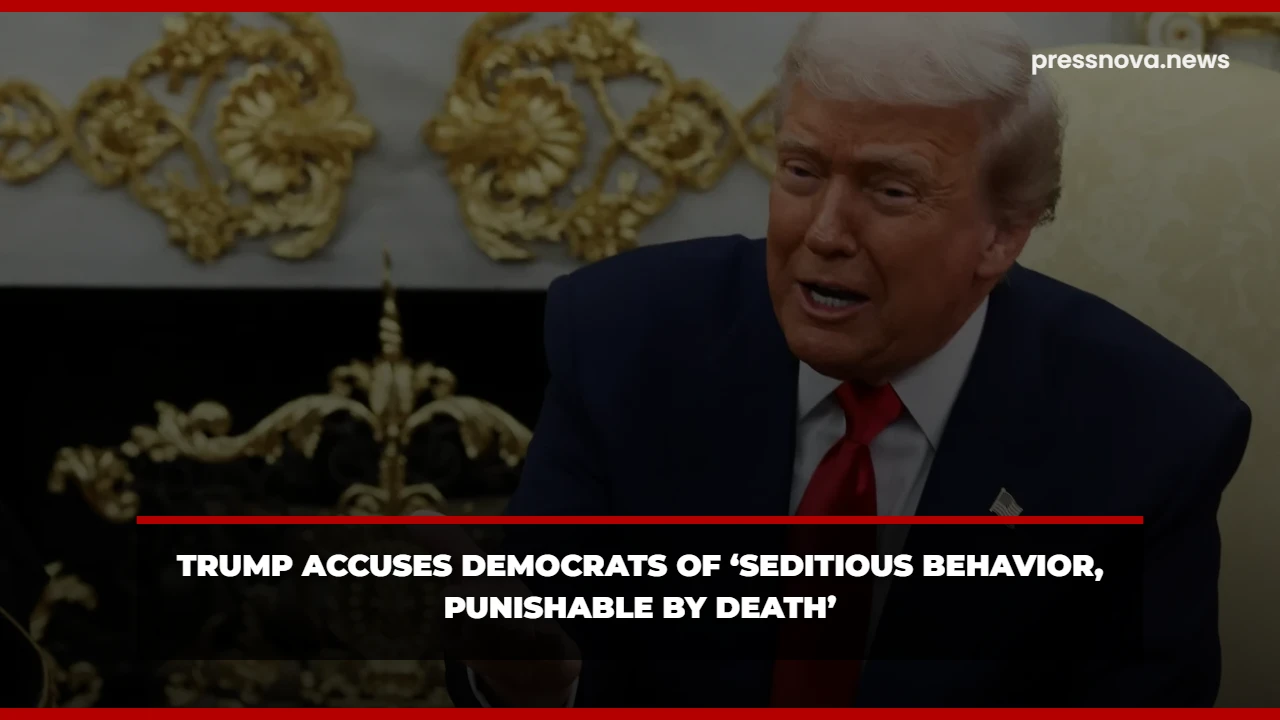
He ramped up his speech, mentioning January 6th. Many see that day as a riot, but Trump supporters view it as something different (I overheard someone saying it was a ‘patriotic protest’).
The crowd began chanting “USA! USA!” It felt like a tinderbox waiting for a spark. I glanced around, trying to gauge the mood. Some faces were filled with righteous indignation; others wore expressions of concern. Even for Trump rallies, this felt different, more intense.
“They are trying to destroy our country,” Trump declared, his voice booming through the speakers. “These are not patriots. These are people who are actively engaged in the sedition of the United States of America!” The crowd erupted in cheers. I took a step back, a shiver running down my spine despite the heat. The weight of those words, the potential consequences, were almost unbearable. He continued to paint a picture of a nation under siege, betrayed by its own leaders, and only he, Donald Trump, could save it. The accusation of sedition was not just a political jab; it was a declaration of war. And the battle lines, it seemed, were being drawn in the Arizona desert.
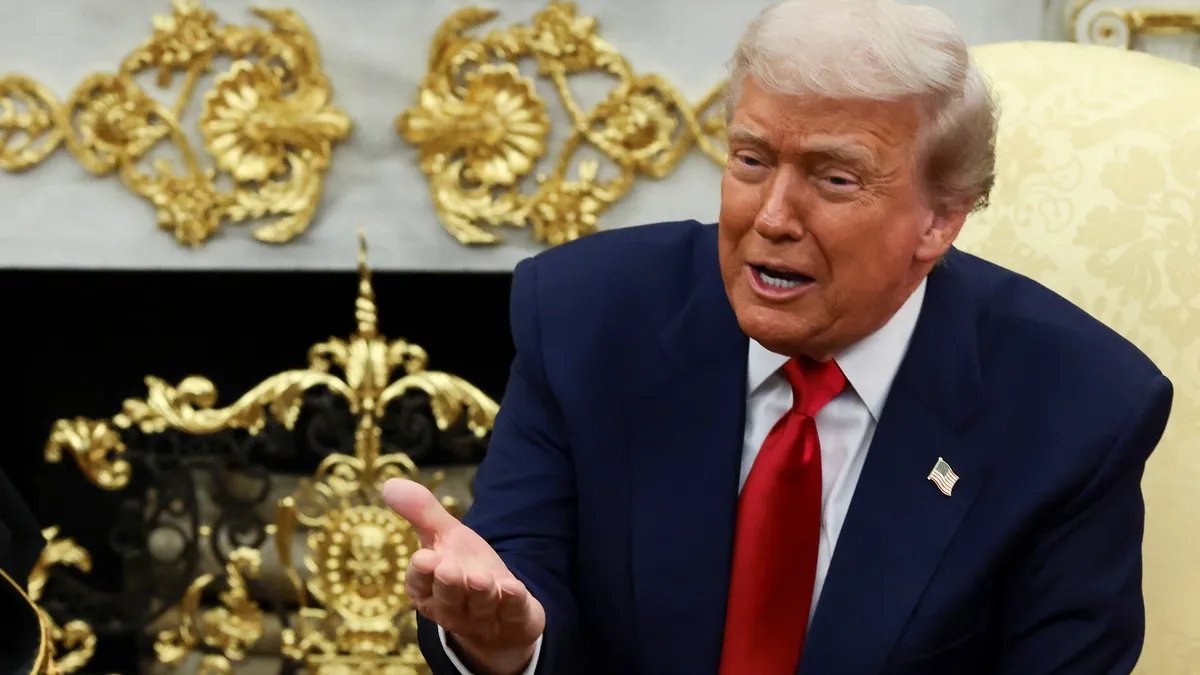
Trump’s Sedition Claims: A Deep Dive
Trump’s repeated accusations of sedition against the Democrats are not new, but they have escalated in recent months. He often links these claims to the 2020 election, alleging widespread voter fraud and a conspiracy to remove him from office. His supporters, many of whom believe these claims wholeheartedly, see his words as a call to action, a rallying cry against a corrupt establishment. But his critics, including legal experts and political analysts, warn that such rhetoric is dangerous and could incite violence.
One legal scholar, speaking on the condition of anonymity, stated, “Using the term ‘sedition’ so loosely diminishes its significance and normalizes the idea of violent opposition to the government. It’s incredibly irresponsible.” (I agree. Words matter.) The key is that the accusations usually involve the January 6th Capitol riot. Trump supporters believe it was a legitimate protest, but others feel it was an attack on democracy.
The Legal Definition of Sedition
It’s crucial to understand what sedition actually means. According to US law, sedition involves inciting violence against the government or attempting to overthrow it through force. Simply disagreeing with the government or expressing unpopular opinions is not sedition. The bar for proving sedition is very high, requiring evidence of intent to use force and a clear and present danger to national security.
Here’s a breakdown of the legal elements of sedition:
- Intent to incite violence or overthrow the government.
- The use of force or threats of force.
- A clear and present danger to national security.
So, does Trump’s rhetoric meet this legal standard? Most legal experts say no. They argue that while his words may be inflammatory, they do not constitute a direct call to violence or a credible threat to the government. However, the potential for his words to inspire violence remains a serious concern.
The January 6th Capitol Riot and Sedition
The January 6th Capitol riot is central to the debate surrounding Trump’s sedition claims. While some participants in the riot have been charged with seditious conspiracy, these charges are based on their specific actions and intent, not on Trump’s rhetoric alone. It’s a complicated issue. Was Trump directly responsible, or were people acting on their own?
Here’s a timeline of key events on January 6th:
- Trump holds a rally near the White House, repeating claims of election fraud.
- Trump urges his supporters to march to the Capitol.
- The Capitol is breached, and violence erupts.
- Lawmakers are forced to evacuate.
- The National Guard is deployed to restore order.
The question remains: did Trump’s words directly incite the violence that occurred on January 6th? This is a question that continues to be debated and investigated. The answer has massive implications for the future.
The Political Impact of Trump’s Accusations
Regardless of the legal merits of his sedition claims, Trump’s rhetoric has a significant impact on the political landscape. It further polarizes the country, deepens distrust in democratic institutions, and emboldens his supporters. It also makes it more difficult to have reasoned and productive political discourse.
One political strategist, who asked not to be named, commented, “Trump is playing a dangerous game. He’s deliberately stoking division for his own political gain. It’s a strategy that may work in the short term, but it’s ultimately harmful to the country.” (I wonder what the long-term effects will be.)
The Role of Social Media
Social media plays a crucial role in amplifying Trump’s message and spreading misinformation. False claims of election fraud and allegations of sedition are often shared widely on platforms like Facebook and Twitter, reaching millions of people. This makes it difficult to combat disinformation and creates an echo chamber where people only hear what they want to hear.
Here are some statistics on the spread of misinformation online:
- False news stories are 70% more likely to be retweeted than true stories.
- Misinformation spreads six times faster on Twitter than factual information.
- Social media algorithms often prioritize engagement over accuracy.
These statistics highlight the challenges of combating misinformation and the need for greater media literacy.
The Future of US Politics
Trump’s continued use of inflammatory rhetoric raises serious questions about the future of US politics. Will the country continue to become more polarized? Will violence become more normalized? Will democratic institutions be able to withstand the pressure? (These are scary questions!)
Here are some possible scenarios for the future:
- Increased political violence and instability.
- Further erosion of trust in democratic institutions.
- A constitutional crisis.
- A renewed commitment to bipartisanship and compromise.
The path the country takes will depend on the choices its leaders and citizens make in the coming years.
Analyzing the Rhetoric: Is it Just Words?
The crucial question is whether Trump’s sedition allegations are simply political rhetoric, or something more sinister. Some argue that he’s just using strong language to rally his base, while others believe he’s intentionally inciting violence.
“He knows exactly what he’s doing,” said a former White House staffer who worked under Trump. “He understands the power of words and how to use them to manipulate people. It’s all calculated.” (Is it really all calculated? Or is it just him speaking his mind?)
The Power of Words
Words have power. They can inspire, motivate, and unite people. But they can also incite hatred, division, and violence. Trump’s use of the term “sedition” is particularly charged, given its historical and legal significance. He’s essentially accusing his political opponents of treason, which is a very serious accusation.
The Responsibility of Leaders
Leaders have a responsibility to use their words carefully and avoid inciting violence. When leaders use inflammatory rhetoric, it can have real-world consequences. It’s crucial for leaders to promote unity and understanding, rather than division and hatred.
The Importance of Context
Context is also important. When Trump accuses Democrats of sedition, it’s important to consider the context in which he’s making these accusations. He’s often speaking at rallies or on social media, where his audience is already predisposed to agree with him. This can create an echo chamber where his words are amplified and distorted.
Conclusion
Trump’s accusations of sedition against the Democrats are a symptom of a deeper problem: the increasing polarization of American politics. Whether his words are legally seditious is almost beside the point. The real danger lies in the erosion of trust, the normalization of political violence, and the growing sense that the country is coming apart at the seams. It is up to all of us, regardless of our political affiliation, to reject this rhetoric and work towards a more united and peaceful future. It’s a daunting task, but it’s one we must undertake if we want to preserve our democracy. It’s easy to feel discouraged, but we can’t give up hope. The future of the country depends on it.
Frequently Asked Questions
| What does it mean when Trump alleges Democratic sedition? | When Trump alleges Democratic sedition, he is accusing Democrats of engaging in activities aimed at undermining or overthrowing the U.S. government. This typically involves claims of election fraud or attempts to delegitimize his presidency. |
| What are the potential impacts of Trump’s sedition claims? | The impacts of Trump’s sedition claims include increased political polarization, erosion of trust in democratic institutions, incitement of violence, and the spread of misinformation. These claims can deepen divisions within society. |
| How does the January 6th Capitol riot relate to sedition accusations? | The January 6th Capitol riot is often cited in discussions about sedition due to the violence and attempts to disrupt the certification of the 2020 presidential election. While some participants have been charged with seditious conspiracy, the link between Trump’s rhetoric and the riot is a subject of ongoing debate. |
| What challenges exist in addressing allegations of sedition? | Challenges in addressing allegations of sedition include proving intent to incite violence, distinguishing between protected speech and illegal incitement, and combating misinformation. Legal standards for sedition are high, requiring clear evidence of a threat to national security. |
| What might the future hold regarding sedition claims and political rhetoric? | The future might see continued political polarization and distrust in institutions. It could also lead to increased violence. Alternatively, there could be a renewed commitment to bipartisanship and reasoned discourse. The path depends on the choices of leaders and citizens. |
Important Notice
This FAQ section addresses the most common inquiries regarding the topic.