Trump Dismisses Inflation Concerns as ‘Democrat Con Job’
Former President Donald Trump has once again ignited controversy by dismissing widespread concerns about rising costs as a “con job by the Democrats.” During a recent interview, Trump downplayed the economic pressures facing American families, suggesting that the media is complicit in amplifying these concerns to undermine his administration. This stance comes despite numerous polls and economic data indicating that a significant majority of Americans are indeed feeling the pinch of inflation. This article delves into the details of Trump’s claims, the economic realities facing voters, and the potential political ramifications of this dismissive approach to a major voter gripe. This ongoing debate highlights the crucial role of economic policy and voter perception in shaping political narratives and election outcomes.
Trump’s Claims and Voter Concerns
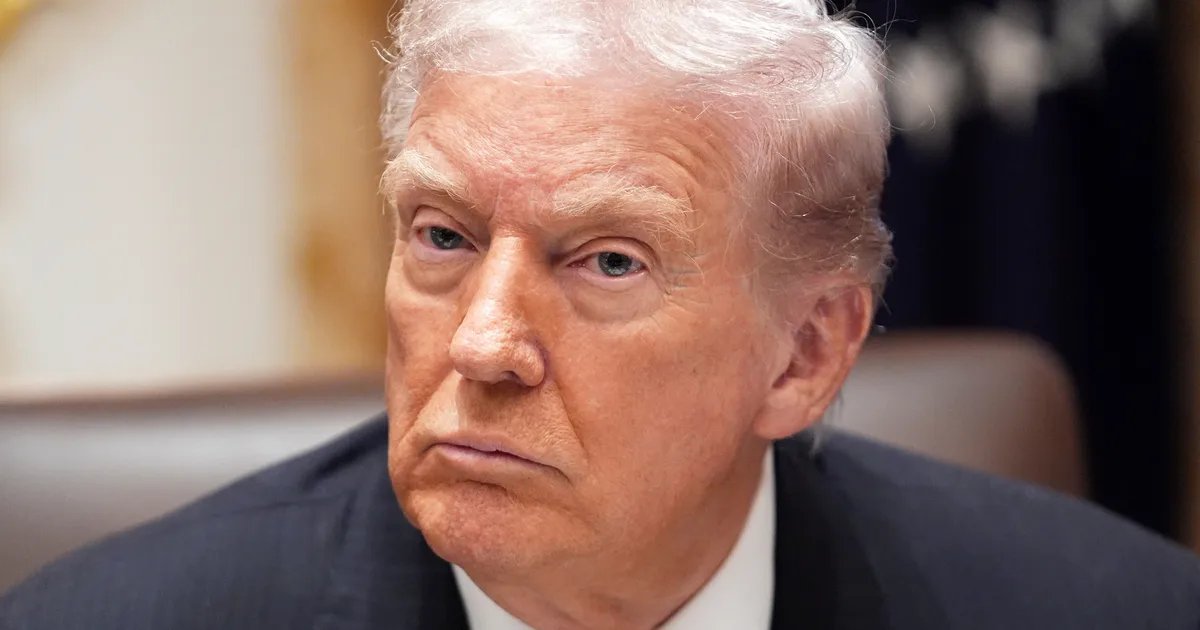
In the interview, Trump asserted that rising prices are not a genuine issue for most Americans but rather a manufactured narrative propagated by the Democratic Party and amplified by mainstream media outlets. He specifically referenced the rising costs of everyday goods like beef, coffee, and auto repairs, which were brought up by the interviewer. While acknowledging these increases, Trump quickly dismissed them, predicting that prices would “come down very shortly.” He insisted that the perception of an affordability crisis is a political tactic designed to damage his reputation and policies. This statement is in direct contrast to recent surveys indicating widespread voter anxiety over the economy. For example, a recent poll showed that seven in ten Americans believe they are paying more for groceries than they were the previous year. This widespread concern underscores the disconnect between Trump’s rhetoric and the lived experiences of many voters.
Trump’s strategy of dismissing economic grievances as a “con job” is not new. Throughout his political career, he has often challenged conventional wisdom and presented alternative narratives, particularly when faced with criticism. However, this approach carries significant risks, especially when it comes to issues directly impacting voters’ wallets. The perception that a leader is out of touch with the economic realities of ordinary citizens can erode trust and lead to political backlash. It’s important to also note how Trump losing conservative ground could be related to this type of messaging. In the context of rising inflation, dismissing concerns as a political ploy may further alienate voters who are genuinely struggling to make ends meet. It is crucial to analyze whether this approach resonates with his base or if it contributes to a broader sense of disconnect.
Economic Data vs. Political Rhetoric
The U.S. Bureau of Labor Statistics (BLS) provides objective data on inflation and consumer prices. According to the BLS, there has been a measurable increase in the cost of goods and services over the past year. While some specific items may have seen price decreases, the overall trend indicates a rise in inflation. This data directly contradicts Trump’s claims that prices are “way down.” The discrepancy between official economic data and Trump’s statements highlights the challenge of reconciling political rhetoric with empirical evidence. Voters are left to weigh conflicting narratives and determine which version of reality aligns with their own experiences. This dynamic can create confusion and distrust, making it harder for policymakers to address economic challenges effectively.
The debate over inflation is not just about numbers; it’s about the lived experiences of individuals and families. Rising prices can strain household budgets, limit purchasing power, and create financial insecurity. When political leaders dismiss these concerns, they risk alienating voters who feel their struggles are being ignored. A more effective approach might involve acknowledging the challenges of inflation while outlining specific policies and strategies to address them. This could include measures to increase competition, reduce regulations, or provide targeted relief to vulnerable populations. Ignoring the issue altogether can lead to a perception of indifference or a lack of understanding of the real-world impact of economic policies. It’s similar to how skyrocketing new car prices are impacting a variety of people across the country.
The Role of Media in Shaping Perceptions
Trump has consistently accused the media of bias and collusion with the Democratic Party. He claims that news outlets amplify negative economic news to undermine his administration. While it is true that media coverage can influence public opinion, it is essential to distinguish between legitimate reporting on economic trends and deliberate attempts to mislead the public. Many news organizations rely on objective data from sources like the BLS and the Federal Reserve to inform their reporting. These sources provide a factual basis for understanding economic conditions. It is also important to consider that media outlets have a responsibility to report on issues that are of concern to the public, including rising prices and affordability. This responsibility is enshrined in the principles of journalistic integrity and serves to inform the public and hold leaders accountable.
The relationship between political leaders and the media is often complex and adversarial. Leaders may feel that they are unfairly targeted by negative coverage, while journalists may see their role as holding those in power accountable. However, a healthy democracy requires a free and independent press that can report on issues of public concern without fear of reprisal. When leaders attack the media, they risk undermining public trust in reliable sources of information. This can make it harder for voters to make informed decisions and participate effectively in the democratic process. A constructive approach involves engaging with the media in a respectful manner, providing accurate information, and addressing legitimate concerns. This fosters a more informed public discourse and promotes greater accountability. This is a stark contrast to Rimac’s desire for full control of Bugatti, which is a completely different dynamic.
Political Ramifications of Dismissing Voter Grievances
Dismissing voter grievances, particularly on economic issues, can have significant political consequences. Voters who feel that their concerns are being ignored may be less likely to support a candidate or party in future elections. This is especially true for swing voters who are not strongly aligned with either party. These voters are often the key to winning elections, and their support can be swayed by economic issues. When leaders fail to address their concerns, they risk losing their support. A more effective approach involves acknowledging the challenges facing voters, proposing concrete solutions, and demonstrating a genuine commitment to improving their economic well-being.
The political landscape is constantly evolving, and leaders must adapt to changing voter priorities. Economic issues are consistently among the top concerns for voters, and leaders who fail to address them risk becoming irrelevant. It’s important to also note that the Buffalo Bills struggles are unrelated to political outcomes, but highlight the importance of addressing concerns from supporters. A successful political strategy involves understanding the needs and concerns of voters, developing policies that address those needs, and communicating those policies effectively. Dismissing voter grievances as a “con job” is unlikely to be a winning strategy in the long run. It may appeal to a narrow segment of the electorate, but it risks alienating a broader range of voters who are genuinely concerned about the economy.
The Impact on Future Elections
The way political leaders address economic concerns in the present can have a lasting impact on future elections. Voters remember how leaders responded to economic challenges, and those memories can influence their voting decisions. Leaders who are perceived as being out of touch with the economic realities of ordinary citizens may face an uphill battle in future elections. Conversely, leaders who demonstrate a genuine commitment to addressing economic challenges may be rewarded with voter support. The upcoming elections will likely be heavily influenced by economic issues, and leaders who are able to effectively address voter concerns will have a significant advantage. This includes not only articulating a vision for economic prosperity but also demonstrating empathy and understanding for the challenges facing ordinary families. The ability to connect with voters on an emotional level can be just as important as having sound economic policies.
Furthermore, the ability to communicate effectively about economic issues is crucial. Leaders must be able to explain complex economic concepts in a way that is easy for voters to understand. They must also be able to articulate a clear and compelling vision for the future. Leaders who can do this effectively are more likely to gain the trust and support of voters. The debate over inflation highlights the importance of effective communication. Leaders who can explain the causes of inflation, outline strategies to combat it, and demonstrate empathy for those who are struggling will be more likely to succeed. Dismissing concerns as a “con job” is unlikely to be an effective communication strategy. It may appeal to a narrow segment of the electorate, but it risks alienating a broader range of voters who are genuinely concerned about the economy. This is where understanding Senate deals for SNAP funding becomes important for many voters.
Alternative Perspectives and Solutions
While Trump dismisses inflation concerns, various economists and policymakers offer alternative perspectives and potential solutions. Some argue that inflation is a temporary phenomenon caused by supply chain disruptions and increased demand following the COVID-19 pandemic. They believe that as supply chains normalize and demand cools down, inflation will naturally subside. Others argue that inflation is a more persistent problem caused by excessive government spending and loose monetary policy. They advocate for tighter fiscal and monetary policies to curb inflation. Potential solutions include:
- Reducing government spending to decrease demand.
- Raising interest rates to cool down the economy.
- Addressing supply chain bottlenecks to increase the availability of goods.
- Investing in education and job training to increase productivity.
- Promoting competition to lower prices.
These solutions represent a range of approaches to addressing inflation. The effectiveness of each approach depends on the specific causes of inflation and the broader economic context. Policymakers must carefully consider the potential impacts of each solution on different segments of the population. For example, raising interest rates can help curb inflation, but it can also slow down economic growth and increase unemployment. A balanced approach that considers both the short-term and long-term impacts is essential. Furthermore, engaging in open and transparent communication with the public is crucial to building support for any policy solution. Voters are more likely to accept policies that they understand and believe will be effective. This underscores the importance of clear and concise communication from political leaders and policymakers.
Conclusion: Navigating Economic Realities and Voter Perceptions
The debate over inflation and affordability highlights the complex interplay between economic realities and voter perceptions. While Trump dismisses rising costs as a “con job,” many Americans are genuinely concerned about the impact of inflation on their household budgets. Political leaders must navigate this complex landscape by acknowledging voter concerns, providing accurate information, and proposing concrete solutions. Dismissing voter grievances as a political ploy is unlikely to be a winning strategy in the long run. A more effective approach involves engaging with voters in a respectful manner, addressing their concerns, and demonstrating a genuine commitment to improving their economic well-being. The future of political leadership depends on the ability to connect with voters on an emotional level, understand their needs and concerns, and develop policies that address those needs effectively. The ongoing debate over inflation serves as a reminder of the importance of sound economic policies and effective communication in a democratic society.