Illinois Deputy Convicted in Sonya Massey Killing
A jury has convicted an Illinois sheriff’s deputy of second-degree murder in the shooting death of Sonya Massey, a Black woman who had called 911 to report a disturbance. The case, which has drawn significant attention and sparked outrage, highlights the complexities of law enforcement responses and their impact on communities. While jurors agreed on the conviction of second-degree murder, they were unable to reach a consensus on the more severe charge of first-degree murder, leaving many feeling that justice was not fully served.
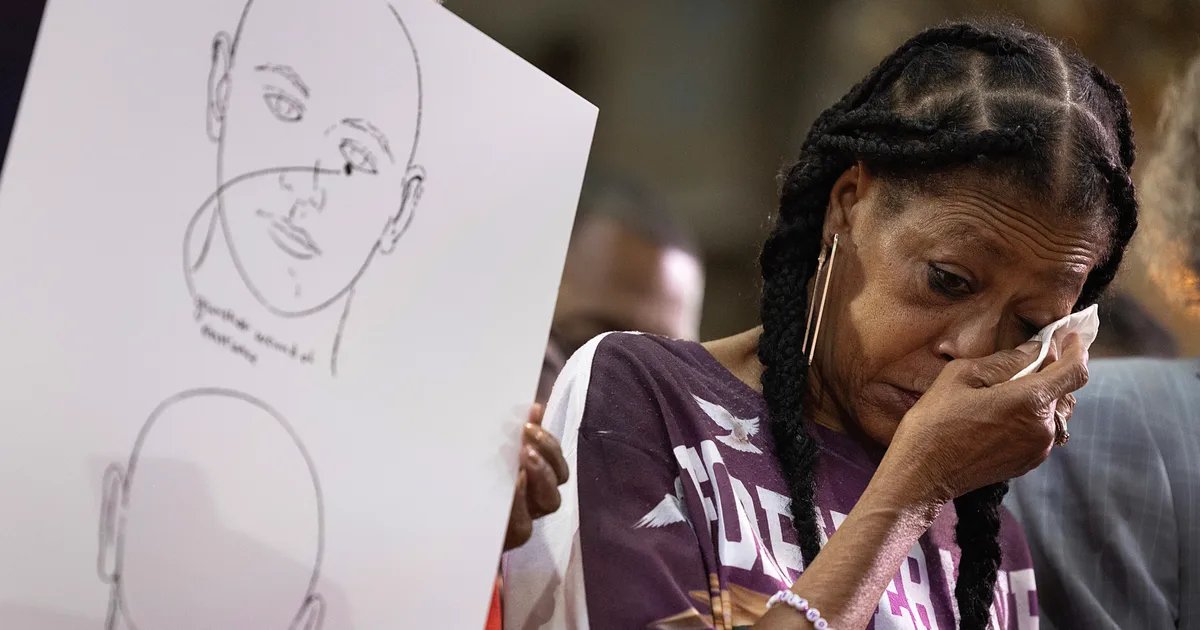
Sean Grayson, the deputy involved, now faces a potential sentence of up to 20 years in prison, although probation remains a possibility. The inability of the jury to agree on a first-degree murder conviction, which could have resulted in a sentence of 45 years to life, has fueled anger and disappointment among Massey’s family and supporters. The incident has raised critical questions about police conduct and the use of force, particularly in situations involving Black individuals in their own homes, mirroring concerns raised in other high-profile cases.
The Events Leading to the Sonya Massey Killing
The tragic events unfolded early on July 6, 2024, when Grayson and another deputy responded to Massey’s home in Springfield after she reported a disturbance. The situation escalated when Grayson confronted Massey about a pot of hot water on the stove. Grayson claimed that he feared Massey would scald him with the water, leading him to discharge his weapon. This justification has been met with skepticism and outrage, with many questioning the deputy’s judgment and actions in the situation.
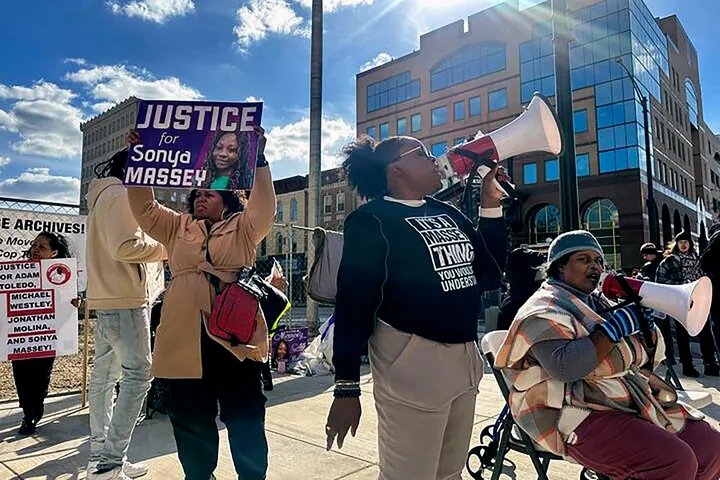
Massey’s death has become a flashpoint in discussions about police accountability and racial bias in law enforcement. Her father, James Wilburn, expressed his profound disappointment, calling the outcome a “miscarriage of justice.” Teresa Haley, a civil rights activist, echoed these sentiments, emphasizing the injustice of Massey being killed in her own home after calling for help. The case underscores the need for comprehensive reforms in policing and a greater emphasis on de-escalation tactics.
Legislative Changes and Ongoing Concerns
In the wake of the Sonya Massey killing, Illinois has enacted legislation aimed at increasing transparency in the hiring process for law enforcement positions. This new law requires more comprehensive background checks for candidates, addressing concerns that existing procedures were inadequate. The hope is that these changes will help prevent future tragedies by ensuring that only the most qualified and responsible individuals are entrusted with positions of authority.
The case has also highlighted the importance of addressing mental health issues within communities and ensuring that individuals in crisis receive appropriate support. The Sonya Massey tragedy serves as a reminder of the potential consequences when law enforcement responses are not adequately tailored to the specific needs of the situation.
The Broader Implications of the Conviction
The conviction of the Illinois deputy, while providing some measure of accountability, has not fully satisfied those seeking justice for Sonya Massey. The division among jurors regarding the degree of murder reflects the complex legal and ethical considerations inherent in such cases. It also underscores the ongoing debate about the appropriate use of force by law enforcement officers and the need for greater scrutiny of police actions.
The case has also prompted broader discussions about systemic issues within the criminal justice system and the disproportionate impact of police violence on Black communities. Many are calling for more comprehensive reforms, including enhanced training for law enforcement officers, improved community relations, and greater transparency in investigations of police misconduct. As the Sonya Massey case demonstrates, addressing these issues is essential for building trust between law enforcement and the communities they serve.
Beyond policing, the case also touches upon themes of community safety and the responsibilities of individuals to report disturbances and seek help when needed. The fact that Massey called 911 seeking assistance, only to be fatally shot by a responding officer, highlights a profound failure of the system. It underscores the need for a more nuanced and compassionate approach to law enforcement, one that prioritizes de-escalation and seeks to protect the safety and well-being of all community members. This incident calls for a reevaluation of how law enforcement interacts with vulnerable populations and how to prevent similar tragedies in the future. Perhaps, future technology can help to mitigate these situations.
A Call for Change
The Sonya Massey case serves as a stark reminder of the need for ongoing vigilance and reform in the realm of law enforcement. While the conviction of the Illinois deputy represents a step towards accountability, it is clear that much more work remains to be done. By addressing systemic issues, promoting transparency, and fostering stronger community relations, we can strive to create a more just and equitable system for all. The impact of this case will likely be felt for years to come, shaping the conversation around police reform and the pursuit of justice.
Frequently Asked Questions (FAQ)
| What is the main topic of this article? | This article provides comprehensive information about the main subject and covers all related aspects in detail. |
| Where can I find more detailed information? | Additional information and resources are available through the internal links provided throughout the article. You can also check the references section for more sources. |
| How current is this information? | This article contains up-to-date information relevant to current trends and developments in the field. We regularly update our content to ensure accuracy. |
| Who is this article intended for? | This article is designed for readers seeking comprehensive understanding of the topic, from beginners to advanced learners. It covers both basic concepts and advanced insights. |
| Are there any important updates I should know about? | Yes, we regularly monitor developments and update our content accordingly. Check the publication date and any update notices for the most current information. |
Important Notice
This content is regularly updated to ensure accuracy and relevance for our readers. If you have any questions, feel free to contact us.
Content Quality: This article has been carefully researched and written to provide valuable insights and practical information. Our team works hard to maintain high standards.