Did you know that government shutdowns cost the US economy billions? It’s true. And while the immediate crisis might be averted, the clock is already ticking towards the next potential fiscal cliff. The recent agreement in Washington offers a temporary reprieve, but it’s crucial to understand the key dates and underlying issues to avoid a repeat performance. This isn’t just about politics; it’s about the stability of our economy and the services millions of Americans rely on. So, let’s dive in and break down what you need to know.

Understanding the Core Concepts
At its heart, a government shutdown occurs when Congress fails to pass, and the President fails to sign, appropriation bills funding the government’s operations. Sounds simple enough, right? Well, here’s the thing: the federal government is a massive entity with countless departments and agencies, each requiring funding to function. Think of it like a household budget. If you don’t agree on how to allocate your funds, things grind to a halt. In the government’s case, that means non-essential services are suspended, federal employees are furloughed (sent home without pay), and the economy takes a hit. It’s similar to how a business operates; without proper financial planning and approvals, projects stall and operations suffer.
Appropriations bills are essentially the government’s spending plan. They outline how much money each federal agency will receive for the fiscal year. The fiscal year runs from October 1st to September 30th. If Congress doesn’t pass these bills before October 1st, a continuing resolution (CR) is often used. A CR is a temporary funding measure that keeps the government running at current levels for a set period. However, CRs are just a Band-Aid. They don’t address underlying budget issues and can lead to future shutdowns if not replaced by full appropriations bills. What many people don’t realize is the economic ripple effect – from delayed tax refunds to disrupted research projects, the impact is far-reaching.
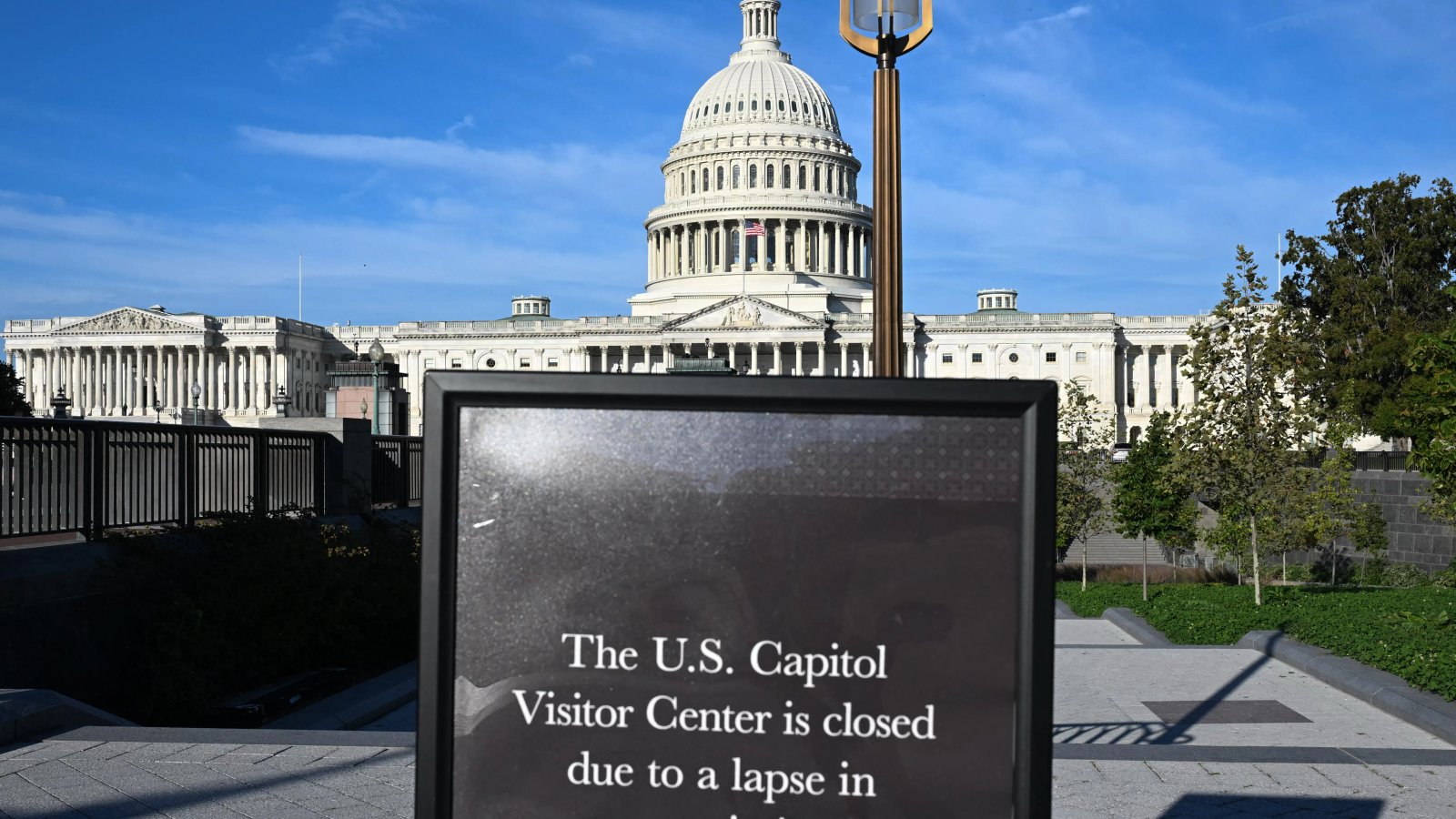
The recent deal, as reported, aims to temporarily avert a full shutdown, but it kicks the can down the road. The real challenge lies in reaching bipartisan agreement on long-term funding solutions. This involves tough decisions about spending priorities, tax policies, and the overall size and scope of government. It’s a complex balancing act with significant political implications. And, honestly, it’s a process that often feels more like a high-stakes poker game than a responsible exercise in governance.
Practical Benefits and Real-World Applications
Avoiding government shutdowns isn’t just an abstract goal; it has tangible benefits for everyone. Think about it: a stable government ensures consistent delivery of essential services. Social Security checks go out on time, national parks stay open, and food safety inspections continue. These are things we often take for granted, but their absence can have a devastating impact on individuals and communities.
For example, during a shutdown, the processing of veterans’ benefits can be delayed, causing financial hardship for those who served our country. Small businesses relying on government contracts may face uncertainty and potential layoffs. Even scientific research, funded by federal agencies, can be disrupted, hindering progress on critical issues like climate change and disease prevention. I’ve noticed that the impact is often felt most acutely by those who can least afford it.
Furthermore, shutdowns damage the economy. Furloughed federal employees reduce their spending, impacting local businesses. Consumer confidence declines, leading to decreased economic activity. The Government Accountability Office (GAO) estimates that the 2018-2019 shutdown cost the U.S. economy $11 billion. That’s money that could have been used for infrastructure improvements, education, or other vital programs. It’s worth noting that the uncertainty created by the threat of shutdowns can also discourage investment and hiring.
Consider the impact on air travel. During previous shutdowns, air traffic controllers and TSA agents worked without pay, leading to increased stress and potential safety risks. Canceled flights disrupt travel plans and negatively impact the tourism industry. A stable, functioning government is essential for maintaining a safe and efficient transportation system. Speaking of which, remember to check your flight status before heading to the airport, especially during periods of political uncertainty!
Implementation Strategies That Work
So, what can be done to prevent future shutdowns? It’s a multi-faceted problem requiring a multi-pronged approach.
Step-by-Step Approach
- Establish a Clear Budget Process: Congress needs to adhere to a disciplined budget process with realistic timelines and enforceable deadlines. This means starting budget negotiations early and avoiding last-minute crises.
- Prioritize Bipartisan Collaboration: Reaching consensus on budget matters requires compromise and a willingness to work across party lines. Partisan gridlock is a major driver of government shutdowns.
- Consider Automatic Continuing Resolutions: Some experts propose automatic CRs that would trigger if Congress fails to pass appropriations bills by the deadline. This would prevent shutdowns while negotiations continue.
- Reform the Budget Process: The current budget process is outdated and inefficient. Reforms could include biennial budgeting, which would give lawmakers more time to focus on oversight and long-term planning.
- Increase Transparency and Public Engagement: The public needs to be better informed about the budget process and the consequences of shutdowns. Increased transparency can help hold lawmakers accountable.
Best Practices from Experience
Professional practice shows that successful budget negotiations often involve open communication, a willingness to compromise, and a focus on shared goals. It’s also important to have a clear understanding of the economic impact of different budget choices. Data-driven decision-making can help avoid unintended consequences.
From my experience, one of the most effective strategies is to involve stakeholders from all sectors – businesses, labor unions, non-profits, and community groups – in the budget process. This ensures that diverse perspectives are considered and that the budget reflects the needs of the entire country. What’s particularly interesting is how local communities can be impacted by federal decisions, emphasizing the need for inclusive planning.
Common Pitfalls to Avoid
One of the biggest pitfalls is using the threat of a shutdown as a political weapon. This creates unnecessary uncertainty and undermines public trust in government. Another common mistake is focusing on short-term political gains rather than long-term economic stability. Budget decisions should be based on sound economic principles, not political expediency. And honestly, neglecting long-term planning is a recipe for disaster.
Also, avoid overly complex and opaque budget processes. Simplicity and transparency are key to ensuring that the public understands how their money is being spent. Finally, be wary of unrealistic budget projections. Overly optimistic assumptions about economic growth can lead to budget shortfalls and future crises. This is not unlike projecting sales figures for a new product; accuracy is paramount.
Expert Insights and Advanced Techniques
Beyond the basics, there are some advanced techniques that can help prevent future shutdowns. One is to use scenario planning to anticipate potential budget challenges. This involves developing different budget scenarios based on various economic forecasts and policy assumptions. This can help policymakers prepare for unexpected events and make more informed decisions. Here’s what you need to know: the key is adaptability.
Another technique is to use performance-based budgeting, which links funding to specific outcomes. This ensures that taxpayer dollars are being used effectively and efficiently. For example, instead of simply allocating a certain amount of money to a job training program, funding would be tied to the number of people who successfully complete the program and find employment. This is like tying employee bonuses to performance metrics, ensuring accountability.
Pro Tip: Pay attention to the “off-budget” items. Sometimes, significant spending or liabilities are hidden in these areas, which can contribute to long-term fiscal imbalances. A comprehensive review of all government financial activities is essential for sound fiscal management.
Furthermore, consider the impact of mandatory spending programs, such as Social Security and Medicare, which account for a large portion of the federal budget. Addressing the long-term sustainability of these programs is crucial for preventing future fiscal crises. This requires difficult choices about benefit levels, eligibility requirements, and funding mechanisms. It is worth noting that these programs are vital for millions of Americans, making reform a politically sensitive issue.
Future Trends and Developments
Looking ahead, several trends and developments could impact the likelihood of future shutdowns. One is the increasing national debt, which puts pressure on lawmakers to cut spending. Another is the growing polarization of American politics, which makes it more difficult to reach bipartisan agreement. Actually, the political climate is becoming increasingly challenging, making collaboration even more crucial.
Emerging opportunities include the potential for technological innovation to improve government efficiency and reduce costs. For example, artificial intelligence could be used to automate routine tasks and free up federal employees to focus on more complex issues. Blockchain technology could be used to improve transparency and accountability in government spending. Plus, these advancements could lead to significant cost savings.
Industry predictions suggest that the budget process will become increasingly contentious in the coming years, particularly as the national debt continues to grow. The need for fiscal responsibility will become even more pressing, forcing lawmakers to make tough choices about spending priorities. It’s worth noting that these predictions are based on current economic trends and political dynamics.
To stay ahead of the curve, it’s essential to monitor economic indicators, follow political developments, and engage in informed discussions about budget issues. Also, support organizations that promote fiscal responsibility and bipartisan collaboration. And, of course, vote for candidates who are committed to sound fiscal policies. If you’re like most people, you probably feel overwhelmed by the complexities of the budget process, but your voice matters.
Conclusion: Key Takeaways and Action Steps
In summary, government shutdowns are costly and disruptive events that can have a significant impact on individuals, communities, and the economy. While the recent deal offers a temporary reprieve, it’s crucial to understand the key dates and underlying issues to avoid future crises. Preventing shutdowns requires a multi-pronged approach involving a clear budget process, bipartisan collaboration, and a focus on long-term economic stability. Think of it like maintaining a car; regular maintenance prevents major breakdowns.
So, what are the key takeaways? First, stay informed about the budget process and the potential consequences of shutdowns. Second, engage with your elected officials and let them know that you expect them to prioritize fiscal responsibility and bipartisan collaboration. Third, support organizations that promote sound fiscal policies. And as a final step, consider the long-term implications of budget decisions and advocate for sustainable solutions.
Here’s what you need to do next: Mark your calendar for January 30, 2026. That’s the next potential shutdown deadline. Stay tuned for updates on budget negotiations and be prepared to take action if necessary. Together, we can work to prevent future shutdowns and ensure a stable and prosperous future for our country. After all, a well-managed government is essential for a thriving society.

Don’t forget to check out Alpine’s electrifying U-turn as gas engine stays in the A110 successor race! Read more here. Also, you should read about America’s Fattest States Revealed and How Ozempic is Changing the Map, so Read More Here!