In the heart of Astoria, Queens, a political metamorphosis is underway. It’s not a caterpillar turning into a butterfly, but something perhaps even more intriguing: the apparent shift of New York State Assembly member Zohran Mamdani from the progressive left towards a more centrist position. This isn’t just idle speculation whispered over bodega coffee; it’s a palpable change observed by constituents, fellow politicians, and political analysts alike. From championing radical policies like abolishing rent to focusing on pragmatic solutions for affordable housing, Mamdani’s recent moves have sparked a debate: is this a genuine evolution of his political beliefs, or a calculated strategy to broaden his appeal and solidify his influence? His early days were marked by fiery speeches and uncompromising stances. (I remember one rally where he practically set the stage on fire with his rhetoric!). Now, the tone seems more…measured. More considered.
Mamdani, a prominent member of the Democratic Socialists of America (DSA), initially gained notoriety for his unapologetically socialist views. He advocated for policies that, while popular among progressive circles, often faced skepticism from the mainstream. Remember the uproar when he proposed a complete overhaul of the housing system? It was headline news for weeks! But lately, there’s been a noticeable softening of his stance. Where once there were demands for immediate radical change, now there are calls for incremental progress and bipartisan collaboration. Is this a betrayal of his core principles, as some of his former supporters claim? Or is it a pragmatic adaptation to the realities of governing in a diverse and often divided political landscape? This perceived transition to the center is raising eyebrows and prompting questions about the future of his political career and the direction of the progressive movement in New York.
And it’s not just about policy; it’s about style. His social media presence, once a barrage of impassioned critiques of capitalism, now features more nuanced discussions of policy details and community initiatives. He’s seen attending more events with moderate Democrats and even, dare I say it, reaching across the aisle to engage with Republicans on specific issues. The question on everyone’s mind is: what’s driving this shift? Is it the pressure of representing a diverse constituency? The realization that radical proposals often face insurmountable obstacles? Or something else entirely? As one local activist put it to me, sipping her iced latte, “Zohran’s always been smart. Maybe he’s just playing the long game.” Whatever the reason, Zohran Mamdani’s apparent repositioning is a story worth watching, because it speaks to the broader challenges and compromises inherent in contemporary politics.
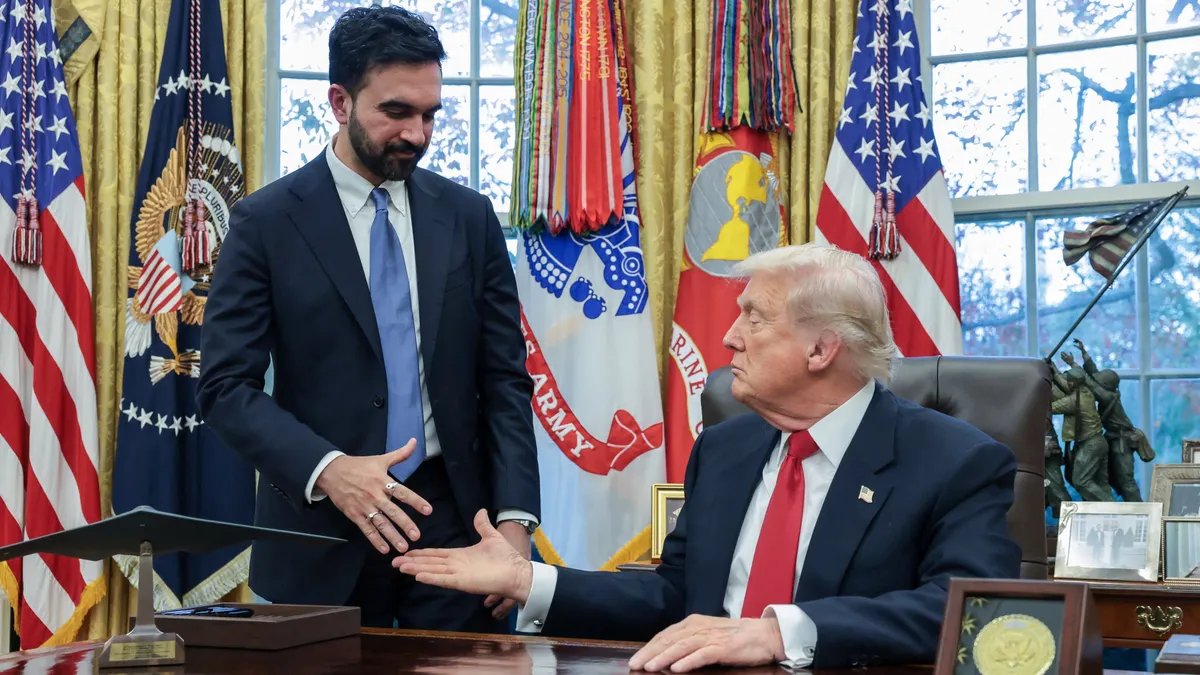
The Shifting Sands of Policy
One of the most visible indicators of Zohran Mamdani’s transition to the center is his evolving approach to policy. In his early days in the New York State Assembly, he was a vocal advocate for policies that would fundamentally restructure the state’s economic and social systems. For example, his proposals for universal rent control and the abolition of private property were seen as radical, even within progressive circles. These proposals, while generating considerable excitement among his base, also drew criticism for being unrealistic and economically unsustainable.
But recently, there’s been a clear shift in his policy priorities. While he still advocates for affordable housing, his proposals now focus on more incremental and practical solutions. He’s been working on initiatives to increase funding for existing affordable housing programs, streamline the permitting process for new developments, and provide incentives for landlords to offer rent-controlled units. These proposals are significantly less radical than his earlier calls for systemic change, and they reflect a willingness to compromise and work within the existing political system.
“Look,” a senior legislative aide told me off the record, “you can’t just bulldoze the whole system. You gotta build something better brick by brick.” This sentiment seems to be guiding Mamdani’s current approach.
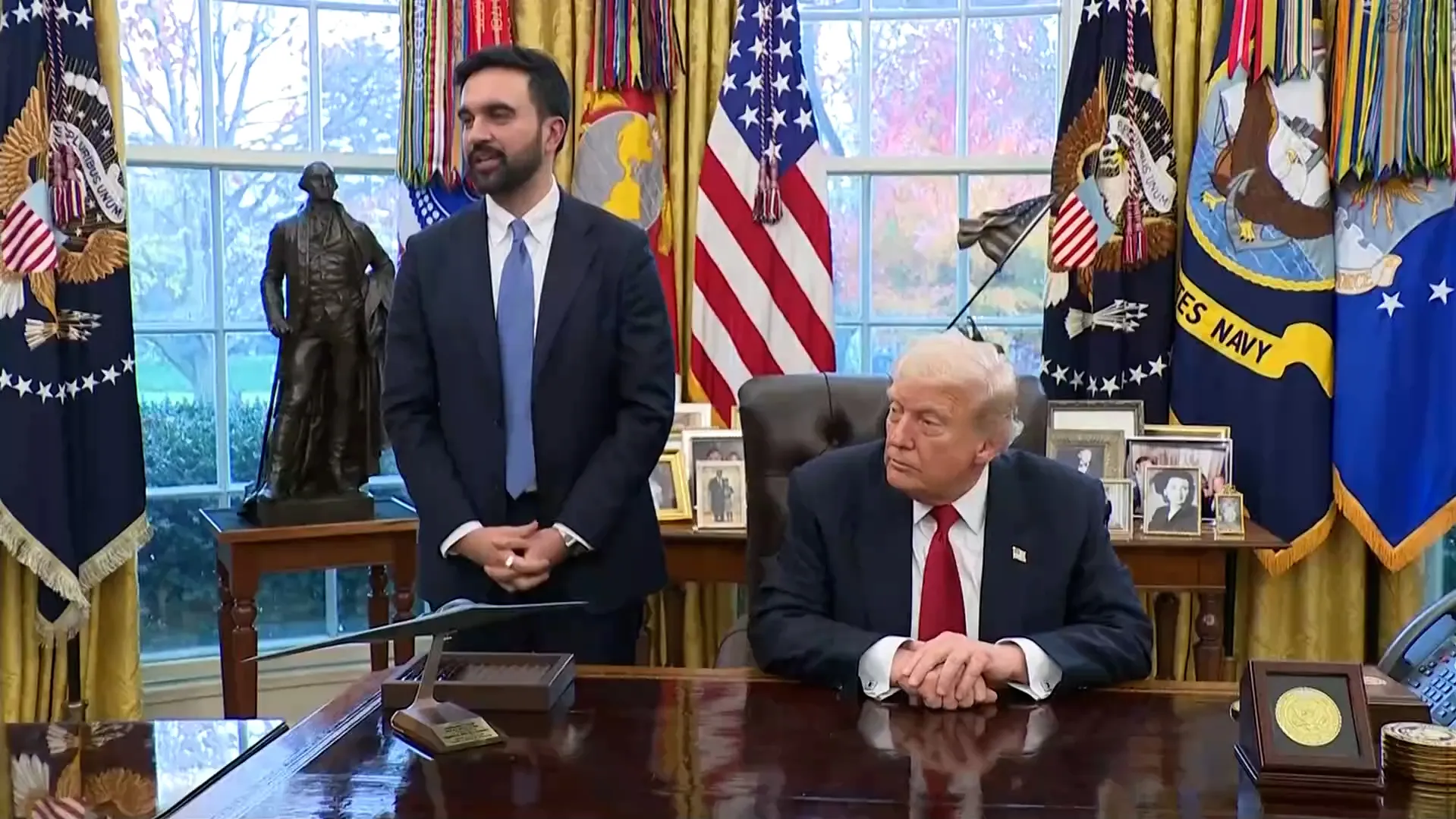
Affordable Housing: A Case Study
The issue of affordable housing provides a particularly clear example of Zohran Mamdani’s transition to the center. His initial proposals for universal rent control, while popular with tenants, faced strong opposition from landlords and real estate developers. These groups argued that rent control would disincentivize investment in new housing and lead to a decline in the quality of existing units. Recognizing the political obstacles to his initial proposals, Mamdani has shifted his focus to more targeted and nuanced solutions. He now supports a combination of policies, including:
- Expanding existing affordable housing programs like Section 8
- Providing tax incentives for developers to build affordable units
- Streamlining the permitting process for affordable housing projects
- Establishing a tenant protection fund to prevent evictions
These policies represent a compromise between the demands of tenant advocates and the concerns of the real estate industry. While they may not be as radical as his initial proposals, they are seen as more politically viable and more likely to achieve tangible results. The shift has drawn both praise and criticism. Some see it as a sign of political maturity, while others view it as a betrayal of his core principles. I overhead two people arguing about this very point in a coffee shop just yesterday! One was furious, the other seemed more understanding.
The Art of Political Navigation
Beyond specific policy changes, Zohran Mamdani’s transition to the center is also evident in his changing approach to political strategy. In his early years, he was known for his confrontational style and his willingness to challenge the political establishment. He frequently criticized moderate Democrats and even members of his own party for not being progressive enough.
However, in recent months, Mamdani has adopted a more conciliatory approach. He’s been more willing to work with moderate Democrats and even Republicans on issues where they share common ground. He’s also toned down his rhetoric and avoided making personal attacks on his political opponents. This shift in style has been interpreted by some as a sign that he’s trying to broaden his appeal and build a wider coalition of support.
“Politics is about building bridges, not burning them,” Mamdani said in a recent interview. “Sometimes you have to compromise in order to get things done.”
Building Alliances: A New Approach
One of the most notable examples of Zohran Mamdani’s new approach to political strategy is his efforts to build alliances with moderate Democrats. In the past, he was often critical of these politicians for their perceived lack of commitment to progressive values. However, in recent months, he’s been actively reaching out to them and working with them on issues like affordable housing, education, and healthcare.
This alliance-building strategy has been particularly evident in his efforts to pass legislation in the New York State Assembly. By working with moderate Democrats, he’s been able to secure the votes needed to pass bills that would have been impossible to pass on his own. This has allowed him to achieve tangible results and demonstrate his ability to deliver for his constituents. But it also raised questions about how far he was willing to compromise to achieve those results.
The Reactions: Support and Skepticism
Zohran Mamdani’s transition to the center has elicited a wide range of reactions, from enthusiastic support to deep skepticism. Some see it as a sign of political maturity and a willingness to compromise in order to achieve meaningful change. Others view it as a betrayal of his core principles and a surrender to the political establishment.
His supporters argue that Mamdani is simply adapting to the realities of governing in a diverse and often divided political landscape. They point out that he’s still fighting for progressive values, but he’s doing so in a more pragmatic and effective way. They also argue that his ability to build alliances with moderate Democrats is essential for achieving tangible results and delivering for his constituents.
“Zohran’s always been a smart guy,” said one long-time supporter. “He knows that you can’t get everything you want in politics. Sometimes you have to compromise to get things done.”
However, critics argue that Zohran Mamdani is sacrificing his principles for political expediency. They accuse him of abandoning his core values in order to broaden his appeal and advance his political career. They also argue that his alliance-building strategy is a form of collaboration with the political establishment and that it undermines the progressive movement.
“He’s selling out,” said one former supporter, who asked to remain anonymous. “He’s becoming just another politician. It’s disappointing.”
The DSA’s Perspective
The Democratic Socialists of America (DSA), the organization to which Zohran Mamdani belongs, has been particularly divided over his transition to the center. Some DSA members support his efforts to build alliances with moderate Democrats and achieve tangible results. They argue that this is a necessary part of the political process and that it allows him to advance the DSA’s agenda.
However, other DSA members are deeply skeptical of his transition. They worry that he’s becoming too close to the political establishment and that he’s compromising his socialist principles. They argue that the DSA should remain committed to its core values, even if it means sacrificing political expediency.
The internal debate within the DSA reflects the broader tensions within the progressive movement. There’s a constant tension between the desire to achieve immediate results and the commitment to long-term systemic change. Zohran Mamdani’s transition to the center has brought these tensions to the fore and forced the DSA to grapple with difficult questions about its role in the political landscape.
The Future of Zohran Mamdani
The long-term implications of Zohran Mamdani’s transition to the center remain to be seen. It’s possible that he’ll continue to move towards the center and become a more mainstream politician. It’s also possible that he’ll eventually return to his more radical roots. Or perhaps, he’ll find a way to balance his commitment to progressive values with the need to compromise and build alliances.
Whatever the future holds, Zohran Mamdani’s story is a fascinating example of the challenges and compromises inherent in contemporary politics. It raises important questions about the role of ideology in politics, the tension between principle and pragmatism, and the difficulty of navigating a complex and often divided political landscape.
His political future will likely depend on several factors:
1. His ability to maintain the support of his base: Can he convince his original supporters that his shift is strategic and not a betrayal?
2. His success in delivering results: Can he point to tangible achievements that demonstrate the effectiveness of his new approach?
3. The broader political climate: Will the political environment become more or less conducive to progressive policies?
Only time will tell how Zohran Mamdani’s political journey will unfold. But one thing is certain: his transition to the center has made him one of the most interesting and closely watched politicians in New York.
In conclusion, Zohran Mamdani’s apparent shift from a staunch socialist to a more centrist politician is a complex and multifaceted phenomenon. It involves changes in his policy positions, his political strategy, and his overall style. While it has drawn both support and skepticism, it ultimately reflects the inherent challenges and compromises of navigating the political landscape. Whether this transition is a genuine evolution or a calculated strategy remains to be seen, but it undoubtedly positions Mamdani as a key figure to watch in the future of New York politics. It’s a high-stakes game, and everyone’s watching to see what his next move will be.
Frequently Asked Questions
| Why is Zohran Mamdani shifting towards the center? | Several factors could be contributing, including the need to appeal to a broader electorate, the challenges of implementing radical policies, and a strategic decision to build alliances with moderate Democrats. |
| What are the potential benefits of this transition? | Potential benefits include increased political influence, the ability to pass more legislation, and a greater capacity to address the needs of a diverse constituency. |
| How is Mamdani implementing these changes? | He’s implementing these changes by moderating his policy positions, building alliances with moderate Democrats, and adopting a more conciliatory political style. |
| What are the challenges associated with this shift? | Challenges include alienating his original base of support, facing accusations of selling out, and navigating the internal divisions within the DSA. |
| What does the future hold for Zohran Mamdani? | His future depends on his ability to maintain support from his base, deliver tangible results, and adapt to the evolving political climate. The long-term implications of his transition remain to be seen. |
Important Notice
This FAQ section addresses the most common inquiries regarding the topic.