Square Enix Realigns: Workforce Reduction Sparks Industry Debate
Have you ever felt like the ground is shifting beneath your feet? That’s how many in the gaming industry felt when news broke about Square Enix’s recent restructuring. The company, a giant in the world of video games, announced a realignment that includes workforce reductions affecting over 100 employees. It’s a move that has everyone talking, wondering what it means for the future of this iconic developer and publisher. This article dives deep into the “Square Enix Realigns” story, exploring the reasons behind it, the potential impact, and what it all could mean for the gaming landscape. It’s not just about job losses; it’s about a strategic pivot that could reshape the company’s future.
Understanding the Fundamentals of the Square Enix Restructure
First, let’s break down what’s actually happening. Square Enix, the powerhouse behind franchises like Final Fantasy, Dragon Quest, and Kingdom Hearts, is restructuring its operations. This isn’t just a minor tweak; it’s a significant shift that involves consolidating its publishing efforts and centralizing game development primarily in Japan. The most immediate and impactful aspect of this change is the workforce reduction, which is expected to affect employees in both the US and UK offices. But why is this happening now?
Well, several factors seem to be at play. The company is aiming for greater efficiency in its publishing operations, which basically means they want to streamline how they market and distribute their games. It seems that Square Enix hopes this consolidation will lead to cost savings and a more unified global strategy. Centralizing game development in Japan suggests a strategic decision to focus core game creation within their home country. This might be due to a desire for tighter control over creative direction or simply a belief that consolidating development efforts will lead to better games, or so they hope. It’s also worth noting that the gaming industry is notoriously volatile, and companies often need to adapt to changing market conditions. Speaking of adaptations, you can check out how other studios are adapting to challenges, as seen with Escape from Tarkov’s anti-cheat measures.
Key Benefits and Advantages of the Restructuring
Okay, so what are the potential upsides of this “Square Enix Realigns” strategy? While layoffs are never good news for those affected, the company likely believes this restructuring will lead to several benefits in the long run. One potential advantage is increased efficiency. By consolidating publishing operations, Square Enix could streamline its marketing and distribution processes, reducing costs and improving time-to-market for its games. Another benefit could be improved game quality. Centralizing game development in Japan might allow for better collaboration and communication between development teams, leading to a more cohesive and polished final product. I mean, who doesn’t want that?
From a business perspective, this realignment could also make Square Enix more attractive to potential partners or even acquirers. A more streamlined and efficient company is often seen as a more valuable asset. Of course, these are just potential benefits, and the actual outcome will depend on how well Square Enix executes its restructuring plan. It’s a gamble, to be sure, but one they clearly feel is necessary. It’s a bit like Toyota’s new V8 engine; it’s not just about the immediate power, but the future potential it unlocks. Similarly, Square Enix is betting on long-term gains.
Implementation Strategies for Square Enix’s New Direction
So, how is Square Enix actually implementing this restructuring? While the company hasn’t released all the details, we can infer some of the key steps involved. First and foremost, the company is likely conducting a thorough review of its existing publishing operations, identifying areas where consolidation is possible. This could involve merging marketing teams, streamlining distribution channels, and centralizing decision-making. Then, the company is likely working to transfer game development responsibilities to its teams in Japan. This could involve relocating employees, hiring new staff in Japan, and establishing clear communication channels between teams in different locations.
Step-by-Step Approach to Workforce Transition
Let’s be honest, the human element is the toughest part. Square Enix needs to handle the workforce reduction with care and sensitivity, offering affected employees fair severance packages, outplacement services, and support in finding new jobs. This is not just a matter of ethical responsibility; it’s also crucial for maintaining the company’s reputation and attracting talent in the future. Moreover, clear communication is paramount. Square Enix needs to communicate its plans clearly and transparently to both employees and the public, explaining the reasons behind the restructuring and the potential benefits. If you’re like most people, you’ve probably heard stories of restructurings gone wrong due to poor communication. Don’t worry, we will get through this together. It is also worth noting that the company’s future direction may align with broader trends, such as the potential shift in Lexus’ performance strategy, as explored in articles about the future of Lexus performance models.
Best Practices for a Successful Transition
From my experience, successful restructurings often involve a few key best practices. First, involve employees in the process. Seek their input and feedback, and address their concerns openly and honestly. This can help to build trust and reduce resistance to change. Second, invest in training and development. Help employees acquire the skills they need to succeed in the new organizational structure. This can improve morale and productivity. Third, celebrate successes along the way. Acknowledge and reward employees who contribute to the success of the restructuring. This can help to maintain momentum and enthusiasm. These days, it’s easy to focus on the negative aspects of change, but it’s important to remember that restructuring can also create new opportunities.
Common Challenges and Solutions in Realignment
Of course, “Square Enix Realigns” won’t be without its challenges. One potential obstacle is resistance from employees who are affected by the workforce reduction. It’s natural for people to feel anxious and uncertain about their future, and some may resist the changes being implemented. Another challenge is maintaining morale and productivity among the remaining employees. Restructuring can create a sense of instability and uncertainty, which can negatively impact employee morale and productivity. Trust me, that can save you a lot of time.
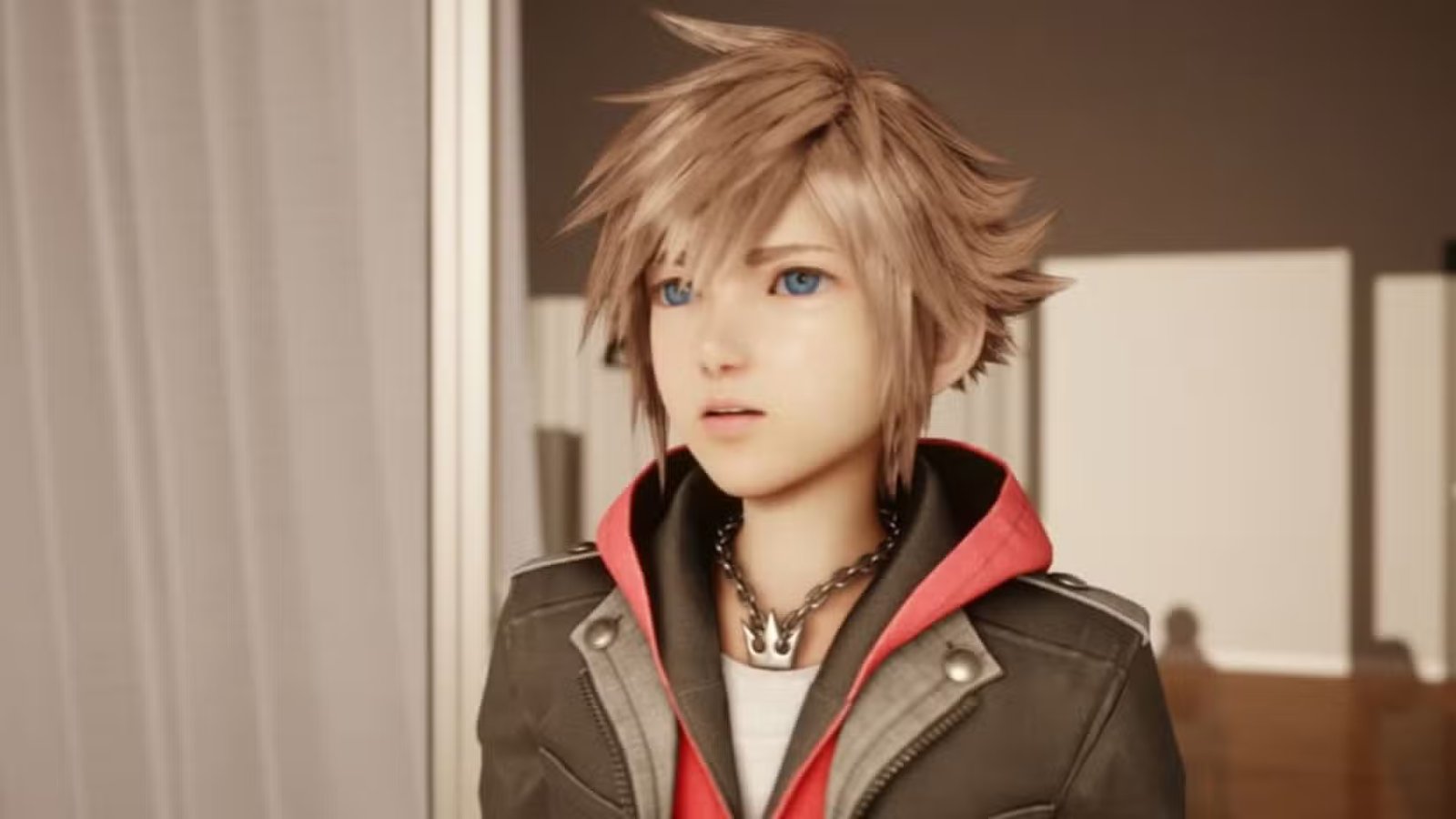
Another potential challenge is cultural differences. Centralizing game development in Japan could create cultural clashes between Japanese and Western development teams. Different cultures have different working styles and communication styles, and it’s important to bridge these differences to ensure effective collaboration. Honestly, it feels like they have a lot on their plate right now. Also, you might find parallels in other industries; for instance, the challenges faced during this restructuring are similar to those discussed in articles about team dynamics and potential trade rumors in sports.
Real-Life Applications and Examples of Successful Restructuring
To get a better sense of how Square Enix can navigate these challenges, let’s look at some real-life examples of successful restructurings. One example is IBM, which underwent a major restructuring in the 1990s to shift its focus from hardware to software and services. IBM successfully navigated this transition by investing in employee training, fostering a culture of innovation, and communicating its plans clearly and transparently. Another example is General Electric, which has undergone several restructurings in recent years to streamline its operations and focus on its core businesses. GE has successfully navigated these transitions by divesting non-core assets, reducing costs, and improving efficiency.
These examples suggest that successful restructurings require a clear vision, strong leadership, and a commitment to employee engagement. Companies that are able to communicate their plans effectively, invest in their employees, and foster a culture of innovation are more likely to succeed in their restructuring efforts. Consider how these strategies could apply to Square Enix’s current situation. To be fair, every company is different, and what works for one company may not work for another. However, the principles of clear communication, employee engagement, and a focus on innovation are universal.
Future Outlook and Trends for Square Enix
So, what does the future hold for Square Enix? It’s tough to say for sure, but a few trends seem likely. First, the company will likely continue to focus on its core franchises, such as Final Fantasy, Dragon Quest, and Kingdom Hearts. These franchises are incredibly popular and generate significant revenue, so it makes sense for Square Enix to continue investing in them. Second, the company will likely continue to explore new technologies, such as cloud gaming and blockchain. These technologies have the potential to disrupt the gaming industry, and Square Enix will want to be at the forefront of these changes.

Third, the company will likely continue to adapt to changing market conditions. The gaming industry is constantly evolving, and Square Enix will need to be flexible and adaptable to stay ahead of the curve. At the end of the day, Square Enix’s success will depend on its ability to execute its restructuring plan effectively, innovate in its game development, and adapt to changing market conditions. It’s a challenging task, but one that the company seems determined to undertake. For anyone wondering, the industry is also seeing studios experiment with new genres and gameplay styles, much like the discussions around multiplayer uprisings in the gaming community.
Conclusion: Key Takeaways and Next Steps
So, what are the key takeaways from the “Square Enix Realigns” story? First, the company is undergoing a significant restructuring that involves workforce reductions and a shift in operational strategy. Second, the company is aiming to consolidate its publishing operations and centralize game development in Japan. Third, the company faces several challenges in implementing this restructuring, including resistance from employees and cultural differences. Fourth, successful restructurings require clear communication, employee engagement, and a focus on innovation.
What’s next? Well, it’s up to Square Enix to execute its plan effectively. The company needs to communicate its plans clearly, invest in its employees, and foster a culture of innovation. If it can do these things, it has a good chance of succeeding in its restructuring efforts. What do you think? Will Square Enix be able to successfully navigate this transition? It’s a question that everyone in the gaming industry is asking. I couldn’t help but think about how this affects the entire industry, not just one company. It’s a reminder that even the biggest players need to adapt and evolve to survive. One thing is for sure: the next few years will be interesting for Square Enix and the gaming world as a whole.