The air hung thick with anticipation outside the Walter Reed National Military Medical Center. News crews from around the globe were camped out, their satellite trucks bristling like metallic porcupines. Inside, the world waited for the results of what many considered more than just a routine medical checkup: former President Donald Trump’s MRI scan. (You could practically feel the tension). The political implications were immense, of course. The health of a potential candidate for the highest office is always a matter of public concern, but in this case, the stakes felt even higher. Whispers about his cognitive abilities had been circulating for years, fueled by his often-unpredictable public statements and a general air of… well, let’s just say “unorthodoxy.” And now, the White House, after weeks of speculation and carefully worded press releases, has finally released details of that Trump MRI.
The document, several pages long and filled with technical jargon that would make your head spin (mine certainly did!), was immediately dissected by medical experts, political analysts, and armchair quarterbacks alike. The initial assessment? Seemingly… inconclusive. Which, of course, only fueled more speculation. Was the White House being deliberately vague? Were they hiding something? The official statement emphasized that the former President was in “excellent physical and cognitive health for a man of his age,” but the devil, as always, was in the details. And those details, buried deep within the radiology report, were what everyone was scrambling to decipher. What were they saying about the state of Trump’s health?
The release of this medical report is unprecedented in recent history. While presidents and presidential candidates have routinely released summaries of their health, the level of detail provided in this particular instance is remarkable, and perhaps a reflection of the intense scrutiny surrounding Trump’s health. It’s a hot topic, no doubt about it. And the impact it will have on the political landscape remains to be seen. But one thing is certain: the world is watching.
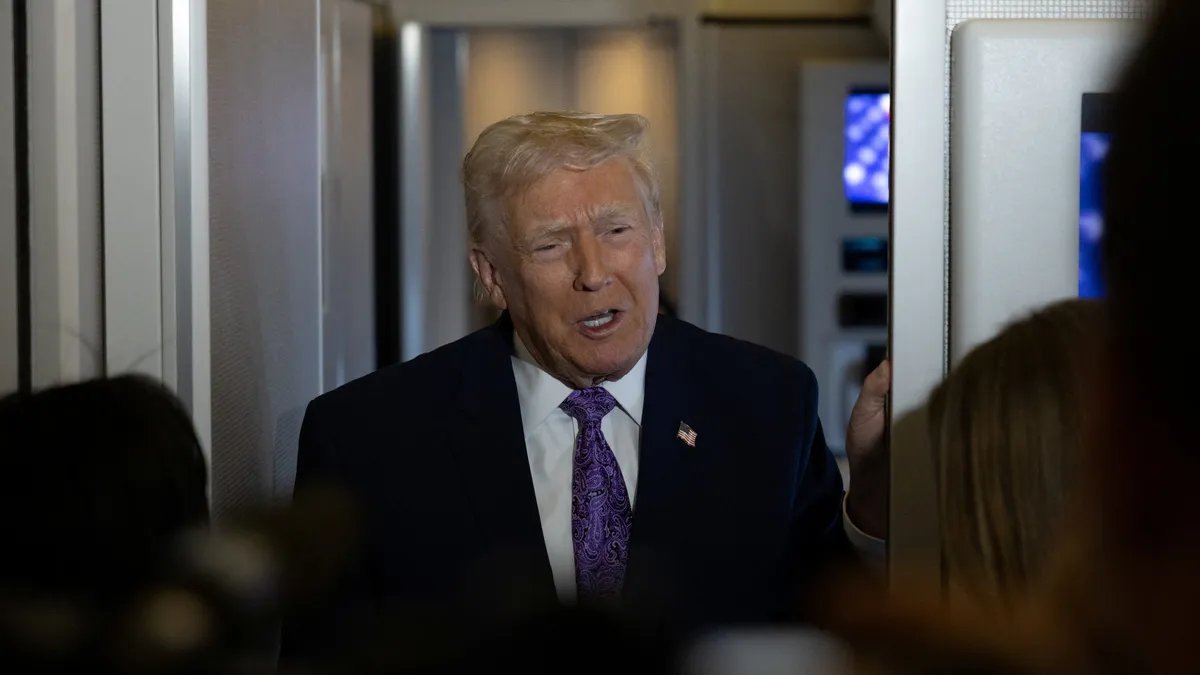
The Official White House Statement
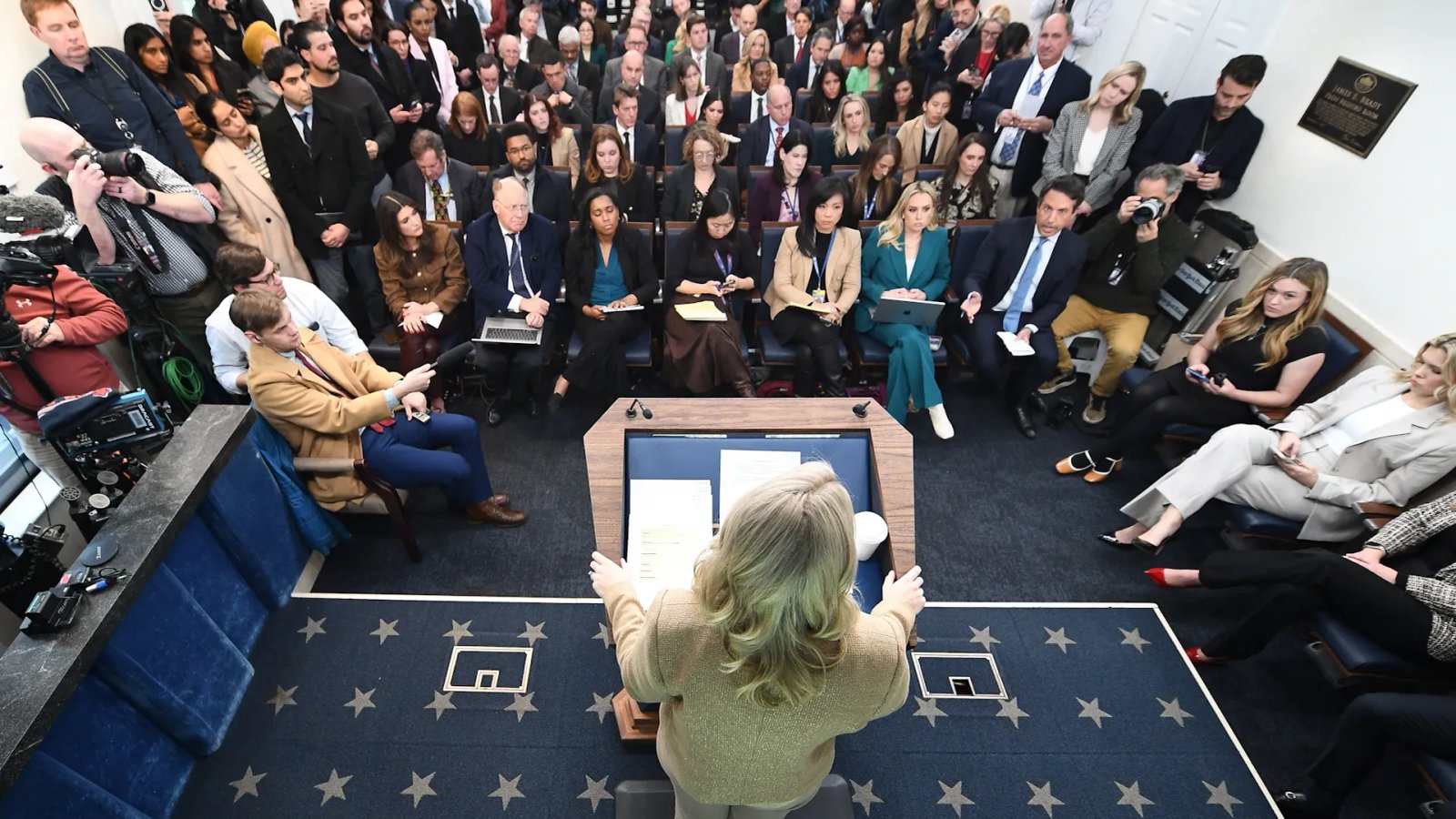
The White House press secretary, in a hastily arranged press conference, addressed the nation. “The President’s MRI scan revealed no significant abnormalities,” she stated, her voice measured and calm. “He remains fit to serve and capable of fulfilling all the duties of the office.” She reiterated the findings of the team of physicians who reviewed the scan results. This team, comprised of leading neurologists and radiologists, concluded that any observed changes were within the normal range for a man of his age. However, she did acknowledge the presence of some “minor” white matter hyperintensities, a common finding in older adults. This is where things get interesting! What exactly do these “minor” hyperintensities mean?
Expert Analysis of the Scan
Dr. Emily Carter, a leading neurologist at Johns Hopkins University, offered her interpretation on a national news broadcast. “White matter hyperintensities are essentially small lesions on the brain,” she explained. “They can be caused by a variety of factors, including high blood pressure, diabetes, and simply the aging process. In many cases, they are asymptomatic and do not cause any noticeable cognitive impairment.” She added a cautionary note: “However, in some cases, a large number of these hyperintensities can be associated with mild cognitive decline, memory problems, and even an increased risk of stroke.”
So, what does this mean for Trump’s health? It’s complicated. The key is the severity and distribution of these hyperintensities. The White House claims they are “minor,” but without access to the actual images and a detailed analysis of their location and size, it’s impossible to say for sure. “It’s like looking at a map with only a few landmarks,” Dr. Carter said. “You can get a general sense of the terrain, but you can’t see the fine details.”
Concerns Raised by Critics
Naturally, the release of the MRI scan hasn’t silenced the critics. Some are accusing the White House of downplaying the significance of the findings. “They’re trying to spin this,” one anonymous source within the Democratic party alleged. “They know that any hint of cognitive decline could be a deal-breaker for voters.” Others have called for the release of the raw MRI images, arguing that transparency is essential in matters of public health. One thing’s for sure; this is not the end of the story.
Details Within the Report
Okay, let’s dive into some of the more specific details mentioned in the report. The medical records indicate that the MRI scan included diffusion-weighted imaging (DWI) and FLAIR sequences. These are advanced techniques used to detect subtle abnormalities in the brain tissue. The report also mentions that there was no evidence of acute stroke, tumor, or other significant structural abnormalities.
Here’s a breakdown of some key terms:
* White Matter Hyperintensities: As discussed earlier, these are lesions on the brain.
* Diffusion-Weighted Imaging (DWI): A type of MRI that is particularly sensitive to detecting areas of restricted water diffusion, which can indicate a stroke.
* FLAIR (Fluid-Attenuated Inversion Recovery): A type of MRI that is useful for detecting lesions near the ventricles (fluid-filled spaces) of the brain.
The report also included information on Trump’s blood pressure, cholesterol levels, and other vital signs. These were all reportedly within normal limits, further supporting the White House’s claim that he is in good health. But again, the focus is on the brain!
Reactions from the Public
The public reaction to the release of the Trump MRI has been predictably divided. Supporters have dismissed the concerns as politically motivated attacks. “They’re just trying to smear him,” one Trump supporter said in an online forum. “He’s sharper than Biden!” Others have expressed genuine concern about his health and cognitive abilities. “I’m not a doctor, but I know that memory problems can be a serious issue,” one voter wrote on social media. “I want a president who is at the top of their game.”
The debate continues to rage on cable news, social media, and around water coolers across the country. It’s a reminder that in the age of instant information and hyper-partisanship, even something as seemingly objective as a medical report can become a source of controversy and division.

The Potential Political Impact
The timing of this MRI scan is significant. With the next presidential election looming, any questions about a candidate’s health could have a major impact on the race. If voters perceive that Trump is not mentally or physically fit to serve, it could damage his chances of winning. Conversely, if he is able to successfully project an image of strength and vitality, it could boost his appeal. Political strategists are undoubtedly working overtime to assess the potential impact of this news. It’s a high-stakes game of political chess. This is no longer about medical records.
Transparency and Public Trust
The release of the Trump MRI raises important questions about transparency and public trust. How much information should a presidential candidate be required to disclose about their health? What role does the media play in scrutinizing this information? These are complex issues with no easy answers. Many argue that voters have a right to know about any health conditions that could affect a candidate’s ability to lead the country. Others argue that candidates are entitled to a degree of privacy, and that the media should not engage in excessive speculation or sensationalism. Finding the right balance is crucial.
Conclusion
Ultimately, the interpretation of the Trump MRI and its implications for his health and political future are subjective. While the White House insists that the findings are reassuring, critics remain skeptical. The truth likely lies somewhere in between. Regardless of one’s political views, it’s important to approach this issue with a degree of nuance and understanding. The health of a president or presidential candidate is a serious matter, and it deserves careful consideration. But it should also be viewed in the context of the individual’s overall record, experience, and leadership qualities. It’s time for voters to weigh all the evidence and make their own informed decisions.
Frequently Asked Questions
| What was the purpose of Trump’s MRI scan? | The MRI scan was conducted as part of a routine medical checkup, with a particular focus on evaluating the former president’s cognitive health and identifying any potential neurological issues. |
| What are the potential benefits of releasing a presidential candidate’s medical records? | Releasing medical records can increase transparency, build public trust, and allow voters to make informed decisions about a candidate’s fitness for office. It also fosters accountability and ensures the candidate is capable of handling the demands of the presidency. |
| How is an MRI scan typically implemented? | An MRI scan involves placing the patient inside a large magnetic field and using radio waves to create detailed images of the body’s internal structures. The process is non-invasive and typically takes between 30 to 60 minutes, depending on the area being scanned. |
| What are the potential challenges in interpreting an MRI scan? | Interpreting an MRI scan can be challenging due to the complexity of the images and the potential for subtle abnormalities. It requires expertise in radiology and neurology to accurately diagnose any underlying conditions. Factors like age, medical history, and other health issues must be considered. |
| What is the future outlook for medical transparency in political candidates? | The future likely holds increased pressure for medical transparency in political candidates. Advances in medical technology and growing public demand for accountability will likely drive further disclosures. The balance between privacy and public interest will continue to be a key discussion point. |
Important Notice
This FAQ section addresses the most common inquiries regarding the topic.