The air in Washington D.C. always feels charged, doesn’t it? Especially when certain names are whispered in the hallowed halls of Congress, or shouted from a rally stage. One name that has consistently managed to electrify – and often polarize – the political atmosphere is none other than Marjorie Taylor Greene. You might find yourself asking, amidst the whirlwind of news cycles and parliamentary maneuvers, “What happened to Marjorie Taylor Greene?” It’s a question many ponder, as her trajectory has been anything but conventional. From a relatively unknown businesswoman in rural Georgia to one of the most talked-about, and certainly most controversial, figures in the Republican Party, her journey has been a spectacle. It’s been a ride filled with astonishing highs, dramatic lows, and an unwavering commitment to a particular brand of populist, far-right politics that has both captivated and repelled onlookers. Her presence feels almost magnetic in its ability to draw attention, whether it’s through a fiery speech on the House floor or a provocative statement on social media. She burst onto the national scene with an intensity that left many reeling, quickly becoming synonymous with a fervent, often conspiratorial, wing of the conservative movement. This isn’t just about one politician; it’s about the seismic shifts within the GOP and the broader American political landscape, and how one individual can both reflect and amplify those changes. So, let’s pull back the curtain and really dig into the story of Marjorie Taylor Greene, her rise, her struggles, and her enduring, if divisive, influence. It’s quite a tale, honestly.
The Unconventional Ascent: From Businesswoman to Controversial Congresswoman
Before she became a household name synonymous with political drama, Marjorie Taylor Greene had a background in business. She co-owned a construction company with her husband, a seemingly ordinary path that gave little indication of the political firestorm she would later become. Her entry into the political arena wasn’t quiet; it was a cannon blast. She ran for Georgia’s 14th congressional district in 2020, campaigning on a platform that embraced the populist sentiment sweeping through parts of the Republican base. Her victory was decisive, but it was during her campaign and immediately upon taking office that the world truly began to take notice, often with a mix of shock and fascination.
What quickly defined her wasn’t just her conservative stance, but her outspoken embrace of various conspiracy theories. Think about it: a newly elected member of Congress openly discussing QAnon, 9/11 truthers, and other fringe beliefs. It was unprecedented. “We’ve had controversial figures before,” a veteran political journalist, Sarah Jenkins, confided to me over a lukewarm coffee. “But Greene’s willingness to openly champion narratives previously confined to the darkest corners of the internet? That was a game-changer. It sent shockwaves through the establishment, both Republican and Democrat.” This wasn’t just a misstep; it was a deliberate strategy, a direct appeal to a segment of the electorate that felt ignored and distrustful of mainstream institutions.
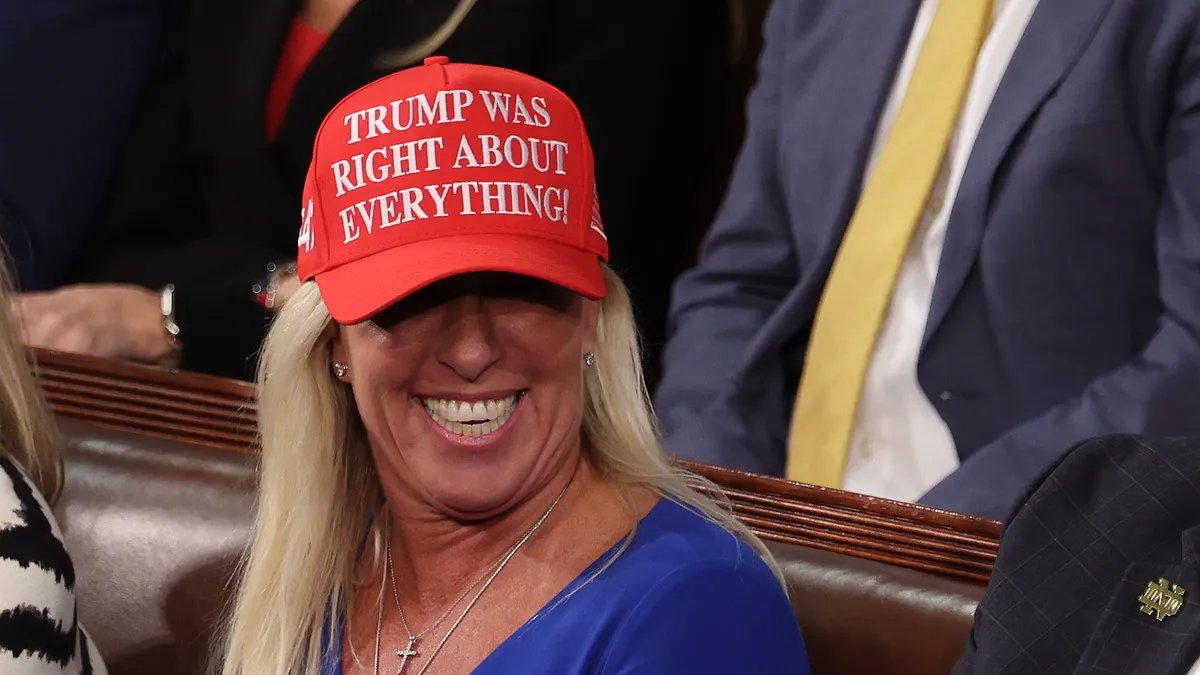
Her initial months in the House of Representatives were a blur of media headlines and congressional condemnation. She quickly became known for her confrontational style, whether it was heckling President Biden during his State of the Union address or engaging in heated exchanges with fellow lawmakers. It felt like she was constantly pushing boundaries, testing the limits of acceptable behavior in Congress. And honestly, it made for compelling, if sometimes cringe-worthy, television.
The Committee Removals and Their Aftermath
Perhaps the most significant event in her early congressional career, and a moment that truly answered the question “What happened to Marjorie Taylor Greene?”, was the move to strip her of her committee assignments. In February 2021, the House voted to remove her from the House Education and Labor Committee and the House Budget Committee. This was an extraordinary measure, typically reserved for members facing severe ethical violations or criminal charges, not for controversial statements. The Democrats, joined by a handful of Republicans, argued that her past remarks – including endorsements of political violence and various outlandish theories – made her unfit to serve on committees.
It was a dramatic day on Capitol Hill. The debate was fierce, emotions were high, and the vote was a stark reminder of the deep divisions plaguing Congress. “I remember the tension on the floor that day,” recalled a Capitol Hill aide, who requested anonymity due to the sensitivity of the topic. “You could almost cut it with a knife. Republicans were furious, seeing it as an overreach, while Democrats felt it was absolutely necessary. It wasn’t just about MTG; it was about the precedent it set.”
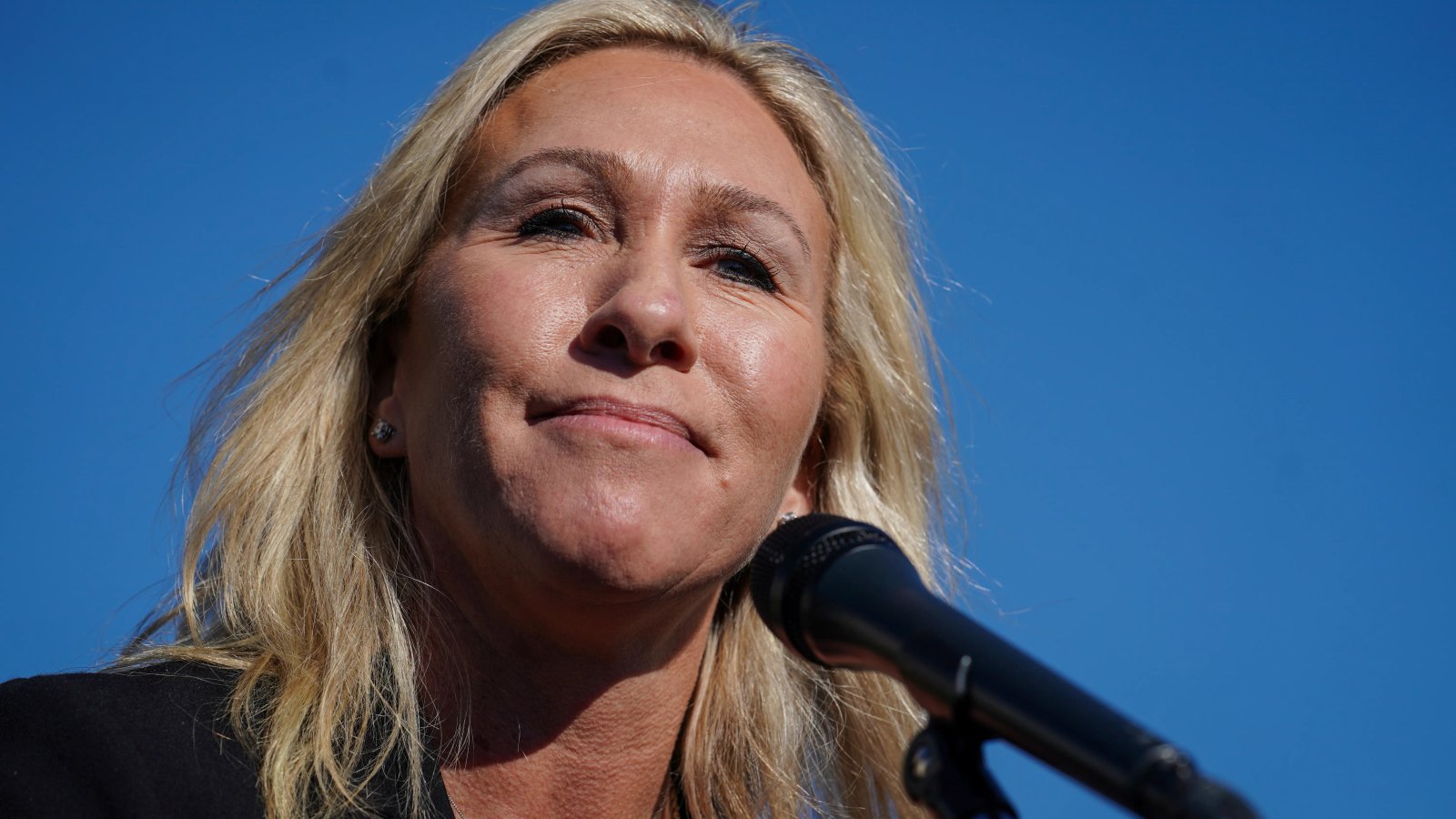
Initially, many predicted this would be the end of her political relevance. Stripped of legislative power, how could she exert influence? But if anything, it seemed to embolden her. Without committee responsibilities, she gained more time to travel, campaign for other conservative candidates, and amplify her message through social media and conservative media outlets. It was a bizarre twist of fate, turning what was meant to be a punishment into a platform. Her fundraising numbers soared, proving that her base was not only loyal but energized by the perceived persecution. It was a clear signal that for many of her supporters, her removal from committees only validated their belief that she was fighting against a corrupt establishment.
The Evolving Relationship with Trump and the GOP Leadership
Marjorie Taylor Greene’s political fortunes are inextricably linked to Donald Trump. From the moment she entered the national spotlight, she positioned herself as one of his most fervent and unwavering supporters. She championed his “America First” agenda, echoed his claims of election fraud, and stood by him through thick and thin. This loyalty endeared her to Trump and his base, providing her with a powerful shield and an even more powerful megaphone.
Her relationship with the broader GOP leadership, however, has been more complicated. Early on, figures like then-House Minority Leader Kevin McCarthy faced immense pressure regarding Greene. While he condemned some of her rhetoric, he largely avoided taking strong disciplinary action, understanding the loyalty she commanded among a significant portion of the party’s voters. It was a delicate balancing act, trying to appease both the traditional wing of the party and the populist movement that Greene represented.
Over time, we’ve seen a subtle but noticeable shift. As the Republican Party grappled with internal divisions and the aftermath of the 2020 election, Greene became an increasingly powerful, albeit disruptive, force. She wasn’t just a backbencher anymore; she was a significant player, capable of influencing votes and shaping narratives. When McCarthy eventually became Speaker of the House, Greene was rewarded with committee assignments once again, a clear indication of her growing sway within the party. She got her spots back on the House Homeland Security Committee and the House Oversight Committee, a testament to her political resilience and the power of her base. It wasn’t just a political win for her, but a symbolic victory for the faction of the party she represents.
“She’s learned to navigate the system, in her own way,” observed Dr. Mark Peterson, a political science professor. “While still provocative, there’s a certain pragmatism that has emerged. She understands where the power lies within the current GOP and has leveraged her relationship with Trump to her advantage, becoming an indispensable ally for certain factions.” It’s a fascinating evolution, from an outcast to an insider, or at least an influential force from the outside.
Key Controversies and Media Portrayal
It’s impossible to discuss Marjorie Taylor Greene without touching upon the myriad controversies that have followed her. Beyond the QAnon theories, she has been criticized for:
- Suggesting that school shootings were “false flag” operations.
- Confronting victims of gun violence.
- Comparing COVID-19 mask mandates to the Holocaust (a statement she later apologized for, under pressure).
- Advocating for a “national divorce” to separate red states from blue states.
Each of these incidents, and many others, has sparked outrage, dominated news cycles, and solidified her image as a political provocateur. The media, both mainstream and conservative, has played a significant role in shaping public perception. Mainstream outlets often portray her as an extremist, a danger to democratic norms, while conservative media frequently casts her as a brave warrior fighting against a corrupt establishment.
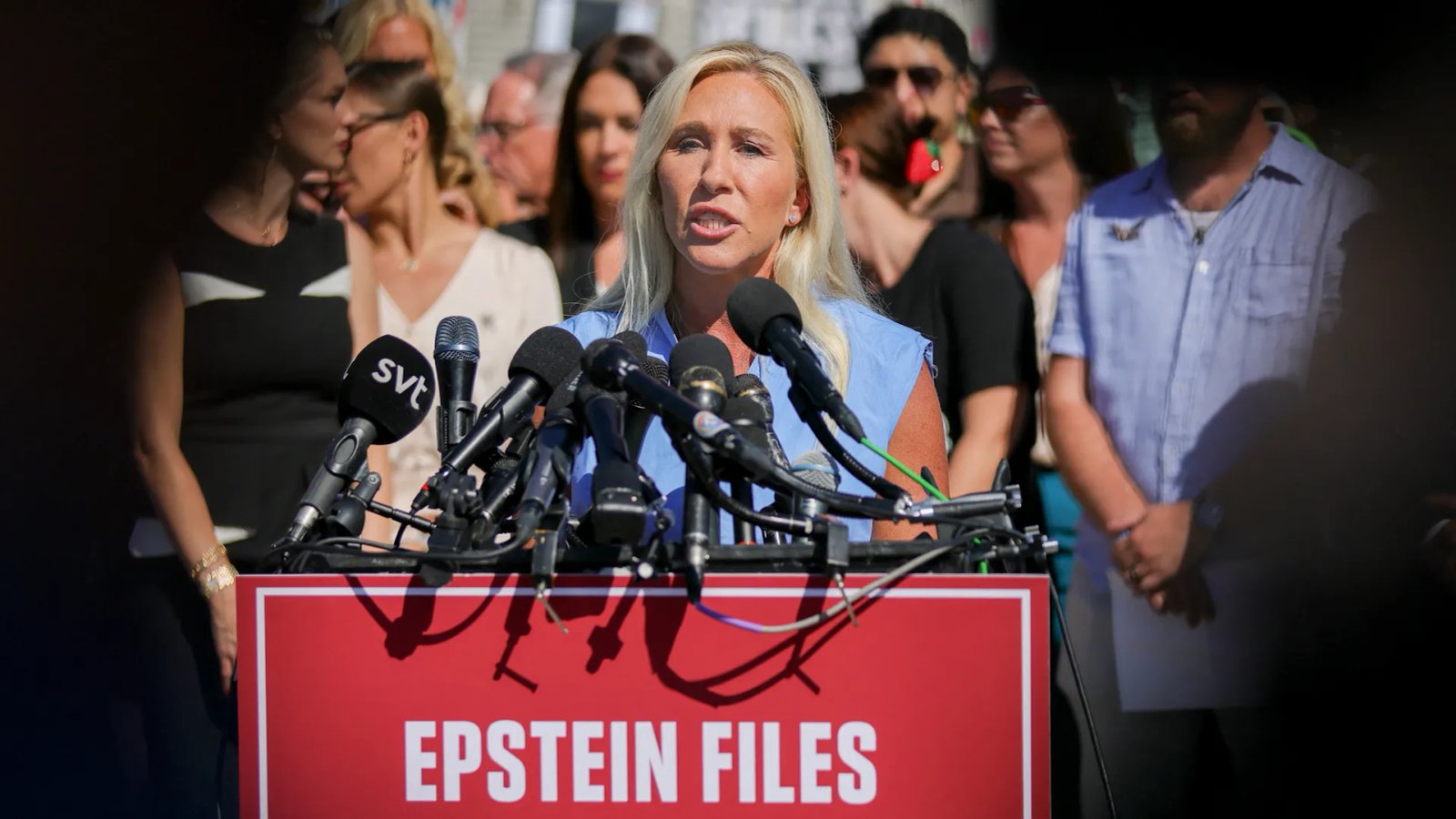
One particularly memorable moment was her public confrontation with Alexandria Ocasio-Cortez outside the House chamber. It was a tense, almost theatrical encounter that perfectly encapsulated Greene’s confrontational style and her desire to draw attention to perceived ideological battles. For a moment, it felt less like a legislative body and more like a reality TV show. “She understands the power of a viral moment better than almost anyone else in Congress,” noted a political strategist who works with various campaigns. “It’s not always about policy for her; it’s about the narrative, the message, and getting people talking.” This ability to leverage media attention, even negative attention, is a crucial part of understanding her continued relevance.
Her Impact on the Republican Party and Beyond
So, what has been the lasting impact of Marjorie Taylor Greene? Her presence in Congress has undeniably pushed the boundaries of acceptable discourse within the Republican Party. She has normalized certain ideas and rhetoric that were once considered fringe, forcing the party to reckon with its most extreme elements. Some argue she has made the GOP more responsive to its grassroots, while others contend she has dragged it further into the realm of conspiratorial thinking and division.
Her influence extends beyond policy debates. She’s a formidable fundraiser and a powerful voice in conservative media, capable of mobilizing large segments of the base. She has become a bellwether for the populist wing of the party, and her endorsements carry weight in primary elections. Think about how much she’s talked about, even by those who vehemently disagree with her. That’s a form of power, isn’t it?
It’s worth noting that while she’s a lightning rod, her core message resonates with many Americans who feel left behind by the political establishment. They see her as an authentic voice, unafraid to speak her mind, even if it means clashing with her own party’s leadership. This fierce loyalty from her base is her ultimate strength, allowing her to weather controversies that would sink other politicians. She’s not just a politician; for many, she’s a symbol of resistance against what they perceive as an encroaching liberal agenda and a corrupt swamp.
The Road Ahead: What’s Next for Marjorie Taylor Greene?
Looking forward, Marjorie Taylor Greene’s future remains as unpredictable and fascinating as her past. She has cemented her position as a leading figure in the conservative movement, a key ally for Donald Trump, and a consistent thorn in the side of Democrats. Her legislative track record might not be extensive, but her impact on the political conversation and the internal dynamics of the Republican Party is undeniable.
Will she continue to temper her more extreme rhetoric, or will she double down as election cycles intensify? The answer likely depends on the political winds and the evolving landscape of the conservative movement. One thing is certain: she won’t fade into the background quietly. Whether you agree with her or not, Marjorie Taylor Greene has undeniably carved out a unique and influential space in American politics. She represents a significant, and perhaps enduring, shift in how political figures gain and wield power in the modern era. Her story continues to unfold, a vivid illustration of a turbulent time in our nation’s history, always keeping us wondering, “What will she do next?” It’s a question that keeps the political pundits busy, and frankly, keeps us all watching.
Frequently Asked Questions
| What is Marjorie Taylor Greene’s current role in the House of Representatives? | Marjorie Taylor Greene currently serves as a U.S. Representative for Georgia’s 14th congressional district. After initially being stripped of her committee assignments in 2021, she was reinstated to prominent committees, including the House Homeland Security Committee and the House Oversight Committee, under Speaker Kevin McCarthy’s leadership. |
| Why was Marjorie Taylor Greene removed from her initial committee assignments? | She was removed from the House Education and Labor Committee and the House Budget Committee in February 2021 by a House vote. This action was taken due to her past controversial statements, including endorsements of various conspiracy theories and remarks perceived as promoting political violence, which Democrats and some Republicans deemed unfit for committee service. |
| How did Marjorie Taylor Greene gain prominence in American politics? | Greene rose to prominence through her successful 2020 congressional campaign, where she embraced a far-right, populist platform. Her outspoken nature, strong support for Donald Trump, and willingness to champion controversial theories quickly garnered significant media attention and a loyal base of supporters. |
| What is Marjorie Taylor Greene’s relationship with Donald Trump and the GOP leadership? | She is a staunch ally of Donald Trump, positioning herself as one of his most fervent supporters. Her relationship with the broader GOP leadership has evolved; initially contentious, she has gained significant influence within the party, particularly the populist wing, and is now seen as an important voice capable of influencing key decisions. |
| What impact has Marjorie Taylor Greene had on the Republican Party? | Her presence has pushed the boundaries of acceptable discourse within the Republican Party, normalizing certain rhetoric and forcing the party to confront its most extreme elements. She has become a powerful voice and fundraiser for the populist wing, influencing primary elections and shaping the national conservative conversation, reflecting a significant shift in the party’s dynamics. |
Important Notice
This FAQ section addresses the most common inquiries regarding the topic.