Imagine waking up one crisp January morning, the calendar flipping to a new year, and realizing that your next paycheck, the one you absolutely depend on for rent, groceries, and perhaps childcare, simply won’t arrive. That’s precisely the chilling reality for hundreds of thousands of Americans during the longest government shutdown in U.S. history, stretching from December 22, 2018, to January 25, 2019. It wasn’t just a political squabble playing out on cable news; it was a deeply personal crisis unfolding in homes across the nation. For 35 agonizing days, federal employees, along with countless contractors and businesses reliant on government operations, found their lives thrown into a terrifying state of limbo. (Can you even begin to picture that anxiety?) The personal impact was immediate and devastating for many, forcing ordinary people to make impossible choices. This wasn’t a hypothetical exercise; it was real families staring down empty refrigerators and looming eviction notices, wondering how they would ever catch up. The ripple effect of this congressional impasse touched every corner of society, highlighting just how interconnected our lives truly are with the stability of government functions. It was a stark, brutal lesson in economic vulnerability for a huge segment of the population, leaving a lasting mark on their sense of security and trust.
The air hung heavy with a palpable mix of frustration and disbelief as the days ticked by, each one a stark reminder that the stalemate in Washington D.C. directly translated into tangible hardship on Main Street. People weren’t just concerned; they were genuinely scared. We often hear about political gridlock, but this shutdown brought it home with a vengeance, illustrating in vivid detail what happens when policy debates directly cut off the livelihoods of millions. (It’s enough to make your stomach clench, isn’t it?) The stories began to emerge, one after another, painting a grim picture of widespread financial strain. This wasn’t about missing a fancy dinner out; this was about missing rent, utility payments, and the money needed to put food on the table for their children. The daily life of so many was upended, revealing the fragile threads that hold our economic stability together, threads that, for over a month, were severely frayed, if not outright severed, for a significant portion of the American populace.
As the shutdown dragged on, the initial shock gave way to a grinding, exhausting routine of uncertainty. Federal workers, deemed “non-essential,” were furloughed, while “essential” personnel, like TSA agents and Coast Guard members, were forced to work without pay, holding their breath for a resolution that seemed perpetually out of reach. Can you imagine the sheer injustice of performing critical, often stressful, duties with the knowledge that your efforts aren’t being compensated? The psychological toll was immense. “It felt like we were pawns in a very cruel game,” one furloughed EPA employee, Sarah Miller from Maryland, recalled later. “Every morning, I’d check the news, hoping for a breakthrough, dreading another day of financial freefall.” This wasn’t merely about a few missed paychecks; it was about the erosion of trust, the feeling of being disposable, and the profound stress that comes with an unknown, financially unstable future. It was a period that truly tested the resilience of individuals and communities alike, laying bare the profound human cost of political brinkmanship.
The Immediate Financial Blow: When Paychecks Stopped Arriving
For nearly 800,000 federal employees, the most immediate and terrifying consequence of the government shutdown was the cessation of their regular paychecks. Imagine your direct deposit simply not hitting your bank account, not for a day or two, but for weeks on end. It’s a sudden, jarring halt to what most people consider a fundamental stability in life. Many federal workers, like countless Americans, live paycheck to paycheck, their budgets carefully balanced to cover mortgages, car payments, and everyday expenses. When that income stream abruptly dried up, the domino effect was swift and brutal. “We had just bought a new house, and our savings were practically gone,” shared Robert Chen, a Coast Guard veteran working for the Department of Homeland Security in Virginia. “Suddenly, we were looking at potentially missing our first mortgage payment. The shame, the fear… it was overwhelming.”
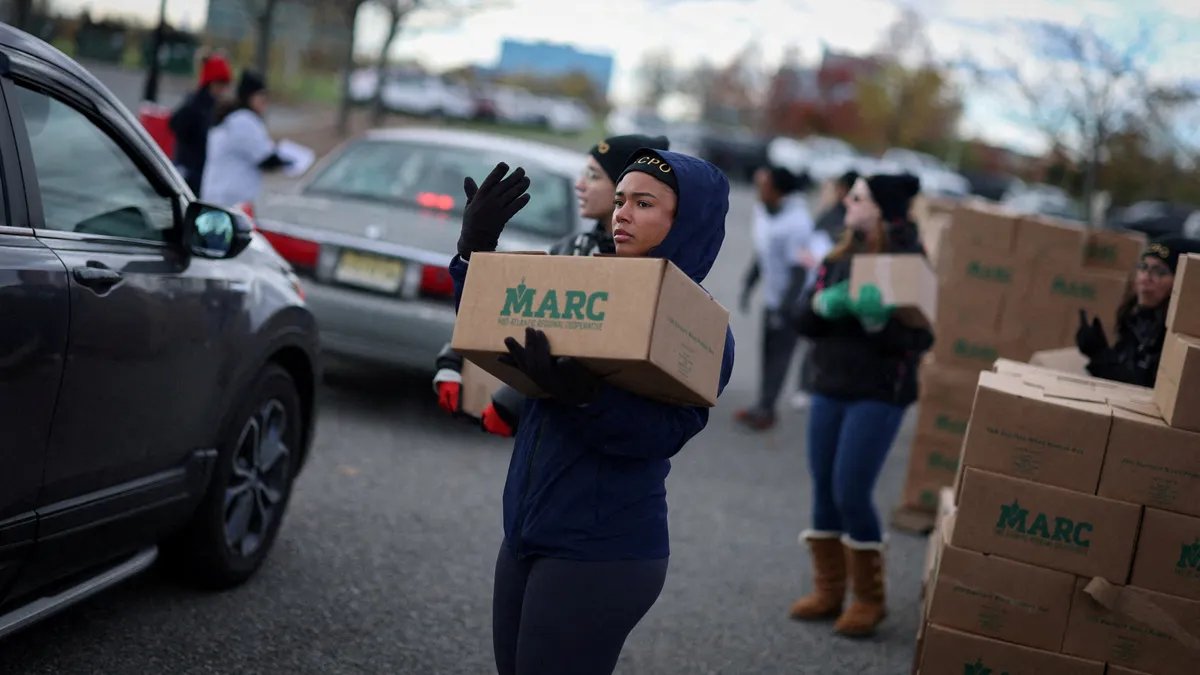
This wasn’t just about high-earners tightening their belts. Many federal positions, especially at lower pay grades or in entry-level roles, don’t offer extravagant salaries. These are often people serving in vital, though perhaps less visible, capacities. They were forced to make agonizing decisions: Which bill to pay? Can we afford groceries this week? Should I pull my child out of after-school care? Food banks across the country saw a dramatic surge in demand, with many specifically setting up services for federal workers. Local businesses, especially those near government hubs, began offering credit or special discounts, a testament to both their generosity and the widespread nature of the crisis. It really makes you think about how quickly our modern financial systems can buckle under such pressure, doesn’t it?
Beyond Paychecks: The Ripple Effect on Contractors and Communities
While federal employees bore the direct brunt of the missed paychecks, the personal impact of the shutdown extended far beyond their ranks. The government relies heavily on private contractors for a vast array of services, from IT support to building maintenance. Unlike furloughed federal employees, these contractors often have no guarantee of back pay once the government reopens. This meant that thousands more individuals, working for private companies, found themselves out of work or with significantly reduced hours, facing an even more precarious future. “My entire business is built on government contracts,” said Maria Rodriguez, who runs a small catering company in Washington D.C. “Suddenly, all our bookings for agency meetings, events, everything, just vanished. We had to lay off staff. It wasn’t just my family struggling; it was the families of my employees too.”
Communities dependent on federal operations felt the pinch keenly. Towns surrounding military bases, national parks, or large federal agency campuses saw local businesses suffer as federal workers tightened their spending or left town entirely. Restaurants, retail shops, and service providers experienced a sharp decline in revenue. The economic uncertainty became a cloud hanging over entire regions. It was a stark illustration of how deeply integrated the federal government is into the economic fabric of the nation, even for those who don’t directly work for it. This was a crisis that truly showed how connected we all are, for better or worse.
Essential Services on Hold: Public Impact and Safety Concerns
The term “shutdown” implies a complete halt, but many “essential services” continued, albeit with significant strain. Think about the Transportation Security Administration (TSA) agents, air traffic controllers, and Coast Guard personnel. They were deemed essential, meaning they had to keep working, securing our airports and waterways, all without knowing when their next payment would arrive. This created immense stress and potential safety concerns. Reports emerged of increased sick calls among TSA agents, leading to longer lines and operational challenges at airports. (One can only imagine the pressure they were under.)
Beyond security, other critical functions were stalled. The IRS ceased many operations during tax season, delaying refunds for millions of Americans. National parks, typically bustling with visitors, saw reduced staffing, leading to sanitation issues and safety hazards in some areas. Food safety inspections were scaled back, raising public health concerns. The processing of housing loans, small business loans, and even some veteran benefits experienced significant delays. It wasn’t just about federal workers’ pay; it was about the basic functioning of a society that relies on countless government services, often invisibly, until they’re suddenly gone or faltering.
The Invisible Burden: Emotional and Mental Toll
Beyond the tangible financial losses, the longest government shutdown inflicted a profound mental health burden on many Americans. The constant stress of not knowing when the next paycheck would arrive, coupled with the frustration of being caught in a political battle, took a severe toll. For furloughed workers, the feeling of helplessness and loss of purpose was significant. “I felt completely devalued,” explained a former park ranger from Utah, who wished to remain anonymous. “My job protecting our national treasures, ensuring public safety… it suddenly meant nothing to them. It made me question my entire career path.”
The uncertainty fueled anxiety, depression, and strain on family relationships. Parents struggled to explain to their children why there were no funds for school trips or birthday presents. Spouses argued over dwindling savings and mounting bills. The constant news cycle, reporting on the political deadlock, only intensified these feelings, making people feel like their personal suffering was being dismissed or used as leverage. This invisible burden, the emotional weight of living through such an unprecedented period of instability, arguably left scars that ran deeper than any temporary financial setback. It’s a reminder that economic stability isn’t just about money; it’s deeply intertwined with our sense of security and well-being.
Community Response and Resilience: A Beacon in the Storm
Amidst the widespread struggle, a remarkable spirit of resilience and community support emerged. Across the nation, individuals, non-profits, and local businesses stepped up to help their neighbors. Food banks, often operating on shoestring budgets themselves, organized special drives for federal employees. Restaurants offered free meals. Credit unions and banks provided low-interest loans or deferred payments. “We saw people coming together in ways I’ve never witnessed before,” remarked Pastor David Lee of a church in Maryland, whose congregation organized a grocery distribution event. “It was heartbreaking to see so many in need, but incredibly inspiring to see so many willing to give.”
This outpouring of support was a crucial lifeline for many, providing not just material aid but also a much-needed sense of solidarity and hope. It highlighted the strength of local communities and the American spirit of looking out for one another when official systems fail. While it couldn’t fully mitigate the deep financial and emotional wounds, it offered a powerful counter-narrative to the political deadlock, reminding everyone that empathy and compassion still thrive, even in the toughest of times. These acts of kindness served as a vital emotional buffer, preventing an already dire situation from spiraling into total despair for many vulnerable families.
Long-Term Scars and Lessons Learned
When the government shutdown finally ended after 35 days, the immediate relief was palpable, but for many, the experience left lasting scars. While most furloughed federal employees eventually received back pay, the financial damage for some was irreversible. Savings accounts were depleted, credit scores took hits, and debts accumulated. The psychological impact, the erosion of trust in the government as a reliable employer, and the lingering fear of future shutdowns remained. “I loved my job, but after that, I started looking for other options,” admitted a former FDA scientist. “I couldn’t put my family through that again. The security I thought I had, it was gone.”
The longest shutdown served as a harsh lesson for the nation. It underscored the extreme vulnerability of individuals and the broader economy to political disagreements. It prompted many to reconsider their emergency savings strategies and to advocate more vocally for stable governance. For policymakers, it was a stark reminder of the profound personal impact their decisions have on the lives of everyday Americans. The hope is that the lessons learned from this painful episode will lead to a greater commitment to preventing such a crisis from ever recurring, ensuring that the stability of our nation isn’t held hostage by partisan divides.
The experience of the longest government shutdown was a crucible for countless Americans, testing their financial resilience, emotional fortitude, and trust in their government. It was a period defined by raw anxiety, difficult choices, and an unexpected outpouring of community support. While the immediate crisis passed, the memories and the lessons gleaned from those 35 days continue to resonate. It’s a powerful reminder that behind every headline and political debate, there are real people, with real lives, profoundly affected by the decisions made in the halls of power. It prompts us to consider, deeply, the human cost of political impasse and to strive for a future where such personal hardships are never again the unintended consequence of governance.
Frequently Asked Questions
| What was the personal impact on Americans during the longest government shutdown? | The longest government shutdown caused severe financial strain, emotional distress, and disrupted essential services for federal employees and the broader public, impacting daily life and mental well-being across the nation. |
| Were there any unexpected positive outcomes or lessons learned from the shutdown? | While primarily negative, the shutdown highlighted the resilience of communities, spurred innovation in support networks, and underscored the critical importance of emergency savings and stable governance for many individuals and families. |
| How did federal employees cope with the lack of paychecks during the shutdown? | Federal employees resorted to various strategies, including dipping into savings, taking on temporary jobs, relying on food banks and community aid, deferring bills, and borrowing money to cover essential expenses and keep their families afloat. |
| What were the most significant challenges faced by Americans outside of direct federal employment? | Non-federal Americans faced challenges like disruptions to services (e.g., TSA, IRS, national parks), economic slowdowns affecting local businesses reliant on government activity, and significant uncertainty for contractors whose work was tied to federal operations. |
| What long-term effects might the longest government shutdown have on federal workers and public trust? | The shutdown may have contributed to decreased morale among federal workers, encouraged some to leave public service for more stable employment, and potentially eroded public trust in the stability and reliability of government operations and political leadership. |
Important Notice
This FAQ section addresses the most common inquiries regarding the topic.