Can Democrats Win Back Virginia’s Small Towns?
It’s no secret that the Democratic Party has faced challenges in recent years, particularly in connecting with voters in small-town America. After the 2024 elections, many are asking: what went wrong, and how can the party regain lost ground? To find some answers, let’s head to Virginia, where the voices of small-town voters offer critical insights into what ails the Democratic Party and what it might take to win them back. This isn’t just about politics; it’s about understanding the real concerns of everyday Americans and how those concerns translate into votes. It seems that the key to a party’s success often lies in its ability to listen and adapt.
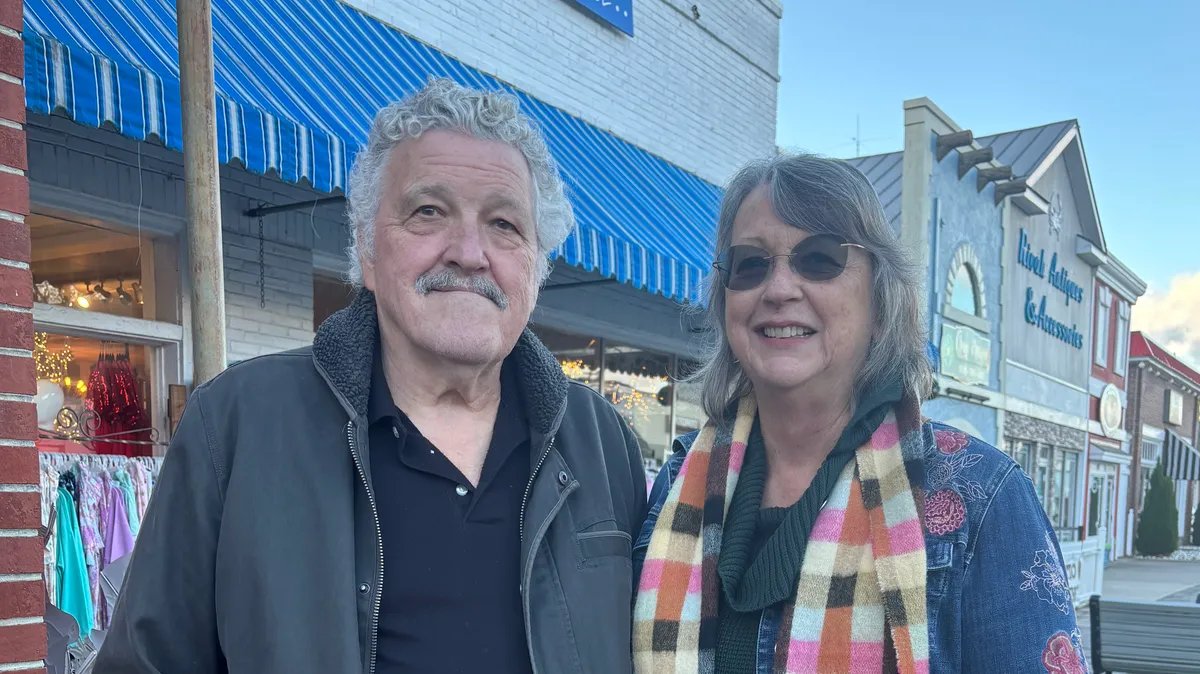
Understanding the Fundamentals: The Shifting Political Landscape
To really get a handle on whether Democrats can win back Virginia’s small towns, we need to understand why some voters, who once leaned Democratic, have shifted their allegiance. It’s not always about a complete rejection of Democratic ideals, but more often about feeling left behind or unheard. The truth is, the Democratic Party, once a stalwart of the working class, is now often perceived as out of touch with the everyday realities of small-town America. Are these perceptions fair? Maybe, maybe not. But perceptions matter, especially in politics. This shift matters because small towns, while smaller in population individually, collectively hold significant sway in state and national elections. Ignoring their concerns is a recipe for continued electoral struggles. It feels like Democrats need to re-evaluate their strategy to resonate with these crucial voters.
Take Kilmarnock, Virginia, for example. This town, with its population of around 1,400, lies in Lancaster County, a traditionally Republican stronghold. However, the area is seeing an influx of new residents from more liberal areas, potentially shifting the political landscape. But even with these demographic changes, winning over long-time residents remains a challenge for Democrats. It’s kind of funny how a small town can hold such big implications. Honestly, it’s a microcosm of the larger national challenge.
The core concepts at play here involve understanding the nuances of rural and small-town values. These communities often prioritize things like community ties, traditional values, and economic stability tied to local industries. The Democratic Party, with its increasing focus on social issues and urban priorities, sometimes struggles to bridge this gap. It seems that a one-size-fits-all approach simply doesn’t work anymore. The party needs to tailor its message to address the specific concerns of each community.
Why does this matter today? Well, for starters, elections are won and lost on the margins. Small towns, often overlooked, can provide that crucial margin. Moreover, understanding the needs and concerns of these communities is essential for effective governance. Policies that ignore the realities of small-town life can have unintended consequences, further alienating voters. For anyone wondering, this isn’t just about winning elections; it’s about building a more inclusive and representative democracy.
Key Benefits and Advantages of Reconnecting
What are the practical benefits if Democrats can actually reconnect with small-town Virginia? First and foremost, it translates to electoral victories. Winning back these voters increases the party’s chances of success in state and national elections. But it’s more than just winning. It brings diverse perspectives to the table, leading to more balanced and effective policies. Think about it: when all voices are heard, the government is more likely to address the needs of all citizens.
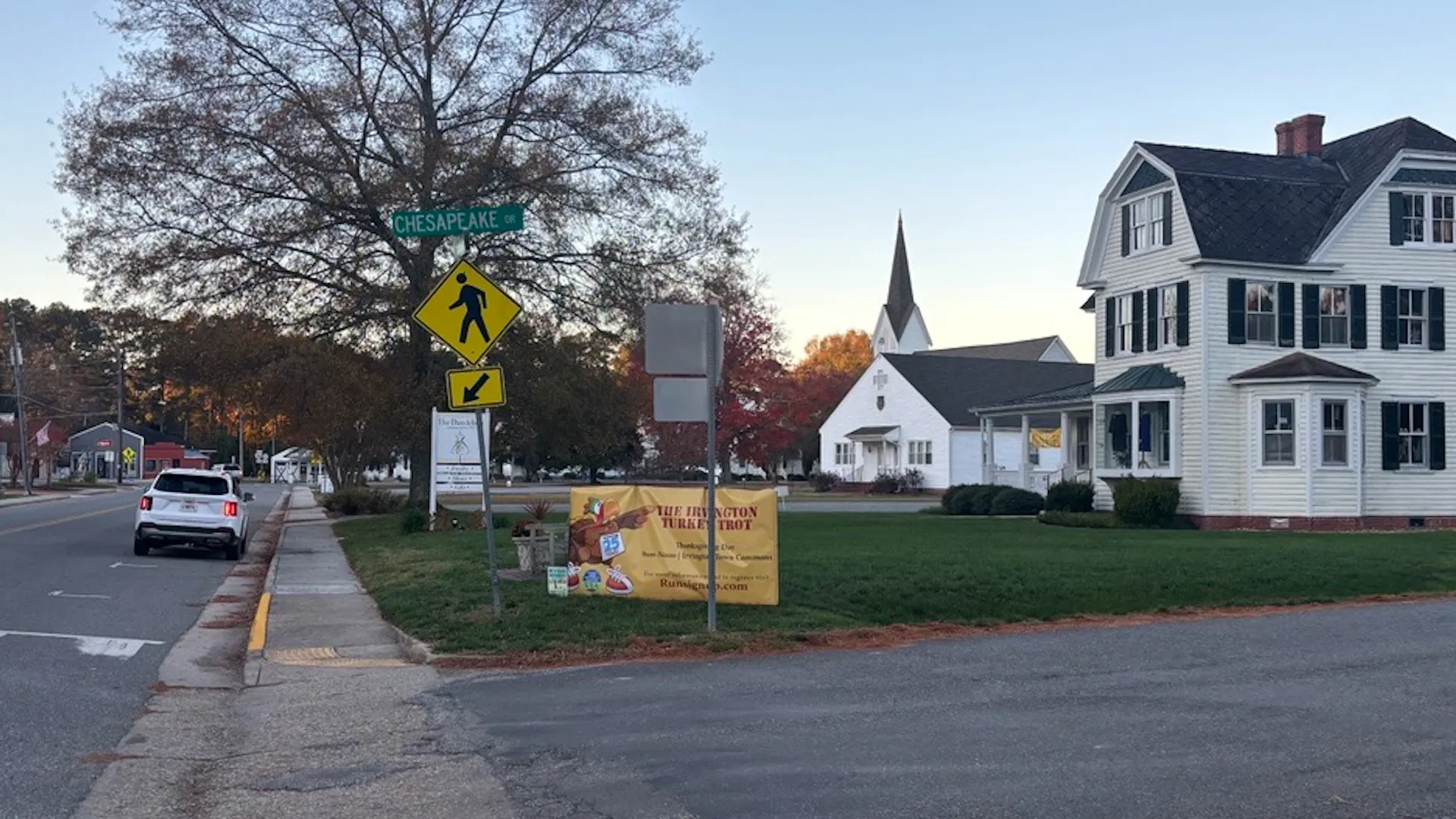
Real-world applications of this reconnection are numerous. Imagine policies that support local agriculture, invest in rural infrastructure, and create job opportunities in small towns. These are the kinds of initiatives that resonate with voters and demonstrate that the Democratic Party is truly listening. It’s surprising that more emphasis hasn’t been placed on these practical solutions. Personally speaking, focusing on tangible benefits is a much more effective strategy than abstract political rhetoric.
Consider the example of broadband internet access. In many small towns, reliable internet is still a luxury, not a given. By championing policies that expand broadband access, Democrats can address a critical need and demonstrate their commitment to helping these communities thrive. It feels like this is a no-brainer issue that could win over a lot of voters. Plus, it has the added benefit of boosting economic development and educational opportunities.
Another area where Democrats can make inroads is by focusing on healthcare. Rural hospitals are struggling, and access to quality healthcare is a major concern for many small-town residents. By advocating for policies that strengthen rural healthcare systems, Democrats can show that they are serious about addressing the needs of these communities. And that’s actually quite surprising, considering how vital healthcare is to everyone.
Implementation Strategies: A Road Map to Reconnection
Step-by-Step Approach
So, how can the Democratic Party actually go about winning back small-town Virginia? Here’s a step-by-step approach:
- Listen and Learn: Conduct town hall meetings, community forums, and one-on-one conversations to understand the specific concerns of each community. Don’t just talk; listen.
- Tailor the Message: Craft a message that resonates with local values and priorities. Avoid generic political rhetoric and focus on tangible benefits.
- Invest in Local Infrastructure: Support policies that improve infrastructure, such as roads, bridges, and broadband internet access.
- Champion Local Industries: Advocate for policies that support local agriculture, manufacturing, and other key industries.
- Strengthen Rural Healthcare: Work to improve access to quality healthcare in rural areas by supporting local hospitals and clinics.
- Build Relationships: Establish long-term relationships with community leaders, business owners, and local organizations.
- Show Up: Be present in the community, not just during election season. Attend local events, support local businesses, and be a visible part of the community.
These days, it seems that authenticity is key. Voters can spot a phony a mile away. The Democratic Party needs to demonstrate a genuine commitment to these communities, not just pay lip service to their concerns.
Best Practices
Here are some best practices to keep in mind when implementing these strategies:
- Be Authentic: Be genuine and sincere in your interactions with voters.
- Be Respectful: Respect local values and traditions, even if you don’t agree with them.
- Be Patient: Building trust takes time. Don’t expect to see results overnight.
- Be Consistent: Follow through on your promises and be a consistent presence in the community.
- Be Collaborative: Work with local leaders and organizations to achieve common goals.
It’s frustrating to see so much potential wasted because of a lack of genuine engagement. The Democratic Party has a lot to offer these communities, but they need to do a better job of showing it.
Common Challenges and Solutions
Let’s be honest, reclaiming small-town Virginia won’t be easy. There are several challenges that the Democratic Party will need to overcome. One of the biggest challenges is overcoming the perception that the party is out of touch with rural values. This perception has been fueled by years of neglect and a focus on urban priorities. The solution is to actively engage with these communities, listen to their concerns, and demonstrate a genuine commitment to addressing their needs.
Another challenge is the influence of conservative media. Many small-town residents rely on conservative news sources, which often portray the Democratic Party in a negative light. To counter this, Democrats need to find creative ways to reach voters, such as through social media, local newspapers, and community events. It’s exciting to think about the possibilities of using technology to bridge this gap.
A third challenge is the lack of resources. Small-town campaigns often lack the funding and staff needed to compete with well-funded Republican campaigns. To address this, the Democratic Party needs to invest more resources in these areas and provide training and support to local candidates. Trust me, that can save you a lot of time and effort.
Furthermore, the rise of political polarization has made it more difficult to reach across the aisle and find common ground. Voters are increasingly entrenched in their political beliefs, making it harder to persuade them to consider alternative viewpoints. The solution is to focus on issues that unite people, such as economic development, healthcare, and education. By finding common ground, Democrats can build bridges and create a more inclusive political environment. You know, it’s amazing how much people can agree on when they focus on shared goals.
To navigate these challenges effectively, the Democratic Party could benefit from studying other successful campaigns that have managed to win over rural voters. For example, understanding how campaigns address local economic anxieties or healthcare disparities can offer valuable insights. Learning from these successes and adapting strategies to fit the Virginia context will be crucial.
Real-Life Applications and Examples
Let’s take a closer look at some concrete examples of how Democrats can apply these strategies in real life.
Imagine a Democratic candidate running for local office in a small Virginia town. Instead of focusing on national political issues, the candidate focuses on local concerns, such as improving the town’s infrastructure and creating job opportunities. The candidate attends community events, meets with local business owners, and listens to the concerns of residents. As a result, the candidate is able to build trust and win over voters who might otherwise be inclined to vote Republican. This approach highlights the power of localized campaigning and the importance of addressing specific community needs.
Consider another scenario: a Democratic state legislator champions a bill that provides funding for broadband internet access in rural areas. This bill not only helps to bridge the digital divide but also creates new economic opportunities for small-town residents. The legislator works with local leaders and organizations to ensure that the funding is used effectively and that the benefits are widely shared. This demonstrates the impact of targeted legislation that directly addresses the needs of rural communities.
We can also draw lessons from successful Democratic campaigns in other rural states. For example, in Montana, Governor Steve Bullock has been able to win over rural voters by focusing on issues such as agriculture, conservation, and education. Bullock has also made a point of visiting rural communities and listening to the concerns of residents. His success demonstrates the importance of building trust and demonstrating a genuine commitment to rural values.
It seems that the key is to be authentic and relatable. Voters want to know that their elected officials understand their concerns and are working to address them. By focusing on local issues and building strong relationships with the community, Democrats can win back the trust of small-town Virginia voters. And I mean, who doesn’t want that?
Furthermore, consider the potential impact of supporting local businesses through targeted grants and incentives. These initiatives can stimulate economic growth and create jobs, directly addressing the economic anxieties of small-town residents. Showcasing these efforts and their positive outcomes can help Democrats demonstrate their commitment to the prosperity of rural communities.
Future Outlook and Trends
Where is this all heading? Well, the future of the Democratic Party in small-town Virginia depends on its ability to adapt to changing demographics and political trends. As more people move to rural areas, the political landscape is likely to become more competitive. This presents both challenges and opportunities for Democrats. On the one hand, they will need to work harder to win over new residents who may not be familiar with the party’s values. On the other hand, these new residents may be more open to Democratic ideas than long-time residents. It’s kind of like a blank slate, waiting to be filled.
Emerging opportunities for Democrats include focusing on issues such as climate change, renewable energy, and sustainable agriculture. These issues resonate with many young people and environmentally conscious voters, who are increasingly moving to rural areas. By championing these issues, Democrats can attract new supporters and build a broader coalition. It’s refreshing to see a growing interest in these issues, especially among younger voters.
Another trend to watch is the growing importance of online organizing and social media. In today’s digital age, it’s easier than ever to connect with voters online and mobilize them to take action. Democrats can use social media to share their message, engage with voters, and build a virtual community. It’s exciting to think about the potential of using technology to empower rural voters.
However, it’s important to acknowledge that the challenges facing the Democratic Party in small-town Virginia are likely to persist. Political polarization, the influence of conservative media, and the lack of resources will continue to be obstacles. Overcoming these challenges will require a sustained effort and a willingness to adapt to changing circumstances. The truth is, there are no easy solutions.
Ultimately, the future of the Democratic Party in small-town Virginia depends on its ability to listen to the concerns of voters, offer concrete solutions, and build strong relationships with the community. By doing so, Democrats can reclaim lost ground and create a more inclusive and representative political system.
For example, the evolution of AI music artists like Xania Monet shows how technology is changing the landscape, and understanding these trends is crucial for connecting with younger, tech-savvy voters.
Conclusion: Key Takeaways and Next Steps
So, can Democrats win back small-town Virginia? The answer is: it’s complicated. It will require a sustained effort, a willingness to listen and adapt, and a focus on local concerns. But it’s not impossible. By following the strategies outlined in this article, Democrats can increase their chances of success and build a more inclusive and representative political system.
Here are the key takeaways:
- Understand the concerns of small-town voters.
- Tailor your message to local values and priorities.
- Invest in local infrastructure and industries.
- Build strong relationships with the community.
- Be authentic and relatable.
Here are some actionable next steps:
- Attend a local town hall meeting.
- Volunteer for a local political campaign.
- Support a local business.
- Reach out to a small-town voter and ask about their concerns.
Now, I’m curious: What do you think is the biggest obstacle facing the Democratic Party in small-town America? And what steps can be taken to overcome it?
The challenges faced in Virginia’s small towns are not unique. Across the country, similar dynamics are playing out, as seen in the impact of flight reductions on navigating US airport chaos, reflecting broader concerns about infrastructure and accessibility in smaller communities.
Adapting to change is also crucial. Just as Sims 4 Gallery is set to evolve with SimSearch feature, political strategies must evolve to meet the changing needs and expectations of voters.
Another aspect to consider is how leadership decisions impact voter sentiment. Similar to how Browns power shift with Stefanski and Berry affects team dynamics, political leadership choices influence voter perception and trust.
The focus on revitalization and new technology, much like Nissan’s revival of the Skyline, could be a compelling message for small towns looking to rejuvenate their economies.
Furthermore, the emphasis on innovation and performance, similar to Toyota’s new V8 engine, could resonate with voters seeking practical solutions and tangible improvements in their communities.
Lastly, just as Shroud backs Arc Raiders for GOTY, the Democratic Party needs influential figures to champion their cause and rally support in small-town Virginia.