It was a blustery Tuesday evening, the kind where the wind rattled the windowpanes with an insistent chill, making you crave nothing more than a warm embrace. Outside, the city hummed with its usual frantic energy, but inside, a new kind of slumber was taking hold, revolutionizing how people approached their nightly retreat. It wasn’t about fancy mattresses or expensive sleep tech; no, this was something far simpler, far more ancient in its appeal, yet utterly modern in its sudden virality. People were literally *cocooning* themselves, not unlike a baked potato nestled in foil, creating what the internet affectionately termed the “potato bed sleep trend.” The sheer delight of seeing strangers online describing their newfound bliss was infectious. You couldn’t help but wonder, could something so simple truly deliver the best night’s rest? My friend, Sarah, a notoriously light sleeper, practically glowed when she told me, “Honestly, I thought it was just another silly TikTok fad, but I haven’t slept this soundly in years. It’s like being hugged by a thousand warm clouds!” The idea is delightfully straightforward: layer up blankets, pillows, and duvets until you create a snug, almost womb-like enclosure designed for ultimate comfort and security. This isn’t just about piling stuff on; it’s about an intentional construction of coziness, transforming an ordinary bed into a sanctuary that promises to melt away the day’s stresses and usher in profoundly peaceful sleep. The global surge in interest clearly signals a collective yearning for comfort and calm in an increasingly chaotic world, and the viral potato bed seems to be answering that call, one snug sleeper at a time. It’s a testament to our enduring human need for safety and warmth, packaged in a charming, internet-friendly concept.
I remember my initial skepticism, scrolling past videos of people burrowing into what looked like an elaborate blanket fort. “Is this really necessary?” I thought, accustomed to my minimalist approach to bedding. But the sheer volume of ecstatic testimonials was hard to ignore. From exhausted parents to stressed-out professionals, everyone seemed to be singing the praises of this fluffy phenomenon. It seemed like a desperate attempt to find peace, but perhaps, a brilliant one.
What Exactly is a “Potato Bed” Anyway?
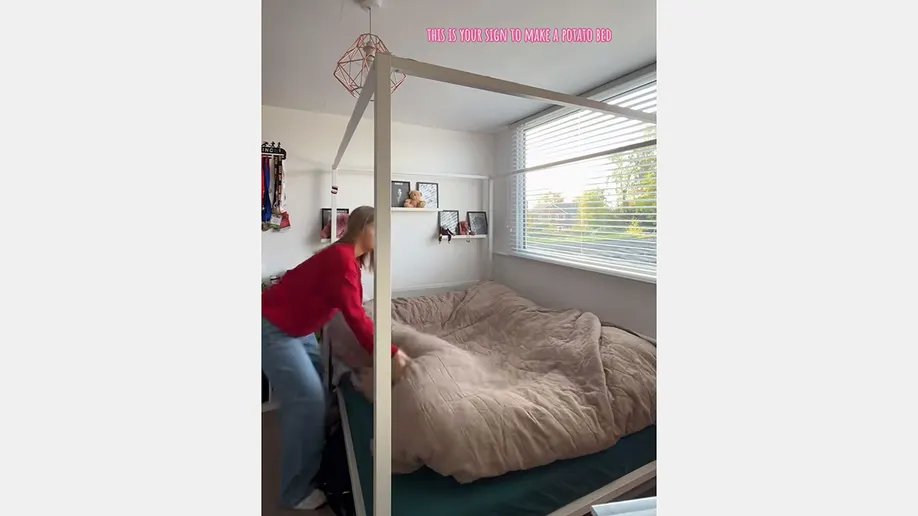
At its heart, a potato bed is an intentionally constructed nest of bedding designed to maximize warmth, comfort, and the feeling of being securely enveloped. Imagine a fluffy, soft, breathable cocoon, built right on your existing mattress. The name itself is wonderfully evocative – think of a perfectly baked potato, wrapped snugly in foil, radiating warmth from within. That’s the sensation people are chasing. It typically involves a foundational layer, often a thick duvet or comforter, laid directly on the mattress. On top of this, sleepers arrange an array of pillows – not just for the head, but for surrounding the body, creating soft barriers. Then comes the magic: multiple blankets, often varying in texture and weight, are layered over and around the sleeper, tucking them in tightly from all sides. The goal is to eliminate any cold spots, any drafts, and any feeling of being exposed. It’s about creating a personal microclimate, a little sanctuary where the outside world simply melts away.
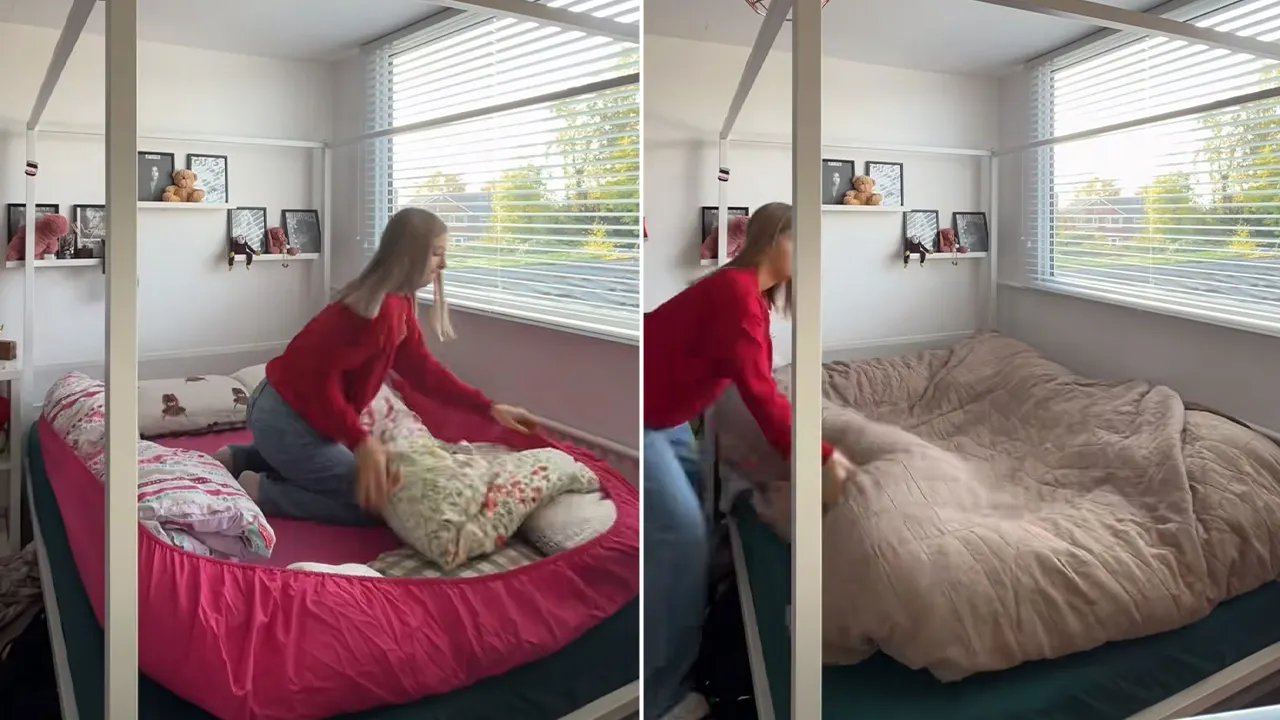
The beauty of the potato bed sleep trend is its adaptability. There’s no single right way to build one. Some prefer a lighter, airier feel, using more breathable cottons and fewer layers. Others go all-in with heavy fleece, faux fur throws, and a fortress of feather pillows. The common thread, however, is the pursuit of a specific sensation: deep pressure and pervasive warmth. It’s like being swaddled as a baby, or perhaps, for adults, like the best hug you’ve ever received, lasting all night long. The sheer visual of it, often shown in cozy, dimly lit rooms, is enough to make you feel sleepy just watching.
The Science of Snugness: Why Does it Work?
It might seem like a simple comfort hack, but there’s a surprising amount of science behind why the potato bed provides such a profound sense of calm and improved sleep quality. The primary mechanism at play here is what’s known as Deep Pressure Stimulation (DPS). This is the same principle behind weighted blankets, which have gained immense popularity for their anxiety-reducing effects. When your body experiences gentle, evenly distributed pressure, it activates the parasympathetic nervous system – the body’s “rest and digest” mode. This system is responsible for slowing your heart rate, relaxing your muscles, and ultimately, easing you into a state conducive to sleep.

“The sensory input from deep pressure can be incredibly calming, mimicking the security of a swaddle for infants or a comforting hug for adults,” explains Dr. Anya Sharma, a sleep physiologist based in London. “It helps to reduce cortisol levels – our stress hormone – and can increase serotonin, which is a precursor to melatonin, the hormone that regulates sleep.” This chemical cocktail is exactly what you need to unwind after a long day. The psychological benefits are equally compelling. In a world that often feels overwhelming and uncertain, creating a physical boundary, a safe cocoon, can offer immense psychological comfort. It taps into primal instincts for security and protection. Think about how animals nest; we, too, seek a safe haven. This feeling of being “tucked in” and protected can significantly reduce feelings of vulnerability and enhance a sense of peace. For many, it’s a nostalgic return to childhood, evoking memories of being bundled up snugly by a parent, safe from the monsters under the bed.
I remember one participant in a small online forum, a software engineer named David, mentioning how he felt “less exposed” to the anxieties of his day. “It’s not just about warmth,” he typed, “it’s about building a fortress around my brain, too.” That really resonated with me. We’re all looking for ways to switch off, aren’t we?
Beyond Deep Pressure: Temperature Regulation and Sensory Input
Beyond DPS, the strategic layering of a potato bed also contributes to optimal temperature regulation. While it might sound counterintuitive to add more blankets for better sleep, the ability to layer allows for precise control. You can choose breathable materials closer to your body and heavier, insulating layers on top. This creates an environment where your body can cool down slightly for sleep while still feeling warm and protected. The varied textures of different blankets – a soft cotton sheet, a fuzzy fleece, a smooth satin – also provide rich sensory input that can be soothing. This focused sensory experience can distract the mind from racing thoughts, helping you drift off more easily. The subtle rustle of fabrics, the feeling of weight, the consistent warmth – it all contributes to a holistic sensory experience designed for rest.
Building Your Own Cozy Cocoon: A Step-by-Step Guide
Ready to transform your sleep experience? Creating your own potato bed is surprisingly simple and immensely satisfying. Think of it as an art project dedicated to your well-being. Here’s how you can get started:
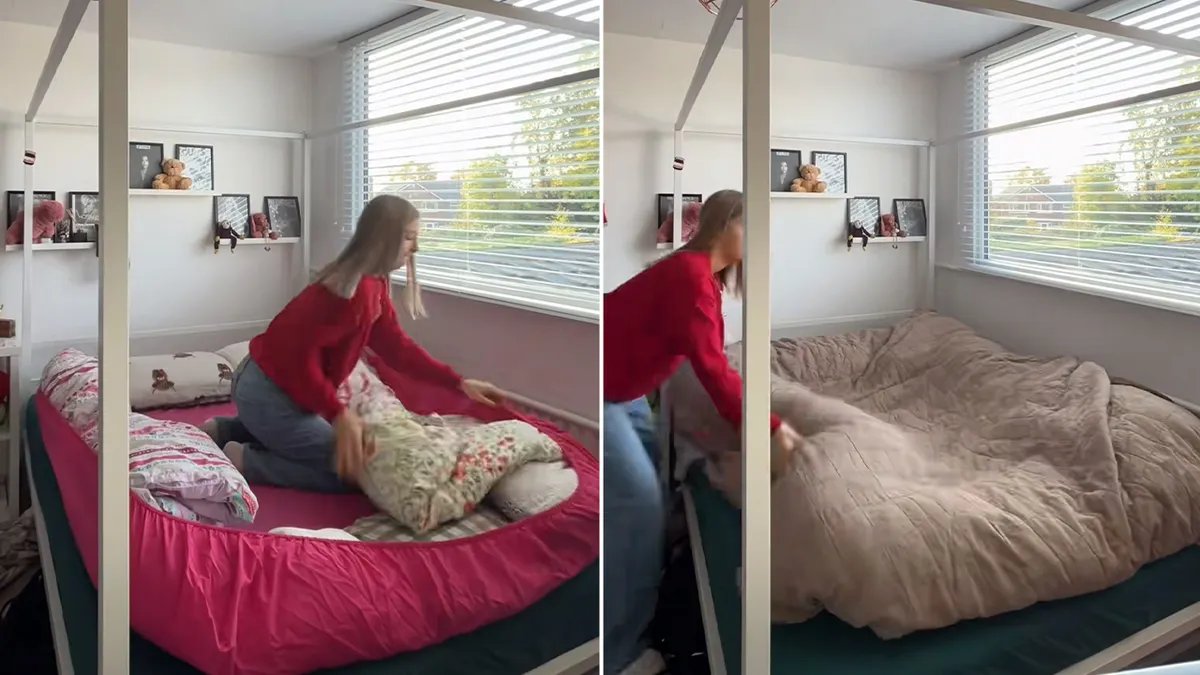
- The Foundation: Start with a comfortable base. This could be your regular duvet or comforter, laid flat on your mattress. Some people even use a thick mattress topper for an extra layer of plushness.
- Pillow Fort Perimeter: Arrange pillows strategically around the edges of where you’ll be sleeping. These aren’t just for your head; they act as soft walls, preventing drafts and creating that coveted ‘nest’ feeling. Use standard pillows, body pillows, or even decorative cushions – anything that provides soft support.
- The First Layer (The ‘Swaddle’): Choose a soft, breathable blanket, perhaps a flat sheet or a thin cotton throw. This will be the layer closest to your body. Tuck it in snugly around you, almost like a swaddle.
- The Mid-Layers (The ‘Insulation’): Now, add your main blankets. This is where you can experiment with different weights and textures. A fleece blanket for warmth, a faux fur throw for luxurious softness, or a chunky knit for a comforting weight. Layer them, ensuring they drape over the pillow perimeter, reinforcing the cocoon.
- The Top Layer (The ‘Crispy Skin’): Finish with a top blanket that provides a final layer of warmth and visual appeal. This could be your heaviest duvet or a beautifully textured throw.
- The Final Tuck: Once you’re nestled in, tuck any loose edges around your body, minimizing gaps. The goal is to feel completely enveloped, with just enough room to breathe comfortably.
My sister, who is notoriously particular about her bedding, spent an entire afternoon experimenting with different blanket combinations. “It’s like a scientific experiment in comfort,” she told me, laughing. “I finally found the perfect ratio of fluff to weight!”
Beyond the Hype: Real-World Experiences and Testimonials
The internet is awash with anecdotal evidence supporting the potato bed sleep trend, and it’s not hard to see why. People are genuinely finding relief from common sleep complaints. Take Mark, a 42-year-old marketing executive from Seattle, who used to struggle with restless nights, waking frequently with racing thoughts. “I heard about the potato bed from a friend and honestly, I rolled my eyes,” he admitted. “But I was desperate. The first night, I built this… thing. And I tell you, I slept through the entire night. It felt like I was in a safe little bubble, completely cut off from my worries. It’s changed everything.”
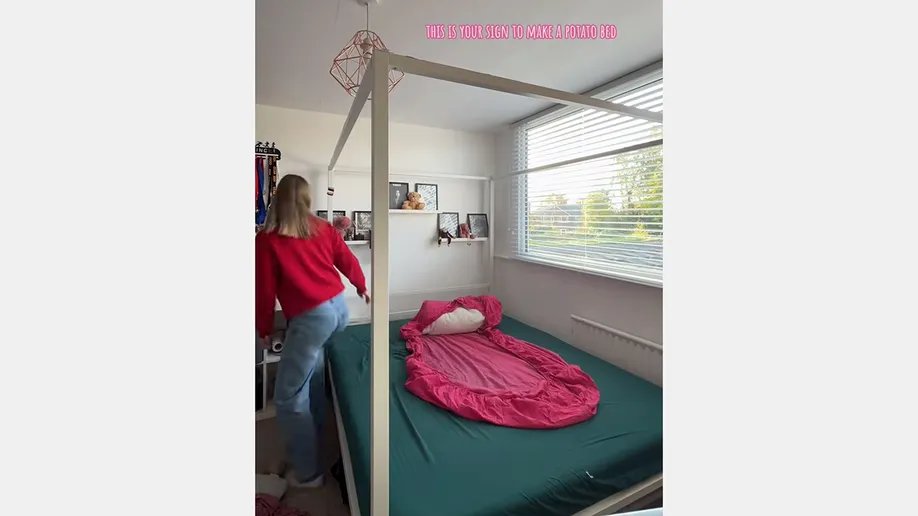
Sarah, the light sleeper I mentioned earlier, shared her transformation. “Before, any little noise would wake me up. My partner getting up for water, the wind… it was constant. Now, I feel so deeply nestled that I just… don’t notice. It’s like my own personal soundproof chamber, only it’s made of fleece and cotton. Plus, the warmth is incredible without being stifling, which was a concern.” Her excitement was palpable, a testament to the power of a good night’s sleep.
Many users report a significant reduction in anxiety before bed. The physical act of building the bed and then sinking into it becomes a calming ritual, signaling to the brain that it’s time to wind down. This ritualistic aspect, combined with the physical sensations, creates a powerful feedback loop that primes the body and mind for restorative sleep. It’s not just about comfort; it’s about conscious relaxation and creating an environment where sleep is not just an expectation but a deeply felt invitation.
The Cultural Phenomenon: Why Now?
It’s fascinating to consider why the potato bed sleep trend has taken off with such fervor in recent times. Our modern world is characterized by constant digital stimulation, high stress levels, and an undeniable sense of unpredictability. In this environment, anything that promises a retreat, a haven of peace, is going to capture attention. The potato bed offers just that: a tangible, accessible escape from the mental noise and physical discomforts of daily life. It’s a low-tech solution to a very high-tech problem – the inability to truly switch off.
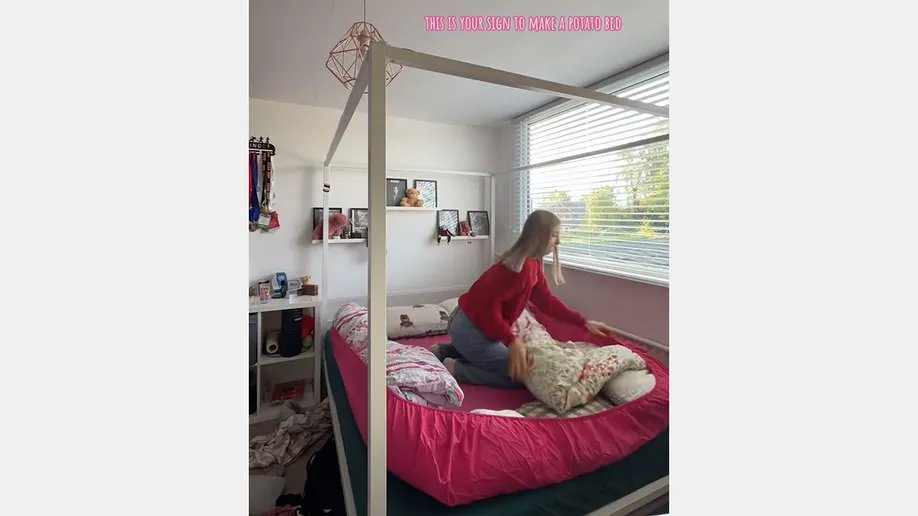
Social media platforms, particularly TikTok and Instagram, have been instrumental in propelling this trend into the mainstream. The visual appeal of a perfectly made potato bed, often accompanied by soothing music and whispered narratives, creates highly shareable content. It’s aspirational coziness, democratized. People see it, they want it, they try it, and then they share their own experiences, fueling the cycle. It taps into a collective desire for self-care and mental wellness, aligning perfectly with a broader cultural shift towards prioritizing personal well-being. It’s a form of accessible luxury, costing little more than the blankets you might already own, yet promising immense dividends in terms of rest and tranquility. For me, it feels like a collective sigh of relief, a moment where we all decided to embrace simple comforts.
Potential Pitfalls and Considerations
While the allure of the potato bed is undeniable, it’s also important to address potential downsides and considerations. The most common concern is overheating. With multiple layers, especially during warmer months or for those who naturally run hot, a potato bed could become uncomfortably warm. The key here is mindful material selection: opt for breathable cottons and linens, and adjust the number of layers according to the ambient temperature. It’s not about maximum layers, but optimal layers for your personal comfort.
Another consideration is claustrophobia. For some individuals, the feeling of being tightly enveloped might trigger anxiety rather than alleviate it. If this is a concern, start with fewer layers and less restrictive tucking, gradually increasing the enclosure as you become comfortable. The goal is a gentle embrace, not a restrictive bind. Hygiene is also a practical point. More blankets mean more laundry. Regular washing of all layers is essential to maintain a fresh and healthy sleep environment. Finally, it’s crucial to remember that while a potato bed can significantly improve sleep comfort and quality, it’s not a magic cure for underlying sleep disorders or serious medical conditions. If you’re experiencing chronic insomnia, sleep apnea, or other persistent sleep issues, consulting a healthcare professional or sleep specialist is always the best course of action. This trend is a tool for comfort, not a medical intervention.
Expert Opinions: What Do Sleep Specialists Say?
Sleep experts generally view the potato bed sleep trend with cautious optimism. While they acknowledge the powerful psychological and physiological benefits of deep pressure stimulation and creating a comforting sleep environment, they also emphasize the importance of individual preferences and holistic sleep hygiene. Dr. Elena Petrova, a sleep researcher, notes, “Anything that encourages a consistent bedtime routine and helps individuals feel more relaxed before sleep is beneficial. The potato bed provides a tangible way to create a secure, comforting space, which can certainly aid in sleep onset and continuity for many.” She added a caveat, “However, it’s not a one-size-fits-all solution. Listen to your body. If you feel too hot, or too constricted, adjust it. The best sleep environment is ultimately the one that works best for you.”

The sentiment among specialists leans towards validating the comfort aspect but reminding people that core sleep practices like a dark, quiet room, a consistent sleep schedule, and avoiding screens before bed remain paramount. The potato bed can be an excellent *addition* to good sleep hygiene, not a replacement for it. It offers a tangible, sensory-rich method to help wind down and signal to the body that it’s time for rest, which is often half the battle for modern sleepers. It’s an empowering trend because it puts the control back into the individual’s hands, allowing them to craft their own personalized haven for slumber. And honestly, who doesn’t want that?
In a world constantly pushing us to do more, to be more, the idea of simply existing, snugly encased in warmth and comfort, feels revolutionary. The viral ‘potato bed’ sleep trend isn’t just about blankets; it’s about a yearning for peace, a desire for profound rest, and a simple, accessible way to find it. So go ahead, embrace your inner potato. You might just discover the best night’s rest you’ve had in years.
Frequently Asked Questions
| What is the viral ‘potato bed’ sleep trend? | The ‘potato bed’ sleep trend involves arranging multiple layers of blankets, pillows, and duvets to create a snug, cocoon-like sleeping environment. The goal is to provide deep pressure stimulation, warmth, and a sense of security, mimicking the feeling of being tightly swaddled or hugged, leading to a more restful and uninterrupted sleep. |
| What are the reported benefits of sleeping in a potato bed? | Users frequently report reduced anxiety, faster sleep onset, deeper sleep, and fewer night awakenings. The deep pressure stimulation helps activate the parasympathetic nervous system, lowering cortisol and increasing serotonin, which are crucial for relaxation and sleep regulation. It also provides psychological comfort and a sense of being protected. |
| How can I create my own potato bed at home? | Start with a comfortable base layer on your mattress. Arrange pillows around your body to create a perimeter. Then, layer multiple blankets of varying weights and textures, tucking them snugly around yourself to form a cozy enclosure. Experiment with different materials (e.g., cotton, fleece, weighted blankets) to find your ideal level of warmth and pressure. |
| Are there any potential downsides or challenges to this sleep method? | Potential challenges include overheating, especially for those who sleep hot or in warmer climates. Claustrophobia can also be an issue for some due to the enclosed feeling. More blankets also mean increased laundry. It’s crucial to adjust layers and materials to personal comfort and maintain good hygiene. |
| Will the potato bed trend last, or is it just a passing fad? | While its viral status might fade, the underlying principles of deep pressure stimulation and creating a comforting sleep environment have scientific backing. The potato bed offers an accessible, customizable way to achieve these benefits, suggesting that while the “trend” may evolve, the desire for cozy, secure sleep is timeless and likely to persist in various forms. |
Important Notice
This FAQ section addresses the most common inquiries regarding the topic.