You see, it’s one thing to speak of freedom and democracy, and quite another to explicitly mention the vast natural resources of a troubled nation in the same breath. This isn’t just a minor detail; it’s a crucial lens through which we must examine the entire approach. The White House’s public stance, delivered with characteristic bravado, consistently centered on restoring democracy to Venezuela and supporting the Venezuelan people against what it termed the illegitimate, corrupt regime of Nicolás Maduro. Senior officials, from Vice President Mike Pence to Secretary of State Mike Pompeo, frequently highlighted the humanitarian crisis, the exodus of millions, and the suppression of political dissent as primary motivations. They painted a picture of a nation held hostage, yearning to be free. (And honestly, who could argue with the desire for freedom?).
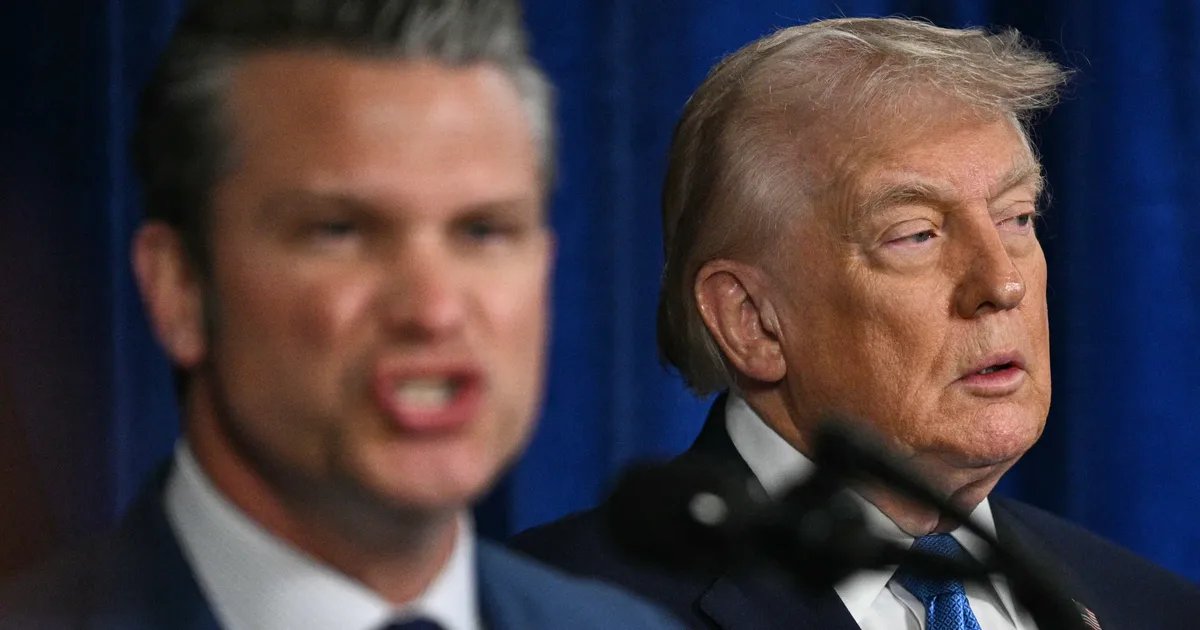
However, the President himself often seemed to deviate from this carefully crafted script, letting slip remarks that pointed to a far more pragmatic, some might say mercenary, interest. “We have our eye on the oil,” he once stated plainly, during a press briefing, almost as if he was talking about a prize rather than a complex international crisis involving millions of lives. This kind of talk, direct and unvarnished, created a jarring contrast with the diplomatic language of his cabinet. It led many to wonder aloud: was the lofty rhetoric just a convenient cover for something far more tangible and, well, crude? An anonymous former senior administration official, speaking on background, once confided, “Look, everyone knew the President had a keen interest in Venezuela’s resources. While the official line was democracy, the *real* conversation often drifted to how much oil was there and what it could mean for us.”
The Black Gold Beneath the Crisis: Venezuela’s Oil Riches
To truly understand the magnetic pull Venezuela exerted on the Trump administration, one must first grasp the sheer scale of its petroleum wealth. Venezuela sits atop the world’s largest proven oil reserves, an estimated 303 billion barrels. Just think about that for a moment – more than Saudi Arabia! This isn’t just any oil; much of it is heavy crude, which requires specific processing, but it’s an undeniable treasure trove. For decades, this “black gold” fueled the nation’s economy, shaping its politics and making it a significant player on the global energy stage. “Venezuela’s oil isn’t just a commodity; it’s a strategic asset of global importance,” explained Dr. Elena Ramirez, a Latin American energy analyst at a think tank in New York, during a virtual conference. “Any major shift in its control or distribution sends tremors through the international markets.”
The historical context is equally vital. The United States has long been a major consumer of Venezuelan crude, particularly for Gulf Coast refineries designed to process heavy oil. Before the current crisis deepened and sanctions tightened, Venezuela was a top supplier to the US. The idea of securing a more favorable, stable, and perhaps even discounted supply of this vital resource would, naturally, be appealing to any US administration, especially one that championed “energy independence.” The thought of having that much oil potentially available, perhaps under a more US-friendly government, must have been a powerful motivator, a geopolitical chess piece of immense value. It’s hard to ignore the gleam in the eyes of some policymakers when discussing such vast resources.
The Shifting Sands of Geopolitics and Energy Security
The Trump administration’s emphasis on oil also needs to be viewed through the lens of broader geopolitical competition. Russia and China had significantly increased their investments and influence in Venezuela under both Hugo Chávez and Nicolás Maduro, often in exchange for loans or military support. These relationships concerned Washington, which viewed them as a challenge to US hegemony in the Western Hemisphere. Imagine a situation where the US could potentially dislodge these rivals, gain access to lucrative contracts, and simultaneously boost its own energy security. It’s a trifecta of benefits, isn’t it?
An article published by the Council on Foreign Relations noted that a key objective of US sanctions against Venezuela’s state-owned oil company, PDVSA, was to starve the Maduro regime of revenue while simultaneously discouraging other nations from purchasing Venezuelan crude, thereby limiting its global reach. This wasn’t just about punishment; it was about control. “When you sanction PDVSA, you’re not just targeting Maduro; you’re targeting the lifeblood of the nation, and by extension, its global partnerships,” a former State Department official, who requested anonymity due to ongoing diplomatic work, told me over a crackly phone line. “The endgame was always to redirect that flow of oil, or at least its influence.”
Sanctions as a Tool: Democracy or Economic Coercion?
The Trump administration employed a wide array of economic sanctions against Venezuela, with the most impactful being those targeting PDVSA. These sanctions prohibited US entities from doing business with PDVSA and froze its assets in the United States. The stated goal was to pressure Maduro to step down and allow for a democratic transition. However, many critics, both domestically and internationally, argued that these measures exacerbated the humanitarian crisis, further impoverishing the Venezuelan people rather than swaying the regime.
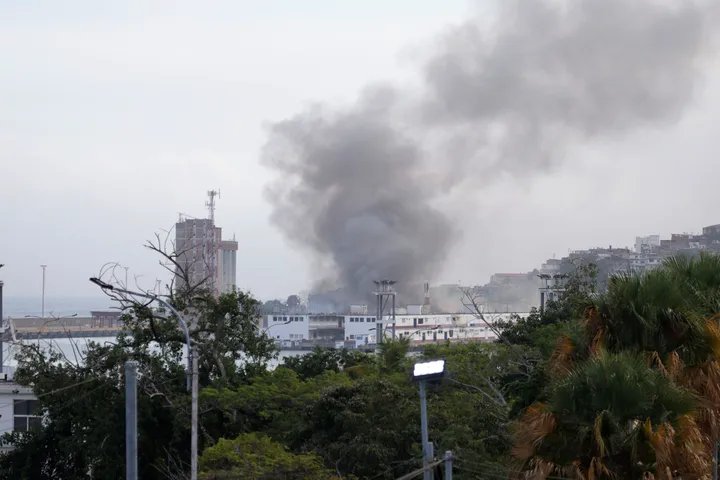
Consider the impact on ordinary Venezuelans. The country’s economy, already reeling from mismanagement and hyperinflation, spiraled further into chaos. Fuel shortages became endemic, despite Venezuela sitting on a sea of crude. “We have the world’s largest oil reserves, yet my car often runs on fumes,” lamented Maria Rodriguez, a retired teacher from Caracas, during an interview with an international news outlet. “The sanctions, they don’t hurt Maduro; they hurt us, the people trying to survive day to day.” This firsthand account paints a vivid picture of the human cost that often gets lost in the high-stakes games of international diplomacy and resource acquisition. The irony, heartbreakingly, is palpable.
The argument that the sanctions were purely about democracy becomes harder to sustain when juxtaposed with the President’s own remarks about oil. If the primary goal was humanitarian relief and democratic restoration, would such sweeping economic measures, which directly impacted the civilian population, be the most effective or ethical approach? Or were they designed to make the country’s vast resources more accessible to American interests, once a new, more compliant government was in place? It’s a thorny question, one that forces us to confront uncomfortable truths about the intersection of power, resources, and international relations.
The Players and Their Motives
Let’s briefly outline the key actors and their motivations:
- Donald Trump and the US Administration: Publicly, democracy and human rights; privately, a strong interest in Venezuela’s oil and diminishing rival influence.
- Nicolás Maduro: Maintaining power, resisting perceived US interference, and leveraging ties with Russia and China.
- Juan Guaidó and the Opposition: Restoring democracy, ending the humanitarian crisis, and seeking international support. They needed US backing desperately.
- Russia and China: Protecting investments, maintaining geopolitical influence, and challenging US unilateralism. They had their own interests tied to Venezuela’s resources.
Each player had a complex web of motivations, but the economic prize of oil was a constant, shimmering mirage in the desert of political instability. It’s a sad reality that often, beneath the grand declarations, lie very tangible, material desires.
Echoes of the Past: A Familiar Pattern?
For those familiar with the history of US foreign policy in Latin America and the Middle East, the Venezuela situation under Trump felt eerily familiar. The narrative of promoting democracy often, perhaps too conveniently, aligns with strategic economic or resource interests. From the overthrow of Mohammad Mosaddegh in Iran in 1953 (who nationalized Iran’s oil industry) to interventions in various Central American countries with rich agricultural lands, the pattern of US involvement being intertwined with resource control is a recurring theme. “It’s a playbook we’ve seen before,” commented Dr. Benjamin Carter, a historian specializing in US foreign policy, during a podcast discussion. “When a president explicitly mentions the primary resource of a target country, it’s hard not to connect the dots to historical precedents where such resources were a dominant factor.”
This historical lens doesn’t necessarily negate the genuine concern for democracy or human rights that some officials may have held. People can have multiple motivations, after all. But it certainly adds a layer of skepticism to the official narrative, forcing us to consider the underlying strategic calculations. Was the Trump administration’s approach to Venezuela’s oil a new, more transparent form of realpolitik, or merely the same old song with a less subtle singer? It’s a question that invites deep reflection and critical analysis.
The impact of this explicit focus on oil is profound. It can undermine the legitimacy of humanitarian interventions and democratic crusades in the eyes of the international community. When a superpower’s actions are perceived as primarily driven by self-interest, particularly in resource acquisition, it erodes trust and makes future cooperative efforts far more challenging. Imagine trying to rally international support for a genuine humanitarian crisis when your past actions are viewed through the prism of resource greed. It’s a tough sell, to say the least.
The Long Shadow of the Oil Obsession
The legacy of the Trump administration’s approach to Venezuela is complex and enduring. While Nicolás Maduro remains in power, albeit presiding over a shattered economy, the rhetoric surrounding Venezuela’s oil has left an indelible mark on how that particular chapter of US foreign policy is understood. It highlighted a tension between publicly declared ideals and perceived pragmatic interests, a tension that is not unique to this administration but was certainly brought into sharper relief by it.
Moving forward, future administrations, regardless of their political stripe, will have to navigate the delicate balance of promoting democracy, addressing humanitarian crises, and managing strategic resource interests. The explicit mention of oil by a US President in the context of a potential regime change in a resource-rich nation sets a precedent, one that can be interpreted in various ways – as refreshing honesty by some, and as cynical self-interest by many others. What lessons can we draw from this? Perhaps it’s a stark reminder that in the intricate dance of international relations, very few actions are purely altruistic. There are always layers, always underlying currents, and sometimes, those currents run deep with the scent of black gold.
Ultimately, the Venezuela crisis serves as a poignant case study, forcing us to ask difficult questions about the true drivers of foreign policy. Was it truly about helping the Venezuelan people find their democratic footing, or was it, as some of President Trump’s own words suggested, largely about the vast, untapped potential of Venezuela’s oil? The answer, like the crude itself, might be murky, but the question undoubtedly lingers, shaping our understanding of power, resources, and intervention on the global stage. It makes you wonder, doesn’t it, what truly motivates the powerful?
Frequently Asked Questions
| What was the primary focus of the Trump administration’s policy towards Venezuela? | While publicly framed as a push for democracy and humanitarian aid, President Trump’s statements often highlighted Venezuela’s vast oil reserves, leading many to believe that securing access to or influence over these resources was a significant, if not primary, driver of his administration’s actions. |
| What potential benefits did the US perceive from a change in Venezuela’s leadership regarding oil? | A change in leadership could potentially open Venezuela’s oil industry to greater foreign investment, including from US companies, stabilize global oil prices, and reduce Russia and China’s influence over Venezuelan crude, thereby bolstering US energy security and geopolitical standing. |
| How did the Trump administration implement its Venezuela policy, and how did oil factor in? | The Trump administration implemented a strategy of escalating economic sanctions, diplomatic pressure, and public support for opposition leader Juan Guaidó. Sanctions specifically targeted Venezuela’s state-owned oil company, PDVSA, aiming to cut off revenue to the Maduro regime, clearly linking the economic pressure to the country’s oil wealth. |
| What challenges did the ‘oil-first’ approach to Venezuela pose for US foreign policy? | This approach risked undermining the credibility of US claims about supporting democracy, potentially alienating international allies, and could be seen as a return to interventionist policies driven by resource interests, complicating efforts to build broad international consensus against the Maduro regime. |
| What are the long-term implications of connecting US foreign policy in Venezuela so directly to oil? | The long-term implications could include increased skepticism about US motives in similar geopolitical crises, a precedent for future administrations to explicitly link foreign policy to resource acquisition, and a continued struggle for Venezuela to regain stability, regardless of its leadership, given the external pressures on its primary industry. |
Important Notice
This FAQ section addresses the most common inquiries regarding the topic.