The air in the gaming forums was thick with tension, almost palpable. It was a digital battlefield where players, armed with keyboards and mice, were waging war against the specter of intrusive monetization. Specifically, the target of their collective ire? Assassin’s Creed microtransactions. The mere mention of those two words together was enough to send shivers down the spines of even the most seasoned gamers. You see, the Assassin’s Creed franchise, once revered for its immersive historical settings and engaging narratives, had become increasingly reliant on in-game purchases. And many players felt betrayed. The whispers had turned to shouts, the concerns to demands. “Are they going to ruin another one?” one Redditor lamented, a sentiment echoed across countless forums. It wasn’t just about the money; it was about the principle. Was Ubisoft prioritizing profit over player experience? That was the question burning in everyone’s mind. (I remember when I could unlock everything just by playing the game! Those were the days…)
The storm clouds gathered when rumors began circulating about the potential inclusion of aggressive monetization schemes in the upcoming Assassin’s Creed Shadows. The internet exploded with speculation and anxiety. This time, though, Ubisoft seemed to be listening. They released a statement, a fragile olive branch extended towards a community teetering on the edge of revolt. The pressure was on them to clarify their position and reassure fans that the core values of the franchise wouldn’t be sacrificed at the altar of profit. This wasn’t just about one game; it was about the future of Assassin’s Creed, about the trust between developer and player. What they said, and how they said it, could make or break the franchise.
So, what exactly did Ubisoft say about all this? Did they quell the rising tide of concern, or did they inadvertently fuel the flames? Let’s dive into their official statements, analyze the community’s reaction, and explore the broader implications for the future of single-player games and their relationship with monetization. This is a delicate dance, after all, a tightrope walk between financial viability and artistic integrity. And the world is watching to see if Ubisoft can stick the landing.

Ubisoft’s Official Stance: A Balancing Act
Ubisoft’s official comments on Assassin’s Creed microtransactions have been carefully crafted to address the community’s concerns while also maintaining their right to explore monetization opportunities. Their statements generally emphasize a commitment to ensuring that in-game purchases are optional and do not negatively impact the core gameplay experience.
Key Points from Ubisoft’s Communication
* Optional Purchases: Ubisoft consistently stresses that in-game purchases are entirely optional and are not required to complete the game or access its core content. They claim that players should be able to enjoy the full Assassin’s Creed experience without spending additional money.
* Focus on Cosmetic Items: The company often highlights that the primary focus of microtransactions is on cosmetic items, such as character skins, weapon designs, and ship customizations. These items are intended to allow players to personalize their experience without providing any gameplay advantages.
* Time-Savers (with Caveats): Ubisoft acknowledges the presence of time-saver items, which allow players to accelerate their progress or acquire resources more quickly. However, they maintain that these items are balanced in such a way that they do not create a “pay-to-win” scenario. They argue that these options are there for players who might have limited time, allowing them to enjoy the game at their own pace.
* Transparency and Communication: Ubisoft promises to be transparent about their monetization plans and to actively listen to community feedback. They state that they are committed to adjusting their approach based on player response and ensuring that the game remains fair and enjoyable for everyone. This sounds good on paper, but the proof, as they say, is in the pudding.
“We are always listening to our community and taking their feedback into account,” said a Ubisoft spokesperson in a recent interview. “Our goal is to create games that are both fun and fair, and we believe that microtransactions can be implemented in a way that enhances the player experience without compromising its integrity.”
Community Reaction: Skepticism and Hope
The community’s reaction to Ubisoft’s statements has been mixed, ranging from cautious optimism to outright skepticism. While some players are willing to give Ubisoft the benefit of the doubt, others remain wary, citing past experiences with intrusive monetization in other games.

Common Concerns and Criticisms
* “Pay-to-Win” Fears: One of the biggest concerns is that time-saver items will create a “pay-to-win” environment, where players who are willing to spend money can gain an unfair advantage over those who do not. Even if these advantages are subtle, they can still erode the sense of fair play and competition.
* Forced Grinding: Some players worry that the game will be designed in such a way that it encourages players to purchase time-saver items in order to avoid tedious or repetitive tasks. This could involve artificially inflating the difficulty of certain challenges or making it excessively time-consuming to acquire essential resources. I remember feeling exactly like this in Assassin’s Creed Odyssey – it felt like a deliberate attempt to push me towards buying XP boosts.
* Cosmetic Concerns: While most players are generally accepting of cosmetic microtransactions, some worry that the quality or availability of these items will be gated behind paywalls. This could lead to a situation where the most visually appealing or unique items are only accessible to those who are willing to spend money.
* Erosion of Immersion: Some players argue that the mere presence of microtransactions, even if they are purely cosmetic, can detract from the game’s immersion and sense of realism. They feel that it breaks the fourth wall and reminds them that they are playing a product designed to extract money from them.
Points of Optimism
* Ubisoft’s Track Record (Sometimes): Some players point to Ubisoft’s track record of supporting their games with post-launch content and updates, arguing that they are generally responsive to community feedback. They believe that Ubisoft is capable of implementing microtransactions in a way that is fair and unobtrusive. It’s a mixed bag, though. Some games have been handled well, others… not so much.
* Focus on Single-Player: The fact that Assassin’s Creed is primarily a single-player game gives some players hope that Ubisoft will be less inclined to implement aggressive monetization strategies. Unlike multiplayer games, where pay-to-win mechanics can directly impact the competitive balance, single-player games offer more flexibility in terms of how microtransactions are implemented.
* Potential for Customization: Some players are genuinely excited about the prospect of customizing their characters and weapons with unique cosmetic items. They see it as a way to express their individuality and personalize their gaming experience.
“I’m cautiously optimistic,” said one commenter on a popular gaming forum. “If the microtransactions are purely cosmetic and don’t affect gameplay, I don’t mind them. But if they start making it pay-to-win, I’m out.”
The Impact on Assassin’s Creed Shadows
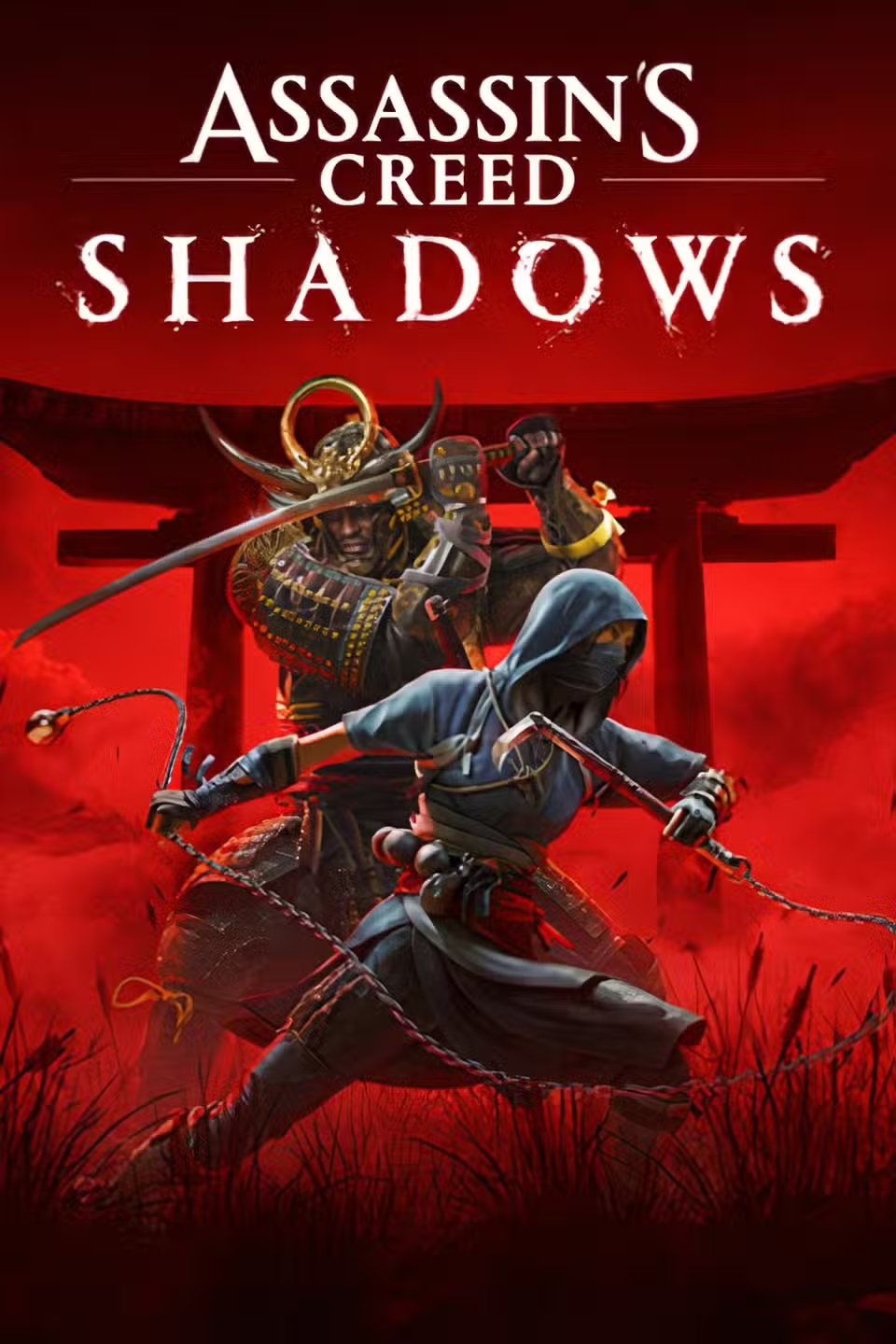
The upcoming Assassin’s Creed Shadows is poised to be a crucial test case for Ubisoft’s approach to microtransactions. The game’s success, both critically and commercially, will depend in part on how well Ubisoft can balance the desire for monetization with the need to maintain player goodwill.
Potential Scenarios
* Best-Case Scenario: In the best-case scenario, Ubisoft implements microtransactions in a way that is unobtrusive and non-intrusive. The in-game purchases are primarily cosmetic, the time-saver items are balanced and do not create a pay-to-win environment, and the game’s core content is fully accessible without spending additional money. The community responds positively, praising Ubisoft for their transparency and commitment to fairness.
* Worst-Case Scenario: In the worst-case scenario, Ubisoft implements microtransactions in a way that is aggressive and exploitative. The time-saver items create a pay-to-win environment, the game is designed to encourage players to spend money, and the core content is gated behind paywalls. The community revolts, review scores plummet, and the game is widely criticized for its predatory monetization practices.
* Most Likely Scenario: The most likely scenario is somewhere in between. Ubisoft implements microtransactions in a way that is somewhat controversial but ultimately manageable. Some players are annoyed by the presence of in-game purchases, but most are willing to tolerate them as long as they do not significantly impact the gameplay experience. Ubisoft continues to listen to community feedback and adjusts their approach accordingly.
The Importance of Transparency
Regardless of the specific implementation of microtransactions, transparency will be key to managing community expectations. Ubisoft needs to be upfront about their plans, clearly communicating what in-game purchases will be available, how they will impact the game, and how they will be balanced. They need to demonstrate that they are listening to player feedback and are willing to make adjustments as needed. Without transparency, trust will erode, and the community will be far more likely to react negatively to any form of monetization.
“We understand that players are concerned about microtransactions,” said a Ubisoft developer during a recent Q&A session. “We want to assure you that we are committed to making sure that they are implemented in a way that is fair and respectful of your time and money. We will be providing more details about our plans in the coming weeks, and we encourage you to share your feedback with us.”
The Broader Implications for Gaming
The debate over Assassin’s Creed microtransactions reflects a broader trend in the gaming industry, where developers are increasingly relying on in-game purchases to generate revenue. This trend has sparked a heated debate about the ethics of monetization, the impact on player experience, and the future of game design.
The Rise of Live Service Games
One of the driving forces behind the rise of microtransactions is the increasing popularity of live service games, which are designed to be continuously updated with new content and features. These games often rely on in-game purchases to fund their ongoing development and support. While live service games can provide a compelling and engaging experience, they also raise concerns about predatory monetization practices and the potential for “pay-to-win” mechanics.
The Impact on Game Design
The pressure to monetize games can also have a significant impact on game design. Developers may be tempted to create artificial bottlenecks or grindy mechanics in order to encourage players to purchase time-saver items. They may also prioritize the creation of cosmetic items over other forms of content, such as new story missions or gameplay features. This can lead to a situation where the game feels less like a work of art and more like a product designed to extract money from players.
The Future of Single-Player Games
The debate over microtransactions in Assassin’s Creed highlights the challenges facing single-player games in an increasingly monetized world. While single-player games are generally less susceptible to pay-to-win mechanics than multiplayer games, they are still vulnerable to other forms of monetization, such as time-saver items and cosmetic purchases. The key to success for single-player games in the future will be to find a balance between generating revenue and maintaining player goodwill. This will require developers to be transparent, respectful, and committed to creating games that are both fun and fair.
Conclusion
The saga of Ubisoft’s comments on Assassin’s Creed microtransactions is far from over. What the future holds for Assassin’s Creed and its approach to monetization remains to be seen. The company’s commitment to optional purchases and cosmetic items offers a glimmer of hope, but the community’s skepticism is a reminder that trust must be earned, not given. Ultimately, the success of Assassin’s Creed Shadows, and indeed the future of the franchise, will depend on Ubisoft’s ability to strike a delicate balance between financial viability and artistic integrity. It’s a high-stakes game, and the players are watching closely. I, for one, am hoping for the best. I really do love the Assassin’s Creed universe, and I’d hate to see it tarnished by greed. Only time will tell.
Frequently Asked Questions
| What are microtransactions in Assassin’s Creed? | Microtransactions in Assassin’s Creed refer to small in-game purchases players can make using real money. These can include cosmetic items like character skins and weapon designs, or time-savers that accelerate progress. |
| What are the benefits of microtransactions for Ubisoft? | Microtransactions provide a recurring revenue stream for Ubisoft, allowing them to fund ongoing game development, support live service elements, and continue investing in future projects and expansions. |
| How are microtransactions implemented in Assassin’s Creed games? | Microtransactions are typically accessed through an in-game store. Players can purchase virtual currency with real money, which can then be used to buy items and services. Ubisoft states these are optional and do not affect core gameplay. |
| What are the challenges associated with microtransactions in Assassin’s Creed? | Challenges include maintaining player trust, avoiding “pay-to-win” scenarios, and ensuring that the core gameplay experience remains enjoyable for players who choose not to spend extra money on microtransactions. |
| What is the future of microtransactions in Assassin’s Creed games? | The future likely involves a continued focus on cosmetic items and optional time-savers, with an emphasis on transparency and community feedback. Ubisoft will need to adapt their approach based on player reception and industry trends to maintain a positive relationship with their player base. It is probable they will continue A/B testing various features to find the best monetization strategy. |
Important Notice
This FAQ section addresses the most common inquiries regarding the topic.