Capcom has officially confirmed Mega Man: Dual Override during Gamescom 2026 Opening Night Live, ending an eight-year wait for a new mainline entry in the iconic action-platformer franchise, with a 2027 release window and a surprise crossover with the publisher’s sci-fi title Pragmata.
- Game Title: Mega Man: Dual Override
- Developer & Publisher: Capcom
- Release Window: 2027 (exact date TBA)
- Announcement Source: Gamescom 2026 Opening Night Live
- Platforms: PlayStation 5, PlayStation 4, Xbox Series X|S, Xbox One, Nintendo Switch, and PC (Steam, Epic Games Store)
- New Features: Playable Proto Man, Custom Chips upgrade system, Override power-boost mechanic
- First Robot Master: Twinkle Girl (one of eight new bosses)
- Crossover Content: Mega Man and Roll skins coming to Pragmata in 2026
The announcement arrived during the gamescom 2026 Opening Night Live showcase, which set a new record with over 1,700 exhibitors, making it the largest gamescom in history. Capcom used the massive stage to unveil a gameplay trailer demonstrating the 2.5D action-platformer in motion, confirming that the game is actively in development and targeting a full release in 2027.
This marks the first mainline Mega Man title since Mega Man 11‘s release in 2018, ending one of the longest droughts in the franchise’s 35-year history. Capcom confirmed that the game will feature both new mechanics and returning elements that longtime fans have been eagerly anticipating.
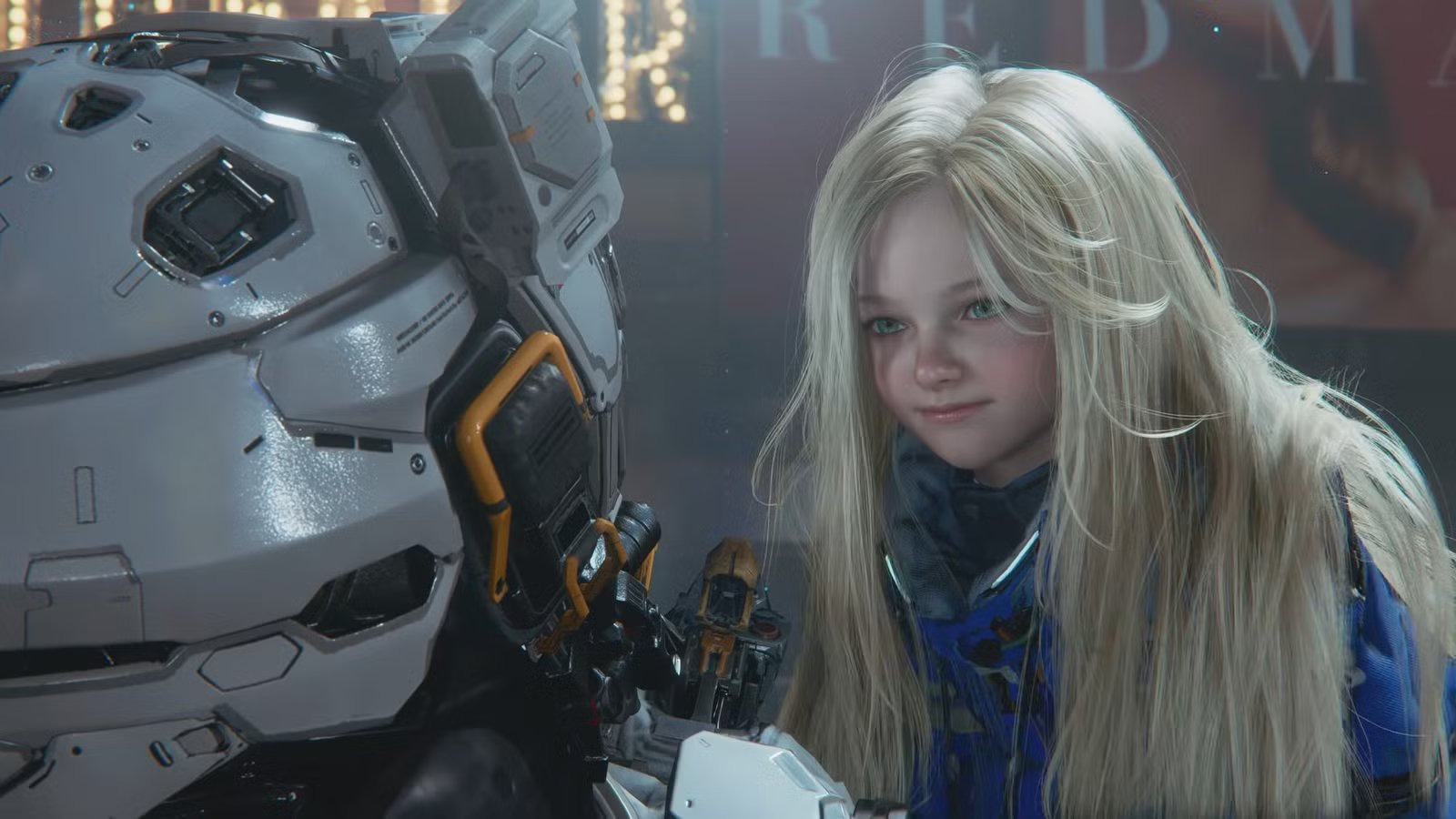
In a surprising cross-promotional move, Capcom also revealed that Pragmata—the publisher’s long-awaited sci-fi adventure—will receive exclusive Mega Man crossover skins. These skins transform protagonist Hugh into Mega Man and Diana into Roll, serving as an appetizer for fans before Mega Man: Dual Override‘s full release.
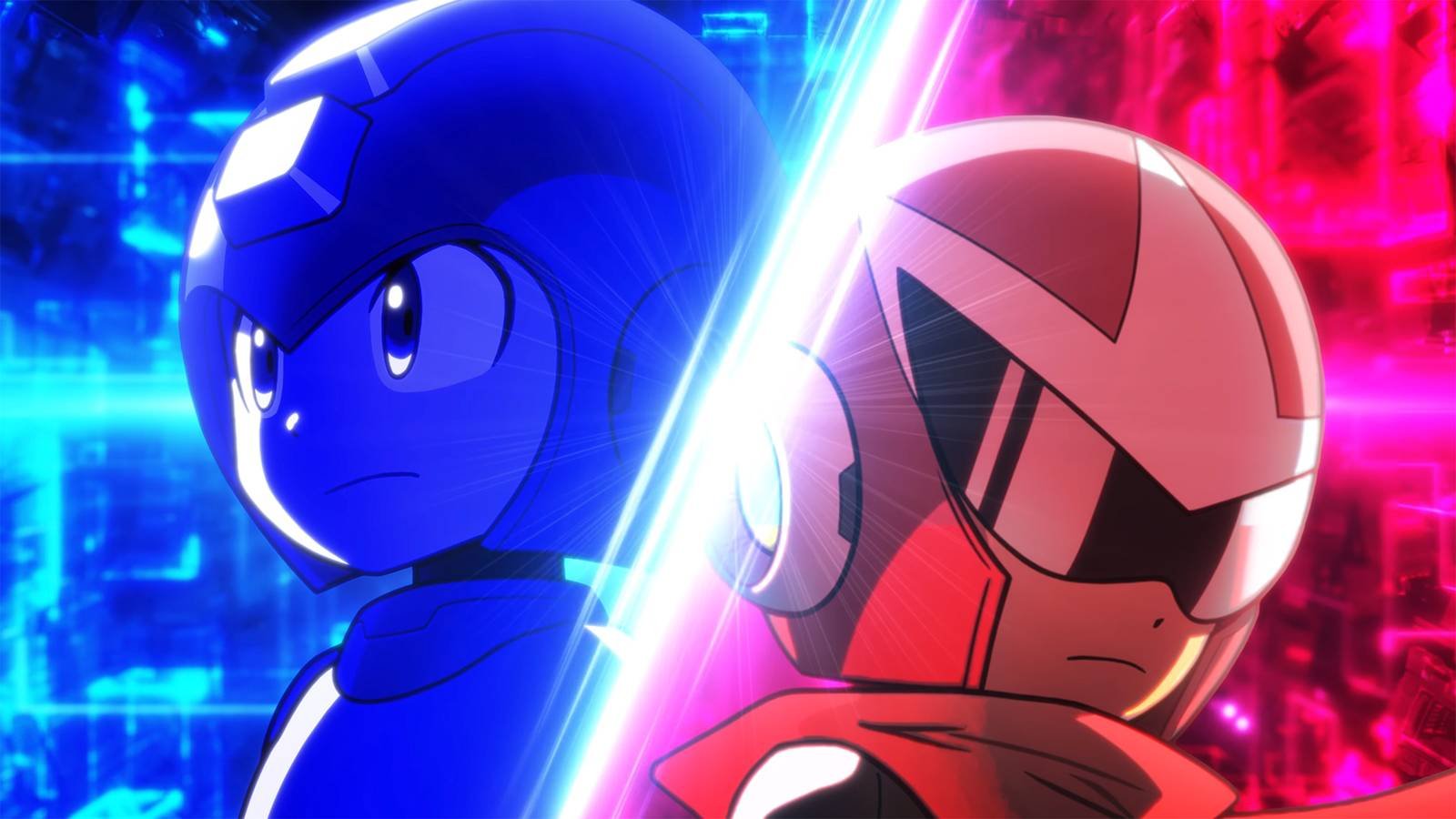
Mega Man: Dual Override Officially Announced at Gamescom 2026
Capcom Unveils First New Mega Man Title in Nearly a Decade
Capcom’s presence at gamescom 2026 delivered exactly what Mega Man fans have been craving: concrete confirmation of a new adventure. The gameplay trailer showcased the series’ signature run-and-gun action translated into a modern 2.5D visual style, retaining the classic side-scrolling perspective while introducing enhanced visual effects and smoother animations.
The announcement follows years of fan speculation and periodic hints from Capcom about the franchise’s future. Since Mega Man 11‘s release, Capcom has focused on legacy collections and spin-off titles, leaving the main series dormant. Producer Kazuhiro Tsuchiya, who previously worked on Mega Man 11, is reportedly overseeing development, ensuring the game maintains the classic feel while introducing modern innovations.
Industry analysts note that Capcom’s timing aligns with the franchise’s 35th anniversary celebrations, making Mega Man: Dual Override a landmark release for the Blue Bomber’s legacy. The game’s official website went live immediately following the announcement, offering fans a first look at concept art and a brief teaser description.
Release Window and Platform Confirmation
Capcom confirmed Mega Man: Dual Override will launch in 2027, though a specific month or quarter has not yet been disclosed. This timeline gives the development team additional time to polish the game and implement feedback from internal testing.
The game will be available on a comprehensive range of platforms, reaching both current and previous generation hardware:
- PlayStation 5 and PlayStation 4
- Xbox Series X|S and Xbox One
- Nintendo Switch
- PC via Steam and the Epic Games Store
This broad platform strategy mirrors Capcom’s approach with Mega Man 11, which successfully reached a wide audience across multiple systems. The Nintendo Switch version is expected to be particularly significant, given the platform’s strong performance with action-platformer titles and its large installed base of Mega Man fans. For more on the latest PlayStation updates, check out the PS Plus Final August 2026 Games lineup.
For the latest updates and official announcements, visit Capcom’s official website. The official Mega Man social media channels will also provide ongoing coverage of the game’s development progress.
Pragmata Crossover Skins Revealed
Mega Man and Roll Skins Coming to Pragmata
One of the most unexpected announcements from Capcom’s showcase was the confirmation of Mega Man crossover skins for Pragmata, the publisher’s upcoming sci-fi adventure game. The skins will transform Pragmata‘s lead characters into iconic Mega Man figures: Hugh becomes Mega Man, while Diana receives an outfit inspired by Roll.
The skins were shown during the same gameplay demonstration that featured Mega Man: Dual Override footage, creating a seamless connection between the two titles. Capcom has not yet announced a specific release date for the skins, confirming only that they will arrive in 2026, serving as a prelude to Mega Man: Dual Override‘s 2027 launch.
From Fan Theory to Official Collaboration
The crossover carries particular significance given the history between the two franchises. When Pragmata was first revealed in 2020, its futuristic setting and mysterious protagonist led many gamers to speculate that the game might be connected to the Mega Man universe, particularly the Mega Man Legends sub-series. Some fans even theorized that Pragmata‘s robotic companion might be a reimagining of classic Mega Man characters.
While Pragmata ultimately proved to be an entirely original property, Capcom has now embraced that fan speculation by creating an official crossover. This acknowledgment of community theories demonstrates Capcom’s awareness of its fanbase and willingness to engage with player expectations in creative ways. This surprise collaboration arrives alongside other unexpected retro news, including the new official SNES and Sega Genesis release confirmed for 2027.
For more information about Pragmata and its development, visit the official Pragmata website.
Gameplay Deep Dive: What Dual Override Brings to the Franchise
Proto Man Returns as a Fully Playable Character
The gameplay trailer revealed a significant addition to the Mega Man formula: Proto Man, Mega Man’s enigmatic older brother, is returning as a fully playable character. This marks the first time Proto Man has been playable in a mainline Mega Man title since Mega Man 9‘s DLC, and the first time he’s been integrated into the core story campaign.
Proto Man will feature distinct abilities that differentiate him from Mega Man, encouraging players to experiment with both characters. While Mega Man retains his classic charge shot and slide techniques, Proto Man brings his signature Proto Shield, which can block projectiles and be thrown as a offensive weapon. Additionally, Proto Man’s movement characteristics—including his iconic sliding dash—offer a different feel to traversal and combat.
The dual-character system adds strategic depth to level progression and boss encounters, as players can switch between characters or choose specific ones for particular challenges. This design choice aligns with the game’s “Dual Override” title, emphasizing duality in gameplay mechanics.
Custom Chips and the Override System Explained
Capcom is introducing two major new systems that fundamentally change how players approach combat and character progression in Mega Man: Dual Override.
Custom Chips: The Custom Chip system allows players to modify and enhance both Mega Man and Proto Man with new abilities and passive boosts. The trailer showcased several chip effects:
- Rapid-Fire: Increases weapon fire rate
- Shield Bubble: Provides temporary damage protection
- Hover: Enables mid-air hovering for precise platforming
- Phasing: Allows short-range teleportation through opponents
Chips can be mixed and matched to suit different playstyles and level requirements, giving players unprecedented customization over their characters’ abilities.
Override System: The Override system introduces a risk-reward mechanic to boss battles. Players can activate Override to temporarily push Mega Man or Proto Man past their normal performance limits, granting enhanced speed, damage, and special effects. However, once Override expires, characters experience a temporary performance dip, forcing players to carefully time their use of this powerful ability.
This dual-layer customization—with permanent chip upgrades and temporary Override boosts—creates rich strategic possibilities for both casual players and speedrunners.
First Robot Master Twinkle Girl Revealed
Capcom confirmed that Mega Man: Dual Override will feature eight new Robot Masters, continuing the franchise’s tradition of colorful, elemental-themed boss encounters. The first revealed Robot Master is Twinkle Girl, a star and firework-themed adversary whose design evokes classic Mega Man villains while bringing fresh visual flair.
Twinkle Girl’s attacks, shown briefly in the trailer, involve launching star-shaped projectiles and creating explosive firework patterns that fill the screen with hazardous obstacles. Defeating Twinkle Girl will grant the player her signature weapon, though Capcom has not yet announced what ability Mega Man will acquire from this victory.
The Robot Master lineup is expected to follow traditional Mega Man design principles, with each boss possessing elemental weaknesses that encourage players to strategize their boss order.
Additional Robot Masters will be revealed in the coming months as Capcom ramps up its marketing campaign.
The Long Wait: Nearly a Decade Since Mega Man 11
By the time Mega Man: Dual Override releases in 2027, it will have been over eight years since Mega Man 11 launched in 2018. That gap represents the longest period between mainline Mega Man titles in the franchise’s history, surpassing even the infamous hiatus following Mega Man 10 in 2010.
Mega Man 11 was well-received by critics and fans, earning praise for its modernized 2.5D graphics, innovative Double Gear system, and faithful recreation of the classic formula. The game sold over 1.5 million copies worldwide, demonstrating continued appetite for Mega Man adventures.
Capcom’s decision to wait nearly a decade before following up on that success suggests the publisher has been carefully planning the next mainline entry, likely building a substantial development budget and extensive feature set for Mega Man: Dual Override. Industry sources indicate that Capcom has expanded the development team significantly compared to Mega Man 11‘s more modest production.
This comparison table highlights key differences between the two titles:
| Feature | Mega Man 11 (2018) | Mega Man: Dual Override (2027) |
|---|---|---|
| Playable Characters | Mega Man only | Mega Man + Proto Man |
| Core Mechanic | Double Gear (Power Gear, Speed Gear) | Override System + Custom Chips |
| Customization | Limited weapon upgrades | Extensive chip mixing and matching |
| Robot Masters | 8 (including Block Man, Fuse Man) | 8 (starting with Twinkle Girl) |
| Visual Style | 2.5D with cel-shaded elements | Enhanced 2.5D with improved effects |
| Platforms | PS4, Xbox One, Switch, PC | PS5, PS4, Xbox Series X|S, Xbox One, Switch, PC |
Fan Reactions and Community Expectations
The announcement of Mega Man: Dual Override has generated significant excitement across the gaming community. Social media platforms saw an immediate surge in Mega Man-related content following the Gamescom showcase, with fans expressing relief that the franchise is finally receiving a new mainline entry.
Early reactions have focused on several key aspects of the announcement:
- Proto Man’s inclusion: Many fans have celebrated Proto Man’s return as a fully playable character, with some suggesting the character’s unique abilities could make him more appealing than Mega Man himself for certain playstyles.
- Custom Chips: The customization system has drawn comparisons to the Battle Network sub-series, with fans appreciating the strategic depth this adds to traditional Mega Man gameplay.
- Art direction: The enhanced 2.5D visual style has been praised for modernizing the franchise while respecting its classic aesthetic roots.
- Pragmata crossover: While some fans were initially puzzled by the connection, many have embraced the skins as a creative acknowledgment of past fan theories.
Community forums and Mega Man fan sites have already begun analyzing the trailer frame-by-frame, speculating on potential story elements, hidden references, and which classic characters might make cameo appearances. Popular Mega Man content creators have produced reaction videos and analysis pieces, further amplifying the announcement’s reach.
However, some fans have expressed concern about the development timeline, hoping that Capcom will deliver a polished, substantial experience that justifies the nearly decade-long wait. The broader Capcom community has noted that the publisher’s recent track record with mainline franchise revivals—including the successful returns of Resident Evil and Devil May Cry—bodes well for Mega Man‘s resurgence.
Where to Find More Information
For the latest updates on Mega Man: Dual Override, including future Robot Master reveals, gameplay showcases, and eventual pre-order announcements, fans should follow these official sources:
- Capcom’s official website and press releases
- Official Mega Man social media channels (Twitter/X, Facebook, Instagram)
- Capcom’s YouTube channel for future gameplay trailers
- The official Mega Man: Dual Override product page (to be launched)
As development progresses, Capcom is expected to provide deeper gameplay demonstrations, developer interviews, and hands-on preview opportunities for press and influencers. The next major showcase likely will be at Tokyo Game Show or The Game Awards, where additional details about the game’s story, secondary characters, and final release date are expected to be revealed.
Fans should also note that the Pragmata crossover skins will be available before Mega Man: Dual Override‘s launch, providing a taste of Mega Man content in 2026 to tide players over.
Frequently Asked Questions About Mega Man: Dual Override
When is Mega Man: Dual Override coming out?
Mega Man: Dual Override is scheduled to release in 2027. Capcom has not yet announced a specific month or quarter, but the game was confirmed at Gamescom 2026 Opening Night Live with a full trailer and gameplay demonstration.
What platforms will Mega Man: Dual Override be available on?
Mega Man: Dual Override will be available on PlayStation 5, PlayStation 4, Xbox Series X|S, Xbox One, Nintendo Switch, and PC via Steam and the Epic Games Store. This multi-platform release strategy ensures fans across current and previous generation hardware can experience the game.
Is Proto Man playable in Mega Man: Dual Override?
Yes, Proto Man returns as a fully playable character in Mega Man: Dual Override. He features distinct abilities including his signature Proto Shield, which can block projectiles and be thrown as an offensive weapon, as well as unique movement characteristics like his iconic sliding dash.
What is the Pragmata crossover in Mega Man: Dual Override?
Capcom is releasing exclusive Mega Man and Roll skins for the game Pragmata, arriving in 2026. These skins transform Pragmata protagonists Hugh and Diana into Mega Man and Roll respectively, serving as a prelude to Mega Man: Dual Override‘s 2027 launch. The crossover celebrates fan theories that initially connected the two franchises.
How does the Override system work in Mega Man: Dual Override?
The Override system allows players to temporarily boost Mega Man or Proto Man past their normal performance limits, granting enhanced speed, damage, and special effects. However, once Override expires, the character experiences a temporary performance dip, requiring careful timing to maximize effectiveness in boss battles and challenging platforming sections.
Who is Twinkle Girl in Mega Man: Dual Override?
Twinkle Girl is the first revealed Robot Master in Mega Man: Dual Override. She is a star and firework-themed boss who launches star-shaped projectiles and creates explosive firework patterns that fill the screen with hazardous obstacles. She is one of eight new Robot Masters players will encounter.