The digital air crackled, not with electricity, but with a palpable tension you could almost taste, a sense of impending collision as news trickled out: Tucker Carlson was going to interview Nick Fuentes. It felt like a bomb had been quietly placed in the very heart of the conservative media landscape, set to detonate and expose fault lines many had tried to ignore. I remember sitting there, scrolling through feeds, a knot forming in my stomach, wondering if this was real. Fuentes, a figure synonymous with overt white nationalism and blatant antisemitism, a man who openly praised Hitler and denied the Holocaust, was about to be given a platform by one of the most influential voices on the American right. The implications were immediate and chilling. This wasn’t just another talking head debate; this was an explicit challenge to the boundaries of acceptable discourse within the MAGA movement, pulling back the curtain on a simmering internal conflict. It promised to lay bare the uncomfortable truth about who was truly welcome at the conservative table, and perhaps more importantly, who was not. The question wasn’t just about what Fuentes would say, but what Carlson’s willingness to engage would reveal about the evolving face of modern American conservatism and the undeniable MAGA antisemitism divide.
The interview, when it finally aired, reverberated like a shockwave. For many, it wasn’t just an interview; it was a watershed moment, a stark illustration of the ongoing struggle within the conservative ecosystem regarding the embrace or rejection of far-right extremism. You could almost feel the collective gasp from traditional Republicans, juxtaposed with murmurs of approval from a segment of Carlson’s audience, revealing just how wide this chasm had become. It forced everyone to confront the uncomfortable reality: how far would the desire for viewership and political disruption go, and at what cost to foundational principles? It was a moment that peeled back the polite veneer, exposing the raw, often ugly, ideological battle simmering beneath the surface of what it means to be a conservative in America today.
This wasn’t merely a political spat; it was a moral reckoning. It highlighted the alarming ease with which figures espousing hateful ideologies, particularly those steeped in antisemitism, could find amplification within mainstream-adjacent platforms. The conversation wasn’t just about policy or political strategy anymore; it dove headfirst into the very definition of decency, the limits of free speech, and the inherent dangers of normalizing prejudice. For those of us observing, it presented a disheartening picture of a movement grappling, often poorly, with its own extremist fringes, and the immense pressure it exerted on the already strained bonds of the Republican coalition.
The Interview That Shook the Right
When the news broke that Tucker Carlson would feature Nick Fuentes on his program, the conservative sphere braced itself. It wasn’t just an interview; it was an event, a calculated move that instantly polarized opinions. Fuentes, the founder of the “America First” Political Action Conference (AFPAC) and a prominent figure in the “Groyper” movement, is not merely controversial; he is an undeniable purveyor of hate. His history includes outright Holocaust denial, praise for Adolf Hitler, and the open propagation of white nationalist and antisemitic conspiracy theories. The idea that a figure of Carlson’s stature, one who commanded millions of viewers nightly, would grant such a platform to Fuentes sent shivers down the spines of many.
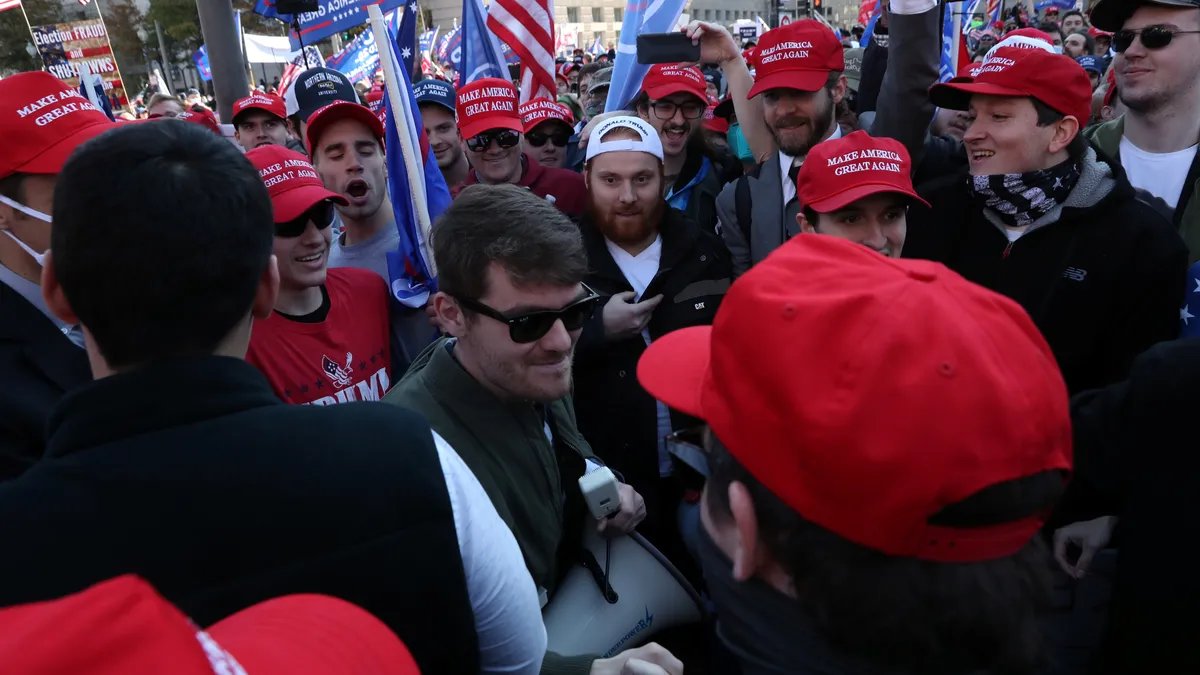
The interview itself, while not overtly endorsing Fuentes’ most extreme views, allowed him to articulate his grievances and worldview largely unchallenged on certain fronts, particularly his critique of perceived “globalist” influences – a common dog whistle for antisemitic tropes. Carlson, known for his provocative style, navigated the conversation with a subtle blend of challenge and implied understanding, leaving many wondering about his true intentions. “It felt less like an interrogation and more like an opportunity for Fuentes to legitimize his brand,” remarked a former Republican strategist, who wished to remain anonymous to avoid professional repercussions. “The message wasn’t just what was said, but that it was said at all, on that platform.”
Fuentes’ Ideology: A Deep Dive into Extremism
To understand the controversy, one must grasp the depth of Nick Fuentes’ extremist ideology. He doesn’t just flirt with the fringes; he defines them. Fuentes’ “America First” movement advocates for a white, Christian ethno-state, openly rejecting multiculturalism and liberal democracy. His followers, often referred to as “Groypers,” are known for disrupting conservative events, lambasting speakers they deem too moderate or insufficiently nationalist. Their tactics are aggressive, designed to push mainstream conservatism further to the right, often by normalizing what was once considered beyond the pale.
His rhetoric is rife with blatant antisemitism. Fuentes has publicly questioned the number of Jews killed in the Holocaust, claiming it was exaggerated, and has called for “holy war” against Jews, whom he blames for what he perceives as the decline of Western civilization. He describes Jewish people as a “hostile elite” and has openly expressed admiration for figures like Vladimir Putin and figures associated with historical authoritarian regimes. “This isn’t political disagreement; this is pure, unadulterated hate,” stated a spokesperson for the Anti-Defamation League in a press release following the interview. “To platform such an individual is to give a megaphone to bigotry.”
Tucker Carlson’s Calculated Gambit
The decision by Tucker Carlson to interview Fuentes was anything but spontaneous. Carlson has a long history of pushing boundaries, often using rhetoric that flirts with nationalist and anti-immigrant themes. For some, this interview was simply the logical extension of his established brand – a provocative search for “truth” in places others fear to tread. For others, it was a cynical move to further cement his appeal among a segment of the right-wing base increasingly drawn to more extreme viewpoints.
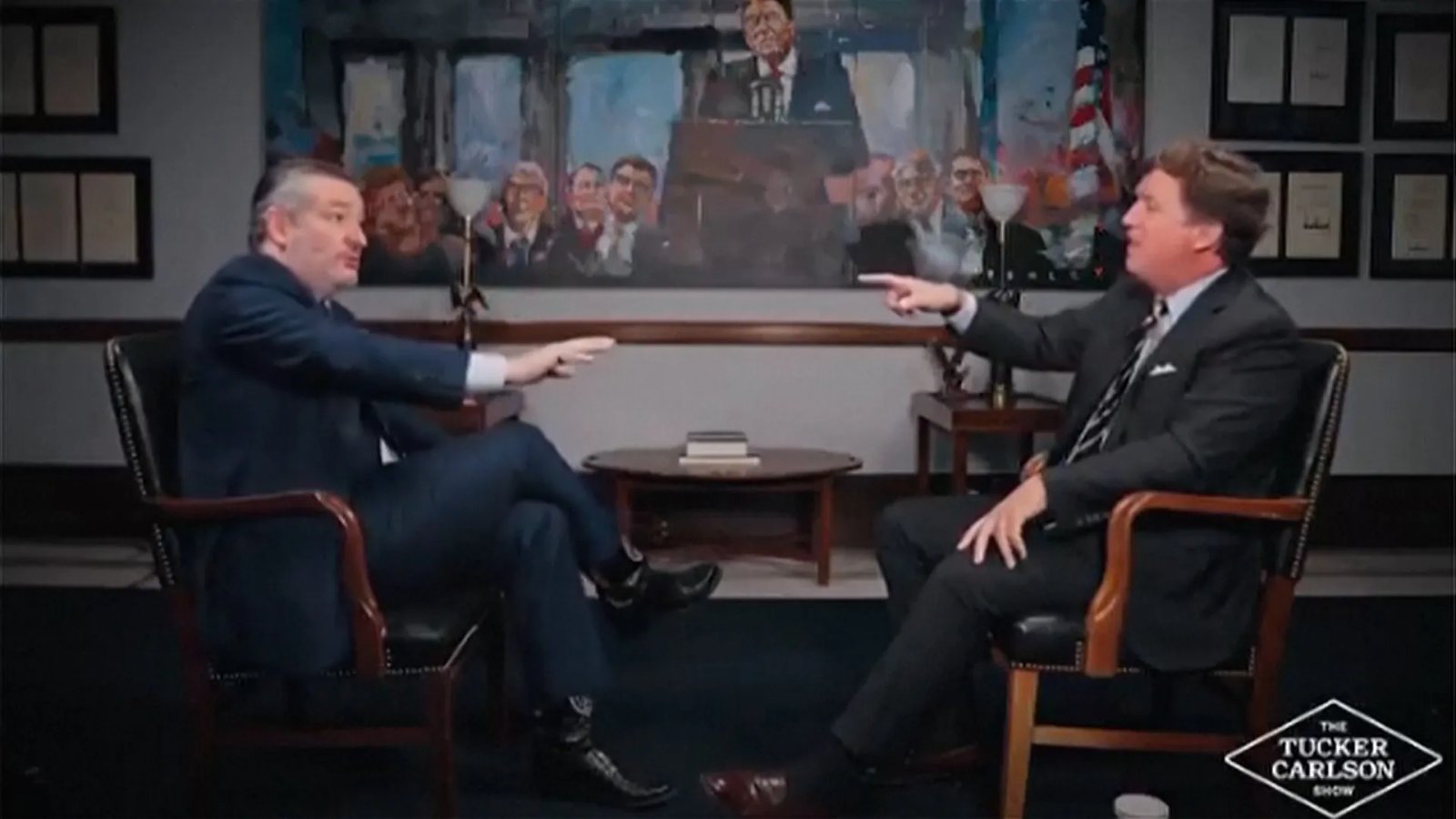
One theory suggests Carlson was testing the waters, gauging how much of Fuentes’ ideology could be presented to a broad audience without outright alienating his base. Another posits that he genuinely believes there are legitimate grievances Fuentes articulates, however distorted by extremism, that need to be heard. “Carlson has always seen himself as an iconoclast, challenging what he perceives as liberal pieties,” noted Dr. Evelyn Reed, a media studies professor at a prominent university. “But in this case, he crossed a line. You don’t ‘challenge’ explicit antisemitism by giving it a veneer of intellectual debate.” His approach, often allowing Fuentes to speak at length on topics like immigration and “cultural degradation” before offering mild pushback, was seen by critics as a way to normalize Fuentes’ presence in the broader conservative conversation. It felt like watching a tightrope walker, except the tightrope was strung over a pit of fire, and the audience was made up of unwitting participants.
The MAGA Divide: Cracks in the Coalition
The fallout from the interview was immediate and stark, perfectly illustrating the profound MAGA antisemitism divide. On one side stood the traditional conservative establishment and many Jewish Republicans, who vehemently condemned the interview and its platforming of Fuentes. Figures like Senator Lindsey Graham expressed outrage, stating that “there is no room for white nationalism or antisemitism in the Republican Party.” Jewish conservative groups issued strong condemnations, emphasizing the danger of legitimizing such hate. “It’s a betrayal of everything we stand for,” a leader from the Republican Jewish Coalition privately shared, visibly frustrated. “To see someone within our movement give a platform to a Nazi sympathizer, it’s soul-crushing.”
Yet, on the other side, a segment of the MAGA base and Carlson’s loyal followers defended the interview, often citing “free speech” or claiming Carlson was simply exposing different viewpoints. Some even echoed Fuentes’ grievances, suggesting he was unfairly maligned. This faction, often deeply distrustful of mainstream media and institutions, viewed Carlson as a brave truth-teller willing to confront uncomfortable topics. They saw criticism of the interview as an attempt to silence dissenting voices, even if those voices preached hate. This stark dichotomy revealed that the conservative movement is far from monolithic; it’s a coalition under immense stress, with a significant segment willing to tolerate or even embrace increasingly radical elements. The ground beneath the traditional Republican party seemed to be shifting, making it difficult to discern where the common ground truly lay.
Antisemitism in the Modern Political Landscape
The Tucker Carlson-Nick Fuentes interview isn’t an isolated incident; it’s a symptom of a larger, deeply concerning trend: the normalization and resurgence of antisemitism in contemporary political discourse, particularly within the fringes of the right. What was once relegated to obscure online forums and neo-Nazi rallies has, in recent years, crept closer to mainstream visibility, often cloaked in coded language like “globalists” or “cultural Marxists” before eventually shedding its subtlety entirely.
Figures like Fuentes exploit existing anxieties and grievances, channeling them into age-old antisemitic tropes that blame Jewish people for societal ills. The danger lies not just in the overt hate, but in the insidious way it permeates, chipping away at societal norms and making extreme views seem less extreme. “When influential figures provide a platform, even with a veneer of critique, they grant a legitimacy that is incredibly dangerous,” explained Dr. Reed. “It normalizes the presence of such figures, making their hateful ideology seem like just another opinion in the marketplace of ideas, rather than what it truly is: a threat to democratic values and human dignity.” This incident serves as a stark reminder that vigilance against hate is a constant necessity, not a battle won long ago. It’s a battle that plays out daily, in interviews, in online comments, and in the very language we allow ourselves to use.
The Path Forward: Confronting Extremism
The aftermath of the Tucker Carlson-Nick Fuentes interview leaves the conservative movement at a critical juncture. The exposed MAGA antisemitism divide isn’t just a challenge for the Republican Party; it’s a test of its core values and its future direction. Can a movement that prides itself on patriotism and American values genuinely accommodate individuals who espouse white nationalism and antisemitic conspiracy theories? Many argue unequivocally no, emphasizing that such ideologies are antithetical to the principles of a pluralistic democracy.
Confronting this extremism requires more than just condemnation; it demands proactive measures. Media figures hold immense responsibility in deciding who gets a platform and how their views are presented. Political leaders must be unambiguous in their rejection of hate, drawing clear lines that cannot be blurred by appeals to “free speech” when that speech advocates for the oppression or elimination of entire groups. The silence of some, or the weak condemnations from others, only emboldens those who seek to push the boundaries of hate further. The future of conservatism, and indeed, the health of our democratic discourse, depends on how effectively and courageously these challenges are met. It’s a tough road ahead, demanding introspection and decisive action, lest the cracks become an unbridgeable canyon.
The interview was a stark, uncomfortable mirror held up to a significant portion of the American political landscape. It didn’t just expose a debate; it revealed a deep, festering wound. For me, it underscored the unsettling truth that the battle against hate is never truly over, and that vigilance, moral courage, and clarity are more essential than ever. The choice before us isn’t whether to engage with uncomfortable ideas, but how to ensure that engagement doesn’t unwittingly legitimize the very forces that seek to dismantle the fabric of a just and inclusive society.
Frequently Asked Questions
| What was the main controversy surrounding the Tucker Carlson-Nick Fuentes interview? | The primary controversy stemmed from Tucker Carlson, a prominent conservative media figure, granting a platform to Nick Fuentes, a notorious white nationalist and antisemite known for Holocaust denial and advocating for a white ethno-state. This act was seen by many as legitimizing extremist views and exposing a deep division within the MAGA movement regarding the acceptance of such figures. |
| How did the interview expose a MAGA antisemitism divide? | The interview highlighted a clear split: traditional conservatives and Jewish Republicans largely condemned the platforming of Fuentes, emphasizing the Republican Party’s rejection of antisemitism and white nationalism. Conversely, some segments of the MAGA base defended the interview, citing “free speech” or aligning with some of Fuentes’ anti-establishment sentiments, thus revealing a willingness to tolerate or engage with extremist views within the movement. |
| Who is Nick Fuentes and what are his core ideologies? | Nick Fuentes is an American far-right political commentator and white nationalist. He leads the “America First” movement and the “Groypers,” advocating for a white, Christian ethno-state. His core ideologies include overt antisemitism, Holocaust denial, rejection of multiculturalism, and extreme nationalism, often expressed through conspiratorial rhetoric against perceived “globalist” influences. |
| What were the criticisms leveled against Tucker Carlson for conducting the interview? | Critics accused Tucker Carlson of normalizing and legitimizing antisemitic and white nationalist ideologies by giving Fuentes a mainstream platform. They argued that by providing him airtime, even with some pushback, Carlson inadvertently amplified Fuentes’ hateful message and blurred the lines between legitimate conservative discourse and extremist propaganda, thereby lowering the bar for acceptable political speech. |
| What are the broader implications of this interview for the conservative movement and American politics? | The interview has significant implications, suggesting a growing tolerance for extremist elements within certain conservative circles. It challenges the Republican Party to clearly define its boundaries against hate and white nationalism. More broadly, it underscores the increasing normalization of antisemitism and other forms of bigotry in political discourse, highlighting the urgent need for media accountability and robust public condemnation of extremist ideologies to protect democratic values. |
Important Notice
This FAQ section addresses the most common inquiries regarding the topic.