Trump’s Transgender Athlete Stance Sparks NYC Mayoral Debate
Former President Donald Trump has once again ignited controversy with his outspoken views on transgender athletes competing in women’s sports. This time, his remarks have specifically targeted New York City Mayor-elect Zohran Mamdani, adding a new layer to the ongoing debate about fairness, inclusion, and the role of government in regulating athletic competition. Trump’s comments, delivered at the America Business Forum in Miami, have drawn sharp reactions from both sides of the issue, further polarizing the discussion surrounding transgender athletes and their participation in sports.
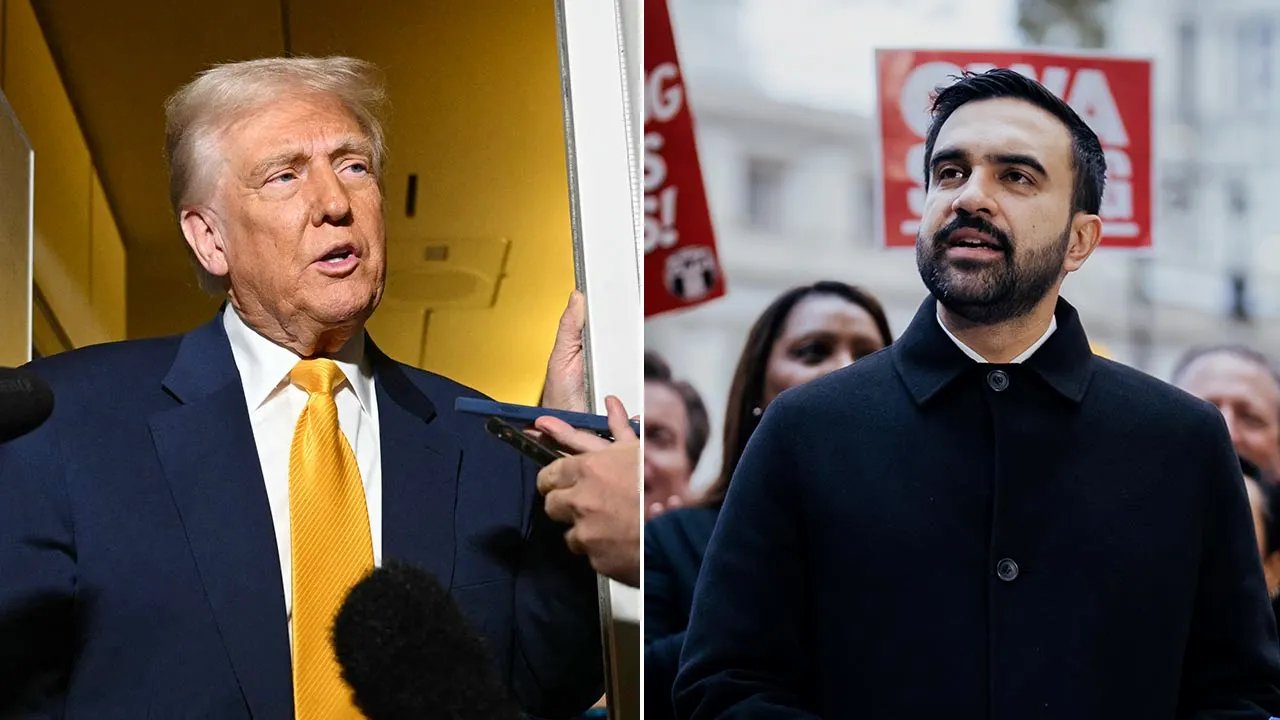
This article delves into the details of Trump’s statements, the context surrounding his remarks, and the potential implications for both transgender athletes and the political landscape of New York City. We will examine the arguments for and against transgender athletes competing in women’s sports, explore the legal and ethical considerations involved, and analyze the potential impact of these debates on future policy decisions. Understanding the nuances of this complex issue is crucial for fostering informed discussions and promoting a more inclusive and equitable society. The controversy surrounding Trump’s comments highlights the deeply entrenched divisions within American society on issues of gender identity and sports.
Trump’s Critique of Transgender Athletes and Mamdani
During his address at the America Business Forum, Trump reiterated his long-standing opposition to transgender women competing in women’s sports. He specifically referenced weightlifting, claiming that a “man” beat a women’s record by a significant margin. While he did not provide specific details about the event or athletes involved, his remarks were clearly intended to highlight what he perceives as an unfair advantage for transgender women in sports.
Trump also took aim at New York City Mayor-elect Zohran Mamdani, stating that Mamdani “thinks it’s wonderful to have men playing in women’s sports.” This accusation is particularly noteworthy because Mamdani has not publicly commented on the issue of transgender athletes in women’s sports. Trump’s decision to directly target Mamdani suggests a deliberate attempt to inject the issue into the New York City political arena. The implications of Mamdani’s perceived stance could resonate with voters and shape future policy discussions within the city.
The Broader Context: Transgender Athletes in Sports
The issue of transgender athletes in sports is a complex and highly debated topic. Advocates for transgender inclusion argue that excluding transgender athletes from competition is discriminatory and violates their fundamental rights. They emphasize that transgender women are women and should be treated equally under the law. Furthermore, they point out that many transgender athletes undergo hormone therapy, which can significantly reduce their physical advantages.
Conversely, opponents of transgender women competing in women’s sports argue that they retain inherent biological advantages that make it unfair for cisgender women to compete against them. They raise concerns about safety, fairness, and the integrity of women’s sports. Some argue that allowing transgender women to compete could discourage cisgender women from participating in sports or diminish their opportunities for success. Understanding the various perspectives on the transgender debate is essential for navigating this sensitive topic.
Arguments For and Against Transgender Inclusion
The arguments surrounding transgender inclusion in sports are multifaceted and often emotionally charged. Proponents of inclusion emphasize the importance of creating a welcoming and inclusive environment for all athletes, regardless of their gender identity. They argue that excluding transgender athletes based on unfounded assumptions perpetuates discrimination and reinforces harmful stereotypes. Moreover, they point to the lack of conclusive scientific evidence demonstrating that transgender women consistently outperform cisgender women in sports.
On the other hand, opponents of inclusion argue that biological differences between cisgender men and women give transgender women an unfair advantage in sports. They cite factors such as bone density, muscle mass, and lung capacity as reasons why transgender women may have a competitive edge. These concerns often lead to calls for separate categories for transgender athletes or stricter regulations regarding hormone therapy and eligibility for competition. The debate highlights the tension between inclusion and fairness, forcing sports organizations to grapple with complex ethical and practical considerations. The future of sports inclusion hinges on finding solutions that balance the rights of all athletes.
Legal and Ethical Considerations
The legal and ethical landscape surrounding transgender athletes in sports is constantly evolving. Many states and organizations have implemented policies regarding transgender participation, but these policies vary widely. Some states have passed laws banning transgender women from competing in women’s sports, while others have adopted more inclusive policies based on hormone levels or other criteria.
From an ethical perspective, the debate centers on balancing the rights of transgender athletes to participate in sports with the rights of cisgender women to fair competition. This requires careful consideration of factors such as safety, privacy, and the potential impact on opportunities for all athletes. As legal challenges and policy changes continue to shape the landscape, it is crucial for sports organizations to consult with legal experts, medical professionals, and transgender advocacy groups to develop fair and equitable policies. The legal and ethical aspects of transgender law are constantly being redefined.
The Impact on New York City Politics
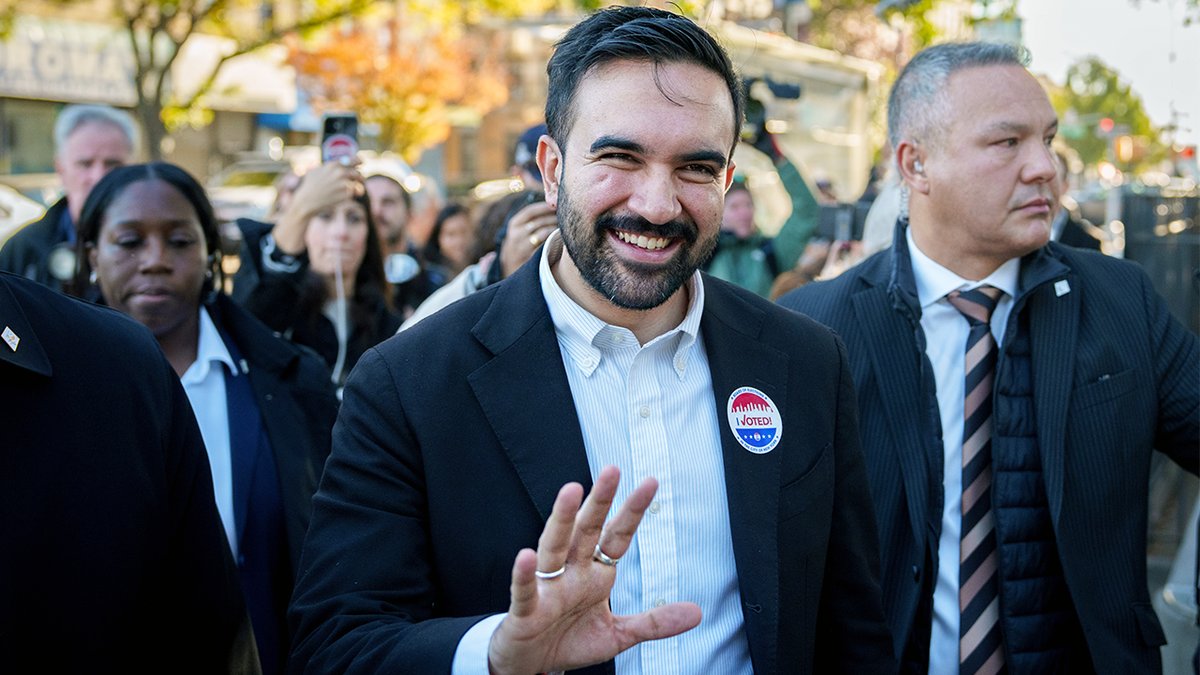
Trump’s decision to target Zohran Mamdani specifically raises questions about the potential impact of this issue on New York City politics. Mamdani, a progressive politician, has not yet taken a public stance on transgender athletes in women’s sports. Trump’s remarks may be an attempt to force Mamdani to address the issue and potentially alienate some of his supporters.
The issue of transgender athletes could become a significant point of contention in future New York City elections, particularly if Mamdani’s opponents attempt to use it to attack his policies or character. The debate could also influence policy decisions related to sports and recreation within the city. Understanding the nuances of NYC politics is crucial for interpreting the impact of this controversy.
Potential Policy Implications
The ongoing debate about transgender athletes in sports has significant policy implications at both the state and national levels. Some states have already passed laws restricting transgender athletes’ participation, while others are considering similar legislation. At the federal level, the issue could potentially be addressed through legislation or executive action.
The outcome of these policy debates will have a profound impact on the lives of transgender athletes and the future of sports in America. It is essential for policymakers to carefully consider the legal, ethical, and scientific arguments involved and to develop policies that are fair, inclusive, and consistent with the principles of equality and non-discrimination. The future of transgender policy depends on informed decision-making.
The Role of Sports Organizations
Sports organizations at all levels, from local leagues to international governing bodies, play a critical role in shaping the policies and practices related to transgender athletes. These organizations are responsible for developing and implementing rules that ensure fair competition and protect the safety of all athletes.
Many sports organizations have adopted policies based on hormone levels or other criteria, while others are still grappling with the issue. It is essential for these organizations to consult with experts, athletes, and advocacy groups to develop policies that are evidence-based, inclusive, and consistent with the principles of human rights. The responsibility of sports organizations in this matter cannot be overstated.
Case Studies: Transgender Athletes in Action
Examining specific cases of transgender athletes competing in sports can provide valuable insights into the complexities and challenges involved. The case of Lia Thomas, a transgender swimmer at the University of Pennsylvania, has garnered significant attention and sparked intense debate. Thomas’s success in women’s swimming events has raised questions about fairness and the impact of hormone therapy on athletic performance.
Other examples include transgender athletes competing in a variety of sports, from track and field to soccer to basketball. These case studies highlight the diverse experiences of transgender athletes and the need for individualized assessments and policies that take into account the specific circumstances of each athlete. Studying transgender cases can inform policy and promote understanding.
Addressing Misconceptions and Promoting Understanding
Many misconceptions and stereotypes surround the issue of transgender athletes in sports. It is essential to address these misconceptions and promote a more accurate and nuanced understanding of the challenges and opportunities facing transgender athletes.
One common misconception is that all transgender women have an inherent advantage over cisgender women in sports. However, scientific evidence suggests that hormone therapy can significantly reduce these advantages. Another misconception is that transgender athletes are primarily motivated by a desire to dominate women’s sports. In reality, most transgender athletes simply want to participate in sports and be treated with respect and dignity. Promoting transgender understanding is crucial for fostering a more inclusive society.
The Future of Transgender Athletes in Sports
The future of transgender athletes in sports remains uncertain, but it is clear that the issue will continue to be debated and discussed for years to come. As scientific understanding of gender identity and athletic performance evolves, policies and practices will likely continue to change.
It is essential for all stakeholders, including athletes, coaches, administrators, and policymakers, to engage in respectful and constructive dialogue to find solutions that are fair, inclusive, and consistent with the principles of equality and non-discrimination. The future of transgender future in sports depends on collaboration and understanding.
Frequently Asked Questions (FAQ)
| What is the main topic of this article? | This article provides comprehensive information about Trump’s comments on transgender athletes, his targeting of NYC Mayor-elect Mamdani, and the broader implications for sports and politics. It covers all related aspects in detail. |
| Where can I find more detailed information? | Additional information and resources are available through the internal links provided throughout the article. You can also check external news sources and academic studies for more data. |
| How current is this information? | This article contains up-to-date information relevant to current trends and developments in the field. We regularly update our content to ensure accuracy. The events discussed occurred recently. |
| Who is this article intended for? | This article is designed for readers seeking comprehensive understanding of the topic, from beginners to advanced learners. It covers both basic concepts and advanced insights into the political and social implications. |
| Are there any important updates I should know about? | Yes, we regularly monitor developments and update our content accordingly. Check the publication date and any update notices for the most current information on policy changes and legal challenges. |
Important Notice
This content is regularly updated to ensure accuracy and relevance for our readers. If you have any questions, feel free to contact us.
Content Quality: This article has been carefully researched and written to provide valuable insights and practical information. Our team works hard to maintain high standards.
In conclusion, the debate surrounding transgender athletes in sports is a complex and multifaceted issue with significant legal, ethical, and political implications. Trump’s recent comments targeting transgender athletes and NYC Mayor-elect Mamdani have further polarized the discussion and highlighted the deeply entrenched divisions within American society. As policymakers, sports organizations, and athletes grapple with this issue, it is essential to engage in respectful and constructive dialogue to find solutions that are fair, inclusive, and consistent with the principles of equality and non-discrimination.