The late autumn air bites a little harder this year in Washington D.C., a chill that seems to seep not just into your bones but into the very fabric of political discourse. Inside the hushed, wood-paneled halls of Capitol Hill, and across the bustling newsrooms, a collective whisper is growing louder, a name that sends shivers down spines: Jeffrey Epstein. It’s a name synonymous with scandal, depravity, and a sprawling network of the powerful and privileged. For years, former President Donald J. Trump has weathered storms that would sink any other political figure – impeachments, investigations, scathing media reports – emerging, almost miraculously, with his base seemingly intact, his critics perpetually frustrated. This legendary ability to deflect damage, often dubbed “Trump’s Teflon,” has been an enigma, a political superpower unlike any seen before. But as the gears of the 2026 campaign begin to grind, with Trump’s potential presidential bid looming large, the shadow of Epstein’s illicit activities and the continued legal fallout threatens to cast a uniquely dark and perhaps irreversible pall. One can almost feel the tension in the air, a sense of foreboding that this time, it might actually be different. Political strategists on both sides of the aisle are bracing themselves, knowing full well that this isn’t just another news cycle; it’s a direct confrontation with a narrative that could fundamentally alter the trajectory of the next election.
You see, for all the past controversies, the Epstein saga carries a different kind of weight, a visceral revulsion that cuts across partisan lines in a way few other issues can. It’s not about policy disagreements or political gaffes; it’s about profoundly disturbing allegations involving exploitation and abuse, and the connections of powerful individuals to that dark world. The release of previously sealed documents, the ongoing civil litigation, and the renewed public interest in the late financier’s connections have all conspired to bring this ghastly chapter back into the glaring spotlight. What was once a peripheral mention, perhaps a distant memory for some, is now a front-and-center topic, fueled by documentaries, podcasts, and an insatiable public hunger for answers. The question on everyone’s mind, whispered in coffee shops and debated on cable news, is simple yet profound: Can Trump’s Teflon truly withstand this particular test? Can he navigate the murky waters of the Epstein accusations, given his past association with the financier, without suffering irreparable political damage? It’s a high-stakes gamble, not just for Trump, but for the entire political landscape as we head towards 2026.
The implications are vast, touching upon voter sentiment, donor support, and the very narrative framework of the upcoming election. Trump’s political playbook has always relied on defiance, on punching back twice as hard, and on casting himself as the victim of a biased system. But how does one apply that strategy to the horrifying details of the Epstein case? It’s not just a political opponent making a charge; it’s a grim reality that involves victims, legal proceedings, and a deep-seated public desire for accountability. This isn’t just a political skirmish; it feels more like a moral reckoning. We’re about to witness whether the man who has defied political gravity repeatedly can do it one more time, or if this time, the weight of the allegations will finally pull him down.
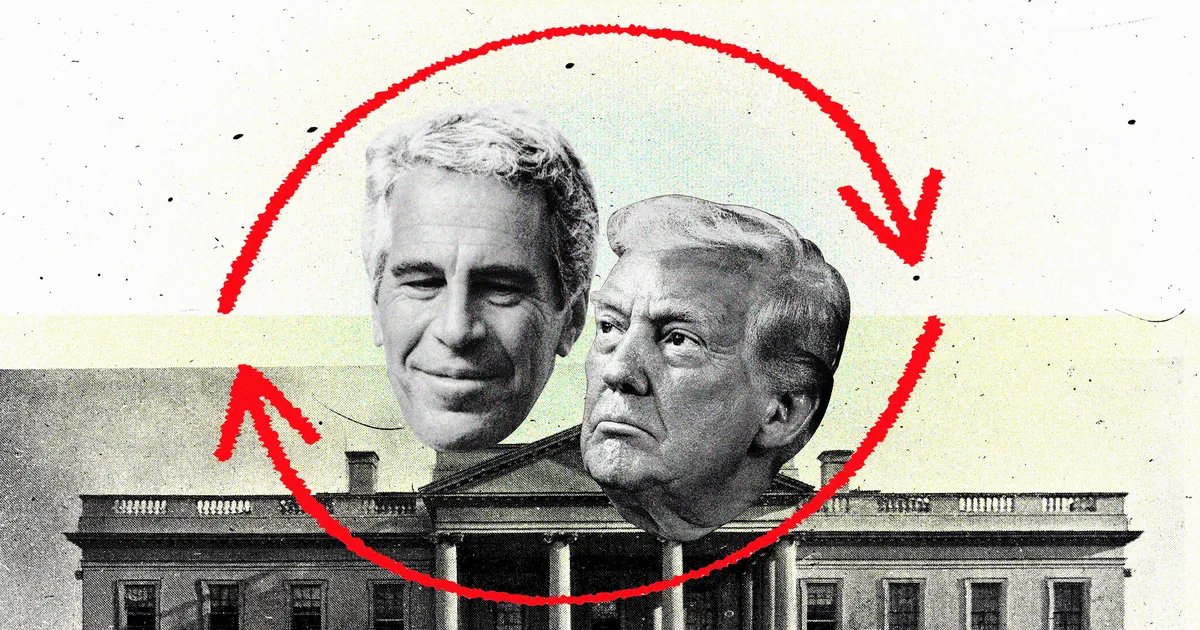
The Genesis of a Political Predicament
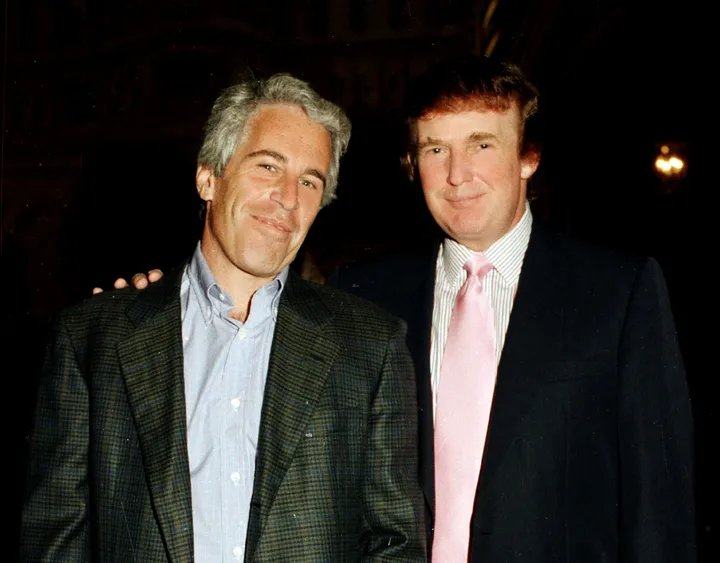
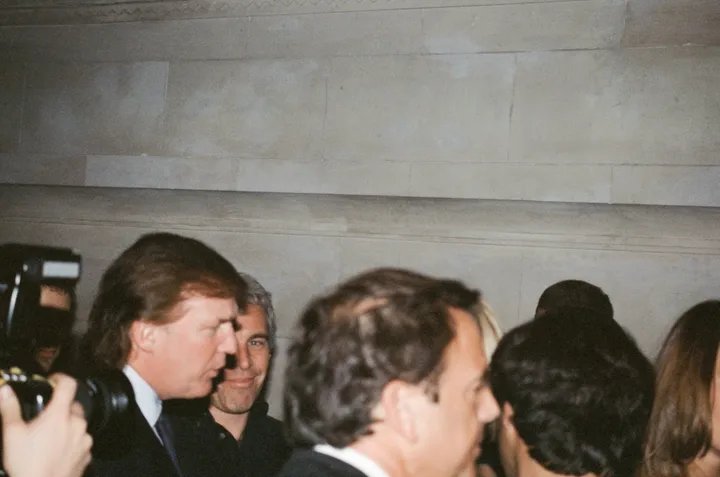
To understand why the Jeffrey Epstein saga is such a potent threat to Trump’s 2026 campaign, we need to rewind a bit. Donald Trump and Jeffrey Epstein moved in similar social circles in New York and Florida during the 1990s and early 2000s. There are documented instances of them attending parties together, and Trump has publicly commented on Epstein in the past. While Trump has vehemently denied any knowledge of Epstein’s illicit activities and distanced himself from the disgraced financier, these past connections are now under a microscope. Each newly unsealed document, each testimony that names individuals, reignites a media frenzy and forces a painful re-evaluation of who knew what, and when. It’s not merely guilt by association in the traditional political sense; it’s the association with something so universally condemned that it risks contaminating everything it touches.
“The optics are just terrible, plain and simple,” remarked Sarah Jenkins, a veteran Republican strategist who prefers to remain off-record for now, speaking over a hushed phone line late one evening. “Even if there’s no direct evidence of wrongdoing by Trump, the proximity to Epstein’s depravity is a narrative killer for swing voters. They don’t want to hear about ‘witch hunts’ when the topic is this dark.” She sighed, the sound crackling through the phone. “It’s a stain that’s proving incredibly difficult to wash off, regardless of how much ‘Teflon’ you have.” Indeed, the challenge for the Trump campaign isn’t just to disprove any direct involvement – which they consistently deny – but to disassociate him from the *aura* of the scandal itself.
The Ever-Evolving Legal Landscape
The Epstein saga is far from a closed chapter. Ongoing legal battles, civil lawsuits, and the potential for new revelations continue to keep it in the headlines. The focus isn’t solely on Epstein anymore; it’s also on those who allegedly facilitated his activities, those who benefited from his connections, and those who might have turned a blind eye. This continuous drip-drip of information ensures the story never truly fades. For Trump, this means a persistent threat of unforeseen developments that could derail his carefully planned presidential bid. Imagine a scenario where a new set of documents surfaces just months before a crucial primary, detailing previously unknown interactions or allegations. The timing alone could be catastrophic.
The legal implications extend beyond direct accusations. The constant media attention drains campaign resources, forces rapid response teams into overdrive, and diverts focus from positive messaging. “Every time this story flares up, we spend days doing damage control, instead of talking about the economy or national security,” an anonymous campaign operative confided, visibly frustrated during a brief coffee break amidst a flurry of calls. “It’s a death by a thousand cuts, financially and emotionally. The donors get antsy, the volunteers get questions they can’t answer, and the candidate gets dragged back into a past he wants to leave behind.” This is the insidious nature of the lingering scandal: it doesn’t need to be a direct indictment to cause significant harm; the mere association and the continuous effort to manage the narrative are enough to erode support and energy.
Public Perception and the Shifting Sands of Morality
The political landscape is a dynamic beast, constantly shifting with public sentiment. While a segment of Trump’s base remains fiercely loyal, seemingly impervious to any scandal, there’s a significant portion of independent and moderate voters who are far more sensitive to issues of morality and character. The Epstein case taps into a primal sense of outrage and injustice, making it a uniquely difficult topic for even the most skilled political communicators. For these crucial swing voters, a candidate’s past associations with such a figure can be an insurmountable barrier, irrespective of their policy positions.
A recent focus group, conducted by a non-partisan research firm in a key swing state, revealed a stark picture. “When presented with the Epstein connection, even voters who were generally open to Trump’s policies expressed deep discomfort,” reported Dr. Evelyn Reed, a political psychologist overseeing the study. “One participant, a working mother, simply stated, ‘I can overlook a lot of things, but children? No. That’s a line I won’t cross.’ That sentiment was echoed repeatedly. It’s not about policy; it’s about a fundamental moral repulsion.” This suggests that the ‘Teflon’ might be cracking not due to political attacks, but due to a deeper, more profound societal condemnation.
The Democratic Strategy: Weaponizing the Weakness
You can bet your bottom dollar that the Democratic Party is keenly aware of the vulnerability the Epstein saga presents for Trump. They won’t need to manufacture allegations; they’ll simply highlight the existing connections and the ongoing revelations. This provides a potent line of attack that bypasses traditional political debates, aiming directly at character and judgment. Expect to see carefully curated ads, social media campaigns, and talking points that continuously link Trump to the darkest aspects of the Epstein case, forcing him to play defense.
“This isn’t just another issue to debate; it’s a values test,” explained a senior Democratic campaign advisor, sipping coffee in a bustling K Street cafe, the morning news cycle already blaring from a nearby TV. “For moderate voters, it’s a simple question: Do you want a president whose past includes connections to someone like Epstein, regardless of their own direct involvement? It’s a powerful negative frame, and it allows us to bypass the usual ‘he said, she said’ of politics.” The strategy isn’t to prove Trump’s guilt, but to plant enough doubt and discomfort in the minds of undecided voters that they simply can’t bring themselves to support him. It’s a masterclass in using uncomfortable truths to sow discord.
The challenge for Trump’s campaign, then, is multifaceted:
- Defensive Posture: Constantly being forced to respond to allegations, rather than setting the agenda.
- Narrative Control: Struggling to shift focus away from Epstein and onto his preferred campaign themes.
- Voter Erosion: Losing crucial independent and moderate voters who are deeply repulsed by the association.
- Donor Hesitation: Facing questions and potential reluctance from donors concerned about the political fallout.
These are not small hurdles. Each one represents a significant drain on resources and a potential crack in the seemingly impenetrable armor of Trump’s Teflon.
The Unpredictability Factor: Trump’s Response
One thing we’ve learned over the years is that predicting Donald Trump’s response to a crisis is often a fool’s errand. His unconventional approach, his willingness to flout political norms, and his ability to rally his base through sheer force of personality have confounded opponents repeatedly. Will he double down on accusations of a “deep state” conspiracy? Will he attack the media for bringing up old news? Or will he try a different tack, perhaps attempting to dismiss Epstein as a minor acquaintance from a bygone era, long forgotten?
“He’s a master at reframing narratives, at turning perceived weaknesses into strengths for his base,” commented Dr. Michael P. Cohen, a political communications expert from a prominent university. “But this is different. This isn’t about policy or a perceived injustice against him. This is about a universal moral revulsion. How do you reframe child exploitation? You can’t. You can only try to distance yourself, and that might be a bridge too far even for him.” This sentiment highlights the unique difficulty this particular scandal poses. It doesn’t fit neatly into the “rigged system” or “fake news” narratives that have previously served him so well.
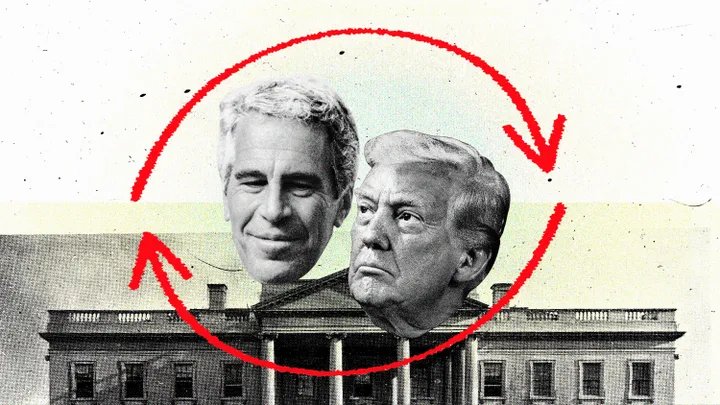
The answer may lie in his supporters’ willingness to accept his denials, no matter how tenuous. For many, their support for Trump is so deeply ingrained that no external force, no revelation, seems capable of swaying them. They see attacks on him as attacks on themselves, a reflection of the cultural battles they feel are being waged. But even for the most loyal, there are limits. The question is, has the Jeffrey Epstein saga finally found that limit? Only time, and the relentless march towards 2026, will tell.
As we stand on the precipice of another presidential campaign, the air is thick with anticipation and dread. The story of Jeffrey Epstein and his victims is a tragedy that continues to unfold, and its tendrils are now reaching deep into the heart of American politics. Whether Trump’s Teflon can deflect this particular brand of moral outrage remains perhaps the most significant political question as we hurtle towards 2026. My personal feeling is that this time, it feels different. The sheer gravity of the allegations, the moral component, and the continuous nature of the revelations present a challenge unlike any Trump has faced before. It’s not just about winning an election; it’s about confronting a past that many wish would just disappear. This saga looms, a dark cloud on the horizon, threatening to redefine what it means to be politically resilient in the modern era. The stage is set for a dramatic, and potentially defining, chapter in American political history.
Frequently Asked Questions
| Why is the Jeffrey Epstein saga a major concern for Donald Trump’s 2026 campaign? | The Jeffrey Epstein saga is a significant concern due to Trump’s past social connections with Epstein and the ongoing legal and public revelations. Even without direct evidence of wrongdoing by Trump, the association with such a universally condemned figure can severely damage public perception, especially among swing and independent voters sensitive to moral issues. |
| What does “Trump’s Teflon” refer to in a political context? | “Trump’s Teflon” refers to former President Donald Trump’s unusual ability to deflect political scandals and controversies without suffering lasting damage to his support base. Like the non-stick coating Teflon, negative news and allegations often seem to slide off him without sticking. |
| How do new legal revelations about Epstein impact the political landscape? | New legal revelations, such as unsealed documents or testimonies, keep the Epstein saga in the news cycle. This continuous stream of information forces associated political figures, including Trump, to constantly address their past connections, diverting campaign resources and attention away from their preferred messages and potentially eroding voter trust over time. |
| What challenges does Trump’s campaign face in responding to the Epstein allegations? | Trump’s campaign faces challenges including a defensive posture, struggling to control the narrative away from Epstein, potential erosion of support from independent and moderate voters due to moral repulsion, and possible hesitation from donors. The nature of the allegations makes traditional political deflection tactics less effective. |
| Could the Epstein saga be different from past controversies Trump has faced? | Yes, many political observers believe the Epstein saga could be different. Unlike past controversies that often involved policy, political gaffes, or partisan accusations, the Epstein case touches upon deeply disturbing moral issues involving exploitation and abuse. This makes it harder for voters to overlook, potentially testing the limits of Trump’s political resilience more severely than previous scandals. |
Important Notice
This FAQ section addresses the most common inquiries regarding the topic.